
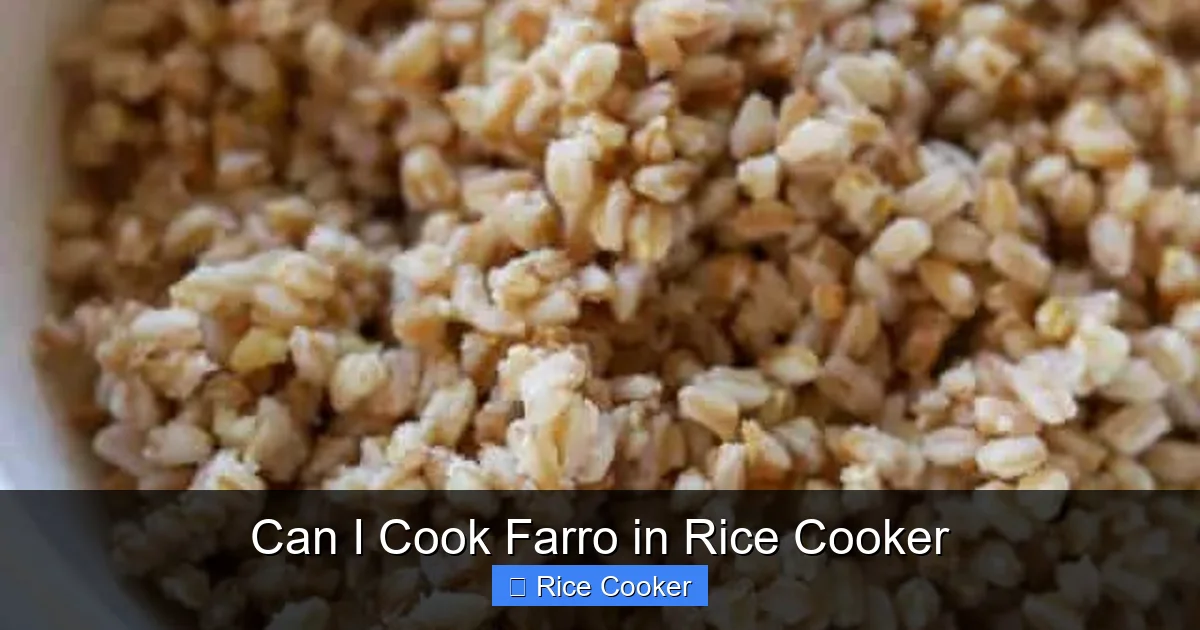
Cooking farro in a rice cooker is simple, hands-off, and delivers perfectly cooked grains every time. With the right water-to-grain ratio and a few preparation tweaks, your rice cooker transforms nutty, chewy farro into a delicious base for bowls, salads, or side dishes. Whether you’re new to farro or looking for a faster cooking method, this guide walks you through everything from soaking to seasoning.
Key Takeaways
- Farro cooks well in rice cookers: Yes, it works! Farro’s starch content allows it to cook evenly using standard rice cooker settings.
- Use the right ratio: Start with a 2:1 water-to-farro ratio (e.g., 2 cups water per 1 cup uncooked farro) for ideal texture.
- Soak for better results: Soaking farro overnight reduces cooking time and improves digestibility.
- Adjust for type: Pearled farro cooks faster than whole grain; adjust water slightly for each variety.
- Add flavor during cooking: Toss in broth, herbs, or garlic for extra taste without extra steps.
- Cool before using: Let cooked farro cool slightly before fluffing and serving to avoid clumping.
If you’ve ever looked at a bag of farro in the grocery store and wondered, “What even is this?”—you’re not alone. Farro is an ancient grain that’s been around since biblical times, prized for its nutty flavor and satisfying chew. It’s often called the “grandfather of wheat” because it predates modern wheat varieties. Today, farro is making a comeback as people seek healthier, fiber-rich alternatives to white rice or quinoa. But here’s the real question on everyone’s mind: Can I cook farro in a rice cooker? The short answer? Absolutely. And it’s easier than you think.
Cooking farro in a rice cooker isn’t just possible—it’s one of the most convenient ways to prepare it. Unlike traditional stovetop methods that require constant attention and stirring, a rice cooker handles everything automatically. You measure, add water, press a button, and walk away. When you return, you’ll have tender, golden-brown farro ready to eat or use in your favorite recipes. Plus, using a rice cooker helps prevent overcooking, which is especially helpful if you’re new to working with farro.
In this guide, we’ll walk you through everything you need to know about cooking farro in a rice cooker—from choosing the right kind of farro to perfecting the water ratio and adding flavor. Whether you’re meal prepping, making a hearty salad, or simply craving a warm bowl of comfort food, this method will become your go-to. Let’s get started!
Key Takeaways
- Understanding can i cook farro in rice cooker: Provides essential knowledge
📑 Table of Contents
- Understanding Farro and Why It’s Worth Cooking
- Can You Actually Cook Farro in a Rice Cooker?
- Choosing the Right Farro for Your Rice Cooker
- Step-by-Step Guide: How to Cook Farro in a Rice Cooker
- Tips for Perfect Farro Every Time
- Creative Ways to Use Cooked Farro
- Troubleshooting Common Issues
- Frequently Asked Questions
- Conclusion: Make Farro a Regular Part of Your Meals
Understanding Farro and Why It’s Worth Cooking
Before diving into the how-to, let’s talk about what makes farro special. There are three main types of farro: einkorn, emmer, and spelt—each with a slightly different texture and nutritional profile. Einkorn is the oldest variety and has a mild, sweet flavor. Emmer is more common today and offers a balance of chewiness and nuttiness. Spelt is similar but slightly sweeter and more delicate. Among these, pearled farro (which has had its outer husk removed) is the most widely available and easiest to cook.
Farro is packed with fiber, protein, and essential minerals like magnesium and iron. It also has a lower glycemic index than white rice, meaning it won’t spike your blood sugar as quickly. Because of its chewy texture and rich flavor, farro shines in salads, soups, risottos, and grain bowls. It holds up well to bold seasonings and can be served warm or chilled.
Now, why choose a rice cooker? For starters, it’s consistent. Rice cookers maintain a steady temperature and automatically switch to “warm” mode once cooking is complete—so you don’t risk burning or drying out your farro. They’re also energy-efficient and require minimal cleanup. If you already own one, there’s no reason not to use it for farro.
Can You Actually Cook Farro in a Rice Cooker?
Yes, absolutely. Farro behaves similarly to brown rice in terms of starch structure and water absorption, which means it responds beautifully to rice cooker cycles. The key is understanding how farro differs from regular rice and adjusting your approach accordingly.
Unlike white rice, farro doesn’t have the same gelatinization process—meaning it doesn’t turn mushy when overcooked. Instead, it becomes tough and rubbery. That’s why timing matters. A rice cooker’s preset cycle might be too long for farro unless you modify it. Most standard rice cooker settings run between 30–45 minutes, but farro typically needs 35–45 minutes depending on whether it’s soaked and the type of farro.
Another benefit of using a rice cooker is that it distributes heat evenly, preventing hot spots that can cause uneven cooking on the stovetop. You won’t need to stir constantly, and the result is uniformly cooked grains every time.
Choosing the Right Farro for Your Rice Cooker
Not all farros are created equal when it comes to cooking time and texture. Here’s a quick breakdown:
Pearled Farro
Pearled farro is the most processed version, with only the outermost hull removed. It cooks faster than other types—usually in 30–40 minutes—and has a softer texture. Because it’s less fibrous, it’s great for beginners who want a quicker cook time.
Semi-Pearled Farro
This variety has partially removed bran layers, offering a middle ground between texture and speed. It still retains some chewiness while cooking faster than whole farro.
Whole Grain Farro
Also known as dehulled or hulled farro, this is the least processed form. It takes longer to cook—often 45–60 minutes—but offers the richest flavor and most nutrients. Whole grain farro is ideal if you’re aiming for maximum health benefits and don’t mind waiting a bit longer.
For most home cooks using a rice cooker, pearled farro is the easiest choice. However, if you’re willing to soak your farro ahead of time (more on that below), whole grain farro can yield excellent results too.
Step-by-Step Guide: How to Cook Farro in a Rice Cooker
Ready to try it? Follow these simple steps for foolproof farro every time.
Gather Your Ingredients and Tools
You’ll need:
– 1 cup uncooked farro
– 2 cups water (or broth for added flavor)
– A fine-mesh strainer
– A bowl for soaking (optional)
– Your rice cooker and measuring cups
Step 1: Rinse the Farro
Even though farro isn’t always dusty like rice, rinsing removes any debris or dust. Place the farro in a strainer and run it under cold water for about 30 seconds. Shake off excess water.
Step 2: Optional – Soak the Farro
Soaking farro overnight (or at least 2 hours) softens the grain and reduces cooking time by up to 20 minutes. This step is especially helpful for whole grain farro. Just place rinsed farro in a bowl, cover with water, and refrigerate until ready to cook.
Step 3: Add Farro and Liquid to Rice Cooker
Use a 2:1 water-to-farro ratio. For example, 1 cup farro + 2 cups liquid. If using broth instead of water, the flavor will be richer. You can also add a pinch of salt, a bay leaf, or a clove of garlic for extra depth.
Step 4: Start the Rice Cooker
Close the lid and select the “white rice” or “normal” setting. Avoid “quick cook” or “porridge” modes—they’re too aggressive for farro. If your rice cooker has multiple settings, choose the one closest to 35–45 minutes.
Step 5: Wait and Don’t Open the Lid
Resist the urge to peek! Opening the lid lets steam escape, which can affect cooking time. Let the cycle complete fully.
Step 6: Let It Rest
Once done, let the farro sit covered for 5–10 minutes. This allows residual heat to finish cooking evenly and prevents clumping.
Step 7: Fluff and Serve
Use a fork to gently fluff the farro. It should be tender but still slightly chewy. Serve warm in bowls, salads, or as a side dish.
Tips for Perfect Farro Every Time
Want to take your farro game to the next level? Try these pro tips:
Use Broth Instead of Water
Vegetable or chicken broth adds incredible flavor without extra effort. Just replace half or all of the water with broth.
Add Aromatics While Cooking
Toss in a sprig of thyme, rosemary, or a crushed garlic clove while cooking. Remove them before serving if you prefer clean bites.
Adjust Water Based on Texture Preference
– Too dry? Add a splash of water and let it simmer covered for 5 minutes.
– Too wet? Spread cooked farro on a baking sheet and broil for 3–5 minutes to evaporate excess moisture.
Store Leftovers Properly
Cool completely, then transfer to an airtight container. Refrigerate for up to 5 days or freeze for up to 3 months. Reheat with a splash of water to revive moisture.
Try Different Cooking Cycles
Some advanced rice cookers have “brown rice” or “multigrain” settings. These work well for farro, especially if you’re using whole grain varieties.
Creative Ways to Use Cooked Farro
Cooked farro is incredibly versatile. Here are some delicious ideas:
Farro Salad with Roasted Vegetables
Toss warm farro with roasted bell peppers, zucchini, and chickpeas. Drizzle with lemon-tahini dressing and top with feta.
Farro Risotto
Sauté onions and mushrooms, add farro, then slowly incorporate warm broth while stirring. Finish with Parmesan and fresh herbs.
Farro Breakfast Bowl
Fluff cooled farro, mix with almond milk, cinnamon, and berries. Top with nuts and honey for a hearty breakfast.
Soup Base
Add cooked farro to minestrone, lentil soup, or creamy mushroom soup for extra texture and nutrition.
Stuffed Peppers
Fill bell peppers with a mixture of farro, ground turkey, tomatoes, and spices. Bake until tender.
Troubleshooting Common Issues
Even with the best technique, things can go wrong. Here’s how to fix them:
Farro Stuck to the Bottom
This usually happens if the bottom layer isn’t getting enough water. To prevent it:
– Stir the farro lightly halfway through cooking (only if your rice cooker allows it).
– Use a non-stick rice cooker pot.
– Don’t skip rinsing—dust can cause sticking.
Farro Too Hard or Undercooked
Possible causes:
– Not enough water
– Farro wasn’t soaked (especially true for whole grain)
– Rice cooker setting was too low
Solution: Add more water (¼ cup at a time) and cook for another 10 minutes on “warm,” then check. If still firm, repeat until tender.
Farro Too Soft or Mushy
Overcooked farro loses its bite. To salvage:
– Drain excess liquid.
– Spread on a tray and dry in the oven at 300°F (150°C) for 10–15 minutes to firm up.
Rice Cooker Won’t Start
Check that:
– The inner pot is properly seated.
– There’s enough liquid (some models won’t start if there’s too little water).
– The power cord is connected.
Frequently Asked Questions
How much water do I use per cup of farro in a rice cooker?
Use 2 cups of water (or broth) for every 1 cup of uncooked farro. Adjust slightly based on farro type and desired texture.
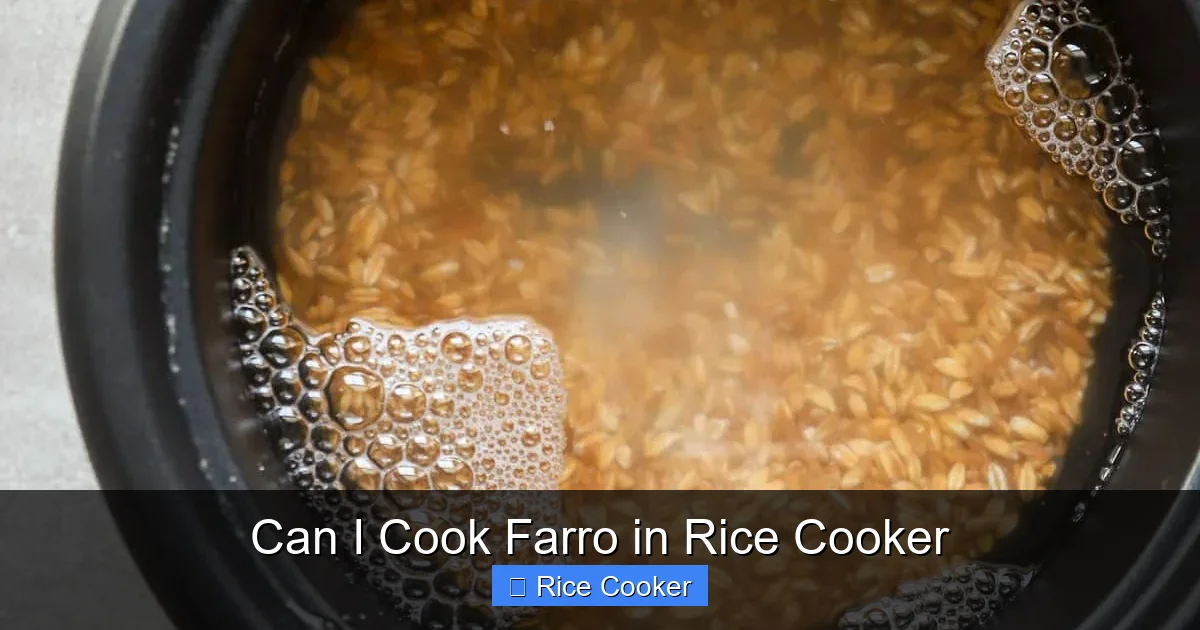
Visual guide about Can I Cook Farro in Rice Cooker
Image source: aredspatula.com
Do I need to soak farro before cooking in a rice cooker?
Not required, but soaking reduces cooking time and improves digestibility—especially for whole grain farro.
Can I cook farro in a pressure cooker or Instant Pot?
Yes! Use the same 2:1 ratio and set the pressure cooker to high for 20–25 minutes after it reaches pressure.
Is farro gluten-free?
No, farro contains gluten. Those with celiac disease or gluten sensitivity should avoid it.
How long does cooked farro last in the fridge?
Cooked farro stays fresh in the refrigerator for up to 5 days when stored in an airtight container.
Can I cook farro directly from frozen?
It’s not recommended. Frozen farro can disrupt the cooking process and lead to uneven results. Always use fresh or thawed farro.
Conclusion: Make Farro a Regular Part of Your Meals
Cooking farro in a rice cooker is not only possible—it’s one of the simplest and most reliable ways to enjoy this ancient grain. With just a few adjustments to your usual routine, you can transform plain farro into a flavorful, nutrient-dense staple for salads, soups, bowls, and more. Whether you choose pearled for speed or whole grain for maximum nutrition, your rice cooker is ready to help.
The beauty of this method lies in its consistency and convenience. No more watching the pot, stirring constantly, or worrying about burning. Just measure, add liquid, press a button, and come back to perfectly cooked farro every single time.
So go ahead—grab that bag of farro from your pantry and give it a try. Once you taste how wonderfully chewy and aromatic it is, you’ll wonder why you waited so long. Your future self will thank you with every delicious, wholesome meal.
Frequently Asked Questions
What is can i cook farro in rice cooker?
can i cook farro in rice cooker is an important topic with many practical applications.