

Reheating frozen cooked rice is not only safe but also a smart way to save time and reduce food waste. With the right techniques, you can restore your rice to its original texture and flavor using a microwave, stovetop, or even an air fryer. The key lies in adding moisture and heat evenly to prevent dryness and ensure food safety.
Key Takeaways
- Safety First: Reheating rice properly eliminates the risk of Bacillus cereus, a bacteria that can grow if rice is left at room temperature.
- Microwave Method: The quickest way to reheat frozen rice is in the microwave with a damp paper towel to retain moisture.
- Stovetop Revival: For better texture, reheat rice on the stove over low heat with a splash of water or broth.
- Avoid Overheating: Don’t reheat rice more than once—this increases bacterial growth and reduces quality.
- Portion Control: Thaw and reheat only what you plan to eat immediately to maintain freshness.
- Storage Matters: Always cool cooked rice quickly before freezing for best results.
- Flavor Boosters: Add soy sauce, sesame oil, or herbs during reheating to revive bland-tasting rice.
📑 Table of Contents
- Can You Reheat Frozen Cooked Rice?
- Why People Are Reluctant to Reheat Rice (And Why They Shouldn’t Be)
- How to Safely Freeze Cooked Rice for Later Use
- Best Ways to Reheat Frozen Cooked Rice
- Common Mistakes When Reheating Frozen Cooked Rice
- How to Revive Stale or Dry Reheated Rice
- Can You Reuse Reheated Rice?
- Tips for Perfect Reheated Rice Every Time
- Conclusion: Yes, You Can—and Should—Reheat Frozen Cooked Rice
Can You Reheat Frozen Cooked Rice?
You’ve just finished a delicious stir-fry, and there’s leftover rice. Instead of letting it go to waste, you pop it into the freezer. Weeks later, you reach for that bag of frozen rice and wonder: “Is it still safe? And will it taste good again?” The short answer? Yes—you absolutely can reheat frozen cooked rice. But how you do it makes all the difference.
Rice is one of those foods that many people hesitate to repurpose, thanks to outdated advice about reheating it multiple times. But science has evolved, and so have our kitchen habits. When stored and handled correctly, frozen rice is not only safe to reheat—it can actually be a convenient, eco-friendly way to enjoy meals without extra cooking time. Whether you’re meal prepping for the week or salvaging last night’s dinner, understanding how to reheat frozen cooked rice safely and effectively is a skill every home cook should master.
Why People Are Reluctant to Reheat Rice (And Why They Shouldn’t Be)
For years, there was a common warning among health professionals: “Don’t reheat rice more than once.” This caution stemmed from the bacterium Bacillus cereus, which can produce toxins when rice is left at room temperature after cooking. If rice sits out too long, these spores can multiply and survive normal reheating temperatures—potentially causing food poisoning.
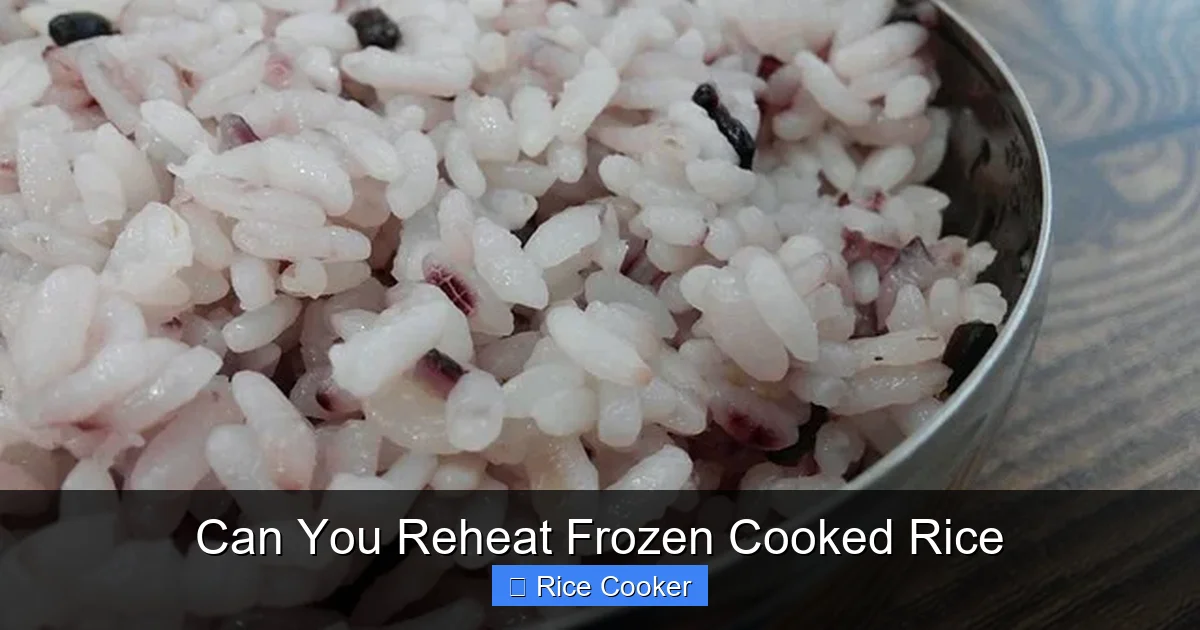
Visual guide about Can You Reheat Frozen Cooked Rice
Image source: foodsquestions.com
However, this doesn’t mean rice is dangerous to reheat. It means how you store it matters. If rice is cooled quickly and refrigerated or frozen within two hours of cooking, the risk of bacterial growth drops dramatically. Freezing, in particular, halts bacterial activity completely. So when you freeze cooked rice promptly, you’re actually preserving it—not inviting trouble.
The real danger comes not from reheating itself, but from improper storage. Leaving cooked rice out overnight, even if you plan to freeze it later, creates a high-risk environment for B. cereus. That’s why experts now emphasize speed and temperature control over blanket warnings against reheating.
How to Safely Freeze Cooked Rice for Later Use
Before you can reheat frozen cooked rice, you need to freeze it properly. Not all freezing methods are created equal, and poor preparation can lead to freezer burn or uneven texture when thawed.

Visual guide about Can You Reheat Frozen Cooked Rice
Image source: practicalcooks.com
Cooling Down Fast
After cooking, spread your rice out in a thin layer on a baking sheet or shallow dish. Let it cool uncovered for 15–20 minutes. This step, known as flash cooling, prevents condensation inside the container and slows bacterial growth. Never put hot rice directly into an airtight container and into the freezer—the steam can raise internal fridge temperature and promote spoilage.
Portioning for Convenience
Divide the cooled rice into single-serving portions. Use freezer-safe containers or resealable bags labeled with the date. If using bags, squeeze out excess air before sealing to prevent freezer burn. A typical portion is about 1 cup of cooked rice, perfect for one meal.
Freezer Storage Tips
Store frozen rice at 0°F (-18°C) or below. Properly frozen rice can last up to 6 months without significant quality loss. Label each container with the date so you know how long it’s been stored. Avoid refreezing rice that has already been thawed and reheated—each cycle increases the risk of contamination.
Thawing Frozen Rice Safely
There are three main ways to thaw frozen rice: in the refrigerator overnight, in cold water (changing water every 30 minutes), or directly in the microwave or stovetop while reheating. The refrigerator method is safest for large quantities, but if you’re in a hurry, the cold-water or microwave approach works well for smaller portions.
Best Ways to Reheat Frozen Cooked Rice
Now for the fun part—bringing your rice back to life. Each method has its pros and cons, depending on your equipment, time, and desired outcome.
Method 1: Microwave (Fast & Easy)
The microwave is ideal for quick reheating, especially if you’re making a stir-fry or fried rice. Start by transferring the frozen rice to a microwave-safe bowl. Add 1–2 tablespoons of water or broth to a small piece of rice and cover the bowl with a damp paper towel or vented lid. This traps steam and prevents drying.
Heat on high in 30-second intervals, stirring between each cycle, until heated through (internal temperature should reach 165°F). Stirring helps distribute heat evenly. Avoid overheating—microwaves can make rice gummy or uneven.
Pro Tip: For fluffier results, let the rice sit for 1–2 minutes after heating. This allows residual heat to finish warming the center.
Method 2: Stovetop (Best Texture)
If you want your rice to regain its fluffy, separate grains, the stovetop is your best bet. Place frozen rice in a saucepan with 1–2 tablespoons of water, broth, or butter. Cover and heat over medium-low, stirring occasionally. As the rice thaws, it will absorb the liquid and become moist.
This method gives you more control over consistency. If the rice seems dry, add a bit more liquid. For added flavor, consider sautéing it with garlic, ginger, or soy sauce while reheating—perfect for Asian-inspired dishes.
Method 3: Air Fryer (Crispy Fried Rice)
Want crispy edges like restaurant-style fried rice? Try the air fryer. Toss frozen rice with a little oil and a pinch of salt. Spread it in a single layer in the basket (don’t overcrowd). Cook at 375°F for 5–7 minutes, shaking the basket halfway through.
This method is fantastic for repurposing day-old rice into a crunchy, flavorful dish. Just be careful not to let it burn—rice browns quickly in the air fryer.
Method 4: Oven (Batch Reheating)
Need to reheat a large batch? Preheat your oven to 350°F. Spread frozen rice on a baking sheet lined with parchment paper. Cover loosely with foil and heat for 10–15 minutes, flipping halfway through. Remove the foil during the last 3 minutes to help dry out any excess moisture.
This method works well for casseroles or rice bowls where you want even warming throughout.
Common Mistakes When Reheating Frozen Cooked Rice
Even with the right tools, mistakes happen. Here are the most common errors and how to avoid them.
- Not Adding Moisture: Frozen rice dries out quickly. Always add water, broth, or oil before reheating.
- Overcooking: Rice continues to cook after being removed from heat. Keep an eye on it to prevent mushiness.
- Using High Heat: High heat causes uneven warming and can scorch the bottom. Stick to low or medium settings.
- Reheating More Than Once: Each reheat cycle increases bacterial risk and degrades texture. Only reheat what you’ll eat immediately.
- Skipping Stirring: Microwaved rice heats unevenly. Stir frequently to ensure uniform warmth.
How to Revive Stale or Dry Reheated Rice
Sometimes, even with the best care, rice comes out dry or clumpy. Don’t toss it! Here are tricks to bring it back.
Add Steam
Place a damp paper towel over the rice in the microwave for 10 seconds. The steam softens dry grains without making them soggy.
Use a Rice Cooker
If you have a rice cooker, turn it to “Warm” mode and add a splash of water. Let it sit for 5 minutes. The built-in heating element gently rewarms the rice while adding moisture.
Fluff with Fork or Spoon
Gently fluff the rice with a fork or wooden spoon to break up clumps. This restores volume and lightness.
Season to Taste
Dry rice often lacks flavor. Add soy sauce, sesame oil, or herbs while reheating to mask dullness.
Can You Reuse Reheated Rice?
Short answer: No. Once rice has been heated to steaming hot and cooled, it enters the temperature danger zone again if left out. Reheating it a second time increases the risk of foodborne illness. Always treat reheated rice as a fresh meal—eat it within one hour of serving.
That said, if you have leftover just-reheated rice, you can cool it quickly and freeze it again—but only for immediate future use. Never refreeze rice that’s been sitting at room temperature for more than two hours.
Tips for Perfect Reheated Rice Every Time
Follow these simple guidelines to make reheating frozen cooked rice effortless and delicious.
- Measure Accurately: One cup of frozen rice usually needs 1–2 tbsp of liquid.
- Cover It Right: A damp paper towel or vented lid prevents drying and contains splatters.
- Stir Smart: Stir every 30 seconds in the microwave to avoid hot spots.
- Check Temperature: Use a food thermometer to confirm the rice reaches 165°F internally.
- Pair with Flavor: Add sauces, spices, or proteins while reheating to elevate bland rice.
Conclusion: Yes, You Can—and Should—Reheat Frozen Cooked Rice
Reheating frozen cooked rice isn’t just possible; it’s practical, sustainable, and safe—when done correctly. Thanks to modern food safety practices, we know that freezing rice shortly after cooking is one of the best ways to preserve its quality and safety. And with the right technique, you can enjoy perfectly textured, flavorful rice every time.
Whether you’re using a microwave for speed, the stovetop for control, or the air fryer for crunch, the key is moisture and gentle heat. Avoid common pitfalls like skipping liquid or overheating, and always prioritize single reheats to stay safe.
So next time you have leftover rice, don’t hesitate. Freeze it, then reheat it with confidence. Your taste buds—and your schedule—will thank you.
Frequently Asked Questions
Is it safe to reheat frozen cooked rice multiple times?
No, it’s not recommended. Each reheat increases the risk of bacterial growth and degrades texture. Always reheat only what you plan to eat immediately.
How long does frozen cooked rice last in the freezer?
Properly frozen rice can last up to 6 months in the freezer without significant quality loss.
Can I reheat frozen rice directly in the microwave without thawing?
Yes, you can microwave frozen rice directly. Add a little water and heat in short intervals to avoid uneven heating.
Why does my reheated rice taste bland?
Frozen rice loses flavor over time. Add soy sauce, sesame oil, herbs, or spices during reheating to boost taste.
What’s the best way to store cooked rice before freezing?
Cool rice quickly on a baking sheet for 15–20 minutes, then portion into containers and freeze within two hours of cooking.
Can I freeze rice that’s been left out overnight?
No. Rice left at room temperature for more than two hours should be discarded due to the risk of Bacillus cereus.