
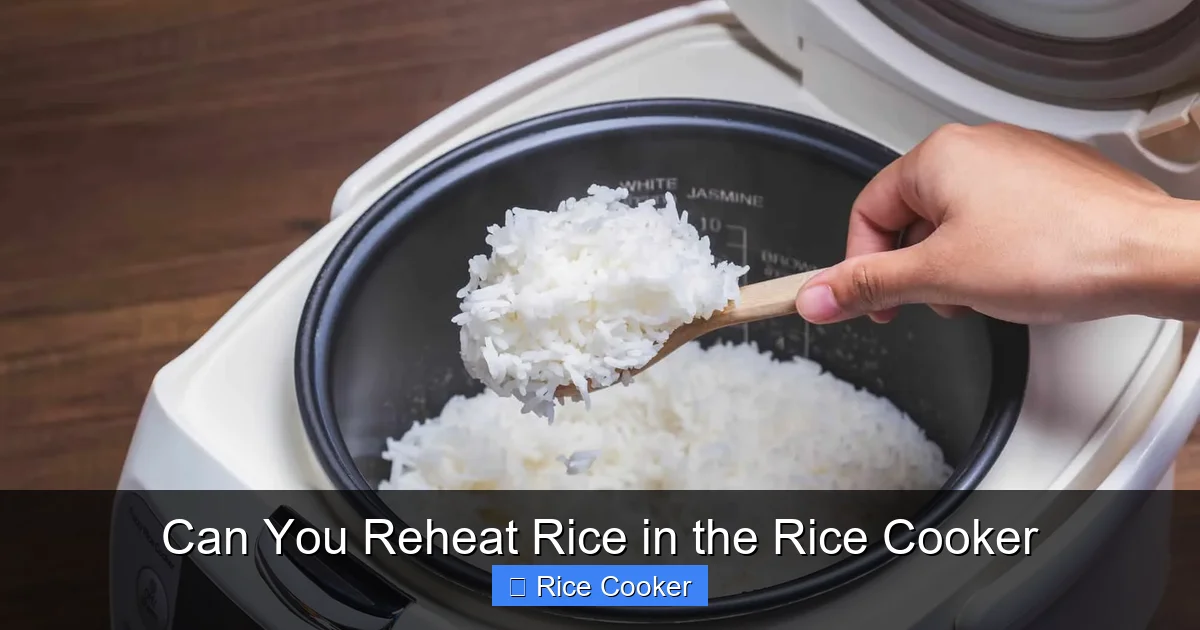
Reheating rice in a rice cooker is not only possible but also one of the easiest ways to restore leftover rice to its original texture. With the right technique—adding a splash of water and using the warm or steam function—you can revive day-old rice without a microwave. This method saves time, reduces cleanup, and often yields better results than other appliances.
Have you ever come home to a fridge full of leftover rice from last night’s dinner? Maybe you made too much stir-fry or cooked a big batch of jasmine rice for lunch prep. Instead of tossing it or risking a soggy microwave disaster, you might wonder: Can you reheat rice in the rice cooker? The short answer? Absolutely—and it might just become your new favorite kitchen hack.
Unlike microwaves that can leave some spots cold and others scorched, rice cookers are designed to distribute heat evenly across the entire cooking surface. This makes them ideal for gently reheating rice without burning or creating clumps. Whether you’re dealing with plain white rice, fragrant basmati, or even leftover fried rice, your rice cooker can bring it back to life with minimal effort. In this guide, we’ll walk you through everything you need to know—from safety tips to troubleshooting common issues—so you can confidently reheat rice every time.
Key Takeaways
- Yes, it’s safe: Reheating rice in a rice cooker is perfectly safe as long as the rice has been stored properly and heated to an internal temperature of 165°F (74°C).
- Best method: Use the “warm” or “steam” setting with a small amount of water to prevent drying out and help restore moisture.
- Texture matters: Old rice tends to be drier; adding liquid and covering the pot helps redistribute moisture evenly.
- Time control: Limit reheating to 10–15 minutes to avoid overcooking or turning rice into mush.
- Prevents bacterial growth: Quickly refrigerating leftovers and reheating thoroughly reduces the risk of foodborne illness.
- Works for most types: White rice, brown rice, and even fried rice can be reheated successfully with this method.
- Alternative uses: The rice cooker’s steam function can also be used to gently warm up other grains like quinoa or millet.
📑 Table of Contents
- Understanding Rice Cooker Functions
- How to Safely Reheat Rice in a Rice Cooker
- Tips for Perfectly Reheated Rice Every Time
- Common Mistakes to Avoid
- Reheating Different Types of Rice
- Alternatives to the Rice Cooker
- Environmental and Economic Benefits
- Frequently Asked Questions About Reheating Rice in the Rice Cooker
Understanding Rice Cooker Functions
Before diving into reheating techniques, let’s quickly go over what makes rice cookers special—especially when it comes to heat distribution and moisture control.
Most modern rice cookers have multiple settings beyond just “cook.” These include:
– Cook: The standard mode that boils water and cooks the rice from scratch.
– Warm: Maintains cooked rice at around 165°F (74°C) to keep it fresh after cooking.
– Steam: Uses vapor to gently reheat or cook foods without direct contact with boiling water.
– Quick Cook / Instant Heat: Speeds up the cooking process slightly.
For reheating, the warm and steam functions are your best friends. The warm setting keeps rice at a safe holding temperature, while the steam setting introduces gentle moisture—perfect for reviving dry leftovers.
Why Rice Cookers Are Great for Reheating
Rice cookers aren’t just for making perfect rice—they’re also excellent tools for warming up other grains, soups, and even vegetables. But why choose a rice cooker over a stovetop or microwave?
First, even heating. Microwaves tend to heat from the outside in, which can cause unevenness. A rice cooker heats uniformly thanks to its inner pot and thermal plate design. Second, moisture retention. When you reheat rice on the stove, it dries out fast. But a rice cooker traps steam, helping maintain that fluffy, non-gummy texture. Finally, convenience. No stirring required—just add water, press a button, and wait.
How to Safely Reheat Rice in a Rice Cooker
Safety should always come first when handling leftovers. Improperly stored or reheated rice can harbor bacteria like Bacillus cereus, which causes food poisoning. Follow these steps to reheat safely and effectively:
Step 1: Inspect Your Leftovers
Check if the rice smells off or shows signs of mold. If it does, discard it immediately. Properly stored rice should smell neutral and feel cool within two hours of cooking.
Step 2: Store Correctly
Refrigerate rice within two hours of cooking. Use an airtight container and consume within 3–4 days for best quality and safety.
Step 3: Add Moisture
Dry rice reheats poorly. Add about 1 tablespoon of water per cup of rice before reheating. Cover the pot loosely with a lid or foil to trap steam.
Step 4: Choose the Right Setting
Use the warm or steam function. Avoid the “cook” setting unless you’re confident the rice needs full rehydration (which rarely happens).
Step 5: Time It Right
Reheat for no more than 10–15 minutes. Overheating turns rice into a paste.
Step 6: Fluff Before Serving
Once done, let the rice sit covered for 2–3 minutes. Then fluff with a fork to break up any clumps.
Tips for Perfectly Reheated Rice Every Time
Even with the right technique, getting great results takes practice. Here are pro-level tips to elevate your reheating game:
Use Room-Temperature Rice
Cold rice from the fridge holds moisture differently than freshly cooked rice. Let it sit at room temperature for 10–15 minutes before reheating to ensure even heat absorption.
Don’t Overfill the Pot
Leave at least an inch of space between the top of the rice and the rim. This allows steam to circulate and prevents spills.
Fluff Midway Through
If your rice cooker doesn’t have a timer, pause halfway through and fluff gently. This redistributes heat and moisture.
Try the Oatmeal Method for Extra Softness
For especially dry rice, mix in a pinch of butter or oil while reheating. It helps restore creaminess without making the rice greasy.
Avoid the “Cook” Setting Unless Necessary
The cook cycle brings rice to a rolling boil, which can overcook already-cooked grains. Stick to warm or steam unless you’re unsure whether the rice was fully reheated previously.
Experiment with Flavors
Add a dash of soy sauce, sesame oil, or herbs during reheating to refresh the taste of plain white rice.
Common Mistakes to Avoid
Despite its simplicity, reheating rice in a rice cooker isn’t foolproof. Watch out for these common pitfalls:
Skipping the Water
Dry rice = sad rice. Always add a bit of liquid before reheating.
Using the Wrong Setting
Using the “cook” mode on old rice leads to mushiness or burnt edges.
Not Covering the Rice
Without a lid, steam escapes, drying out the rice instead of softening it.
Reheating Too Long
More time doesn’t mean better—it means mushier. Stick to 10–15 minutes max.
Ignoring Texture Differences Between Grains
Brown rice absorbs less water than white rice. Adjust water amounts accordingly (brown rice may need slightly more).
Reheating Different Types of Rice
Not all rice is created equal—and neither are their reheating needs.
White Rice
This is the easiest type to reheat. It holds texture well and responds beautifully to the warm/steam cycle. Just add water and cover.
Brown Rice
Slightly denser and chewier, brown rice benefits from extra water (about 1.5 tablespoons per cup). You may need to reheat longer—up to 20 minutes—but monitor closely to avoid dryness.
Basmati & Jasmine Rice
These aromatic varieties retain their fragrance better when reheated gently. Use the steam function and avoid high heat.
Fried Rice
Great news: fried rice reheats wonderfully in a rice cooker! Add a splash of water and a teaspoon of oil to revive the wok hei flavor. Be careful not to overheat—fried rice can dry out faster than plain rice.
Sushi Rice
Because it’s sticky, sushi rice can become gummy if reheated improperly. Add a little vinegar-water mixture (1:1 ratio) and use low heat.
Alternatives to the Rice Cooker
While the rice cooker is convenient, it’s not the only option. Here’s how other methods compare:
Microwave
Fast and easy, but often results in uneven heating. To improve microwaved rice, place it in a bowl, cover with damp paper towel, and heat in 30-second intervals.
Stovetop
Place rice in a saucepan with a splash of water, cover, and simmer on low heat. Stir occasionally for best results.
Oven
Spread rice on a baking sheet, sprinkle with water, and warm at 300°F (150°C) for 10–15 minutes. Best for large batches.
Each method has pros and cons, but the rice cooker strikes the best balance between speed, safety, and texture.
Environmental and Economic Benefits
Beyond convenience, reheating rice in a rice cooker offers real-world advantages:
– Saves energy: Rice cookers use less power than ovens or stovetops.
– Reduces waste: Using leftovers cuts down on food scraps.
– Consistent quality: Fewer chances of overcooking or burning compared to manual methods.
In a world where sustainability matters, choosing efficient appliances like rice cookers supports both your wallet and the planet.
Frequently Asked Questions About Reheating Rice in the Rice Cooker
Is it safe to reheat rice in a rice cooker?
Yes, it’s completely safe as long as the rice is stored properly in the refrigerator and reheated to an internal temperature of 165°F (74°C). The warm or steam function ensures thorough reheating without burning.
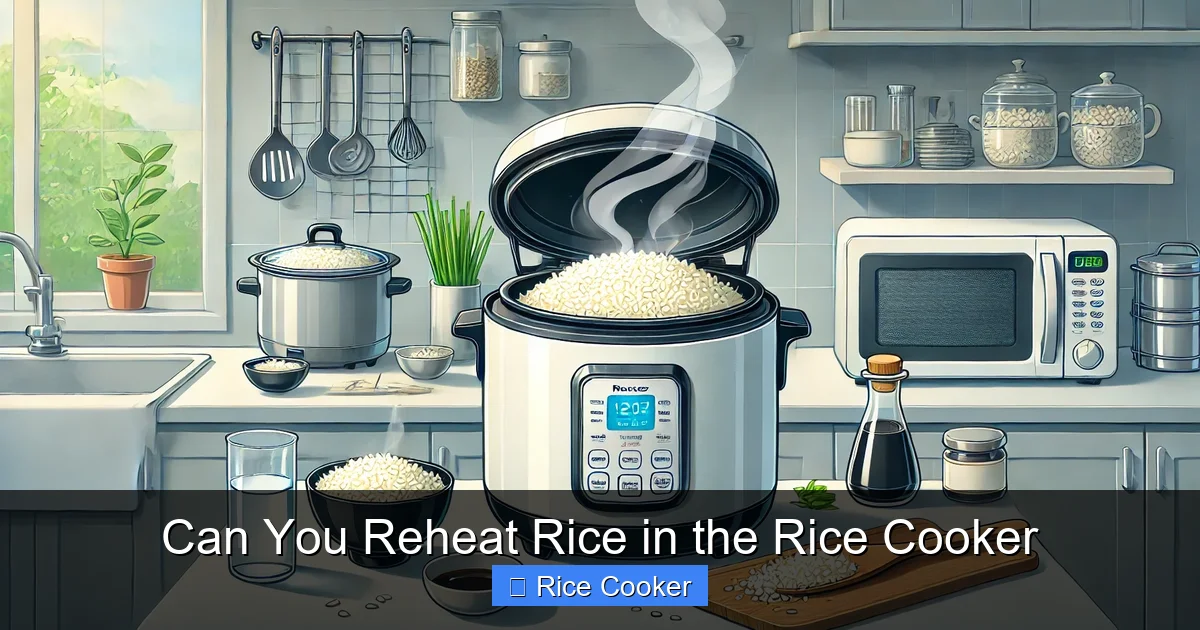
Visual guide about Can You Reheat Rice in the Rice Cooker
Image source: expertreviewsbestricecooker.com
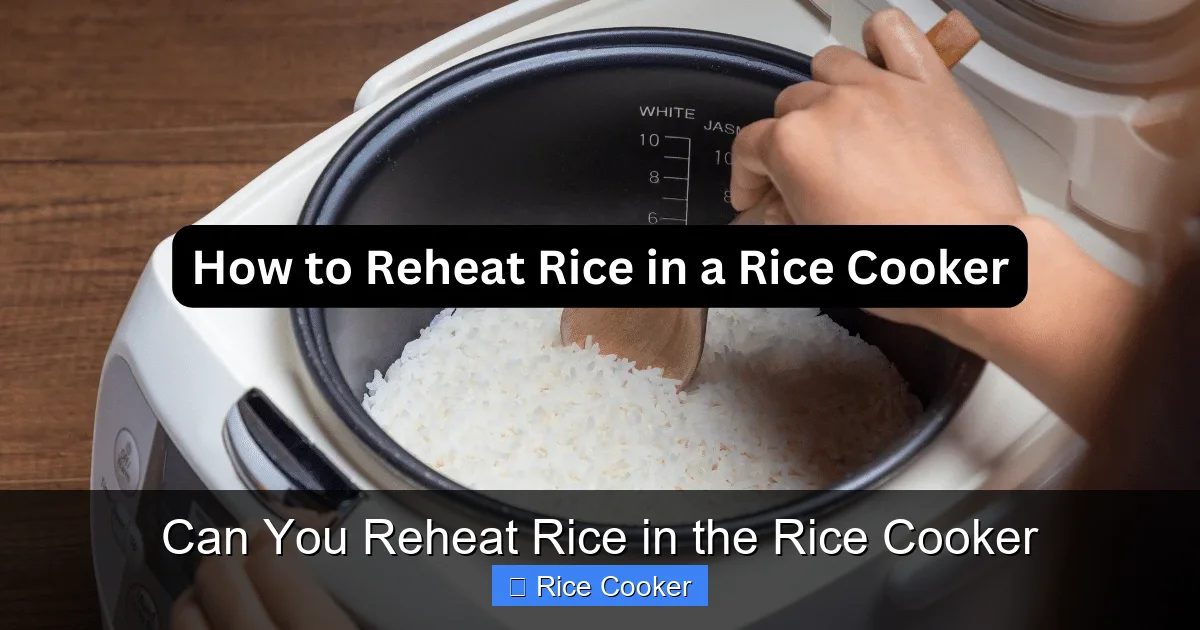
Visual guide about Can You Reheat Rice in the Rice Cooker
Image source: kitchenclerk.com
How much water should I add when reheating rice?
Add about 1 tablespoon of water per cup of rice. For drier or older rice, increase slightly—up to 2 tablespoons. Cover the pot to trap steam and prevent drying.
Can I reheat frozen rice in the rice cooker?
Yes, but thaw it first by leaving it in the fridge overnight or letting it sit at room temperature for 30–60 minutes. Then proceed with the usual reheating method.
Will the rice cooker burn my rice?
Only if you use the wrong setting (like “cook”) or don’t cover it. Stick to warm or steam, and never leave it unattended for too long.
Can I reheat rice directly in the cooking pot?
Absolutely! Most rice cookers allow you to reheat rice in the same non-stick inner pot used for cooking. Just make sure it’s clean and dry before adding rice and water.
Does reheating destroy nutrients in rice?
Nutrients aren’t significantly lost during reheating—especially compared to cooking. The main concern is food safety, not nutrition. As long as you follow proper storage and reheating guidelines, your rice remains healthy.
Frequently Asked Questions
Is it safe to reheat rice in a rice cooker?
Yes, it’s completely safe as long as the rice is stored properly in the refrigerator and reheated to an internal temperature of 165°F (74°C). The warm or steam function ensures thorough reheating without burning.
How much water should I add when reheating rice?
Add about 1 tablespoon of water per cup of rice. For drier or older rice, increase slightly—up to 2 tablespoons. Cover the pot to trap steam and prevent drying.
Can I reheat frozen rice in the rice cooker?
Yes, but thaw it first by leaving it in the fridge overnight or letting it sit at room temperature for 30–60 minutes. Then proceed with the usual reheating method.
Will the rice cooker burn my rice?
Only if you use the wrong setting (like “cook”) or don’t cover it. Stick to warm or steam, and never leave it unattended for too long.
Can I reheat rice directly in the cooking pot?
Absolutely! Most rice cookers allow you to reheat rice in the same non-stick inner pot used for cooking. Just make sure it’s clean and dry before adding rice and water.
Does reheating destroy nutrients in rice?
Nutrients aren’t significantly lost during reheating—especially compared to cooking. The main concern is food safety, not nutrition. As long as you follow proper storage and reheating guidelines, your rice remains healthy.