

Absolutely! While most people only think of rice when they hear “rice cooker,” these handy kitchen appliances are incredibly versatile. From steaming vegetables to baking cakes and even making yogurt, a rice cooker can do so much more than cook grains. With the right ingredients and techniques, you can prepare a wide variety of dishes—healthy, tasty, and easy to make. Unlocking your rice cooker’s potential saves time, energy, and opens up a world of creative cooking.
Key Takeaways
- Versatility: A rice cooker isn’t just for rice. It can steam, boil, sauté, and even bake simple dishes.
- Healthy Cooking: Use it to prepare whole grains, legumes, soups, and stews without added fats.
- Time-Saving: Set it and forget it—ideal for busy schedules or meal prep.
- Energy Efficient: Rice cookers use less electricity than ovens or stovetops for many tasks.
- Easy Cleanup: Most models have non-stick inner pots that are dishwasher-safe.
- Safety First: Always follow manufacturer instructions to avoid overheating or electrical issues.
- Cooking Hacks: Layer ingredients, use the delay timer, and experiment with spices to enhance flavor.
📑 Table of Contents
- Can I Cook Food in Rice Cooker?
- Understanding How a Rice Cooker Works
- Cooking Grains and Legumes in Your Rice Cooker
- Steaming Vegetables and Proteins
- Making Soups, Stews, and One-Pot Meals
- Baking Simple Desserts and Snacks
- Using Special Functions Wisely
- Tips for Success: Avoid Common Mistakes
- Cleaning and Maintenance Tips
- Conclusion: Your Rice Cooker Is More Than Just a Rice Maker
Can I Cook Food in Rice Cooker?
Let’s be honest—most of us bought our rice cookers thinking they were just for making fluffy white rice. And hey, that works great! But what if I told you that your humble rice cooker is actually a multitasking kitchen superhero? Yes, you read that right. Beyond fluffy grains, your rice cooker can handle everything from tender beans to creamy risottos, steamed veggies, even cake! The secret lies in understanding how the appliance works and getting creative with your ingredients.
In this article, we’ll explore the surprising versatility of rice cookers, show you how to use them for different types of food, share practical recipes, and give you pro tips to get the best results every time. Whether you’re a beginner or a seasoned home cook looking to simplify your routine, this guide will help you unlock the full potential of your rice cooker. Let’s dive in!
Understanding How a Rice Cooker Works
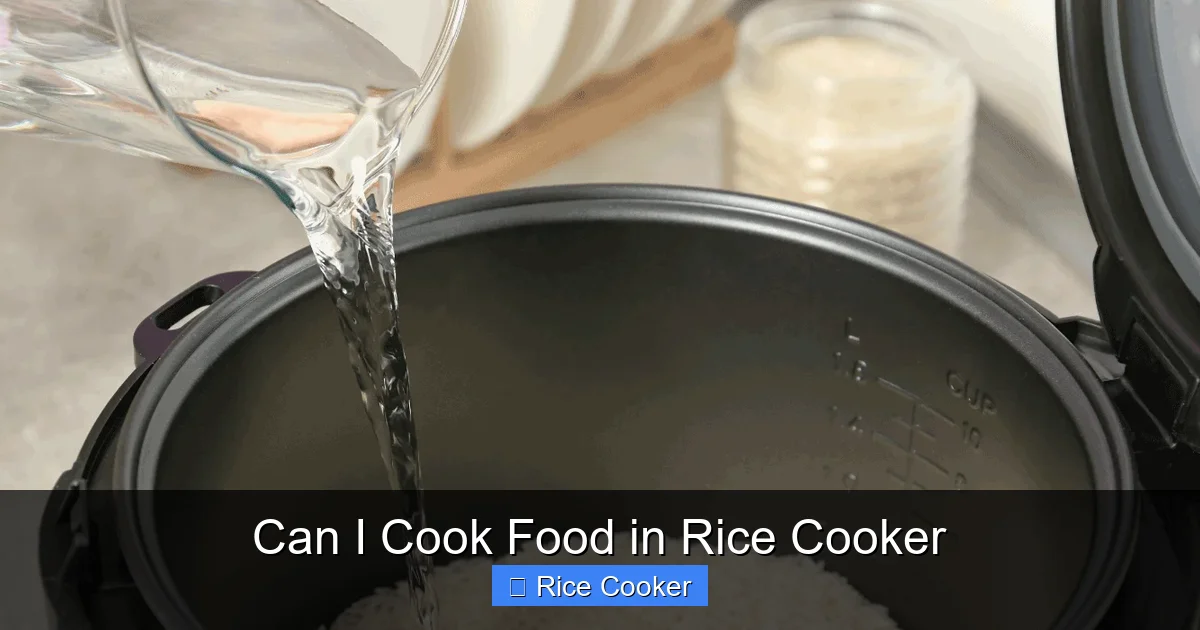
Before we start cooking up new recipes, it’s important to know what makes a rice cooker tick. Most modern rice cookers operate using an internal thermostat and heating element. When you add water and ingredients, the heat causes the water to evaporate or be absorbed by the food. Once the moisture is gone, the temperature rises above a certain point, triggering the thermostat to turn off the heating element. This cycle repeats until the cooking process is complete.
Visual guide about Can I Cook Food in Rice Cooker
Image source: expertreviewsbestricecooker.com
This mechanism isn’t limited to rice alone. Because the cooker maintains consistent temperatures and monitors moisture levels, it can safely cook a wide range of foods—grains, legumes, vegetables, proteins, and even desserts. Some advanced models even include features like slow cooking, steaming, or programmable timers, further expanding their usefulness.
The Science Behind Multi-Cooking
When you cook rice, the starch in the grain absorbs water and gelatinizes, creating that soft texture we love. But other foods also respond well to this controlled hydration process. For example, quinoa, barley, and lentils all benefit from being cooked in liquid until fully absorbed—just like rice. In fact, many traditional cuisines around the world use similar methods: pilafs, biryanis, and risotto all rely on moist-heat cooking.
By treating your rice cooker as a precision cooker rather than just a rice maker, you can replicate these techniques at home with minimal effort. Plus, the automatic shut-off feature means you don’t have to babysit the pot or worry about burning your meal.
Cooking Grains and Legumes in Your Rice Cooker
If you already use your rice cooker for rice, you’re halfway there. But did you know you can cook dozens of other grains and legumes with equally great results? These staple foods not only add nutrition but also create hearty, satisfying meals with minimal cleanup.
How to Cook Different Types of Rice
Brown rice, jasmine, basmati, wild rice—each has its own texture and water ratio. Here’s a quick guide:
- White Rice: 1 cup rice : 1.5 cups water
- Brown Rice: 1 cup rice : 2 cups water (may need longer soak)
- Jasmine/Basmati: Rinse before cooking; use 1:1.5 ratio
- Wild Rice: Soak overnight; use 1:3 water ratio
Tip: Always rinse sticky or aromatic rices to remove excess starch and prevent clumping.
Cooking Beans and Lentils
Lentils, chickpeas, black beans—these all work beautifully in a rice cooker. Simply combine dry beans with 3–4 times their volume in water (plus salt), set to “cook” or “manual,” and let it do its thing. For faster results, use pre-soaked or canned beans (drain and rinse first).
Pro Tip: Add a bay leaf or two during cooking for extra flavor without extra effort.
Quinoa and Ancient Grains
Quinoa cooks quickly—about 18 minutes—and takes only slightly more water than white rice. Amaranth, farro, and teff also thrive in a rice cooker. Just remember to rinse quinoa thoroughly to remove saponins, which can taste bitter.
Steaming Vegetables and Proteins
One of the most underrated functions of a rice cooker is its ability to steam food. Many models come with a dedicated steaming tray that sits above the cooking basin. This allows you to cook grains below while vegetables or fish steam gently above—all in one pot!
Steamed Broccoli and Carrots
Cut into bite-sized florets, toss broccoli with a splash of olive oil and garlic powder, place in the steamer basket, and run the “steam” or “manual” function for 8–10 minutes. You’ll end up with bright green, crisp-tender veggies that hold their nutrients better than boiling.
Baking Fish or Chicken
Place seasoned chicken thighs or fish fillets in the steamer tray, cover with foil, and steam for 12–15 minutes depending on thickness. The gentle heat keeps proteins moist and flavorful—no oven required!
Hard-Boiled Eggs
Yes, really! Place eggs directly into the inner pot (no water needed if your model allows dry heat). Set timer for 12–15 minutes. Let cool in ice bath before peeling. Perfect for salads or snacks.
Making Soups, Stews, and One-Pot Meals
While traditional soups require constant stirring and monitoring, many rice cooker models now support soup settings or high-temperature modes. You can make rich, comforting stews without lifting a finger.
Hearty Lentil Soup
Combine chopped onions, carrots, celery, dried lentils, vegetable broth, and herbs. Set to “soup” mode or manual high heat for 60–90 minutes. Thicken naturally or blend half for creaminess.
Risotto Without Stirring
Toast Arborio rice briefly in a bit of butter, then add warm broth gradually as the cooker absorbs it slowly. Stir once halfway through. Within 20 minutes, you’ll have restaurant-quality risotto.
Vegetable Biryani
Layer parboiled rice, mixed vegetables (potatoes, peas, cauliflower), spices (cumin, cardamom, saffron), and coconut milk. Steam on medium heat until rice is done—fragrant and colorful!
Baking Simple Desserts and Snacks
Who knew your rice cooker could make dessert? With the right ingredients and timing, you can whip up cakes, puddings, and even cookies—all without turning on the oven.
Chocolate Mug Cake Adapted for Rice Cooker
Mix 1/4 cup flour, 2 tbsp sugar, 1 tbsp cocoa, 1/4 tsp baking soda, pinch of salt, and 3 tbsp milk. Pour into greased inner pot. Cook on “cake” or manual low setting for 20–25 minutes. Top with vanilla ice cream.
Creamy Rice Pudding
Combine 1 cup cooked rice, 2 cups milk, 2 tbsp sugar, cinnamon stick, and raisins. Cook on “porridge” or manual low for 45 minutes, stirring occasionally. Serve warm with a drizzle of honey.
Banana Oat Muffin-Like Treats
Mash 2 ripe bananas, mix with 1/2 cup oats, 1 egg, 1 tsp vanilla, and a pinch of baking powder. Spoon into greased mold or bowl. Cook on low for 30 minutes. Easy, healthy, and delicious!
Using Special Functions Wisely
Modern rice cookers often include multiple settings beyond basic “white rice” or “brown rice.” Learning how to use these can open up new culinary possibilities.
Slow Cook Mode
Ideal for chili, pulled pork, or curries. Just brown meat first (optional), add liquids and spices, then select slow cook. Let it simmer for hours while you relax.
Keep Warm Function
Great for keeping meals at serving temperature until guests arrive. Avoid leaving food on warm mode for more than 10–12 hours, though—it’s not designed for long-term storage.
Delay Timer
Set breakfast oats to finish cooking while you sleep, or have dinner ready exactly when you walk in the door. Perfect for meal prepping!
Tips for Success: Avoid Common Mistakes
Even with all these options, things don’t always go smoothly. Here are some common pitfalls and how to fix them.
- Overfilling: Never exceed the max water line. Too much liquid leads to mushy food or overflow.
- Skipping the Soak: Brown rice and legumes benefit from soaking—cut cooking time and improve digestibility.
- Not Venting Steam: Cover lids loosely to allow steam escape unless recipe calls for sealed environment.
- Ignoring the Non-Stick Coating: Use wooden or silicone utensils to preserve the coating.
- Assuming All Models Are Equal: Check your manual—not all cookers support steaming or soup modes.
Cleaning and Maintenance Tips
Keeping your rice cooker clean ensures longevity and prevents off-flavors. Most parts are removable and dishwasher-safe, but always check the manufacturer’s guidelines.
- Unplug before cleaning.
- Wipe exterior with damp cloth.
- Remove inner pot, lid, and steamer basket. Wash with mild soap and warm water.
- For burnt residue, fill with equal parts water and vinegar, run a cycle, then scrub gently.
- Store with lid slightly ajar to prevent moisture buildup.
Conclusion: Your Rice Cooker Is More Than Just a Rice Maker
So, can you cook food in a rice cooker? Absolutely—and you should! This unassuming kitchen appliance is capable of preparing an astonishing variety of dishes, from nutritious grains and steamed vegetables to rich desserts and hearty stews. By understanding its capabilities and experimenting with different recipes, you can transform your mealtimes into something both efficient and exciting.
Whether you’re feeding a family, meal-prepping for the week, or just looking to reduce clutter in your kitchen, the rice cooker deserves a spot in your rotation. It’s affordable, easy to use, and surprisingly powerful. So next time you reach for the instant pot or oven, remember: your rice cooker might just be the perfect tool for the job.
Go ahead—unlock that hidden potential. Your taste buds (and your schedule) will thank you.
Frequently Asked Questions
Can I cook pasta in a rice cooker?
Yes! Add pasta and twice as much water as usual, plus a pinch of salt. Cook on high until water is absorbed—usually 8–12 minutes. Stir once halfway. Note: Pasta may be softer than traditional boiling since there’s no stirring.
Is it safe to leave food in the rice cooker overnight?
Most models have a keep-warm function, but food left too long can spoil. It’s best not to store perishable meals in the cooker for more than 2–3 hours. If using keep-warm, transfer food to a sealed container afterward.
Can I cook frozen meat in a rice cooker?
It’s possible, but not recommended. Frozen meat won’t cook evenly and may raise the internal temperature too much, triggering safety shut-offs. Thaw completely before adding to the cooker.
Do I need to add oil or butter when cooking grains?
No. Unlike stovetop cooking, rice cookers don’t require fat for grains or legumes. However, a little oil can improve texture and prevent sticking—especially for fried rice or pilafs.
Can I use my rice cooker to make yogurt?
Some advanced models have a yogurt setting. If yours doesn’t, you can still make yogurt by heating milk to 180°F, cooling it, adding starter culture, and placing the mixture in a sealed container inside the warm cooker with the lid closed. Keep for 6–12 hours.
What’s the difference between a rice cooker and a pressure cooker?
A rice cooker uses moist heat and automatic cycling, while a pressure cooker builds steam under pressure for faster cooking. They serve overlapping purposes but aren’t interchangeable. Many modern units combine both functions in one device.