
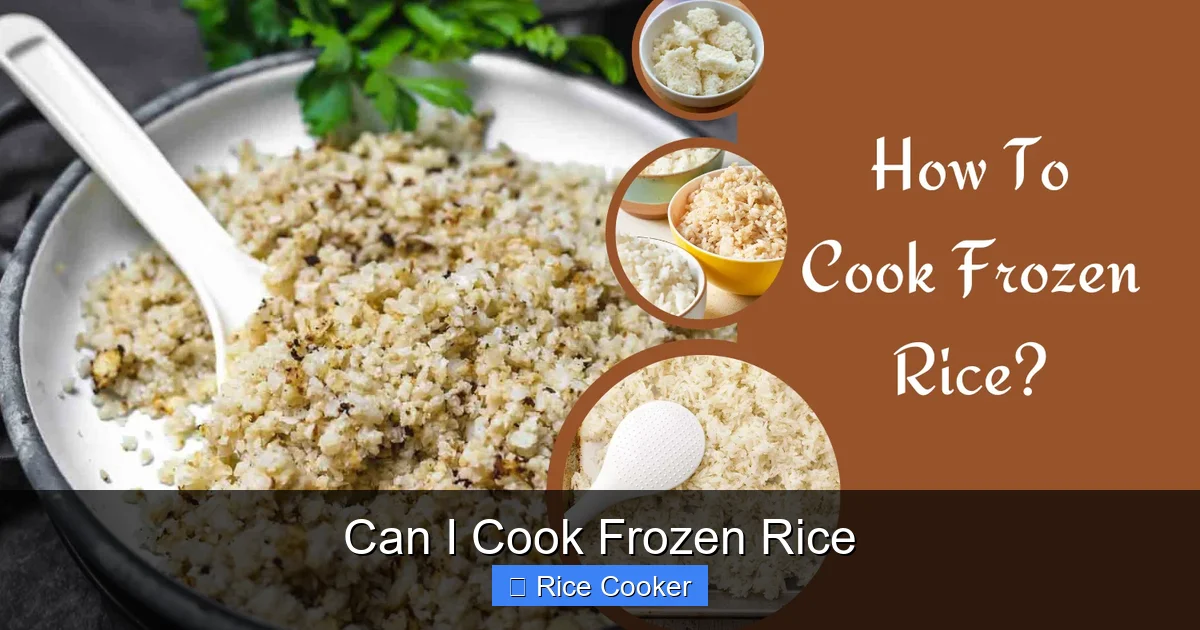
Can I cook frozen rice? Absolutely! Whether you’re reheating leftovers or cooking ahead, frozen rice works great in a rice cooker. The key is proper water ratio, gentle heating, and avoiding mushiness. With the right technique, you’ll get fluffy, restaurant-quality rice without the hassle. This guide walks you through every method, from stovetop to microwave, so you never have to worry about cold or soggy rice again.
Key Takeaways
- Yes, frozen rice cooks perfectly: Frozen rice can be cooked from scratch or reheated safely using a rice cooker or other methods.
- Water-to-rice ratio matters: Adjust liquid slightly when cooking frozen rice to prevent sogginess or dryness.
- Reheating is faster: Frozen rice reheats quickly in a rice cooker with added steam—no need to thaw first.
- Texture control is key: Stir occasionally and avoid overcooking to maintain fluffy grains.
- Safety first: Always ensure internal temperature reaches at least 165°F (74°C) when reheating.
- Best rice types work best: Long-grain white rice, jasmine, and basmati respond well to frozen cooking.
- Prevent sticking: Use a non-stick pot or add a splash of water or oil to the cooker before adding frozen rice.
📑 Table of Contents
- Can I Cook Frozen Rice? The Short Answer Is Yes!
- Understanding Frozen Rice: What Happens When Rice Freezes?
- Cooking Frozen Rice in a Rice Cooker: Step-by-Step Guide
- Alternative Methods for Cooking Frozen Rice
- Tips for Perfect Texture Every Time
- Troubleshooting Common Issues
- Health and Safety Considerations
- Creative Ways to Use Cooked Frozen Rice
- Conclusion: Yes, You Can Cook Frozen Rice—And Do It Well!
Can I Cook Frozen Rice? The Short Answer Is Yes!
You’ve probably found yourself staring into the freezer one evening, wondering, “Can I cook frozen rice?” Maybe you bought too much rice and froze the rest, or perhaps you’re just too busy to cook fresh. Either way, the good news is: **yes, you absolutely can cook frozen rice**, and doing so doesn’t mean sacrificing flavor or texture.
Frozen rice is not only safe to eat—it’s also incredibly convenient. Thanks to modern freezing techniques, most commercially frozen rice is flash-frozen soon after cooking, which locks in moisture and prevents freezer burn. When stored properly in an airtight container or freezer bag, frozen rice can last up to six months without losing quality.
But here’s the catch: cooking frozen rice isn’t as simple as tossing it into boiling water like fresh rice. Because it’s already partially cooked, the process requires a little more care. Too much water, too high heat, or prolonged cooking can lead to mushy, gummy results. On the flip side, too little heat or insufficient liquid can leave you with hard, undercooked clumps.
The secret lies in understanding how frozen rice behaves during reheating. Unlike raw rice that needs time to absorb water and expand, frozen rice has already absorbed moisture—so it just needs gentle reheating to restore its fluffy structure. That’s where your rice cooker shines. With its precise temperature control and automatic shut-off, it’s one of the best tools for bringing frozen rice back to life.
In this comprehensive guide, we’ll walk you through everything you need to know about cooking frozen rice—whether you’re starting from scratch or simply reheating a leftover meal. You’ll learn the science behind it, discover pro tips for perfect texture, explore alternative methods beyond the rice cooker, and even find out which types of rice work best when frozen. By the end, you’ll feel confident saying, “Yes, I can cook frozen rice—and do it well!”
Understanding Frozen Rice: What Happens When Rice Freezes?
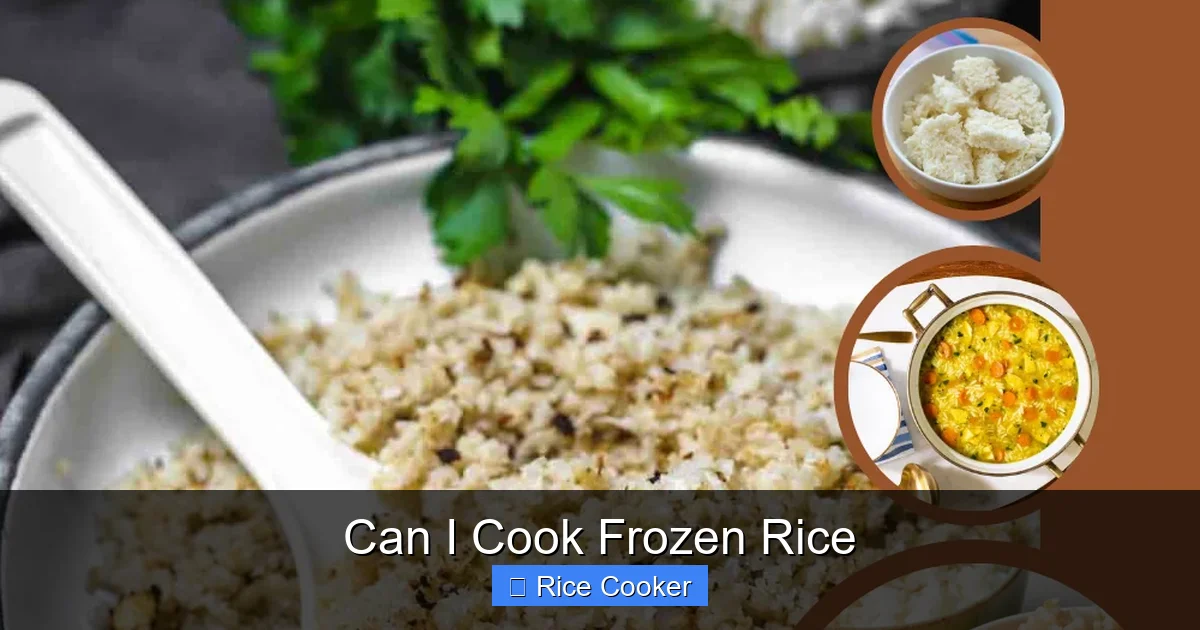
Visual guide about Can I Cook Frozen Rice
Image source: canyourefreeze.com
Before diving into the “how,” let’s talk about the “why.” Why does frozen rice behave differently than fresh or raw rice? The answer lies in the molecular changes that occur during cooking and freezing.
When rice is cooked, starch granules inside each grain absorb water and swell. This process is what gives rice its soft, chewy texture. But when that hot, wet rice is rapidly cooled and then frozen, those starch molecules begin to recrystallize. Recrystallization means the starch reforms into a more stable, crystalline structure—kind of like how ice forms in water.
This transformation is actually helpful for preservation because it slows down spoilage and maintains the rice’s shape. However, it also means that when you reheat frozen rice, the starch doesn’t re-absorb water as easily as it did initially. Instead, it tends to clump together unless you provide enough heat and moisture to break up those crystals.
That’s why simply microwaving frozen rice straight from the freezer often leads to uneven heating—some parts become rubbery while others remain cold in the center. A rice cooker, on the other hand, uses consistent, gentle heat and controlled steam release, which helps redistribute moisture evenly and gently rewarm the grains without overcooking them.
Another important factor is how the rice was originally prepared before freezing. If the rice was cooled completely after cooking and stored properly, it will retain much of its original texture. But if it was frozen while still warm or wet, moisture may have condensed during storage, leading to sogginess when reheated.
So, while frozen rice is perfectly safe and nutritious, its success depends heavily on how it was handled before freezing—and how you choose to cook it afterward.
Why People Freeze Rice in the First Place
There are several practical reasons why home cooks and restaurants alike turn to frozen rice:
- Meal prep efficiency: Cook large batches of rice on weekends and freeze portions for quick weekday meals.
- Waste reduction: Avoid throwing away leftover rice by storing it properly in the freezer.
- Consistency: Frozen rice ensures uniform texture and flavor across multiple servings.
- Convenience: No need to measure, rinse, or soak raw rice—just pop it in the cooker and go.
For example, imagine making fried rice for dinner. Instead of cooking fresh rice that day, you could prepare a double batch last night, cool it, portion it, and freeze it. Then tonight, toss the frozen rice into your wok with veggies and sauce—no extra steps needed.
Cooking Frozen Rice in a Rice Cooker: Step-by-Step Guide
Using a rice cooker to cook frozen rice is arguably the easiest and most reliable method. Here’s how to do it right:
What You’ll Need
- Frozen rice (thawed or straight from freezer)
- Rice cooker with steaming function
- Measuring cup
- Spoon or spatula
Step 1: Measure the Rice
Start by measuring the amount of frozen rice you want to cook. Keep in mind that frozen rice takes up less volume than fresh rice because moisture evaporates during storage. So, if you normally use 1 cup of raw rice per serving, you might only need ¾ cup of frozen rice for the same portion size.
Step 2: Add Water (Or Skip It?)
This is where many people get confused. Do you add water to frozen rice in a rice cooker?
The short answer: **usually yes—but not as much as you would for fresh rice.**
If your rice cooker has a “reheat” or “warm” setting, you can skip adding water altogether and just run the cycle to gently bring the rice back to serving temperature. This works well for small amounts (like one or two servings).
However, for larger quantities or if you want the rice to fluff up and separate nicely, add a small amount of water—about ¼ to ½ cup per 1 cup of frozen rice. The exact amount depends on how long the rice has been frozen and whether it was packed tightly.
Pro tip: If the rice looks dry or crumbly when you open the package, add a bit more water. If it’s already moist, skip the extra liquid to avoid mushiness.
Step 3: Stir Gently Before Cooking
Once you’ve added the rice (and optional water), give it a light stir with a fork or spoon. This breaks up any clumps caused by freezing and helps distribute heat evenly.
Avoid over-stirring—just enough to loosen the grains.
Step 4: Start the Rice Cooker
Place the inner pot into the rice cooker and close the lid. Select the “white rice” or “normal” setting. Some advanced models even have a “frozen food” mode designed specifically for reheating frozen meals—use that if available.
The cooker will automatically adjust timing based on the input. Most frozen rice takes about 10–15 minutes to fully reheat.
Step 5: Let It Rest
Once the cycle ends, let the rice sit for 5–10 minutes with the lid closed. This allows residual heat to finish warming the center and lets steam settle, resulting in more uniform texture.
Then fluff with a fork before serving.
Alternative Methods for Cooking Frozen Rice
While the rice cooker is ideal, you don’t always have one handy. Don’t worry—there are other ways to cook frozen rice successfully!
Stovetop Method
To cook frozen rice on the stove:
- Transfer frozen rice to a saucepan.
- Add water gradually—start with ¼ inch above the rice level.
- Bring to a boil over medium-high heat, then reduce to low.
- Cover and simmer for 10–15 minutes, stirring occasionally.
- Check for doneness; add more water if needed.
Tip: For better results, thaw the rice in the fridge overnight or use the defrost setting on your microwave for 1–2 minutes before cooking.
Microwave Method
Microwaving frozen rice works best if done in short intervals:
- Place rice in a microwave-safe dish.
- Cover with a damp paper towel or vented lid.
- Microwave on high for 2 minutes.
- Stir and check consistency.
- Repeat in 1-minute increments until heated through.
- Spray the basket or tray with oil to prevent sticking.
- Spread rice in a single layer.
- Air fry at 350°F (175°C) for 8–10 minutes, shaking halfway through.
- Let stand for 2 minutes before fluffing.
- Refrigerate leftovers within 2 hours of cooking.
- Reheat thoroughly to at least 165°F (74°C).
- Never refreeze rice that’s already been cooked and refrigerated.
- Smell and look before eating—if it smells sour or has mold, discard it.
Warning: Microwaved rice can easily become rubbery or dry. Use this method only for small portions or when other options aren’t available.
Air Fryer or Toaster Oven
Surprisingly, these appliances can also revive frozen rice:
This method adds a slight crispness—great for fried rice or rice salads!
Tips for Perfect Texture Every Time
Even with the right method, achieving fluffy, non-gummy rice takes practice. Here are expert-level tips to elevate your game:
Use the Right Rice Type
Not all rice is created equal when it comes to freezing. **Long-grain varieties like basmati, jasmine, and American long-grain hold up best** because they have lower starch content and resist clumping. Short-grain or sticky rice (like sushi or glutinous rice) tend to become overly tacky when frozen and reheated.
Avoid Overcrowding
Cook no more than 2–3 cups of frozen rice at once in a standard rice cooker. Too much rice limits steam circulation and leads to uneven heating.
Don’t Rush the Process
Resist the urge to crank up the heat. Gentle, sustained warmth is key to restoring texture without toughening the grains.
Store Properly After Thawing
If you plan to cook frozen rice within a few hours, let it come to room temperature slowly in the fridge. Never leave it sitting out at room temperature for more than 2 hours to prevent bacterial growth.
Add Flavor Boosters
Enhance taste by adding a teaspoon of butter, a pinch of salt, or a splash of soy sauce during the final minute of cooking.
Troubleshooting Common Issues
Even seasoned cooks run into problems now and then. Here’s how to fix them:
Problem: Rice is too dry or hard
Cause: Not enough water or insufficient cooking time.
Fix: Add 1–2 tablespoons of water, cover, and steam for 3–5 minutes. Repeat if needed.
Problem: Rice is mushy or gluey
Cause: Excess liquid or overcooking.
Fix: Spread rice on a baking sheet and toast in the oven at 300°F (150°C) for 10 minutes to evaporate moisture.
Problem: Uneven heating
Cause: Clumps blocking steam flow.
Fix: Break up clumps before cooking and stir midway through the cycle.
Problem: Off flavors or odors
Cause: Cross-contamination from freezer storage.
Fix: Store rice in labeled, airtight containers. Discard any rice with unusual smells.
Health and Safety Considerations
Cooking frozen rice isn’t just about taste—it’s also about safety. Leftover rice can harbor *Bacillus cereus*, a bacteria that produces toxins causing food poisoning. Freezing slows but doesn’t eliminate this risk, so always follow these guidelines:
When in doubt, throw it out. Better safe than sorry!
Creative Ways to Use Cooked Frozen Rice
Once you master cooking frozen rice, the culinary possibilities multiply:
Fried Rice
Sauté frozen rice with eggs, diced vegetables, and your favorite sauce. The pre-cooked grains separate beautifully and absorb flavors instantly.
Risotto
Slow-cook frozen rice with broth for creamy, comforting risotto. Stir constantly for 15–20 minutes until desired consistency.
Rice Bowls
Top with grilled chicken, steamed broccoli, and teriyaki glaze for a fast, healthy meal.
Desserts
Try sweet versions with cinnamon, raisins, and milk for rice pudding.
Snacks
Make rice cakes by pressing cooked rice into molds and pan-frying until crispy.
Conclusion: Yes, You Can Cook Frozen Rice—And Do It Well!
So, can you cook frozen rice? The answer is a resounding **yes**—and with the right techniques, you can enjoy restaurant-quality results at home, anytime. Whether you’re using a trusty rice cooker, stovetop, microwave, or even an air fryer, frozen rice offers unmatched convenience without compromising on taste or texture.
Remember: the key ingredients are patience, proper liquid ratios, and gentle heat. Avoid shortcuts that lead to mush or dryness, and always prioritize food safety. And don’t forget—freezing rice isn’t just about saving time; it’s a smart strategy for reducing waste and keeping your kitchen stocked with versatile staples.
Next time you reach for that bag of frozen rice, feel confident knowing you’ve got the knowledge to transform it into something delicious. Your future self (and your taste buds) will thank you!
Frequently Asked Questions
Can I cook frozen rice directly from the freezer in a rice cooker?
Yes, you can cook frozen rice straight from the freezer in a rice cooker. Just add a small amount of water (about ¼ cup per cup of frozen rice) and run the regular cooking cycle. Let it rest before fluffing.
How much water should I add when cooking frozen rice?
Add about ¼ to ½ cup of water per cup of frozen rice. Adjust based on texture—moist rice needs less water, while dry or crumbly rice may need more.
Is frozen rice safe to eat?
Yes, frozen rice is safe as long as it was stored properly in an airtight container and consumed within six months. Always reheat to at least 165°F (74°C) to kill potential bacteria.
Which type of rice works best for freezing?
Long-grain rice like basmati, jasmine, and American long-grain holds up best when frozen because they resist clumping and maintain fluffiness after reheating.
Can I make fried rice using frozen rice?
Absolutely! Frozen rice fries beautifully—just thaw slightly or cook briefly on the stovetop before stir-frying with eggs, vegetables, and sauce.
How do I prevent frozen rice from becoming mushy?
Avoid adding too much water and don’t overcook. Stir occasionally during reheating and let the rice rest covered after cooking to allow steam to distribute evenly.