
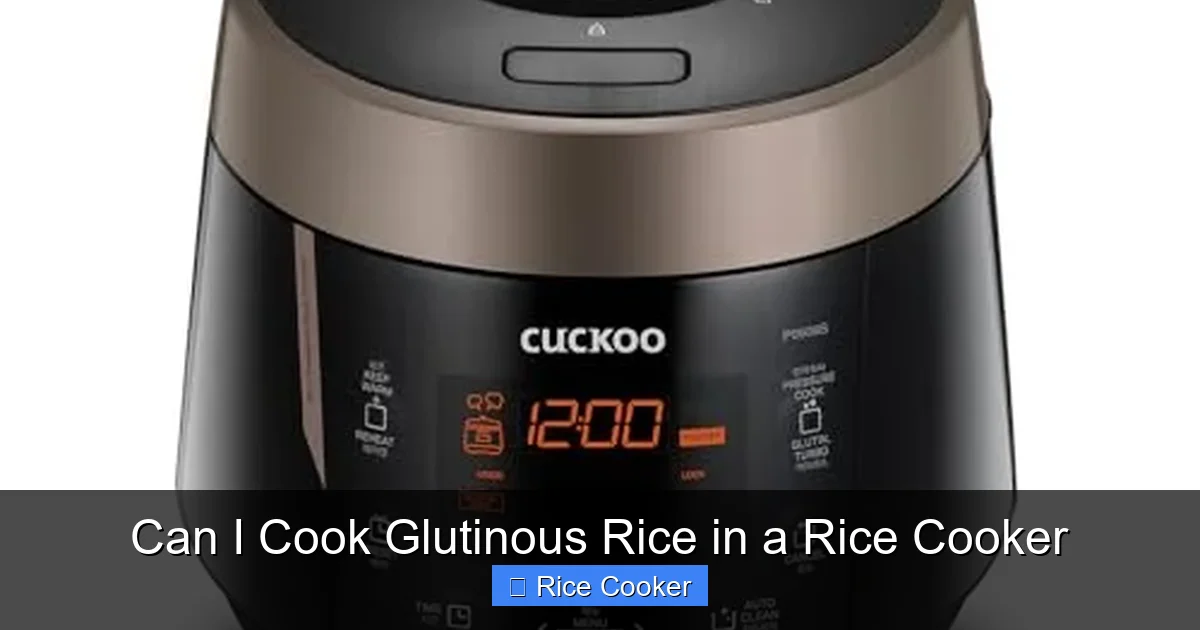
Can you cook glutinous rice in a rice cooker? Absolutely! With the right technique and water ratio, your rice cooker can produce tender, chewy, or sticky glutinous rice just like traditional methods. It’s simple, convenient, and yields consistent results every time. Whether you’re making mochi, rice balls, or sweet rice desserts, this guide walks you through everything you need to know.
Key Takeaways
- Glutinous rice works great in rice cookers: Modern rice cookers are versatile and can handle sticky grains with the right preparation.
- Proper rinsing is essential: Rinse until the water runs clear to remove excess starch and prevent mushiness.
- Water ratio matters: Use a 1:1.5 to 1:2 ratio (rice to water) depending on desired texture—more water for softer rice, less for chewier results.
- Soaking improves texture: Soak for at least 30 minutes (or overnight) to ensure even cooking and better stickiness.
- No special settings needed: Use the standard white rice or sticky rice setting if available; otherwise, manual mode works too.
- Cooking time varies by model: Some models take longer due to thicker grains—be patient and avoid opening the lid during cooking.
- Post-cooking care prevents sticking: Steam for 5–10 minutes after cooking, then fluff gently with a wooden spatula.
📑 Table of Contents
- Can You Cook Glutinous Rice in a Rice Cooker? Yes—Here’s How!
- Understanding Glutinous Rice: What Is It And Why Does It Matter?
- Choosing the Right Glutinous Rice for Your Recipe
- Do You Need to Soak Glutinous Rice Before Cooking?
- The Perfect Water Ratio for Glutinous Rice in a Rice Cooker
- Step-by-Step Guide: Cooking Glutinous Rice in a Rice Cooker
- Common Mistakes to Avoid When Cooking Glutinous Rice
- Creative Ways to Use Your Perfectly Cooked Glutinous Rice
- Maintenance Tips for Your Rice Cooker After Cooking Glutinous Rice
- Frequently Asked Questions (FAQs)
Can You Cook Glutinous Rice in a Rice Cooker? Yes—Here’s How!
You might be wondering: Can I cook glutinous rice in a rice cooker? The short answer is yes. In fact, using a rice cooker is one of the most convenient and foolproof ways to prepare glutinous rice at home. Unlike traditional steaming or boiling methods that require constant monitoring, a rice cooker does all the work automatically—ensuring consistent results every time.
But before we dive into the step-by-step process, let’s clarify what glutinous rice actually is. Despite its name, it doesn’t contain gluten. Instead, it’s high in amylopectin, a type of starch that gives it its signature chewy, sticky texture. This makes it perfect for dishes like mochi, arroz de leche (Filipino rice pudding), zongzi (Chinese sticky rice dumplings), and many regional Asian desserts and savory meals.
In this comprehensive guide, we’ll walk you through everything from choosing the right glutinous rice to mastering the ideal water ratio, soaking techniques, and post-cooking tips. By the end, you’ll feel confident cooking perfect glutinous rice in your rice cooker—whether you’re a beginner or an experienced cook.
Understanding Glutinous Rice: What Is It And Why Does It Matter?
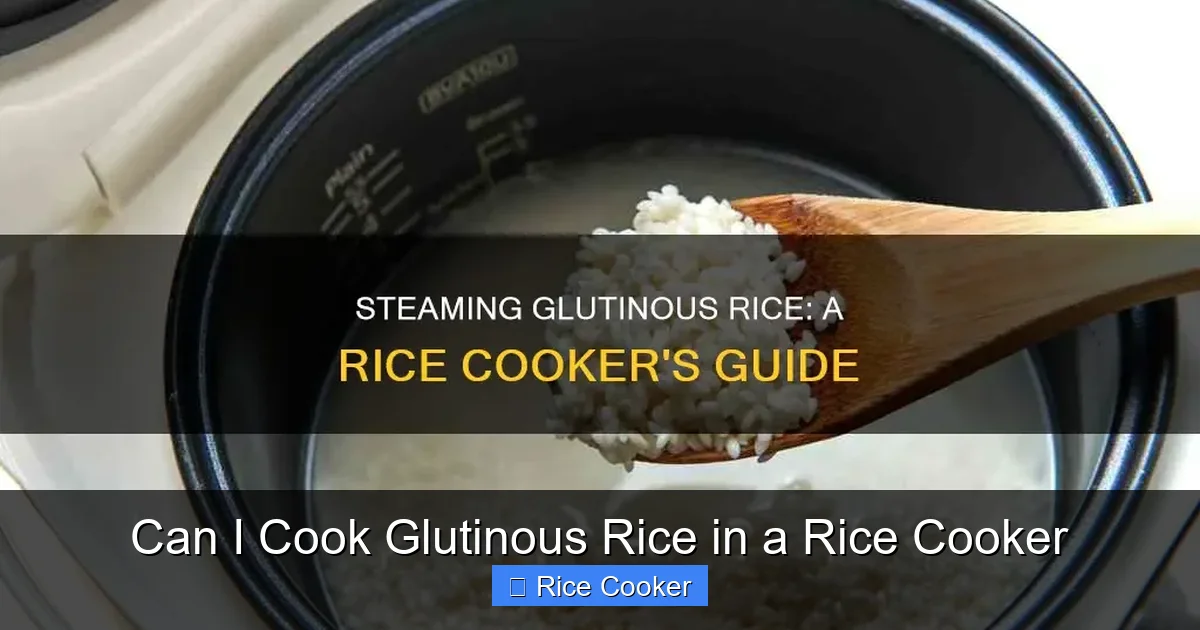
Before jumping into cooking methods, it’s important to understand why glutinous rice behaves differently than regular long-grain rice. While both are types of rice, their starches break down differently during cooking. Regular rice has more amylose, which creates separate grains when cooked. Glutinous rice, on the other hand, lacks amylose and is almost entirely composed of amylopectin—the same starch found in glutinous or sticky rice.
Visual guide about Can I Cook Glutinous Rice in a Rice Cooker
Image source: cycookery.com
This unique composition means that when glutinous rice absorbs water and heats up, the starches gelatinize and bind together, creating that characteristic sticky texture. Because of this, cooking glutinous rice requires slightly different handling than regular rice. For example, you don’t want to stir it while it’s cooking—doing so can break apart the grains and lead to a gummy mess. Also, overcooking can make it too soft or mushy, especially if too much water is used.
That said, modern rice cookers have evolved significantly. Many now feature multiple settings—including dedicated “sticky rice” or “glutinous rice” modes—that adjust temperature and timing specifically for these types of grains. Even if your model doesn’t have such a setting, you can still achieve excellent results using the standard white rice function or even manual settings.
Choosing the Right Glutinous Rice for Your Recipe
Not all glutinous rice is created equal. Depending on where you live, you may encounter several varieties. Here are the most common types and how they compare:
White vs. Brown Glutinous Rice
- White glutinous rice: Most commonly used in East and Southeast Asia. It cooks faster, has a mild flavor, and produces a clean, sweet taste ideal for desserts.
- Brown glutinous rice: Less processed, retaining its bran layer. It’s chewier, nuttier in flavor, and takes longer to cook. Great for health-conscious cooks but requires pre-soaking and extra water.
Short-Grain vs. Medium-Grain
- Short-grain: Typically found in Japanese mochigome (Japanese sticky rice). Very small grains that stick together beautifully—ideal for mochi.
- Medium-grain: Used in Chinese and Vietnamese dishes like zongzi and bánh chưng. Slightly larger than short-grain but still highly sticky.
Powdered vs. Whole Grain
Some brands sell powdered glutinous rice (like mochiko flour), which is ground into fine powder. This is used specifically for making mochi dough, not whole-grain rice dishes. If your recipe calls for whole rice, avoid powdered versions unless instructed otherwise.
For general use in a rice cooker, opt for **high-quality white glutinous rice** labeled as “sticky rice” or “sweet rice.” Always check the packaging for origin—many premium varieties come from Thailand, Vietnam, or Japan.
Do You Need to Soak Glutinous Rice Before Cooking?
This is one of the most debated topics among home cooks. Should you soak glutinous rice before cooking it in a rice cooker? The short answer: Yes—it makes a big difference.
Why Soaking Helps
Soaking allows the grains to absorb water gradually, which helps them cook evenly. Without soaking, some parts of the grain may remain undercooked while others become mushy. Soaking also activates the enzymes that break down starches, resulting in a smoother, more uniform texture.
How Long to Soak
- Quick soak: 30 minutes to 1 hour (good for quick recipes).
- Overnight soak: 8–12 hours (best for brown glutinous rice or when you want maximum tenderness).
- Brown glutinous rice: Must be soaked for at least 4–6 hours, preferably overnight.
How to Soak Properly
- Place rinsed glutinous rice in a bowl.
- Add cold water so it covers the rice by about 2 inches.
- Let sit at room temperature or refrigerate if soaking overnight.
- Drain thoroughly before adding to the rice cooker.
Note: Do not skip rinsing—even if you soak, always rinse first to remove surface starch and impurities.
The Perfect Water Ratio for Glutinous Rice in a Rice Cooker
One of the trickiest parts of cooking glutinous rice is getting the water right. Too little water = dry, hard rice. Too much = soggy, glue-like consistency. The key is balance.
General Guidelines
| Rice Type | Water Ratio (Rice : Water) | Texture Result |
|---|---|---|
| White glutinous rice (soaked) | 1 : 1.5 | Chewy & slightly firm |
| White glutinous rice (unsoaked) | 1 : 1.75 | Soft & cohesive |
| Brown glutinous rice | 1 : 2 | Very soft & tender |
Tips for Adjusting Texture
- For mochi-like chewiness: Use less water (1:1.25 ratio) and cook on the “sticky rice” setting if available.
- For porridge or dessert consistency: Increase water to 1:2.5 and add milk or sugar during cooking.
- Test early:** Start with less water and add more if needed after tasting.
Remember: Once the rice is cooked, it will continue absorbing moisture from residual steam. That’s why many experts recommend starting with slightly less water than expected.
Step-by-Step Guide: Cooking Glutinous Rice in a Rice Cooker
Now that you’ve chosen your rice, soaked it, and measured your water, here’s exactly how to cook glutinous rice in your rice cooker:
What You’ll Need
- 1 cup glutinous rice (white or brown)
- Appropriate amount of water (based on above ratios)
- Fine-mesh strainer
- Measuring cup
- Wooden spoon or rice paddle
Step 1: Rinse the Rice
Place the rice in a fine-mesh strainer and rinse under cold running water. Swirl gently with your fingers and drain. Repeat until the water runs clear. This removes excess starch and prevents clumping.
Step 2: Soak (If Not Already Done)
Submerge the rinsed rice in water for at least 30 minutes. For best results, soak overnight.
Step 3: Drain Thoroughly
After soaking, drain all excess water. Any leftover water on the surface can dilute flavors and affect texture.
Step 4: Add Rice and Water to Cooker
Add the drained rice and measured water to the inner pot of your rice cooker. Gently press down with your fingers to level the surface—this ensures even heating.
Step 5: Select the Right Setting
- Sticky rice mode: Best if your cooker has it (e.g., Zojirushi, Panasonic).
- White rice mode: Works well for most cases.
- Manual/cancel mode: Set timer for 45–60 minutes; avoid opening the lid.
Step 6: Let It Steam After Cooking
Once the cycle finishes, let the rice rest inside the cooker for **5–10 minutes**. This allows steam to redistribute moisture evenly. Then, gently fluff with a wooden spoon or chopsticks—never a metal utensil, which can scratch the pot.
Step 7: Serve or Store
Use immediately for steaming hot dishes. To store, cool completely, cover, and refrigerate for up to 5 days or freeze for up to 3 months. Reheat with a splash of water to restore moisture.
Common Mistakes to Avoid When Cooking Glutinous Rice
Even experienced cooks sometimes run into issues with glutinous rice. Here are the top mistakes and how to fix them:
Mistake 1: Not Rinsing Enough
Result: Starchy, cloudy water and overly sticky rice.
Fix: Rinse until water runs clear. Use a strainer to catch debris.
Mistake 2: Using Too Much Water
Result: Mushy, soupy rice that won’t hold shape.
Fix: Stick to recommended ratios. Start conservative and adjust next time.
Mistake 3: Skipping the Soak
Result: Uneven texture—some grains hard, others mushy.
Fix: Always soak, especially for brown rice or large batches.
Mistake 4: Stirring During Cooking
Result: Broken grains and loss of stickiness.
Fix: Never stir once the lid is closed. Just wait patiently.
Mistake 5: Opening the Lid Too Early
Result: Loss of heat and uneven cooking.
Fix: Let the cooker do its job. Resist temptation to peek!
Mistake 6: Using Metal Utensils to Fluff
Result: Scratching the non-stick coating.
Fix: Always use wood, bamboo, or silicone tools.
Creative Ways to Use Your Perfectly Cooked Glutinous Rice
Once you master basic cooking, the possibilities expand! Glutinous rice is incredibly versatile. Here are some delicious ideas:
Desserts
- Arroz de Leche: Simmer cooked rice with coconut milk, sugar, and vanilla until thickened.
- Mango Sticky Rice: Top with fresh mango slices and pour warm coconut sauce over.
- Sweet Rice Pudding: Mix with condensed milk, cinnamon, and raisins.
Snacks
- Rice Balls (Onigiri or Boondi): Shape into balls, wrap with nori or banana leaf, and pan-fry.
- Tempura Rice Balls: Dip in tempura batter and deep-fry until golden.
Main Dishes
- Zongzi: Wrap cooked rice with fillings (pork, dates, salted egg) in bamboo leaves and steam.
- Bánh Chưng: Square-shaped Vietnamese cake made with glutinous rice, mung beans, and pork.
- Rice Cakes (Tteok): Korean-style pancakes or grilled rice cakes served with savory or sweet toppings.
Breakfast Ideas
- Rice Porridge (Congee): Cook with chicken broth, ginger, and scallions for a comforting start.
- Sticky Rice Pancakes: Mix rice with eggs, green onions, and soy sauce; fry like omelets.
Experiment with spices, herbs, and sauces to customize your creations!
Maintenance Tips for Your Rice Cooker After Cooking Glutinous Rice
Glutinous rice tends to leave behind sticky residues—especially if not rinsed properly. Cleaning your rice cooker correctly ensures longevity and hygiene:
Immediate Cleaning
- Wait until the inner pot is cool enough to touch.
- Scrape off any stuck bits with a soft brush or spatula.
- Rinse with warm water—don’t use soap unless necessary (it can linger on food).
Deep Cleaning (Monthly)
- Remove the inner pot and wash with mild dish soap.
- Use a sponge or soft cloth—avoid abrasive scrubbers.
- Clean the exterior and lid with a damp cloth.
- Check the vent hole and steam release valve for blockages.
Storage Tips
- Always store dry—moisture promotes mold.
- Keep in a cool, dry place away from direct sunlight.
- Wipe down before storing to prevent odors.
Frequently Asked Questions (FAQs)
Can I cook glutinous rice without soaking it?
Yes, but it’s not recommended. Unsoaked rice may cook unevenly, leading to some grains being undercooked while others become mushy. Soaking ensures uniform texture and better digestibility.
Can I substitute glutinous rice flour for whole grain glutinous rice?
Only in specific recipes like mochi or dumpling wrappers. Whole grain rice provides bulk and structure, while flour alone won’t yield the same result. Use flour only when the recipe specifies it.
Is brown glutinous rice healthier than white?
Yes—brown glutinous rice retains its bran and germ, offering more fiber, vitamins, and minerals. However, it takes longer to cook and requires extra soaking and water.
Can I cook glutinous rice in an Instant Pot?
Absolutely! Use the “Steam” or “Manual” setting with the correct water ratio. Follow the same steps: rinse, soak, add water, and cook for 20–25 minutes on high pressure, then natural release.
How long does cooked glutinous rice last in the fridge?
Up to 5 days when stored in an airtight container. Always reheat with a bit of water or milk to restore moisture and prevent drying out.
Why is my glutinous rice too hard or undercooked?
This usually happens when there’s insufficient water or the rice wasn’t soaked. Try increasing the water ratio slightly and ensure full absorption during soaking.
Frequently Asked Questions
Can I cook glutinous rice without soaking it?
Yes, but it’s not recommended. Unsoaked rice may cook unevenly, leading to some grains being undercooked while others become mushy. Soaking ensures uniform texture and better digestibility.
Can I substitute glutinous rice flour for whole grain glutinous rice?
Only in specific recipes like mochi or dumpling wrappers. Whole grain rice provides bulk and structure, while flour alone won’t yield the same result. Use flour only when the recipe specifies it.
Is brown glutinous rice healthier than white?
Yes—brown glutinous rice retains its bran and germ, offering more fiber, vitamins, and minerals. However, it takes longer to cook and requires extra soaking and water.
Can I cook glutinous rice in an Instant Pot?
Absolutely! Use the “Steam” or “Manual” setting with the correct water ratio. Follow the same steps: rinse, soak, add water, and cook for 20–25 minutes on high pressure, then natural release.
How long does cooked glutinous rice last in the fridge?
Up to 5 days when stored in an airtight container. Always reheat with a bit of water or milk to restore moisture and prevent drying out.
Why is my glutinous rice too hard or undercooked?
This usually happens when there’s insufficient water or the rice wasn’t soaked. Try increasing the water ratio slightly and ensure full absorption during soaking.