
Can I cook in a rice cooker? Absolutely! While most people only use it for fluffy rice, modern rice cookers are surprisingly versatile appliances that can handle everything from soups and stews to desserts and even yogurt. With the right techniques and ingredients, your rice cooker becomes a multi-cooker that saves time, energy, and effort. Whether you’re meal prepping or whipping up a quick dinner, learning how to cook in a rice cooker unlocks a world of convenient, hands-off cooking.
Key Takeaways
- Rice cookers are versatile: Beyond cooking rice, they can prepare oatmeal, steamed vegetables, eggs, cakes, and even yogurt.
- Hands-off convenience: Once set, most dishes require no monitoring—perfect for busy lifestyles or multitasking.
- Energy-efficient: Rice cookers use less electricity than ovens or stovetops for many recipes, making them eco-friendly.
- Consistent results: Built-in sensors ensure even heating and prevent burning, leading to reliable outcomes every time.
- Easy cleanup: Most parts are non-stick and dishwasher-safe, simplifying post-meal chores.
- Cost-effective alternative: Use one appliance instead of multiple devices for steaming, boiling, baking, and more.
- Great for beginners: Simple controls and automatic shut-off make rice cookers beginner-friendly and foolproof.
📑 Table of Contents
- Can I Cook in Rice Cooker? Yes—And So Much More!
- Understanding Your Rice Cooker: Beyond the Basics
- Cooking Rice Alternatives: What Can You Make Instead?
- Practical Tips for Successful Rice Cooker Cooking
- Creative Recipes to Try Today
- Common Mistakes and How to Avoid Them
- Is a Rice Cooker Worth the Investment?
- Conclusion: Unlock the Full Potential of Your Rice Cooker
Can I Cook in Rice Cooker? Yes—And So Much More!
Have you ever looked at your rice cooker and thought, “That thing only makes rice”? If so, you’re not alone. For years, rice cookers were seen as single-purpose gadgets—great for fluffy white rice, but limited otherwise. But here’s the truth: yes, you can cook in a rice cooker, and the possibilities are far beyond grains. In fact, modern rice cookers are essentially compact, smart kitchen labs that can steam, simmer, bake, and even ferment.
Whether you’re a college student living off instant ramen, a busy parent juggling meals, or someone who loves experimenting in the kitchen, understanding how to cook in a rice cooker opens up a world of convenience. No need for separate pots, pans, or ovens—your rice cooker can do it all. From savory stews to sweet desserts, this humble appliance is quietly becoming one of the most underrated tools in modern kitchens.
In this comprehensive guide, we’ll explore everything you need to know about cooking in a rice cooker. You’ll learn what foods are safe and delicious to prepare, how to adapt recipes, and tips to get the best results every time. By the end, you’ll never look at your rice cooker the same way again.
Understanding Your Rice Cooker: Beyond the Basics
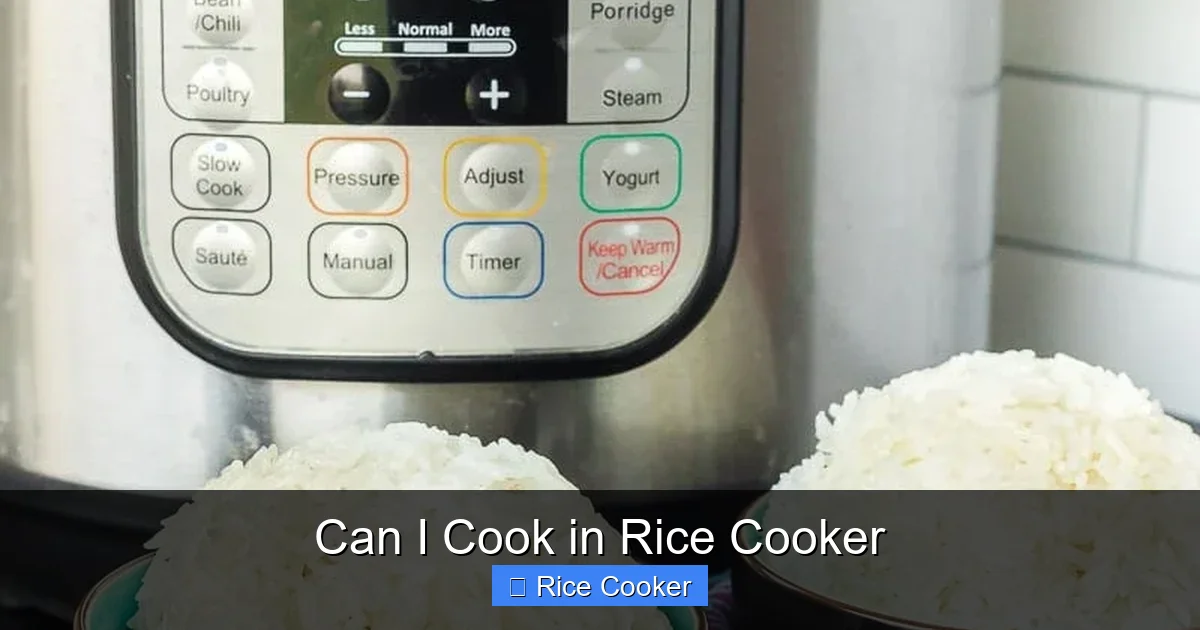
Visual guide about Can I Cook in Rice Cooker
Image source: favfamilyrecipes.com
Before diving into recipes, it’s important to understand what makes a rice cooker unique—and why its versatility stems from its design.
The Science Behind the Simplicity
At its core, a rice cooker is an electric device that heats water to cook grain-based dishes. But unlike a pot on the stove, it uses internal temperature sensors to detect when the liquid has been absorbed and the grain is tender. Most models then switch to a “warm” mode to keep food at serving temperature without overcooking.
This closed-system cooking method means moisture and heat stay contained, reducing evaporation and preventing scorching. It’s also why rice cookers can handle delicate tasks like steaming fish or making custard—something traditional pots struggle with.
Types of Rice Cookers: Which One Do You Need?
Not all rice cookers are created equal. Here are the main types:
- Basic Models: Simple, affordable units with just a “Cook” and “Warm” button. Great for cooking rice and basic steamed dishes.
- Fuzzy Logic Models: These use advanced algorithms to adjust heating based on rice type, water level, and ambient conditions. Ideal for diverse cooking methods.
- Multicookers: High-end models with multiple functions—pressure cooking, slow cooking, steaming, baking, and more. Think Instant Pot meets rice cooker.
If you’re serious about expanding your rice cooker’s use, investing in a fuzzy logic or multicooker model gives you more flexibility. But even basic models can handle plenty of creative recipes.
Cooking Rice Alternatives: What Can You Make Instead?
Now for the fun part: breaking free from rice-only cooking. Your rice cooker isn’t just for grains—it’s a gateway to healthier, more varied meals.
Breakfast Options That Wake You Up
Skip the microwave oatmeal. Try cooking steel-cut oats or quinoa porridge in your rice cooker. Simply combine oats, water (or milk), a pinch of salt, and your favorite toppings (berries, nuts, honey) in the inner pot. Set it and forget it—you’ll wake up to a creamy, nutritious breakfast.
For a protein boost, add chia seeds, flax, or cooked beans. You can even make overnight oats by mixing everything the night before and letting it sit while you sleep.
Soups, Stews, and One-Pot Meals
One of the best-kept secrets of rice cookers: they make excellent soups and stews. The slow, steady heat mimics slow cookers, tenderizing meats and melding flavors.
Try a hearty vegetable stew with diced tomatoes, carrots, potatoes, onions, and chickpeas. Add a bay leaf, some smoked paprika, and a splash of coconut milk for depth. Cook on high for 45 minutes, then let it rest in warm mode for 10 minutes.
You can also make lentil soup, minestrone, or even chili. Just remember to avoid overly thick mixtures—rice cookers work best with saucy, liquid-based dishes.
Steamed Dishes: Fish, Veggies, and Dumplings
Most rice cookers come with a steaming tray. Use it to steam broccoli, bok choy, or fish fillets. Place the tray above the cooking pot, add water below, and cover tightly. Steam for 8–12 minutes depending on thickness.
For dumplings or buns, layer the steamer basket with your prepared dough and steam until puffed and cooked through. It’s perfect for making steamed bao at home!
Baking and Desserts: Yes, Really!
Surprisingly, rice cookers can bake cakes, brownies, and even bread. The key is using the right batter consistency—too thick, and it won’t cook evenly; too thin, and it leaks.
Try a simple chocolate cake: mix flour, sugar, cocoa powder, baking soda, egg, milk, oil, and vanilla. Pour into a greased pan, insert a toothpick in the center, and cook on the “Cake” setting if available. Otherwise, use “Cook” and check after 25–30 minutes.
You can also make muffins, banana bread, or even pancakes. Just ensure the pan fits snugly and monitor the first few times.
Practical Tips for Successful Rice Cooker Cooking
Even the best recipes can fail if you don’t follow some basic guidelines. Here’s how to master rice cooker cooking:
Use the Right Amount of Liquid
Too little liquid = dry, undercooked food. Too much = soupy, mushy results. As a rule of thumb:
- For grains: 1 cup grain to 1.5–2 cups liquid
- For soups/stews: Adjust to desired thickness
- For baked goods: Follow recipe ratios carefully
Always measure liquids with a standard cup—not the one from your rice cooker, which may differ in volume.
Prep Ingredients Ahead
Rice cookers are hands-off, but prep matters. Chop vegetables, marinate meat, and measure spices beforehand. This ensures smooth cooking and better flavor integration.
Avoid Overfilling
Never fill the inner pot beyond the MAX line. Overfilling can cause spills, uneven cooking, or damage. Leave room for expansion, especially with bubbling soups or cakes.
Clean Immediately After Use
The inner pot is usually non-stick and dishwasher-safe, but cleaning it promptly prevents food buildup. Rinse with warm water and mild soap—avoid abrasive scrubbers.
Experiment Gradually
Start with simple recipes like oatmeal or steamed veggies. Once comfortable, try stews or cakes. Don’t expect perfection on your first attempt—adjust seasoning and timing as needed.
Creative Recipes to Try Today
Ready to put theory into practice? Here are five delicious, easy recipes you can make in any rice cooker:
1. Creamy Mushroom Risotto
Ingredients:
- 1 cup Arborio rice
- 3 cups vegetable broth
- 1 cup sliced mushrooms
- 1 small onion, diced
- 2 cloves garlic, minced
- 1/4 cup white wine (optional)
- 2 tbsp butter
- Salt, pepper, parsley
Instructions:
Combine all ingredients in the rice cooker. Stir once, close lid, and cook on “Cook” mode for 30 minutes. Let sit 5 minutes in warm mode. Stir gently before serving.
2. Steamed Salmon with Lemon & Herbs
Ingredients:
- 2 salmon fillets
- Juice of 1 lemon
- Fresh dill or thyme
- Salt and pepper
Instructions:
Place salmon on the steaming tray. Add lemon juice, herbs, and a sprinkle of salt. Add 1/2 cup water to the inner pot. Steam for 10–12 minutes until flaky.
3. Chocolate Mug Cake (Single Serving)
Ingredients:
- 1/4 cup flour
- 2 tbsp sugar
- 2 tbsp cocoa powder
- 1/4 tsp baking soda
- 3 tbsp milk
- 1 tbsp oil
- Pinch of salt
Instructions:
Mix all ingredients in a microwave-safe bowl. Transfer to a greased rice cooker pan. Insert a toothpick in the center. Cook on “Cook” for 10–12 minutes. Cool slightly before eating.
4. Chickpea & Spinach Curry
Ingredients:
- 1 can chickpeas, drained
- 1 cup chopped spinach
- 1 diced tomato
- 1 small onion
- 2 cloves garlic
- 1 tsp cumin, 1/2 tsp turmeric
- 1 cup coconut milk
- Salt to taste
Instructions:
Combine all in rice cooker. Cook on high for 40 minutes. Stir in spinach during last 5 minutes. Serve with rice or naan.
5. Overnight Chia Pudding
Ingredients:
- 1/4 cup chia seeds
- 1 cup almond milk
- 1 tbsp maple syrup
- Vanilla extract
- Toppings: fruit, nuts
Instructions:
Mix all ingredients in the inner pot. Seal and refrigerate overnight. In the morning, stir and add toppings.
Common Mistakes and How to Avoid Them
Even experienced cooks make errors. Here’s how to dodge the most frequent pitfalls:
- Using the Wrong Pan: Always use the included inner pot. Other pans may warp or scratch the non-stick surface.
- Skipping the Warm Mode: After cooking, let food rest in warm mode for 5–10 minutes. This helps finish cooking and keeps it hot.
- Ignoring Natural Release: For cakes or dense dishes, avoid opening the lid during cooking. Heat loss slows the process.
- Overlooking Cleaning Needs: Residue builds up quickly. Clean the exterior and lid regularly to maintain performance.
- Not Reading the Manual: Different models have unique features. Check your manual for specific settings and limits.
Is a Rice Cooker Worth the Investment?
If you eat rice regularly, the answer is yes. But even if you don’t, a rice cooker offers long-term value. Consider:
- Time Savings: Prep once, cook unattended.
- Energy Efficiency: Uses less power than ovens or microwaves.
- Versatility: One appliance replaces several.
- Beginner-Friendly: Minimal skills required.
For families, students, or anyone wanting simpler meal prep, a quality rice cooker is a smart buy.
Conclusion: Unlock the Full Potential of Your Rice Cooker
So, can you cook in a rice cooker? Without a doubt—yes. And the best part? You don’t need fancy equipment or advanced culinary skills. With a little creativity and these proven techniques, your rice cooker becomes a secret weapon in the kitchen.
From breakfast to dessert, one-pot meals to steamed proteins, this appliance does it all. It’s reliable, efficient, and endlessly adaptable. Next time you open your rice cooker, think beyond grains. Imagine a warm bowl of risotto, a fluffy chocolate cake, or a nutrient-packed stew—all made with the same trusty machine.
Don’t limit yourself. Experiment. Learn. Enjoy. Because cooking doesn’t have to be complicated. Sometimes, the simplest tool holds the most magic.
Frequently Asked Questions
Can I cook pasta in a rice cooker?
Yes, but it requires extra water and longer cooking time. Add pasta and 4–5 cups of boiling water, then cook on high for 15–20 minutes. Stir halfway to prevent sticking. Drain excess water before serving.
Can I cook frozen meat in a rice cooker?
It’s possible, but not recommended. Frozen meat takes longer to cook and may not reach safe internal temperatures evenly. Thaw completely first, or use a pressure cooker setting if your model supports it.
How do I clean my rice cooker properly?
Unplug and cool completely. Remove the inner pot and wash with warm, soapy water. Wipe the exterior and lid with a damp cloth. Never submerge the base in water. Air-dry before reassembling.
Can I make yogurt in a rice cooker?
Yes! Use the “Yogurt” setting if available, or the “Warm” function. Heat milk to 180°F, cool to 110°F, add starter culture, and incubate for 6–12 hours. Keep covered to maintain warmth.
Can I cook rice in a stainless steel pot instead of the inner pot?
No. The inner pot is specially designed for even heating and non-stick performance. Using another pot can damage the cooker, affect results, and void the warranty.
How long does a rice cooker last?
With proper care, most rice cookers last 5–10 years. Regular cleaning, avoiding overfilling, and storing in a dry place extend lifespan. Replace if heating elements fail or buttons become unresponsive.