

You can definitely cook meat in a rice cooker—it’s simple, safe, and surprisingly effective. From juicy chicken breasts to fall-apart pulled pork, your rice cooker can handle it all with minimal effort. With the right techniques, seasonings, and cooking times, you can create healthy, hands-off meals that taste restaurant-quality.
Key Takeaways
- Yes, you can cook meat in a rice cooker—it works well for poultry, beef, pork, and even fish when done correctly.
- No special settings are needed; most standard rice cookers use high heat to cook meat thoroughly.
- Meat should be fully cooked before serving—use a food thermometer to ensure safe internal temperatures.
- Flavor can be enhanced with marinades, sauces, or broth added directly into the pot.
- Cleaning is easy because the inner pot is typically nonstick and dishwasher-safe.
- Batch cooking is possible—ideal for meal prep or feeding a large family.
- Safety first—always check the manufacturer’s guidelines and avoid overloading the unit.
📑 Table of Contents
- Can I Cook Meat in Rice Cooker? Absolutely—Here’s How!
- Why Use a Rice Cooker for Cooking Meat?
- Which Types of Meat Work Best in a Rice Cooker?
- How to Safely Cook Meat in a Rice Cooker
- Step-by-Step Guide: Cooking Chicken Breast in a Rice Cooker
- Creative Recipes Using Meat in a Rice Cooker
- Common Mistakes to Avoid
- Tips for Cleaning and Maintaining Your Rice Cooker
- Frequently Asked Questions About Cooking Meat in a Rice Cooker
- Conclusion: Unlock the Full Potential of Your Rice Cooker
Can I Cook Meat in Rice Cooker? Absolutely—Here’s How!
Have you ever looked at your rice cooker and thought, “There’s got to be more to this thing than just fluffy rice”? You’re not alone. While rice cookers are famous for making perfect grains, they’re also incredibly versatile kitchen tools capable of handling everything from stews to steamed vegetables—and yes, even meat. Cooking meat in a rice cooker isn’t just possible; it’s one of the easiest ways to prepare tender, juicy dishes with minimal cleanup and maximum flavor.
Whether you’re meal prepping for the week, feeding a hungry family, or just want a no-fuss dinner after a long day, your rice cooker can do the job. In this guide, we’ll walk through everything you need to know: which meats work best, how to cook them safely, creative recipes to try, and tips to get the most out of your appliance. Let’s turn that humble white box into a powerhouse of culinary creativity!
Why Use a Rice Cooker for Cooking Meat?
The Convenience Factor
One of the biggest reasons people love cooking meat in a rice cooker is convenience. Unlike traditional ovens or stovetops, rice cookers require almost zero attention once you press the button. There’s no constant stirring, no watching the pan, and no risk of burning. Just add your ingredients, set it, and let science (and steam) do the rest.
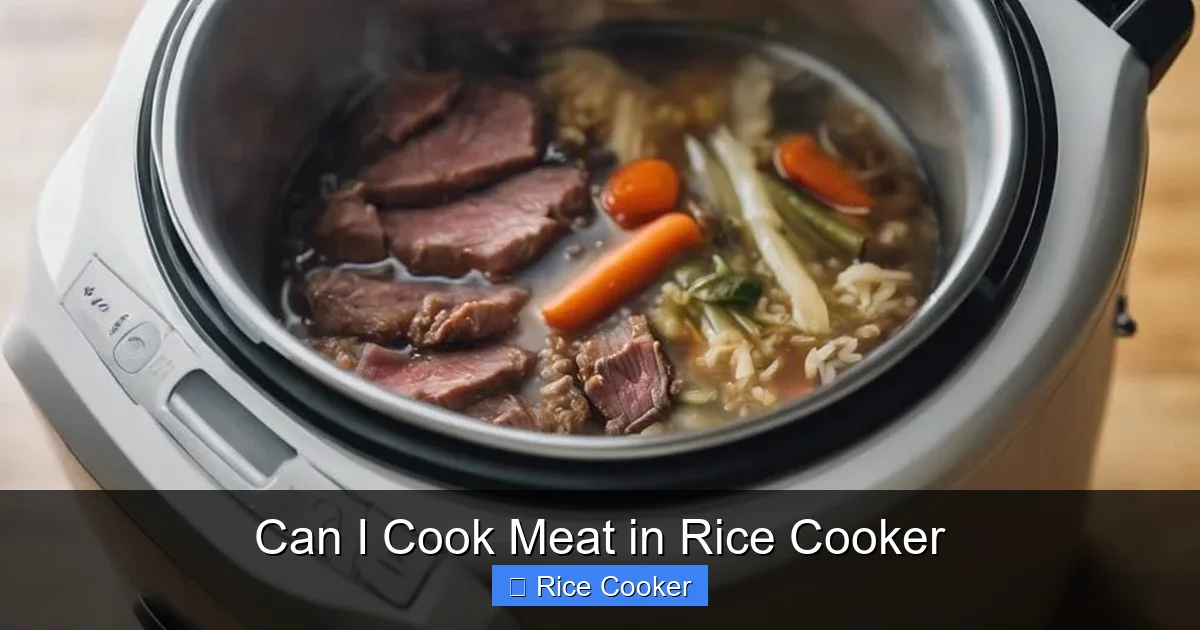
Visual guide about Can I Cook Meat in Rice Cooker
Image source: ricearray.org
Even Heat Distribution
Rice cookers are designed to maintain consistent temperatures throughout the cooking process. This means your meat cooks evenly from edge to center without hot spots—something that’s hard to achieve on a stove unless you’re really careful.
Moisture Retention
The sealed environment traps steam, keeping meat moist and tender. That’s why recipes like chicken curry or pork stew come out so succulent. The moisture doesn’t escape, so your proteins stay juicy instead of drying out.
Easy Cleanup
Most rice cooker pots are coated with nonstick material and come with removable parts that go straight into the dishwasher. No scrubbing burnt-on bits off a heavy skillet—just pop it in and forget about it.
Energy Efficient
Rice cookers use less energy than ovens or slow cookers, making them an eco-friendly option for everyday cooking. Plus, they’re compact, so they don’t take up much counter space.
Which Types of Meat Work Best in a Rice Cooker?
Poultry: Chicken, Duck, Turkey
Chicken is arguably the most popular meat to cook in a rice cooker. Boneless, skinless breasts come out incredibly tender, while whole chickens or thighs stay juicy thanks to added liquids like broth or water. Duck and turkey can also be braised or roasted in the rice cooker—especially useful for holiday leftovers or large cuts.
Red Meats: Beef and Pork
Beef roasts, chuck steaks, or short ribs become melt-in-your-mouth tender when cooked slowly in liquid within a rice cooker. Pork shoulder or loin chop turns into rich, flavorful medallions when seared briefly and then finished in broth or apple cider vinegar.
Lamb and Game
While less common, lamb shanks or venison can be prepared in a rice cooker if paired with enough liquid and aromatic herbs. Just remember that game meats may need longer cooking times due to their density.
Seafood: Fish and Shellfish
Delicate fish like salmon or cod can be steamed gently in a rice cooker using the “steam” function or by adding a small amount of liquid. Shrimp or scallops cook quickly and stay tender—perfect for last-minute seafood dinners.
Processed Meats: Sausages and Bacon
Sausages can be browned inside the rice cooker before adding other ingredients. Bacon can render its fat beautifully while infusing the entire dish with smoky flavor. Just place it on top of rice or vegetables to avoid splatter.
How to Safely Cook Meat in a Rice Cooker
Use a Food Thermometer
Safety comes first. Always verify that meat reaches the proper internal temperature:
- Chicken: 165°F (74°C)
- Ground beef/pork: 160°F (71°C)
- Steaks/roasts (beef/pork): 145°F (63°C), followed by a 3-minute rest
- Fish: 145°F (63°C)
Insert the thermometer into the thickest part of the meat—never touch bone, fat, or gristle.
Don’t Overcrowd the Pot
Too much meat at once prevents proper heat circulation and can lead to uneven cooking. Stick to filling no more than two-thirds of the inner pot. If you’re batch cooking, consider doing multiple smaller batches or using a larger-capacity model.
Add Enough Liquid
Unlike frying or grilling, rice cookers rely on liquid to transfer heat and create steam. For every pound of meat, add at least 1 cup of liquid (broth, water, wine, or sauce). Too little liquid risks drying out the meat or causing scorching.
Pre-Sear When Needed
For extra browning and flavor, sear meat in a hot skillet before transferring it to the rice cooker. This step is especially helpful for tougher cuts like brisket or pork belly.
Avoid Metal Utensils
Never use metal spatulas or forks inside the nonstick interior. Opt for silicone or wooden tools to preserve the coating and prevent scratches.
Step-by-Step Guide: Cooking Chicken Breast in a Rice Cooker
Ingredients You’ll Need
- 2 boneless, skinless chicken breasts
- 1 cup low-sodium chicken broth
- 1 tsp olive oil
- 1 clove garlic, minced
- ½ tsp salt
- ¼ tsp black pepper
- Optional: lemon slices, thyme sprigs
Instructions
- Lightly coat the inner pot with oil and sauté garlic for 30 seconds over medium heat.
- Place chicken breasts side by side in the pot. Season with salt and pepper.
- Pour in the broth, add lemon slices and thyme if using.
- Close the lid and select the “Cook” or “White Rice” setting. Most models will automatically switch to “Keep Warm” once done—usually takes 20–25 minutes.
- Check internal temperature with a thermometer. If undercooked, close the lid again and let sit for another 5–10 minutes.
- Remove chicken, tent with foil, and let rest for 5 minutes before slicing.
Pro Tips
- For extra flavor, marinate chicken overnight in yogurt, soy sauce, and spices before cooking.
- Slice against the grain for maximum tenderness.
- Save the cooking liquid—it makes a great base for soups or gravies.
Creative Recipes Using Meat in a Rice Cooker
Pulled Chicken Tacos
Cook chicken thighs in enchilada sauce with onions and cumin until shreddable. Serve over warm corn tortillas with avocado and lime. Total time: 30 minutes.
Beef Stew with Root Vegetables
Braise cubed chuck roast with carrots, potatoes, celery, and red wine. Add tomato paste and beef broth, then cook until fork-tender. Pair with crusty bread or mashed potatoes.
Honey Glazed Ham
Glaze pre-cooked ham slices with honey, Dijon mustard, and cloves. Place ham in the pot, pour glaze over it, and cook on “Warm” for 30 minutes to reheat and caramelize.
Pork Carnitas
Cook pork shoulder in orange juice, lime zest, oregano, and bay leaves until falling apart. Finish by crisping it under a broiler or in a skillet for authentic texture.
Salmon with Herbed White Wine Sauce
Place salmon fillets on a bed of sliced leeks and cherry tomatoes. Pour in dry white wine and a splash of cream. Cover and cook until flaky—about 15 minutes.
Common Mistakes to Avoid
Skipping the Pre-Searing Step
While not always necessary, skipping searing means missing out on Maillard reaction—the chemical process that creates deep, savory flavors. A quick sear adds richness and color.
Using Too Little Liquid
If the pot runs dry during cooking, the rice cooker’s sensor might misread the situation and shut off early. Always monitor the liquid level, especially for long-cooking meats.
Not Venting Steam Properly
Ensure the lid vent is open or partially lifted to release excess pressure. Otherwise, steam buildup can push liquids over the rim or cause uneven cooking.
Overfilling the Inner Pot
This restricts airflow and can trigger safety mechanisms that stop heating mid-cycle. Keep it below the max fill line marked on the pot.
Ignoring Manufacturer Guidelines
Some rice cookers have specific instructions about cooking meats or using certain functions. Check your manual to avoid voiding warranties or damaging the appliance.
Tips for Cleaning and Maintaining Your Rice Cooker
Unplug Before Cleaning
Always disconnect the unit before removing any parts. Safety first!
Soak Stubborn Residue
If something sticks, fill the pot halfway with warm water and let it soak for 15–20 minutes. Then wipe with a soft sponge.
Avoid Abrasive Cleaners
Harsh scouring pads or bleach can damage the nonstick coating. Stick to mild soap and water.
Check the Heating Plate
Periodically inspect the bottom plate for food debris or mineral buildup. Wipe it clean with a damp cloth—never submerge it in water.
Store Properly
After cleaning, let all components air-dry completely before reassembling. Store in a cool, dry place away from direct sunlight.
Frequently Asked Questions About Cooking Meat in a Rice Cooker
Is it safe to cook raw meat in a rice cooker?
Yes, as long as you cook it to the correct internal temperature and add enough liquid. The sealed environment helps prevent bacterial growth by maintaining high heat and moisture.
Can I cook frozen meat in a rice cooker?
It’s not recommended. Frozen meat increases cooking time significantly and can result in uneven heating. Thaw it completely in the refrigerator first.
What if my rice cooker has a “Slow Cook” mode?
Great! Many modern rice cookers include a slow-cook function. Use it for tougher cuts like brisket or ribs—they’ll become incredibly tender over several hours.
Do I need to add water when cooking meat without rice?
Absolutely. Even if you’re not making rice, you still need liquid to generate steam and transfer heat. Broth, wine, or sauce works perfectly.
Can I cook bones in a rice cooker?
Yes, but remove large bones before serving for safety and easier eating. Smaller bones (like chicken wings) can stay in if you trust your appliance’s ability to handle them.
Will the meat absorb too much liquid and become mushy?
Not if you measure carefully. Drain excess liquid after cooking if desired, or use it as a flavorful sauce. Most meats retain their structure well when cooked properly.
Conclusion: Unlock the Full Potential of Your Rice Cooker
Cooking meat in a rice cooker isn’t just a clever hack—it’s a game-changer for busy home cooks who want delicious, nutritious meals without the hassle. Whether you’re whipping up a quick chicken dinner or preparing a comforting beef stew, your rice cooker can deliver consistent, reliable results every time.
From understanding safe cooking practices to exploring creative recipes and avoiding common pitfalls, you now have all the tools to make the most of this humble kitchen appliance. So next time you reach for your rice cooker, remember: it’s not limited to grains alone. With a little know-how, you can turn ordinary proteins into extraordinary meals—all while keeping cleanup minimal and your schedule flexible.
Happy cooking—and may every bite be tender, flavorful, and worry-free!
Frequently Asked Questions
Is it safe to cook raw meat in a rice cooker?
Yes, as long as you cook it to the correct internal temperature and add enough liquid. The sealed environment helps prevent bacterial growth by maintaining high heat and moisture.
Can I cook frozen meat in a rice cooker?
It’s not recommended. Frozen meat increases cooking time significantly and can result in uneven heating. Thaw it completely in the refrigerator first.
What if my rice cooker has a “Slow Cook” mode?
Great! Many modern rice cookers include a slow-cook function. Use it for tougher cuts like brisket or ribs—they’ll become incredibly tender over several hours.
Do I need to add water when cooking meat without rice?
Absolutely. Even if you’re not making rice, you still need liquid to generate steam and transfer heat. Broth, wine, or sauce works perfectly.
Can I cook bones in a rice cooker?
Yes, but remove large bones before serving for safety and easier eating. Smaller bones (like chicken wings) can stay in if you trust your appliance’s ability to handle them.
Will the meat absorb too much liquid and become mushy?
Not if you measure carefully. Drain excess liquid after cooking if desired, or use it as a flavorful sauce. Most meats retain their structure well when cooked properly.