
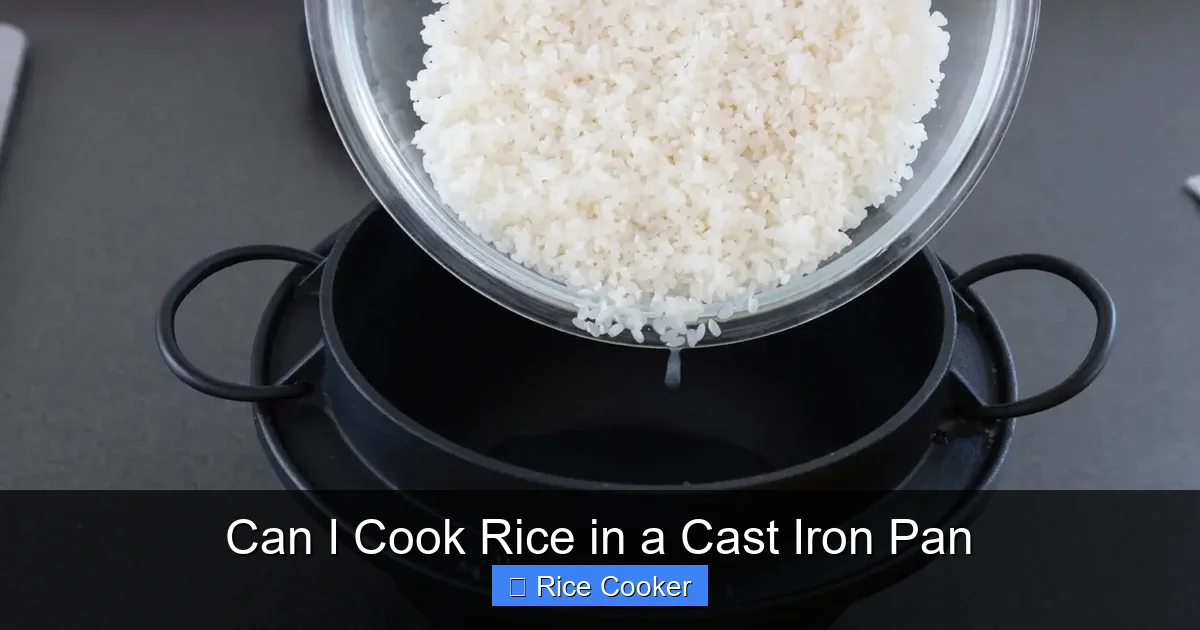
You can cook rice in a cast iron pan, and it’s easier than you think! With the right technique, your cast iron can deliver perfectly fluffy, evenly cooked grains without needing a rice cooker. This method works great for one-pot meals and adds a subtle, rich flavor thanks to the seasoned surface of your pan.
Key Takeaways
- Cast iron is great for rice: Its heat retention and even distribution help cook rice uniformly.
- Use the right ratio: Stick to a 1:2 rice-to-water ratio for most types of rice.
- Preheat the pan: A warm pan helps prevent sticking and ensures even cooking from the start.
- Cover tightly: Seal the lid or cover with foil to trap steam and mimic a rice cooker’s environment.
- Let it rest: Resting after cooking allows steam to finish cooking the rice and fluff it up.
- Clean properly: Avoid soaking cast iron; instead, scrub gently with hot water and a brush.
- Experiment with flavors: Add broth, herbs, or spices for more depth and variety.
📑 Table of Contents
- Can I Cook Rice in a Cast Iron Pan? The Ultimate Guide
- Why Use a Cast Iron Pan for Cooking Rice?
- What Kind of Rice Works Best in Cast Iron?
- The Step-by-Step Process: How to Cook Perfect Rice in Cast Iron
- Troubleshooting Common Issues
- Tips to Enhance Flavor and Texture
- Cleaning and Maintaining Your Cast Iron After Cooking Rice
- Final Thoughts: Is Cooking Rice in Cast Iron Worth It?
Can I Cook Rice in a Cast Iron Pan? The Ultimate Guide
Have you ever looked at your trusty cast iron skillet and thought, “Could I actually cook rice in this thing?” If so, you’re not alone. For years, cast iron has been celebrated for searing steaks, baking cornbread, and whipping up crispy skillets. But here’s a secret: it’s also an excellent vessel for cooking rice. In fact, many home cooks swear by using their cast iron pans as makeshift rice cookers—especially when they don’t have access to an electric model or want a no-fuss, one-pot meal.
Yes, you can absolutely cook rice in a cast iron pan, and the results can be just as good—if not better—than using a traditional rice cooker. The key lies in understanding how cast iron behaves when heated and how to control moisture and temperature. When done right, your rice will come out fluffy, slightly chewy, and infused with that rich, subtle flavor only seasoned cast iron can provide. Plus, cleanup is surprisingly easy if you follow a few simple steps. So whether you’re making jasmine rice for sushi, brown rice for salads, or even risotto-style dishes, your cast iron pan might just become your new favorite kitchen tool.
Why Use a Cast Iron Pan for Cooking Rice?
Before we dive into the step-by-step process, let’s talk about why you might want to use a cast iron pan for rice in the first place. Unlike nonstick pans or stainless steel, cast iron retains heat incredibly well. This means once it’s hot, it stays hot—perfect for maintaining the steady, gentle heat needed to cook rice slowly and evenly. There’s no risk of burning or uneven cooking, as long as you control the temperature and water level carefully.

Visual guide about Can I Cook Rice in a Cast Iron Pan
Image source: recipes.net
Another benefit is the flavor. Over time, your cast iron develops a natural seasoning—a smooth, nonstick coating formed by oil baked into the metal. This layer not only prevents sticking but also imparts a subtle, nutty taste to foods, including rice. Some chefs argue that rice cooked in cast iron tastes richer than rice cooked in other pans because of this interaction. And since cast iron distributes heat evenly across its broad surface, you avoid cold spots where rice might stick or undercook.
Finally, using a cast iron pan for rice is a great space- and energy-saving hack. You don’t need a separate appliance just for rice—just grab your skillet, add ingredients, and let it do the work. It’s ideal for dorm rooms, tiny kitchens, or anyone who loves minimalist cooking.
What Kind of Rice Works Best in Cast Iron?
Not all rice is created equal when it comes to cooking in cast iron. Different varieties require different techniques, and some respond better to the heat retention properties of cast iron than others. Here’s a quick breakdown of the best types to try:
Long-Grain White Rice (e.g., Basmati, Jasmine)
Long-grain white rice is probably the easiest to cook in cast iron. It absorbs water well and has a fluffy texture when done correctly. Jasmine rice, in particular, becomes fragrant and light—ideal for stir-fries or side dishes. Just remember to rinse it before cooking to remove excess starch, which helps prevent clumping.
Brown Rice
Brown rice takes longer to cook due to its bran layer, but cast iron’s steady heat makes it manageable. Because it requires more water and time, you may need to adjust your ratio slightly—try 1 cup brown rice to 2.5 cups water. Also, consider soaking the rice for 30 minutes beforehand to speed up cooking and improve texture.
Sushi Rice
While sushi rice needs precise moisture control, it can still be made in cast iron with attention to detail. Short-grain sticky rice holds together well under steam, and the pan’s even heating ensures uniform doneness. Just be careful not to over-stir, or the grains may break.
Risotto
This creamy Italian dish relies on constant stirring and gradual liquid addition, which isn’t exactly cast iron-friendly. However, you can adapt the method by using the pan’s heat retention to your advantage: cook Arborio rice in small batches, adding broth slowly while stirring. It won’t be traditional risotto, but it can still turn out creamy and delicious.
Avoid These Types
Stick to the above varieties for best results. Wild rice, for example, has a very short grain and tends to fall apart in high-heat environments. Similarly, glutinous rice (used in Asian desserts) requires specific steaming techniques that are harder to replicate in a flat-bottomed skillet.
The Step-by-Step Process: How to Cook Perfect Rice in Cast Iron
Now for the fun part—actually cooking the rice. Follow these steps closely, and you’ll get consistently good results every time.
Step 1: Choose the Right Pan Size
Not all cast iron pans are created equal. A 10-inch or 12-inch skillet with straight sides works best. Avoid deep, round pans unless they have a tight-fitting lid. The wider surface area allows for better heat distribution, and straight sides help contain steam during cooking.
Step 2: Rinse and Measure Your Rice
Measure your rice accurately—use a dry measuring cup for precision. Rinse the rice under cold running water until the water runs clear. This removes excess starch and prevents gummy results. For brown rice, soak it for 30 minutes to reduce cooking time.
Step 3: Heat the Pan Properly
Place your clean, dry cast iron pan over medium heat. Let it warm up for 2–3 minutes. Test if it’s ready by sprinkling a few drops of water onto the surface—they should dance around quickly. Adding cold rice to a cold pan increases the chance of sticking.
Step 4: Toast the Rice (Optional but Recommended)
For extra flavor, toast the rinsed rice in the dry pan for 1–2 minutes, stirring constantly. This step caramelizes the starches and enhances aroma—great for pilafs or savory dishes. Be careful not to burn it!
Step 5: Add Liquid and Seasonings
Use a 1:2 ratio of rice to water (or broth), adjusting for brown rice (1:2.5). Add salt, butter, or herbs if desired. Stir once to combine, then bring the mixture to a boil.
Step 6: Cover and Simulate a Rice Cooker
Once boiling, reduce heat to low. Cover the pan tightly with a lid. If you don’t have a lid that fits snugly, wrap the edges with foil to seal in steam. Alternatively, use a heatproof plate or another smaller pan as a makeshift lid.
Step 7: Let It Steep
After 18–25 minutes (depending on rice type), check if the rice is tender and the water is absorbed. Turn off the heat and let it sit, covered, for 10 minutes. This resting period lets the steam finish cooking the rice and fluffs it up beautifully.
Step 8: Fluff and Serve
Remove the lid, gently fluff the rice with a fork, and serve immediately. Avoid pressing down—this compacts the grains and ruins the texture.
Troubleshooting Common Issues
Even with the best intentions, things can go wrong. Here’s how to fix common problems when cooking rice in cast iron:
- Rice is too wet or mushy: This usually happens when too much water is used or the heat was too high. Next time, reduce water by 1–2 tablespoons and keep the heat low throughout.
- Rice sticks to the bottom: Always preheat the pan, don’t overcrowd it, and avoid high heat after adding liquid. A thin layer of oil at the bottom can also help.
- Rice is undercooked in the center: Make sure the pan is fully covered and sealed. Cold spots indicate poor heat distribution—try rotating the pan halfway through cooking.
- Flavor is bland: Use seasoned chicken or vegetable broth instead of plain water. Add garlic, bay leaves, or onions during the cooking process for extra depth.
- Poor seasoning buildup: After cooking, let the pan cool slightly, then wipe it clean with a damp cloth. Never soak it in water, as this can strip the seasoning.
Tips to Enhance Flavor and Texture
Want your cast iron-cooked rice to shine? Try these pro tips:
- Toast with aromatics: Sauté minced garlic, ginger, or shallots before adding rice and liquid for a fragrant base.
- Infuse with fats: Cook rice in chicken stock, coconut milk, or olive oil instead of water for richer flavor.
- Add cheese at the end: Stir in grated Parmesan or cheddar just before serving for a creamy twist.
- Try rice pilaf style: After toasting, add diced onions and sauté them until golden before pouring in liquid.
- Use a timer: Set a countdown on your phone to avoid overcooking—rice can go from perfect to burnt in minutes once the water evaporates.
Cleaning and Maintaining Your Cast Iron After Cooking Rice
One of the best things about cast iron is its durability—but only if you maintain it properly. After cooking rice, resist the urge to soak the pan. Instead, wait until it’s completely cool, then scrub it gently with hot water and a stiff brush. If food residue remains, sprinkle coarse salt and rub it with a paper towel or sponge—this acts as a natural abrasive.
Never use soap (unless absolutely necessary), as it can strip the seasoning. Once cleaned, dry the pan immediately over low heat to prevent rust. Then apply a thin layer of oil to preserve the nonstick surface. With proper care, your cast iron will last for decades—and keep delivering great-tasting rice year after year.
Final Thoughts: Is Cooking Rice in Cast Iron Worth It?
If you’ve read this far, chances are you’re curious—and maybe a little skeptical. Let me put it simply: yes, cooking rice in a cast iron pan is not only possible, it’s often preferable. It saves time, uses fewer dishes, and adds a depth of flavor you won’t get from other methods. Whether you’re preparing a quick weeknight dinner or hosting a gathering, this technique proves versatile and reliable.
Of course, there are limitations. You won’t get the automated settings of a rice cooker, and large batches might be tricky. But for everyday meals—especially when you want something simple, healthy, and delicious—cast iron delivers. Plus, it connects you to generations of cooking traditions where one pot did everything.
So next time you reach for your cast iron skillet, don’t limit yourself. Grab a handful of rice, toss in some seasonings, and let science (and tradition) do the rest. Your future self will thank you.
Frequently Asked Questions
Can I cook rice directly in a cast iron pan without a lid?
Technically, yes—but you won’t get the same results. Without a tight cover, steam escapes, leading to drier, unevenly cooked rice. Using a lid or foil seal mimics a rice cooker’s environment and ensures proper moisture retention.
Do I need to preheat the cast iron pan before adding rice?
Absolutely. Preheating helps prevent sticking and ensures even cooking from the moment you add the rice. A cold pan increases the risk of burning or uneven texture.
How much water do I use per cup of rice in cast iron?
For white rice, use 2 cups of water per 1 cup of rice. For brown rice, increase to 2.5 cups. Adjust slightly based on altitude and personal preference—some like it softer, others firmer.
Can I cook rice in cast iron overnight?
No—not safely. While cast iron retains heat, leaving rice uncovered for hours promotes bacterial growth. If you want overnight cooking, use a slow cooker instead.
Will my cast iron lose its seasoning after cooking rice?
Not if you clean it properly. Avoid soaking and scrub gently. Rice doesn’t damage seasoning, but harsh cleaning or prolonged exposure to moisture can weaken it over time.
Is it safe to cook acidic foods like tomatoes in cast iron with rice?
Short-term use is fine, but avoid long-term contact with highly acidic ingredients, as they can erode the seasoning. For tomato-based rice dishes, consider lining the pan with parchment or using stainless steel instead.