
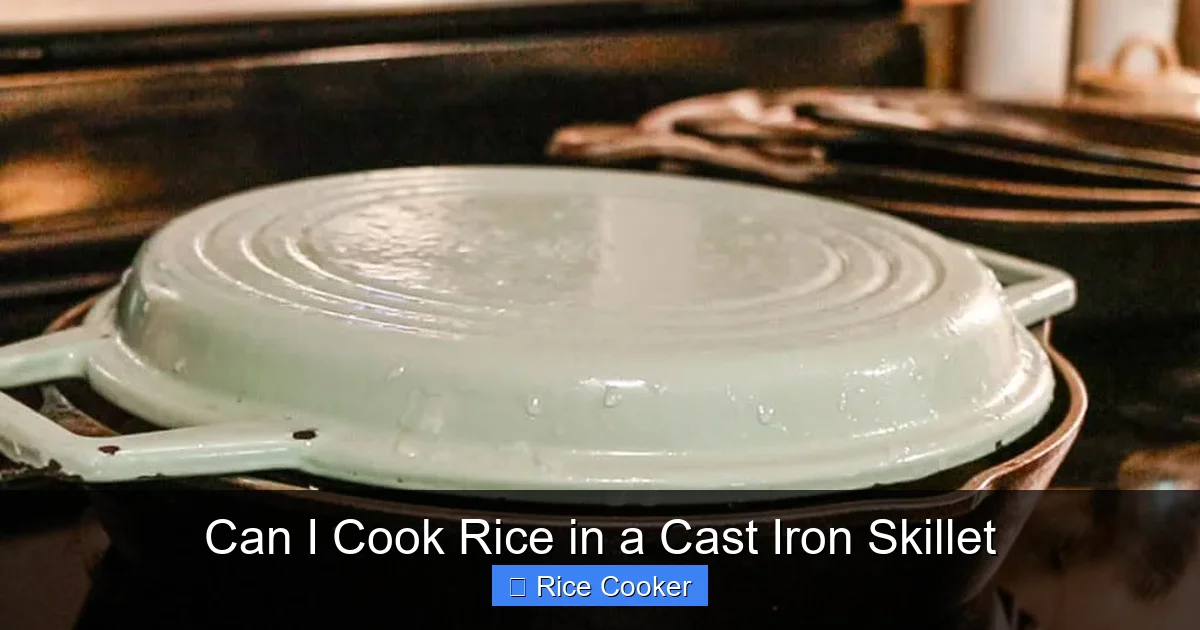
Can you cook rice in a cast iron skillet? Absolutely! While it’s not the traditional method, using a cast iron skillet to cook rice is totally doable with the right technique. With a little prep and attention to moisture control, you can enjoy perfectly fluffy rice that rivals your rice cooker.
Key Takeaways
- Cast iron skillets work great for rice: Their heat retention and even distribution help cook rice evenly, especially on the stovetop.
- Pre-heating is key: Warming your skillet before adding rice helps prevent sticking and ensures consistent cooking from the start.
- Use the right ratio: A 1:2 ratio of rice to water (or broth) is standard, but adjust based on your rice type and desired texture.
- Cover and simmer: Once boiling, reduce heat and cover tightly with a lid or foil to trap steam and finish cooking.
- Avoid stirring: Stirring breaks up the grains and can lead to mushy rice. Let the rice sit undisturbed after it finishes cooking.
- Resting time matters: Allowing rice to rest for 5–10 minutes after cooking helps redistribute moisture and fluff up the grains.
- Cleaning is easier than you think: Proper care keeps your skillet in top shape, even after cooking sticky rice.
📑 Table of Contents
- Can I Cook Rice in a Cast Iron Skillet?
- Why Use a Cast Iron Skillet for Rice?
- Choosing the Right Cast Iron Skillet
- Best Types of Rice for Cast Iron Cooking
- Step-by-Step Guide: How to Cook Rice in a Cast Iron Skillet
- Pro Tips for Perfect Rice in Cast Iron
- Common Mistakes to Avoid
- Cleaning and Maintaining Your Cast Iron After Cooking Rice
- Frequently Asked Questions
Can I Cook Rice in a Cast Iron Skillet?
Have you ever stood over your stove, wondering if there’s a smarter, more versatile way to cook rice without relying on your rice cooker? If you’re like most home cooks, you probably reach for the same pot every time—but what if you could use something else entirely? Enter the humble cast iron skillet.
Cooking rice in a cast iron skillet might sound unusual at first, but it’s actually a surprisingly effective method. Cast iron has long been loved for its durability and heat retention, making it ideal for searing meats, frying eggs, and even baking cornbread. But can it handle something as delicate as rice? The answer is yes—with the right approach.
In this guide, we’ll walk you through everything you need to know about cooking rice in a cast iron skillet. From choosing the right pan and rice variety to mastering the cooking process and cleaning up afterward, you’ll learn how to turn your trusty skillet into a rice-making powerhouse. Whether you’re short on time, missing your electric rice cooker, or just love experimenting in the kitchen, this method could become your new favorite way to prepare side dishes, grain bowls, and more.
Why Use a Cast Iron Skillet for Rice?
At first glance, a cast iron skillet might seem like an odd choice for cooking rice. After all, rice cookers are designed specifically for this task—they maintain consistent temperatures, monitor moisture levels, and often come with built-in timers. So why bother with cast iron?
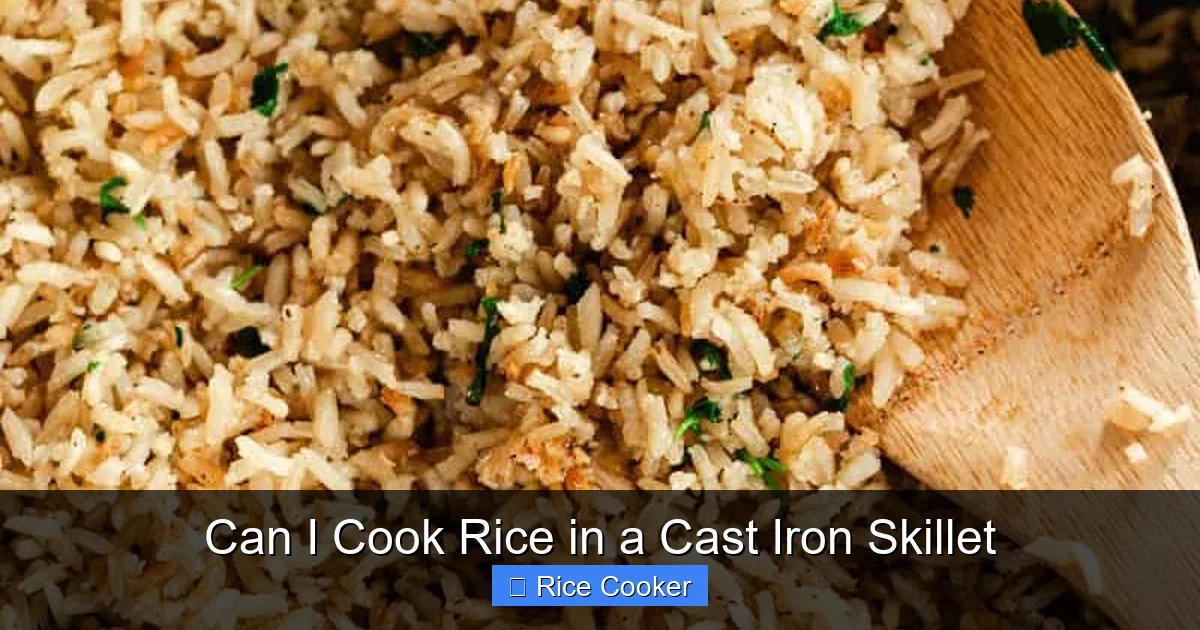
Visual guide about Can I Cook Rice in a Cast Iron Skillet
Image source: castironskilletcooking.com
The truth is, cast iron skillets offer several unique advantages that make them worth considering. First, they distribute heat evenly across the entire cooking surface, which helps prevent hot spots that can burn rice. Second, their excellent heat retention means once the rice is simmering, the pan stays warm without needing constant adjustments. And let’s not forget: cast iron adds a subtle, rich flavor to food that many people adore.
The Science Behind Cooking Rice
Rice cooks when starch molecules absorb water and swell, transforming from hard grains into soft, fluffy pieces. This process requires steady heat and proper moisture control. Unlike pasta, which boils rapidly and needs frequent stirring, rice benefits from slow, gentle heating—especially during the absorption phase.
How Cast Iron Excels
Cast iron holds onto heat better than stainless steel or aluminum. That means less temperature fluctuation when you add cold rice or water, reducing the risk of scorching. Plus, its flat bottom ensures even contact with the burner, promoting uniform cooking.
Choosing the Right Cast Iron Skillet
Not all cast iron skillets are created equal—and not all will work well for rice. Here’s what to look for when selecting one:
Size Matters
For cooking rice, aim for a skillet that’s at least 8 inches in diameter and deep enough to hold your ingredients without overflowing. A 10-inch skillet typically handles about 1–1½ cups of uncooked rice, which is perfect for two servings. Larger pans may be harder to manage, especially on smaller burners.
Smooth vs. Seasoned Surface
If your skillet has a smooth interior (rather than a heavily seasoned, rough surface), it’s ideal for rice. The smoother surface makes cleanup easier and reduces the chance of rice sticking. Avoid very old or poorly maintained cast iron with cracks or flaking seasoning, as these can harbor bacteria or affect heat transfer.
Weight Considerations
Cast iron is heavy—sometimes too heavy for younger hands or shaky stoves. Make sure your setup can support it comfortably. If you’re using a gas range, ensure the flame won’t flare up and damage the pan or surrounding area.
Best Types of Rice for Cast Iron Cooking
Different rice varieties behave differently when cooked. Some are stickier, others more absorbent. To get the best results in your cast iron skillet, choose one of these reliable options:
Long-Grain White Rice
This is the most common type and works beautifully in cast iron. Varieties like Jasmine or Basmati release fewer starches, keeping grains separate and fluffy. They also cook quickly, usually within 15–20 minutes.
Brown Rice
Brown rice takes longer to cook (around 30–40 minutes) due to its higher fiber content, but it’s still very doable in cast iron. Just increase the water ratio slightly (about 1:2.25) and be patient during the simmering stage.
Wild Rice
This nutty, chewy grain expands significantly during cooking, so use caution not to overcrowd your skillet. A small batch (half a cup or less) fits easily in a standard pan.
Avoid These Rices
- Sushi rice: Too sticky and prone to clumping.
- Pudding rice: Designed to thicken, not stay separate.
- Southern-style short-grain: Can become gluey unless handled carefully.
Step-by-Step Guide: How to Cook Rice in a Cast Iron Skillet
Ready to try it? Follow these simple steps for foolproof rice every time.
Step 1: Prep Your Ingredients
Rinse 1 cup of rice under cool running water until the water runs clear. This removes excess starch and prevents gumminess. Drain thoroughly in a fine-mesh strainer.
Step 2: Heat the Skillet
Place your cast iron skillet on medium-high heat for 2–3 minutes. Add a splash of oil or butter to prevent sticking—even seasoned cast iron can benefit from a light coat when cooking dry grains.
Step 3: Toast the Rice (Optional)
Add the drained rice and toast it for 1–2 minutes, stirring constantly. This enhances flavor and helps each grain develop a slight golden hue. Skip this step if you prefer plain white rice.
Step 4: Add Liquid and Bring to Boil
Pour in 2 cups of water (or broth for extra flavor). Stir once, then bring to a rolling boil. Reduce heat to low immediately after boiling starts.
Step 5: Cover and Simmer
Place a tight-fitting lid on the skillet—or cover loosely with foil if you don’t have a lid that fits. Simmer gently for:
- White rice: 15–18 minutes
- Brown rice: 30–35 minutes
Do not lift the lid during this time!
Step 6: Rest and Fluff
Turn off the heat and let the rice sit, covered, for 5–10 minutes. Then gently fluff with a fork. This allows steam to finish cooking the grains and separates them without crushing them.
Pro Tips for Perfect Rice in Cast Iron
Even experienced cooks make mistakes. Here are some insider tricks to elevate your results:
Use a Glass Lid or Tight-Fitting Metal Cover
A glass lid lets you peek without losing steam, while a metal lid traps moisture perfectly. If neither is available, double-layered foil works in a pinch—just crimp the edges tightly.
Don’t Overcrowd the Pan
Cook no more than 1½ cups of uncooked rice in a standard 10-inch skillet. More than that leads to uneven cooking and mushy centers.
Adjust for Altitude
At high elevations, water boils at lower temperatures, so rice may take longer to absorb moisture. Increase cooking time by 5–10 minutes and check for doneness early.
Enhance Flavor with Aromatics
Add diced onion, garlic, ginger, or a bay leaf before adding water. Remove solids before serving for clean taste.
Keep a Timer Handy
Set a countdown timer so you don’t accidentally leave rice unattended. It only takes one minute past the recommended time to go from fluffy to burnt.
Common Mistakes to Avoid
Newcomers often run into issues when cooking rice in cast iron. Watch out for these pitfalls:
Mistake #1: Not Preheating the Skillet
Cold pans cause rice to stick and steam unevenly. Always warm your skillet first—even if just for 2 minutes.
Mistake #2: Stirring During Simmering
Stirring breaks apart grains and interrupts the absorption process. Save your spoon for the resting phase only.
Mistake #3: Using Too Much Water
Excess liquid creates soggy rice. Stick to the standard 1:2 ratio unless your rice package specifies otherwise.
Mistake #4: Opening the Lid Too Early
Steam escapes quickly, dropping the internal temperature. Wait until the final 5 minutes to check progress.
Mistake #5: Neglecting Cleanup
Rice residue hardens fast. Clean your skillet while it’s still warm (not hot!) using warm water and a non-abrasive sponge. Avoid soap if possible—it can strip seasoning.
Cleaning and Maintaining Your Cast Iron After Cooking Rice
Contrary to popular belief, cast iron doesn’t require special treatment—even after cooking sticky rice. Here’s how to keep it in peak condition:
Immediate Cleaning
Once the skillet has cooled slightly, rinse it under warm water. Use a soft brush or sponge to remove stuck bits. Never soak cast iron for long periods—moisture promotes rust.
Drying Thoroughly
Pat the skillet completely dry with a towel, then place it back on the burner over low heat for 5–10 minutes to evaporate any remaining moisture.
Re-seasoning (If Needed)
If food begins to stick again, apply a thin layer of oil and bake at 400°F (200°C) for 30 minutes. Repeat as needed.
Avoid These Cleaning Tools
- Steel wool or harsh scrubbers
- Dishwashers (unless labeled “safe” for cast iron)
- Strong detergents
Frequently Asked Questions
Can I cook rice directly in unseasoned cast iron?
Yes, but it’s not ideal. Unseasoned cast iron is porous and can impart a metallic taste to food. Seasoned pans create a non-stick surface naturally and are preferred for rice cooking.
Will my rice stick to the bottom of the skillet?
It’s possible if you skip preheating or use too little oil. Always warm the pan first and coat it lightly with fat before adding rice.
Can I cook multiple types of rice in the same skillet?
Absolutely! Just adjust cooking times and water ratios accordingly. For example, cook wild rice separately from brown rice since they require different durations.
Is it safe to cook rice in cast iron on induction stoves?
Most modern cast iron skillets are induction-compatible thanks to their magnetic base. Check your manufacturer’s guidelines if unsure.
What if my rice turns out mushy?
Mushy rice usually results from too much water or overcooking. In future batches, reduce liquid by 1 tablespoon and extend resting time to allow excess moisture to escape.
Can I cook rice in a cast iron Dutch oven instead?
Yes! Dutch ovens are essentially large cast iron skillets with lids. They’re excellent for larger batches of rice and offer superior heat retention. Just remember to adjust quantities and timing accordingly.
Frequently Asked Questions
Can I cook rice directly in unseasoned cast iron?
Yes, but it’s not ideal. Unseasoned cast iron is porous and can impart a metallic taste to food. Seasoned pans create a non-stick surface naturally and are preferred for rice cooking.
Will my rice stick to the bottom of the skillet?
It’s possible if you skip preheating or use too little oil. Always warm the pan first and coat it lightly with fat before adding rice.
Can I cook multiple types of rice in the same skillet?
Absolutely! Just adjust cooking times and water ratios accordingly. For example, cook wild rice separately from brown rice since they require different durations.
Is it safe to cook rice in cast iron on induction stoves?
Most modern cast iron skillets are induction-compatible thanks to their magnetic base. Check your manufacturer’s guidelines if unsure.
What if my rice turns out mushy?
Mushy rice usually results from too much water or overcooking. In future batches, reduce liquid by 1 tablespoon and extend resting time to allow excess moisture to escape.
Can I cook rice in a cast iron Dutch oven instead?
Yes! Dutch ovens are essentially large cast iron skillets with lids. They’re excellent for larger batches of rice and offer superior heat retention. Just remember to adjust quantities and timing accordingly.