

Can I cook rice in a crock pot? Absolutely! While not everyone’s go-to method, cooking rice in a slow cooker is totally doable with the right technique. It produces soft, tender grains with minimal effort, making it ideal for busy days or hands-off meals. Just remember to use the correct water-to-rice ratio and avoid lifting the lid during cooking.
Key Takeaways
- Yes, you can cook rice in a crock pot—it’s simple and requires minimal supervision once set up.
- Use a 2:1 water-to-rice ratio (for example, 1 cup rice to 2 cups water) for most long-grain varieties.
- Pre-soak rice for 15–30 minutes to help it absorb water evenly and cook more uniformly.
- A towel trick helps retain moisture—wrap the lid with a kitchen towel to reduce evaporation.
- Don’t lift the lid during the first hour of cooking; steam buildup is essential for proper texture.
- Fluff gently after cooking to separate grains without breaking them.
- Consider adding a splash of oil or butter for extra flavor and a fluffier result.
Quick Answers to Common Questions
Can I cook brown rice in a crock pot?
Answer: Yes! Brown rice works well in a crock pot but needs more water and longer cooking time—use a 2.5:1 water-to-rice ratio and cook on high for 45–60 minutes.
Do I need to rinse the rice before cooking it in a slow cooker?
Answer: Definitely. Rinsing removes excess starch and prevents clumping. Just rinse until the water runs clear, then soak for 15–30 minutes before cooking.
Why is my crock pot rice too wet or too dry?
Answer: Wet rice usually means too much liquid; dry rice means not enough. Adjust the water ratio next time—start with 2 cups per 1 cup of rice, and tweak from there.
Can I add spices or seasonings to rice while it cooks?
Answer: Absolutely! Toss in a bay leaf, garlic clove, or onion slice for extra flavor. Just remove them before serving to avoid eating solid bits.
Is it safe to leave rice in the crock pot for hours?
Answer: Only if it’s been kept above 140°F (60°C). Otherwise, bacteria can grow. If you’re using a “keep warm” setting, ensure it’s truly warm—not just lukewarm—before serving.
📑 Table of Contents
- Can I Cook Rice in Crock Pot? Yes—Here’s How to Do It Perfectly
- The Basics: Can Your Crock Pot Even Cook Rice?
- Choosing the Right Rice for Your Slow Cooker
- Step-by-Step Guide: Cooking Rice in a Crock Pot
- Troubleshooting Common Crock Pot Rice Problems
- Pro Tips for Flavorful, Restaurant-Quality Rice
- How Does Crock Pot Rice Compare to Other Methods?
- Final Thoughts: Should You Start Cooking Rice in a Crock Pot?
Can I Cook Rice in Crock Pot? Yes—Here’s How to Do It Perfectly
Ever had one of those days when dinner feels overwhelming? You’ve got a packed schedule, a hungry family, and all you really want is something simple, warm, and satisfying—like a big bowl of rice. But you don’t have time to stand over the stove, watching the pot like a hawk. Enter the crock pot: your trusty slow cooker that’s been quietly revolutionizing meal prep since forever. And yes—you absolutely can cook rice in a crock pot. It might not be the traditional method, but with a few smart tweaks, you can end up with fluffy, tender grains that rival anything from a rice cooker.
Now, before we dive into the how-to, let’s clear up one common myth: cooking rice in a crock pot isn’t magic. It still needs the right ingredients, timing, and care. But it’s also incredibly forgiving. Once you crack the code—especially the water-to-rice ratio and the importance of not peeking—you’ll wonder why you ever thought it was impossible. Whether you’re making plain white rice, fragrant jasmine, or even brown rice for your grain bowls, your slow cooker can handle it. So grab your favorite variety, fire up that Crock-Pot, and let’s get cooking.
The Basics: Can Your Crock Pot Even Cook Rice?
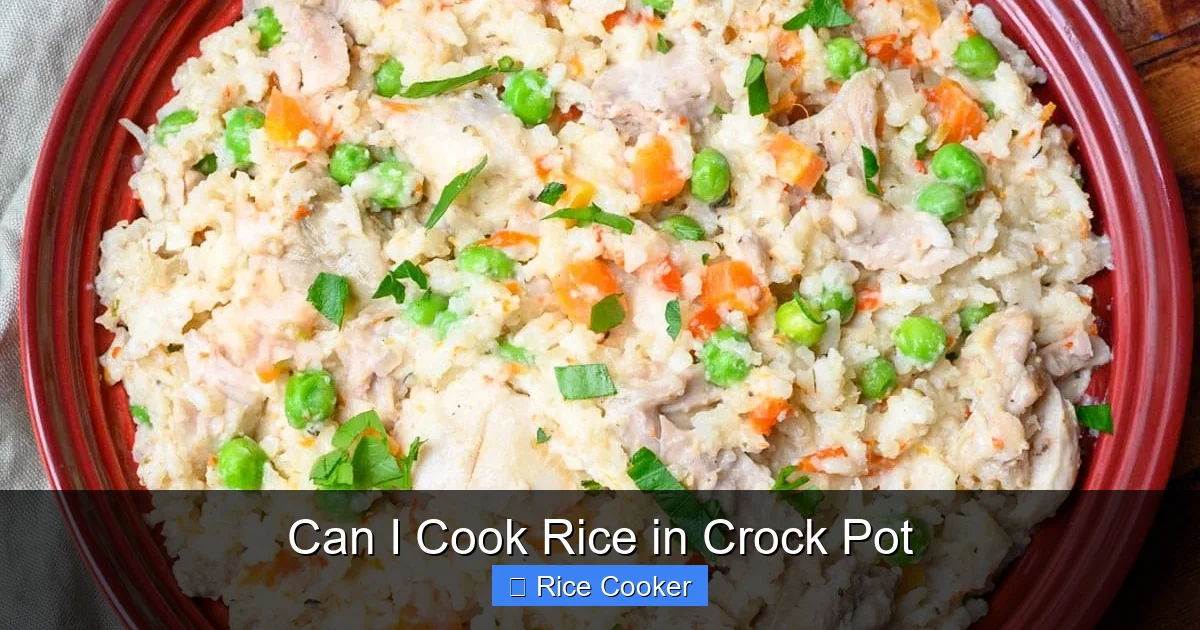
First things first: not all slow cookers are created equal, and neither are all rice types. But here’s the good news—most standard crock pots can cook rice just fine, especially if they have a high-heat setting or a “high” mode that mimics boiling conditions. The key lies in heat distribution and moisture control. Unlike stovetop rice, which cooks quickly under direct flame, slow cookers rely on steady, indirect heat. That means rice takes longer, but it also cooks more evenly—no hot spots, no scorched bottoms.
Visual guide about Can I Cook Rice in Crock Pot
Image source: mightyspatula.com
That said, some newer models come with dedicated “rice” or “porridge” settings. If yours does, even better—those are tuned specifically for grains. But if you’re using an older model or just want to know the classic way, stick with these tried-and-true steps. And don’t worry: we’ll cover everything from prep to cleanup so you feel confident every time.
Choosing the Right Rice for Your Slow Cooker
Not all rice behaves the same in a crock pot. Some types absorb moisture faster, others need more time to soften. Here’s a quick breakdown:
Visual guide about Can I Cook Rice in Crock Pot
Image source: cookingtipsblog.com
White Rice
Best bet for beginners. Long-grain white rice (like Jasmine or Basmati) works wonderfully because it doesn’t get mushy easily. It also has a neutral taste, so it pairs well with curries, stir-fries, or as a side dish.
Brown Rice
Softer, chewier texture. Takes longer to cook—usually 45 minutes to 1 hour on high. Because it’s higher in fiber, it holds onto more water. Use a 2.5:1 water-to-rice ratio instead of 2:1.
Instant Rice
If you’re in a real pinch, instant rice (like Minute Rice) can work. But it tends to break down faster, so keep an eye on it and reduce cooking time slightly. Not ideal for delicate dishes, but great for soups or casseroles where texture isn’t critical.
Sushi Rice
Stick to short-grain varieties for sushi prep. They’re starchy and sticky, which helps bind sushi rolls together. Just make sure to rinse them well before adding to the pot to remove excess starch.
Pro tip: always measure your rice by weight if possible. A digital kitchen scale gives you the most accurate results, especially for specialty grains. But if you’re using volume measurements, use a dry measuring cup—never pack it down.
Step-by-Step Guide: Cooking Rice in a Crock Pot
Ready to give it a try? Follow this foolproof process for perfect rice every time.
Gather Your Ingredients
- 1 cup uncooked rice (adjust based on servings)
- 2 cups water (or broth for extra flavor)
- Pinch of salt (optional)
- 1 tablespoon oil or butter (optional, but recommended)
Prep the Rice
Rinse your rice under cold water until the water runs clear. This removes surface starch and prevents gummy clumps. Then, soak the rinsed rice in water for 15–30 minutes. Soaking helps the grains swell evenly and reduces cooking time.
Add Everything to the Crock Pot
Place the soaked rice in the insert. Pour in the liquid (water or broth), add salt and fat (oil/butter), then give it a gentle stir. Don’t over-stir—just enough to distribute ingredients.
Cook on High
Cover the crock pot with its lid. Set it to HIGH and cook for 45–60 minutes. Avoid lifting the lid during the first 30–40 minutes. Steam needs to build up inside for proper gelatinization of starch.
Let It Rest
Once done, turn off the heat and let the rice sit, covered, for another 10 minutes. This allows residual heat to finish cooking any uncooked bits and makes the grains fluffier.
Fluff and Serve
Use a fork to gently fluff the rice. Add more salt or butter if needed. Serve immediately!
Troubleshooting Common Crock Pot Rice Problems
Even with the best intentions, things can go sideways. Here’s how to fix the most common issues.
Rice Is Too Dry
If your rice turned out hard or crumbly, you probably didn’t use enough water. For future batches, increase the liquid by ¼ cup. Also, check if your crock pot loses heat too quickly—adding a towel under the lid (see below) can help.
Rice Is Mushy
This usually happens with overcooked or under-rinsed rice. Make sure you rinse thoroughly and don’t exceed the recommended cooking time. Brown rice, in particular, can become mushy if left too long.
Grains Are Sticky Together
Too much starch? Rinse more carefully. Also, avoid stirring too much during cooking. Adding a bit of oil or butter helps coat the grains and prevents sticking.
Water Evaporated Before Rice Was Done
Some slow cookers lose moisture faster than others. Try the “towel trick” described earlier. Alternatively, start with slightly more liquid and adjust next time.
Uneven Texture
If some grains are soft and others firm, your slow cooker may have uneven heating. Stir once halfway through cooking (only if safe to open the lid briefly). Or consider switching to LOW heat for brown rice.
Pro Tips for Flavorful, Restaurant-Quality Rice
Plain white rice is great, but what if you want something more exciting? These tricks take your crock pot rice from basic to bold.
Use Broth Instead of Water
Swap water for chicken, vegetable, or beef broth. It infuses subtle flavor without complicating cleanup. Bonus: broth adds richness that makes the rice more satisfying.
Add Aromatics
Toss in a bay leaf, garlic clove, or onion slice while cooking. Remove solids before serving, but they’ll leave behind a nice background taste.
Dress It Up After Cooking
After fluffing, fold in fresh herbs (cilantro, parsley), lemon juice, or a pat of butter. This brightens up the flavor and elevates presentation.
Make Fried Rice in the Crock Pot
Cook rice as usual, then cool completely. In a skillet, scramble eggs, add veggies, and toss in cooled rice with soy sauce. No stove needed—just reheat gently.
Try Coconut Milk Rice
Replace half the water with coconut milk for a creamy, tropical twist. Great with Thai or Indian-inspired meals. Just watch the consistency—it thickens fast!
How Does Crock Pot Rice Compare to Other Methods?
Let’s put this side-by-side with stovetop and electric rice cooker results.
| Method | Texture | Hands-On Time | Best For |
|---|---|---|---|
| Stovetop | Light and fluffy | 15–20 mins | Quick meals, precise control |
| Electric Rice Cooker | Consistently perfect | 20–30 mins (mostly passive) | Everyday rice, large batches |
| Crock Pot | Soft and slightly moist | 45–60 mins + rest | Busy days, multi-step meals |
While rice cookers win on speed and consistency, crock pots shine in convenience. You can prep rice while chopping veggies or marinating meat—no babysitting required. Plus, the gentle simmer keeps flavors melding beautifully.
Final Thoughts: Should You Start Cooking Rice in a Crock Pot?
If you’re tired of standing over the stove or don’t own a rice cooker, yes—start cooking rice in your crock pot today. It’s a game-changer for meal planning. Imagine coming home to a fully cooked side dish that complements your main course without extra effort. Whether you’re feeding two or eight, this method scales easily. Double the recipe? Triple it? No problem.
And honestly? There’s something deeply satisfying about knowing your meal came together effortlessly. No stress, no last-minute rushes. Just warm, comforting rice waiting for you at the end of a long day. Plus, once you master the basics, you’ll find endless ways to customize it—from spicy Mexican rice to savory pilafs with mushrooms and herbs.
So go ahead—grab that bag of rice, dust off your slow cooker, and prove that sometimes the simplest tools make the biggest difference. You’ve got this!
Frequently Asked Questions
What’s the best type of rice for crock pot cooking?
Answer: Long-grain white rice like Jasmine or Basmati is ideal because it stays separate and doesn’t get mushy. Brown rice also works but requires more water and time.
How much water should I use per cup of rice?
Answer: Use 2 cups of water for every 1 cup of long-grain white rice. For brown rice, increase to 2.5 cups due to its higher fiber content.
Can I cook rice in a slow cooker without soaking it?
Answer: Yes, but soaking helps the grains cook more evenly and reduces total cooking time. If skipping soak, add a little extra water and watch closely toward the end.
Will my crock pot burn the rice if I forget to stir?
Answer: Probably not—slow cookers use low, indirect heat. However, stirring once halfway through can help ensure even cooking, especially with brown rice.
How do I store leftover crock pot rice?
Answer: Cool completely, transfer to an airtight container, and refrigerate for up to 5 days or freeze for up to 3 months. Reheat gently with a splash of water to restore moisture.
Can I cook rice directly in the crock pot insert?
Answer: Yes! Just make sure the insert is clean and dry before adding rice and liquid. Some inserts are non-stick, which makes cleanup easier.