
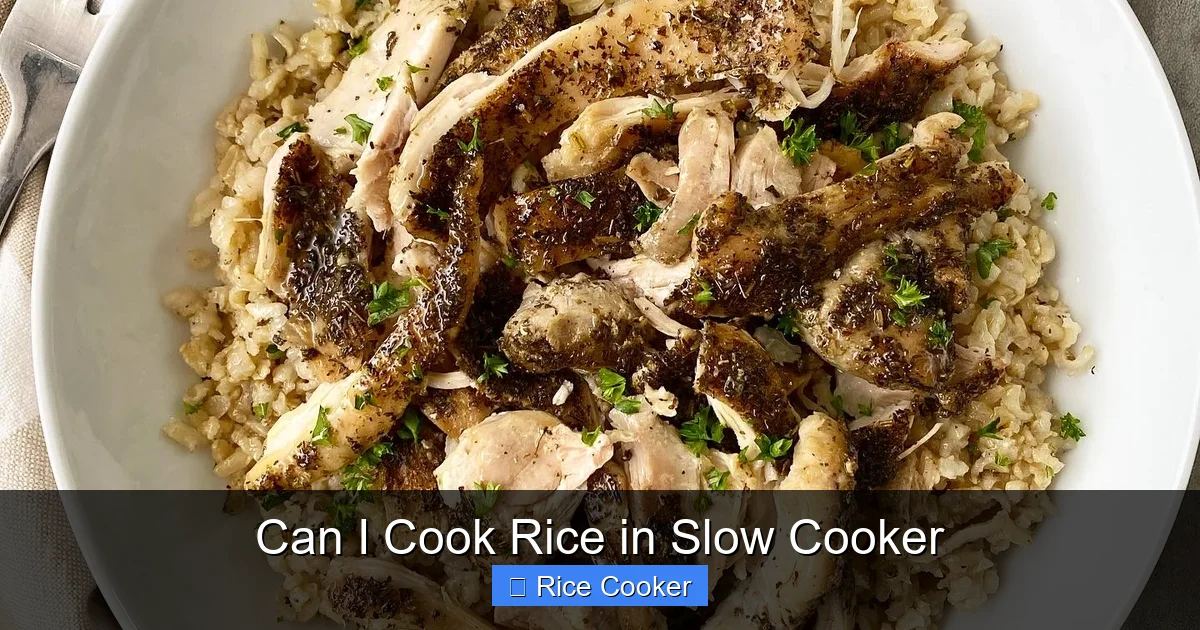
Can I cook rice in a slow cooker? Absolutely! While it may not be as common as using a stovetop or electric rice cooker, cooking rice in a slow cooker is not only possible—it’s simple, hands-off, and yields delicious results. With the right rice-to-water ratio and timing, your slow cooker can produce fluffy white rice, creamy risotto-style dishes, or even savory one-pot meals. This method saves time, reduces cleanup, and works great for busy weeknights.
Key Takeaways
- Slow cookers can cook rice perfectly when used with the correct water-to-rice ratio and cooking time—typically 1:1.5 to 1:2 (rice to water).
- White rice cooks faster than brown or wild rice; brown rice needs longer soaking and higher liquid levels due to its bran layer.
- Pre-soaking rice (30–60 minutes) helps achieve more consistent texture and shorter active cooking time.
- Use the low setting for most types of rice to avoid scorching, especially if your slow cooker runs hot.
- Fluffing and resting after cooking ensures even grain separation and prevents mushiness.
- You can add flavor by sautéing aromatics first, using broth instead of water, or adding herbs and spices during cooking.
- Cleanup is minimal since everything goes in one pot—ideal for meal prep or hands-off dinners.
📑 Table of Contents
- Can I Cook Rice in Slow Cooker? The Ultimate Guide to Fluffy, Hands-Off Meals
- Why Use a Slow Cooker for Rice?
- The Science Behind Cooking Rice in a Slow Cooker
- Best Types of Rice for Slow Cooking
- Step-by-Step: How to Cook Perfect Rice in a Slow Cooker
- Creative Ways to Elevate Your Slow-Cooker Rice
- Slow Cooker vs. Other Methods: A Quick Comparison
- Pro Tips for Success Every Time
- Conclusion: Embrace the Versatility of Your Slow Cooker
Can I Cook Rice in Slow Cooker? The Ultimate Guide to Fluffy, Hands-Off Meals
Have you ever looked at your slow cooker and thought, “Wait… can I actually cook rice in this thing?” If so, you’re not alone. At first glance, slow cookers seem like they’re built for soups, stews, and braised meats—not delicate grains like rice. But here’s the truth: yes, you absolutely can cook rice in a slow cooker, and it might just become your new go-to method for easy, worry-free meals.
Cooking rice on the stovetop requires constant attention—stirring, watching the pot, adjusting heat—while an electric rice cooker does all the work but lives on the countertop. A slow cooker sits somewhere in between: it’s hands-off, energy-efficient, and perfect for building layered flavors. Whether you’re prepping for a family dinner, meal prepping for the week, or just tired of scrubbing pots, learning how to cook rice in a slow cooker opens up a whole new world of kitchen possibilities.
Why Use a Slow Cooker for Rice?
Before diving into recipes or techniques, let’s talk about why anyone would choose a slow cooker over other methods. For starters, slow cookers are ideal for unattended cooking. You can toss in your ingredients before leaving for work, and come home to a fully cooked, aromatic meal. No babysitting the stove required.
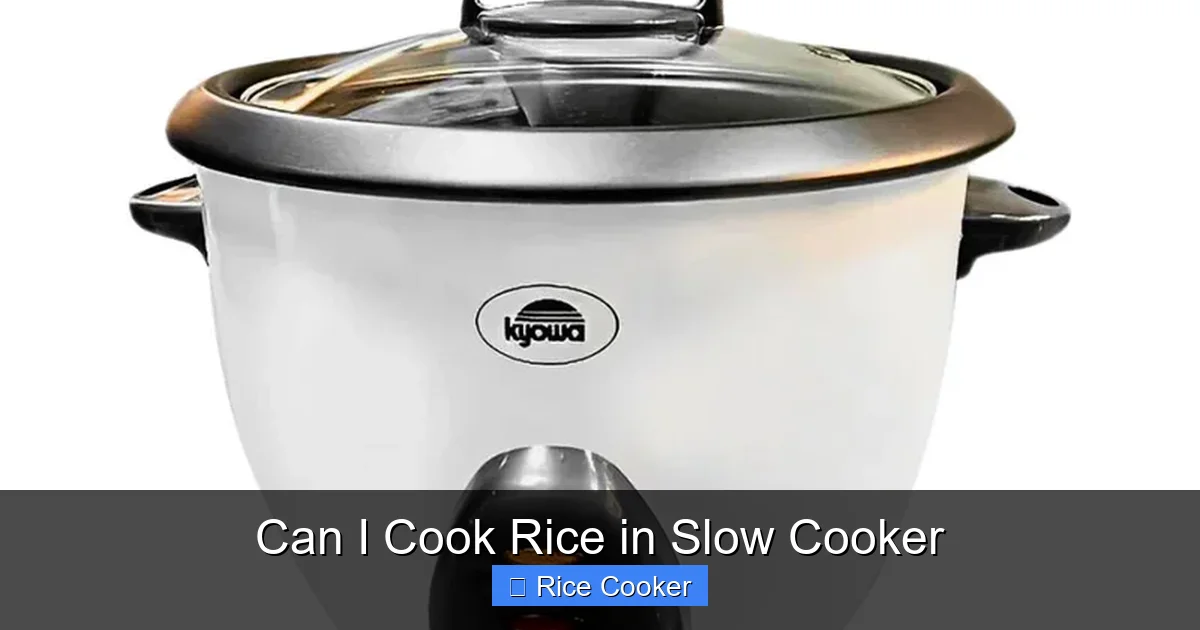
Visual guide about Can I Cook Rice in Slow Cooker
Image source: shopsuki.ph
Second, slow cookers excel at distributing heat evenly across large volumes of food. This consistency helps prevent burning or uneven cooking—common pitfalls when making rice on high heat. And because rice absorbs liquid slowly over time, the gentle, steady warmth of a slow cooker mimics the effect of simmering without the risk of boiling over.
Finally, using a slow cooker keeps your kitchen cooler during summer months. No hot stovetops means less heat buildup indoors—perfect for those sweltering days when you don’t want to turn on the oven.
The Science Behind Cooking Rice in a Slow Cooker
How Does Heat Transform Starchy Grains?
Rice cooks through a process called gelatinization, where heat causes starch molecules to swell and absorb water. In a slow cooker, this happens gradually under moist, covered conditions. The key is maintaining enough liquid to keep the grains soft while avoiding excess that leads to sogginess.
Why Ratios Matter More Than Timing
Unlike boiling rice, which relies heavily on precise timing, slow-cooker rice depends more on the right water-to-rice ratio. Too little water = dry, chalky grains. Too much = mushy, glue-like clumps. Most experts recommend starting with 1 cup of uncooked rice to 1.5 to 2 cups of liquid (water or broth). Brown rice typically needs more water (up to 2.5 cups per cup of rice) and longer cooking times due to its fibrous outer hull.
Temperature Control Is Everything
Slower cookers vary in temperature control. Many models only offer High/Low settings, and “Low” can still run quite warm—sometimes hotter than intended. To prevent scorching, especially with sticky grains like jasmine or basmati, always use the Low setting. Also, avoid opening the lid frequently; steam escaping disrupts temperature and extends cooking time.
Best Types of Rice for Slow Cooking
White Short-Grain Rice (Jasmine, Arborio)
These varieties are ideal for slow cookers because they absorb moisture well and stay tender without falling apart. Jasmine rice, popular in Southeast Asian cuisine, becomes fragrant and slightly sticky when cooked slowly—great for fried rice bases or paella-style dishes.
Basmati and Long-Grain White Rice
While not as forgiving as short-grain types, long-grain white rice can still work in a slow cooker if you adjust ratios carefully. Rinse it thoroughly beforehand to remove excess starch, which helps prevent clumping. Cook on Low with 1.75 cups of water per cup of rice.
BROWN RICE
Brown rice requires patience but rewards you with nutty flavor and chewy texture. Because it has a protective bran layer, it needs extra time and water. Soak it overnight or for at least 30 minutes, then cook on Low with 2.5 cups of water per cup of rice. Expect 2.5 to 3 hours total.
Wild Rice and Other Varieties
Wild rice is technically an aquatic grass, not a grain, and cooks differently. It needs extended soaking (at least 4 hours) and up to 4 cups of water per cup of rice. Cook on Low for 3–4 hours until tender but firm. Quinoa also works surprisingly well—use 1:1.5 ratio and 30–40 minutes on Low.
Step-by-Step: How to Cook Perfect Rice in a Slow Cooker
Ingredients & Tools You’ll Need
- 1 cup uncooked rice (white or brown)
- 1.5–2.5 cups liquid (water or broth)
- Salt (optional)
- Slow cooker (6–8 quart recommended)
- Fine-mesh strainer (for rinsing)
- Measuring cups
Preparation Tips Before Adding Rice
Start by rinsing your rice under cold running water until the water runs clear. This removes surface starch, reducing stickiness and helping grains separate. For brown rice, soak it for at least 30 minutes—ideally overnight—to soften the bran and shorten cooking time.
The Actual Cooking Process
- Add liquid to the slow cooker first—never add dry ingredients directly to hot liquid. Start with water or broth, plus a pinch of salt if desired.
- Add rinsed (and soaked) rice and stir gently to distribute evenly.
- Cover and set to Low. Do not lift the lid during cooking unless absolutely necessary.
- Check after 30 minutes for white rice, or after 1 hour for brown rice. Most white rice finishes in 45–60 minutes; brown rice takes 2–2.5 hours.
- Let it rest for 10 minutes after turning off the heat. This allows residual steam to finish cooking grains without drying them out.
- Fluff with a fork and serve immediately.
Troubleshooting Common Issues
- Rice is too wet or mushy? Next time, reduce water by ¼ cup and ensure you’re not overfilling the slow cooker (it should be no more than halfway full).
- Grains are hard or undercooked? Add ½ cup more liquid and cook 15–20 minutes longer. Cover tightly to retain steam.
- Burned bottom layer? Your slow cooker runs hot. Stir once halfway through cooking (only if safe to open), or place a trivet or parchment paper underneath the rice to elevate it.
Creative Ways to Elevate Your Slow-Cooker Rice
Infusing Flavor from the Start
Instead of plain water, try using chicken, vegetable, or beef broth. Garlic, onion slices, bay leaves, or a splash of soy sauce added to the liquid base infuse subtle depth. For Mexican flair, add cumin, lime zest, or chopped tomatoes.
Sautéing Aromatics First (Optional)
If your slow cooker has a sauté function (many do), lightly fry minced garlic, ginger, or shallots in oil before adding rice and liquid. This builds richer flavor compared to just dumping everything in.
One-Pot Comfort Dishes
Turn your rice into a complete meal by adding protein and veggies. Try:
- Chicken thighs with carrots, peas, and thyme
- Shrimp and bell peppers with lemon juice
- Black beans, corn, and diced tomatoes for a Tex-Mex bowl
Cook all together on Low for 3–4 hours.
Dessert Rice Puddings
Yes, sweet rice is possible! Combine rice, milk, cinnamon stick, a dash of vanilla, and sugar. Cook on Low for 2–3 hours, stirring occasionally. Serve warm with fruit or nuts.
Slow Cooker vs. Other Methods: A Quick Comparison
| Method | Time | Hands-On Effort | Texture Control | Best For |
|---|---|---|---|---|
| Stovetop | 15–30 min | High (stirring) | Good | Quick weekday meals |
| Electric Rice Cooker | 20–40 min | None | Excellent | Precise, consistent results |
| Slow Cooker | 45–240 min | Low | Fair (needs monitoring) | Hands-off, flavorful meals |
| Air Fryer | 20–30 min | Medium | Variable | Small batches, crispy edges |
While no single method beats a dedicated rice cooker for pure efficiency, the slow cooker shines when you want integrated meals with minimal effort. It’s also gentler on delicate grains than boiling, reducing the chance of scorching.
Pro Tips for Success Every Time
- Don’t overfill: Leave at least 1 inch of space above the rice to allow steam circulation.
- Use a timer: Even if you’re away from home, set an alarm to check doneness near the end.
- Experiment with textures: Want firmer grains? Use less water. Prefer creamier? Add ½ cup heavy cream at the end.
- Store leftovers properly: Cool completely, cover tightly, and refrigerate within 2 hours. Reheat with a splash of water to revive moisture.
- Clean your slow cooker promptly: Rice residue hardens and sticks if left to dry—rinse while warm.
Conclusion: Embrace the Versatility of Your Slow Cooker
So, can I cook rice in a slow cooker? The answer is a resounding yes—and now you know exactly how to do it right. Whether you’re whipping up plain white rice, hearty brown rice bowls, or gourmet risotto-inspired dishes, your slow cooker can handle it all. It’s a flexible, energy-saving appliance that turns simple ingredients into satisfying meals with zero stress.
Give it a try tonight. Measure your rice, add the right amount of liquid, hit that Low button, and walk away. Come back to perfectly cooked, aromatic rice ready to shine as a side dish or star of the meal. With these tips, you’ll never look at your slow cooker the same way again.
Frequently Asked Questions
Can I cook rice in a slow cooker without soaking it?
Yes, but soaking improves texture and shortens cooking time. For white rice, rinsing and cooking on Low works fine without soaking. Brown rice benefits greatly from soaking to soften the bran layer.
How much water do I use per cup of rice in a slow cooker?
For white rice: 1.5–1.75 cups water. For brown rice: 2.25–2.5 cups. Always start with less water than you think you need—you can always add more, but removing excess liquid is harder.
Why is my slow cooker rice sticky or clumpy?
Excess starch or insufficient rinsing causes stickiness. Rinse rice thoroughly before cooking, and avoid overfilling the slow cooker. Using broth instead of water can also help separate grains.
Can I cook rice in a slow cooker on high heat?
It’s not recommended. High heat risks burning the bottom layer and uneven cooking. Stick to Low for best results, especially with long-grain or wild rice.
How long does it take to cook rice in a slow cooker?
White rice: 45–60 minutes on Low. Brown rice: 2–2.5 hours. Wild rice may take 3–4 hours. Check periodically toward the end to avoid overcooking.
Can I add vegetables or meat to slow cooker rice?
Absolutely! Add diced carrots, peas, or shredded chicken during the last 30 minutes of cooking to prevent overcooking. Just ensure the main liquid level stays above the rice.