
You absolutely can cook rice in stainless steel, but doing it right makes all the difference. With the proper pot, heat control, and water-to-rice ratio, stainless steel delivers fluffy, evenly cooked grains every time. Avoid common pitfalls like scorching or uneven cooking by following a few simple steps tailored for this durable, versatile material.
Key Takeaways
- Stainless steel is safe and effective for cooking rice when used correctly—it’s non-reactive, durable, and conducts heat well.
- Choose a heavy-bottomed stainless steel pot to ensure even heat distribution and prevent hot spots that cause burnt or undercooked rice.
- Use a tight-fitting lid to trap steam, which is essential for soft, fluffy rice without drying out the bottom.
- Preheat the pot slightly before adding ingredients to help regulate cooking temperature and reduce sticking.
- Follow precise water ratios (typically 1:2 for white rice) and adjust based on grain type and desired texture.
- Let rice rest after cooking for 5–10 minutes to finish steaming and equalize moisture throughout the grains.
- Cleaning is easy—stainless steel resists stains and odors, and most residue wipes off with warm soapy water.
[FEATURED_IMAGE_PLACEHOLDER]
Key Takeaways
- Understanding can i cook rice in stainless steel: Provides essential knowledge
📑 Table of Contents
- Can I Cook Rice in Stainless Steel?
- Why Choose Stainless Steel for Cooking Rice?
- Choosing the Right Stainless Steel Pot
- Step-by-Step Guide: Cooking Rice in Stainless Steel
- Tips for Different Types of Rice
- Advanced Techniques for Flavorful Rice
- Cleaning and Maintaining Your Stainless Steel Pot
- When to Consider a Rice Cooker Instead
- Final Thoughts: Mastery Through Practice
Can I Cook Rice in Stainless Steel?
Cooking rice might seem simple, but getting it just right takes attention to detail. Whether you’re making a fluffy jasmine base for Thai stir-fries or a hearty pilaf with vegetables and herbs, the vessel you use plays a big role. Many home cooks reach for their trusty stainless steel pots and pans—after all, they’re everywhere in the kitchen. But can you actually cook rice successfully in stainless steel? The short answer? Absolutely! But there are some important things to keep in mind to avoid disaster.
Unlike nonstick pans that allow food to slide around easily, stainless steel requires more care during cooking. It doesn’t have a slick surface, and it doesn’t distribute heat as evenly as copper or aluminum unless designed properly. That means if you rush the process or use a flimsy pot, your rice could end up soggy, sticky, or worse—burnt at the bottom. So yes, you can cook rice in stainless steel, but doing it well requires understanding its strengths and limitations.
In this guide, we’ll walk through everything you need to know: from selecting the best pot to mastering timing and seasoning. You’ll learn how to make restaurant-quality rice using only what’s already in your kitchen. No fancy gadgets required—just good technique and a little patience.
Why Choose Stainless Steel for Cooking Rice?
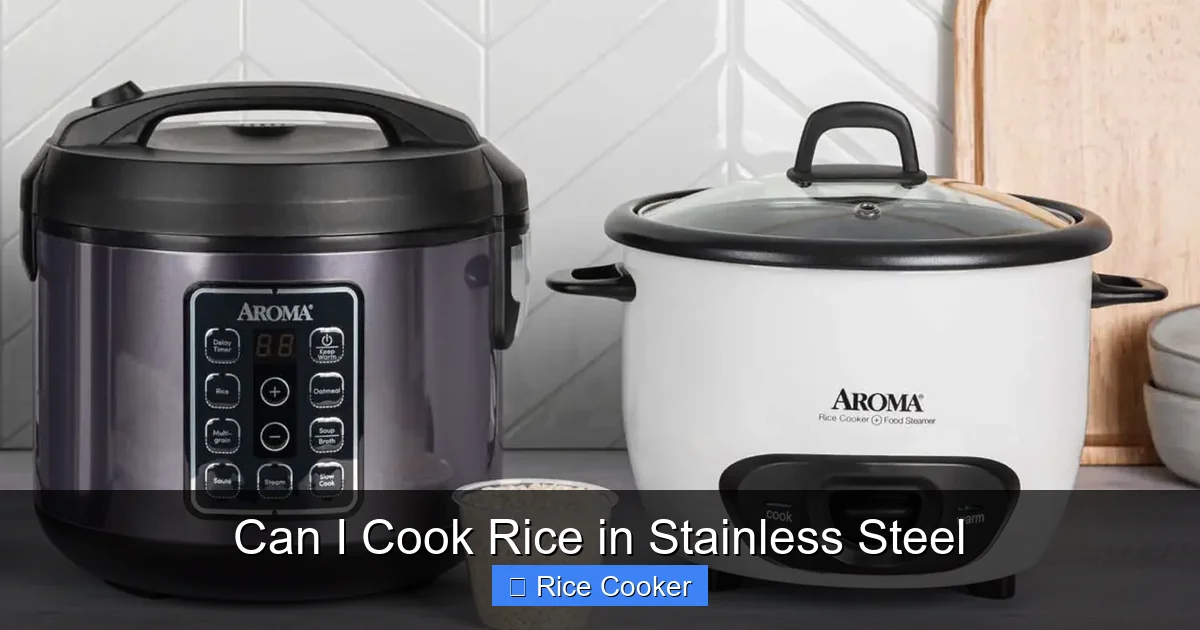
Visual guide about Can I Cook Rice in Stainless Steel
Image source: storables.com
Stainless steel has been a kitchen staple for decades, and for good reason. It’s durable, rust-resistant, and doesn’t react with acidic or alkaline foods. When it comes to rice, these qualities make it an excellent choice—especially compared to cheaper alternatives like thin aluminum or low-quality nonstick coatings that degrade over time.
One of the biggest advantages of stainless steel is its longevity. A well-made stainless steel pot will last generations, unlike many nonstick pans that start peeling after a year or two. Plus, stainless steel is dishwasher-safe and stands up to scrubbing without losing its shine. This durability also means fewer chemicals leaching into your food, which is reassuring for health-conscious cooks.
Another plus? Versatility. A single stainless steel pot can handle boiling pasta, simmering sauces, searing meats, and yes—cooking perfect rice. You don’t need a separate rice cooker if you’ve got a good pot. And while dedicated rice cookers offer convenience, many chefs swear by stovetop methods for superior flavor control and texture.
However, not all stainless steel is created equal. Thin pots may warp under high heat, leading to uneven cooking. Look for pots labeled “induction-compatible” or “heavy-gauge stainless steel”—these are built to handle the demands of stovetop cooking.
The Science Behind Perfect Rice
Rice cooks through a process called gelatinization, where starches absorb water, swell, and become soft and cohesive. This happens best under consistent, gentle heat and sealed conditions. Steam builds pressure inside the pot, helping grains plump up and separate.
When you use stainless steel, you’re relying on your skill to mimic those ideal conditions. Unlike electric rice cookers that maintain precise temperatures automatically, you must monitor the stove closely. But with practice, you’ll develop a feel for when the water simmers, evaporates, and transforms into tender grains.
Choosing the Right Stainless Steel Pot
Not every stainless steel pot is suitable for cooking rice. Here’s how to pick one that works:
Look for Heavy Bottoms
Thin-bottomed pots create hot spots that burn the bottom before the top is done. Heavy-bottomed stainless steel distributes heat more evenly, reducing the risk of scorching. Brands like All-Clad, Cuisinart, and Calphalon are known for their thick, responsive bases.
Size Matters
Use a pot large enough to hold the rice without crowding. Overcrowding prevents even heat exposure. For example, if you’re cooking 2 cups of uncooked rice, choose a 3- to 4-quart pot. Too small, and the rice might boil over; too large, and the grains won’t cook uniformly.
Check the Lid Fit
A tight-fitting lid is crucial. Gaps let steam escape, slowing down the cooking process and resulting in mushy rice. If your pot came with a lid, test it by placing a tea towel over the rim—steam should fog the glass without leaking out.
Induction Compatibility Isn’t Just for Induction Ranges
Even if you don’t have an induction stove, look for pots with magnetic bases. These indicate thicker steel layers that conduct heat better across all stove types, including gas and electric.
Step-by-Step Guide: Cooking Rice in Stainless Steel
Ready to try it yourself? Follow this foolproof method for foolproof results every time.
Gather Your Ingredients and Tools
You’ll need:
– 1 cup long-grain white rice (or basmati, jasmine, etc.)
– 2 cups water (adjust slightly for different grains)
– ½ teaspoon salt (optional)
– A heavy-bottomed stainless steel pot with a tight lid
– A fine-mesh strainer (for rinsing)
– Measuring cups
Rinse the Rice
Rinsing removes excess starch that causes stickiness. Place rice in a strainer and rinse under cold running water until the water runs clear. This step is especially important for short-grain or sushi rice.
Combine Rice, Water, and Salt
Add rinsed rice, water, and salt to the pot. Stir once gently to combine. Don’t cover yet!
Bring to a Boil
Place the pot on medium-high heat. Bring the mixture to a rolling boil, stirring occasionally to prevent sticking. Once boiling, immediately reduce heat to low.
Cover and Simmer
Put the lid on tightly. Let the rice simmer undisturbed for about 15–18 minutes (longer for brown rice). You should hear a gentle hissing sound as steam escapes—this means the pot is sealing properly.
Turn Off Heat and Rest
After simmering, turn off the heat and let the rice sit, covered, for 5–10 minutes. This resting period allows residual heat to finish cooking the center and equalize moisture.
Fluff and Serve
Use a fork to fluff the rice gently. Avoid pressing down—this compacts the grains. Serve immediately.
Troubleshooting Common Issues
– **Burnt bottom?** Use a heavier pot or lower heat next time.
– **Soggy rice?** Cook uncovered for 1–2 extra minutes after boiling to evaporate excess moisture.
– **Grains sticking together?** Rinse thoroughly before cooking and don’t stir after covering.
Tips for Different Types of Rice
Different grains behave differently in stainless steel. Adjust your method based on the variety you’re using.
White Rice (Jasmine, Basmati, Long-Grain)
These cook fastest and work well with the standard 1:2 ratio. Jasmine rice can be slightly stickier, so rinse well. Basmati expands more, so give it a bit more room in the pot.
Brown Rice
Brown rice needs more water and longer cooking time—use 1.5 cups water per 1 cup rice and simmer for 30–35 minutes. It’s chewier and nuttier, so patience pays off.
Wild Rice
This ancient grain takes the longest—up to 50 minutes. Combine with white rice for balance. Use 3 cups water per 1 cup wild rice.
Sushi Rice
Stickiness is intentional! Rinse just enough to remove surface starch—don’t over-rinse. Cook with a 1:1.2 water ratio and serve warm.
Advanced Techniques for Flavorful Rice
Want to elevate your rice game? Try these tricks:
Cook Rice in Broth Instead of Water
Replace half or all of the water with chicken, vegetable, or beef broth. Add herbs like bay leaves, garlic cloves, or ginger slices while boiling. Remove solids before serving.
Add Aromatics During Steaming
After turning off the heat, insert a cinnamon stick, whole peppercorns, or lemon zest into the rice through the steam vent. Let them infuse during the resting phase.
Toast the Rice First
For pilaf-style rice, sauté dry rice in butter or oil for 2–3 minutes before adding water. This adds nuttiness and helps grains stay separate.
Use a Double Boiler Method
For delicate dishes like risotto or steamed dumpling fillings, place the rice pot inside a larger pot of simmering water. This indirect heat prevents burning.
Cleaning and Maintaining Your Stainless Steel Pot
One of stainless steel’s best features is how easy it is to clean. Most rice residue wipes away with warm soapy water. For stubborn stuck-on bits, try:
– Baking soda paste (mix 1 tbsp baking soda with water)
– White vinegar soak (fill pot halfway with warm water and add ½ cup vinegar; bring to boil, then cool and scrub)
– Dish soap and a sponge
Avoid metal scouring pads—they scratch the surface and trap food particles. Dry immediately after washing to prevent water spots.
With proper care, your stainless steel rice pot will remain smooth, shiny, and functional for years. Regular use also helps build a natural nonstick patina over time, though it’s not as slick as true nonstick coating.
When to Consider a Rice Cooker Instead
While stainless steel works great, a dedicated rice cooker offers unmatched convenience. Electric models handle timing, temperature, and even keep rice warm for hours. They’re ideal for meal prep or busy households.
But here’s the thing: many professional kitchens skip rice cookers entirely. Why? Because stovetop cooking gives you full control—no guessing games, no waiting for power cycles. Plus, you can multitask: start rice on the stove while chopping veggies or marinating meat.
So ask yourself: Do you value precision or flexibility? If you love experimenting with flavors and techniques, stick with stainless steel. If you want consistency with minimal effort, go electric.
Either way, both tools belong in a modern kitchen.
Final Thoughts: Mastery Through Practice
Cooking rice in stainless steel isn’t magic—it’s science, patience, and practice. At first, you might get inconsistent results. Some batches will be perfect; others might fall short. That’s normal! Even experienced chefs adjust their methods based on altitude, humidity, and stove differences.
The key is observation. Watch how your pot behaves under different conditions. Note which brands perform best. Develop a rhythm: rinse, measure, boil, simmer, rest, fluff. Soon, it becomes second nature.
And remember—there’s no single “right” way to cook rice. Whether you use stainless steel, enameled cast iron, or a rice cooker, the goal is always the same: tender, separated grains with just the right amount of moisture. Experiment, taste, and refine. Your perfect bowl of rice awaits.
Frequently Asked Questions
Can I cook rice directly in a stainless steel saucepan without a lid?
Technically yes, but it’s not recommended. Without a tight-fitting lid, steam escapes rapidly, slowing down cooking and often leaving rice undercooked or uneven. Covering the pot traps heat and moisture, ensuring even gelatinization of starches for fluffy, fully cooked grains.
Will stainless steel affect the taste of my rice?
No, high-quality stainless steel is non-reactive, meaning it won’t impart any metallic flavor to your rice. As long as your pot is food-grade and clean, your rice will taste exactly as intended—fluffy, aromatic, and fresh.
How do I prevent my rice from sticking to stainless steel?
To minimize sticking, avoid high heat after the initial boil. Stir gently once during boiling, then leave it alone. Using a heavy-bottomed pot and ensuring adequate fat (like a drop of oil or butter) can also help prevent adhesion. Don’t press down with a spoon when fluffing—this compacts grains and increases stickiness.
Is stainless steel better than nonstick for cooking rice?
It depends on your priorities. Stainless steel is more durable and safer long-term since it doesn’t degrade or release harmful chemicals when scratched. Nonstick pans are easier to clean and prevent sticking, but they require gentler cleaning tools and have shorter lifespans. For most home cooks, stainless steel offers the best balance of performance and longevity.
Can I cook other grains in stainless steel using the same method?
Yes! Quinoa, barley, farro, and millet all work well using similar techniques. Adjust water ratios and cooking times accordingly—quinoa needs about 2:1 water and 15 minutes, while barley may take up to 45 minutes. Always check package instructions as a starting point.
What if my stainless steel pot has scratches or discoloration from burned rice?
Minor scratches are normal and don’t compromise safety or function. To remove discoloration or baked-on residue, make a paste of baking soda and water, apply to the affected area, let sit for 15 minutes, then scrub with a soft sponge. For deep stains, boil a mixture of equal parts water and white vinegar, let cool, then wipe clean.