
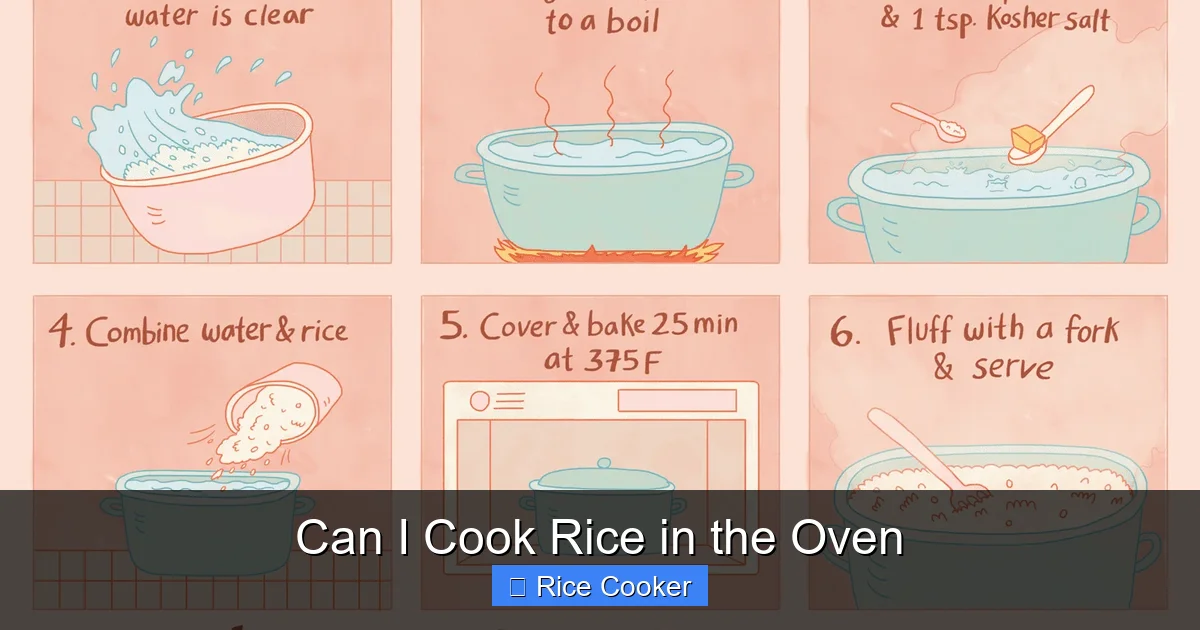
You can cook rice in the oven—yes, really! It’s a foolproof, low-effort method that delivers perfectly fluffy results without constant attention. Whether you’re meal prepping or just tired of the stovetop, the oven does all the work while you relax. With the right ratio, timing, and pan, you’ll get restaurant-quality rice every time.
Have you ever wondered if you can cook rice in the oven? The short answer: absolutely yes. While most people rely on stovetops or rice cookers, baking rice in the oven is a surprisingly reliable method that requires minimal attention and yields consistently fluffy results. It’s especially handy when you’re preparing large batches for meal prep, want to free up your stovetop, or simply prefer a hands-off approach. Plus, the oven’s steady heat helps cook rice evenly from edge to center, eliminating those dreaded undercooked clumps.
Cooking rice in the oven isn’t about replacing your rice cooker—it’s about expanding your kitchen toolkit. Whether you’re making jasmine rice, basmati, brown rice, or even wild rice, the oven can handle it all. In this guide, we’ll walk you through everything you need to know: from choosing the right pan and rice type to mastering the perfect water ratio and baking time. We’ll also share pro tips for flavoring your rice, troubleshooting common issues, and using the oven method for more than just plain white rice. By the end, you’ll be ready to bake your way to delicious, perfectly cooked rice—no stovetop required.
Key Takeaways
- Oven-cooked rice is possible and surprisingly easy. You only need a heatproof baking dish, water, and your favorite rice variety.
- The key to success is using the right rice-to-water ratio. Typically, 1 part rice to 2 parts water works well for most types.
- Baking temperature and time depend on the rice type. White rice usually takes 35–40 minutes at 375°F (190°C), while brown rice needs longer—around 45–60 minutes.
- Covering the dish prevents moisture loss and ensures even cooking. Use foil or a lid to trap steam.
- Resting the rice after baking improves texture. Let it sit for 5–10 minutes before fluffing.
- You can customize oven rice with added flavors. Try broth instead of water, or toss in herbs, garlic, or spices before baking.
- Cleanup is easier than you think. A non-stick or parchment-lined pan makes serving and washing a breeze.
Quick Answers to Common Questions
Can I cook rice in the oven without a lid?
It’s not recommended. Without a lid or foil, steam escapes, leading to dry, unevenly cooked rice. Always cover the dish to trap moisture.
Do I need to soak rice before baking?
No, but soaking brown or wild rice for 30 minutes can speed up cooking and improve texture. White rice doesn’t require it.
Can I cook rice in the microwave instead?
Yes, but the method is different—use a microwave-safe dish with a vented lid and follow specific timing for your rice type.
How much water do I use per cup of rice?
Use 2 cups of water for every 1 cup of white rice. For brown rice, use 2.5 cups to ensure proper absorption.
Can I add vegetables to oven rice?
Absolutely! Dice carrots, peas, or zucchini and mix them in before baking. Just add a bit more liquid since veggies release moisture.
📑 Table of Contents
- Why Cook Rice in the Oven?
- What Type of Rice Works Best in the Oven?
- Essential Tools and Equipment
- Step-by-Step Guide: How to Cook Rice in the Oven
- Tips for Perfect Oven-Cooked Rice
- Flavored and Creative Oven Rice Recipes
- Troubleshooting Common Issues
- How Does Oven Rice Compare to Other Methods?
- Final Thoughts: Is Oven Rice Worth It?
Why Cook Rice in the Oven?
There are several reasons why baking rice might be a better option than boiling it on the stove. For starters, it frees up your burners, which is a huge win during busy weeknights when multiple dishes are on the go. The oven also provides consistent, even heat, which helps prevent hot spots and ensures every grain cooks uniformly. Unlike the pot-on-the-stove method, where you have to keep an eye on the water level and stir occasionally, oven rice bakes undisturbed—perfect for multitasking or relaxing while dinner cooks itself.
Another benefit is control over moisture. Since the oven traps steam naturally, there’s less risk of evaporation, which can lead to dry or unevenly cooked rice. And because you’re not constantly stirring, the grains stay intact and separate—ideal for salads, fried rice, or grain bowls. Plus, oven-cooked rice develops a subtle, nutty flavor that many find more appealing than stovetop versions. It’s especially great for dishes like biryani, pilafs, or even rice pudding.
What Type of Rice Works Best in the Oven?
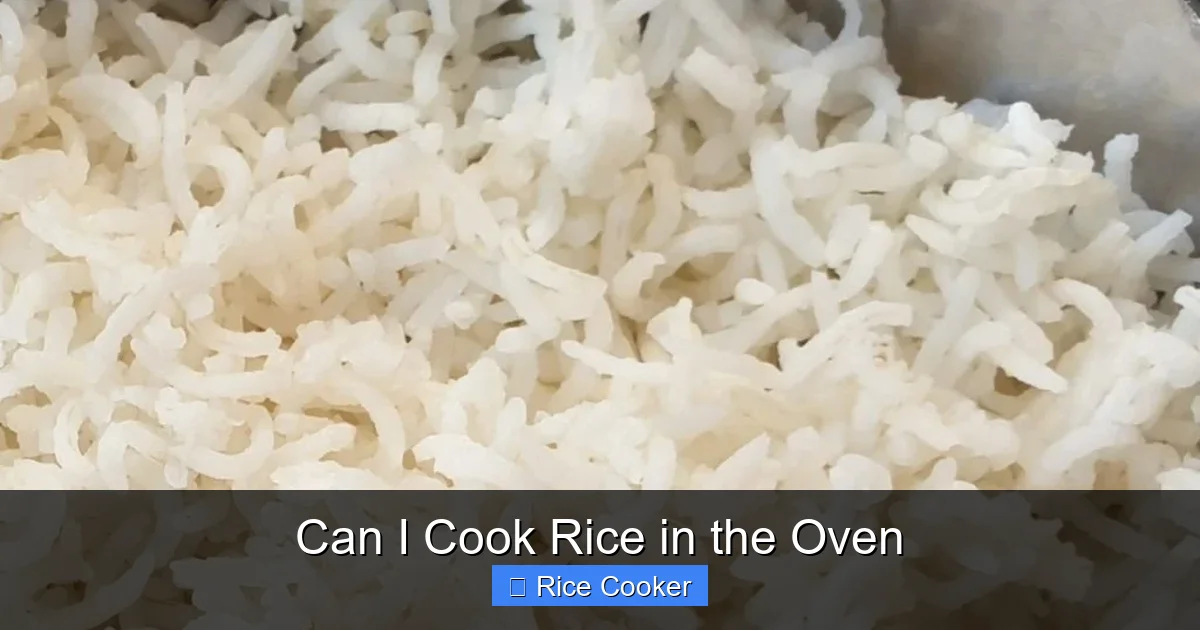
Visual guide about Can I Cook Rice in the Oven
Image source: foodleclub.com
Not all rice varieties are created equal when it comes to baking. Generally, long-grain white rice, such as jasmine or basmati, works best because it absorbs water efficiently and doesn’t become mushy when baked. Short-grain rice, like sushi or arborio, can also work but may turn softer due to higher starch content. Brown rice is a bit trickier—it has a tougher outer bran layer that takes longer to soften—but it’s still totally doable in the oven with adjusted timing and water ratios.
Here’s a quick breakdown:
White Rice Varieties
- Jasmine: Fragrant and slightly sticky, ideal for Asian dishes.
- Basmati: Light and fluffy with a delicate aroma; perfect for Indian and Middle Eastern meals.
- Long-Grain White: Neutral flavor and firm texture; great for side dishes.
Brown Rice Varieties
- Long-Grain Brown: Nutty flavor and chewy texture; requires more water and time.
- Short-Grain Brown: Stickier than white short-grain; best for risotto-style dishes.
- Wild Rice: Bitter and chewy; best soaked overnight before baking.
- Sushi Rice: High starch content; use with caution and extra water.
- White Rice: 35–40 minutes
- Brown Rice: 45–60 minutes
- Wild Rice: 50–60 minutes (after soaking)
Specialty Rices
For beginners, we recommend starting with long-grain white rice—it’s forgiving and delivers consistent results every time.
Essential Tools and Equipment
Visual guide about Can I Cook Rice in the Oven
Image source: grillseeker.com
To cook rice in the oven successfully, you don’t need fancy gadgets. Just gather a few basic items:
Heatproof Baking Dish
Choose a deep, oven-safe dish—something that can hold the rice and water without overflowing. A glass or ceramic casserole dish works best. Avoid metal pans unless they’re labeled oven-safe, as some react with acidic ingredients.
Lid or Foil
Steam is your friend here. Covering the dish traps moisture and ensures even cooking. If you don’t have a lid, tightly wrap the dish with aluminum foil.
Measuring Cup and Spoon
Accuracy matters. Use a standard measuring cup for water and a wooden spoon or spatula to fluff the rice later.
Cutting Board and Knife (Optional)
If you’re adding aromatics like onions, garlic, or carrots, prepare them ahead of time.
Non-Stick Spray or Oil (Optional)
Lightly greasing the dish prevents sticking and makes cleanup easier. Olive oil, butter, or cooking spray all work well.
Step-by-Step Guide: How to Cook Rice in the Oven
Follow these simple steps to bake perfect rice every time:
1. Preheat Your Oven
Set your oven to 375°F (190°C). This is the sweet spot for most white rice varieties. For brown rice, increase the temperature slightly to 385°F (195°C) to help break down the bran layer faster.
2. Rinse the Rice
Place your rice in a fine-mesh strainer and rinse under cold water until the water runs clear. This removes excess starch, which can make rice gummy if overdone. For brown rice, skip rinsing unless you notice a cloudy residue.
3. Combine Rice and Liquid
In your baking dish, combine rinsed rice and water (or broth) in a 1:2 ratio. For example, 1 cup rice to 2 cups liquid. Add a pinch of salt and any optional aromatics like bay leaves, garlic cloves, or diced onion for extra flavor.
4. Cover and Bake
Cover the dish tightly with foil or a lid. Place it in the preheated oven and bake:
5. Check for Doneness
After the timer goes off, check the rice. It should be tender with no hard grains in the center. If needed, bake in 5-minute increments until done.
6. Rest and Fluff
Remove from the oven, uncover, and let the rice rest for 5–10 minutes. Then gently fluff with a fork or rice paddle. This allows steam to distribute evenly and separates the grains.
Tips for Perfect Oven-Cooked Rice
Even experienced home cooks can run into issues with rice. Here are some expert tips to avoid common pitfalls:
Use a Heavy-Duty Lid
A loose-fitting lid or poorly sealed foil lets steam escape, leading to dry rice. Make sure the cover fits snugly or tuck the edges tightly around the rim.
Don’t Peek During Baking
Every time you open the oven door, heat escapes, which can disrupt cooking. Resist the urge to check early—wait until the full baking time is up.
Add Flavor with Broth
Replace half or all of the water with vegetable, chicken, or beef broth for richer flavor. Herbs like thyme, rosemary, or cumin pods add depth too.
Try a Parchment Liner
Line your baking dish with parchment paper to prevent sticking and simplify cleanup. Just fold the edges up to contain the rice.
Adjust for Altitude
At high altitudes, water boils at a lower temperature, so rice may take longer to absorb moisture. Increase baking time by 5–10 minutes if needed.
Make Ahead and Reheat
Cooked rice stores well in the fridge for up to 5 days. Reheat in a covered dish at 350°F (175°C) for 10–15 minutes, adding a splash of water to restore moisture.
Flavored and Creative Oven Rice Recipes
Once you’ve mastered plain rice, it’s fun to experiment. Try these variations:
Garlic Herb Rice
Add 2–3 crushed garlic cloves, a sprig of thyme, and a bay leaf to the water before baking. Remove the herb sprigs before serving.
Coconut Rice
Use coconut milk instead of water and add a splash of water to balance the richness. Season with turmeric and a pinch of salt for golden color.
Spanish Rice
Sauté diced onion and bell pepper in oil first, then mix with rice and tomato sauce before baking. Add black beans and cumin for extra flavor.
Fried Rice Base
Bake plain rice and let it cool completely. Then stir-fry with soy sauce, scrambled eggs, peas, and carrots for a quick dinner.
Rice Pilaf with Pine Nuts and Currants
Toast pine nuts in a dry pan before adding to the rice. Stir in currants during the last 5 minutes of baking for sweetness.
Troubleshooting Common Issues
Even with the best techniques, things can go wrong. Here’s how to fix them:
Rice Is Too Dry
This usually means too little water or uncovered baking. Next time, double-check your ratio and always cover the dish. Add 1/4 cup more liquid and extend baking time by 5 minutes.
Rice Is Too Wet or Gummy
Overcooked or under-rinsed rice causes this. Drain any excess water after baking and fluff well. For future batches, reduce water by 1/4 cup and check doneness earlier.
Grains Are Sticky or Clumped
Rinsing removes starch, but not enough rinsing leaves gunk behind. Always rinse until water is clear. Also, avoid stirring during baking—this breaks apart grains.
Uneven Cooking
Hot spots in the oven can cause some areas to cook faster. Rotate the pan halfway through baking (if possible) or use an oven thermometer to ensure accuracy.
Burnt Bottom Layer
This happens if the bottom gets too hot. Use a glass or ceramic dish, place it on the middle rack, and avoid overcrowding. A parchment liner helps too.
How Does Oven Rice Compare to Other Methods?
Let’s compare oven-baked rice to stovetop and rice cooker methods:
| Method | Pros | Cons |
|—————|——————————————-|—————————————|
| **Oven** | Hands-off, frees up stovetop, even heat | Longer cooking time, less precise |
| **Stovetop** | Fast, precise control | Requires monitoring, clogs burners |
| **Rice Cooker**| Automated, foolproof | Limited capacity, less customization |
The oven wins for batch cooking and flavor infusion. The stovetop is faster but needs attention. A rice cooker is convenient but less flexible.
Final Thoughts: Is Oven Rice Worth It?
Cooking rice in the oven is not just a backup plan—it’s a versatile technique that deserves a spot in every home cook’s repertoire. Whether you’re feeding a crowd, meal prepping for the week, or just want a quiet dinner without hovering over the stove, the oven delivers consistent, delicious results. With the right tools, timing, and a little practice, you’ll never look back.
So next time you’re tempted to reach for the pot, try the oven instead. Your rice—and your schedule—will thank you.
Frequently Asked Questions
Is oven-baked rice healthier than stovetop?
Both methods yield similar nutritional value. Oven rice may retain more nutrients since there’s no added fat, but the difference is minimal.
Can I freeze cooked oven rice?
Yes! Cool it completely, portion it into containers, and freeze for up to 3 months. Thaw in the fridge and reheat with a splash of water.
What’s the best pan for baking rice?
A glass or ceramic baking dish works best because it distributes heat evenly. Avoid thin metal pans that can warp or react with food.
Why is my oven rice sticky?
Sticky rice is often due to under-rinsing or too much starch. Rinse thoroughly until water runs clear, and avoid stirring during cooking.
Can I cook rice in a slow cooker instead?
Yes, but it’s a different method. Use a 1:1.5 rice-to-water ratio and cook on low for 1–2 hours, covered, depending on rice type.
Does the type of water matter?
Filtered or spring water can improve taste, especially for delicate rice like basmati. Tap water works fine for most home cooks.