
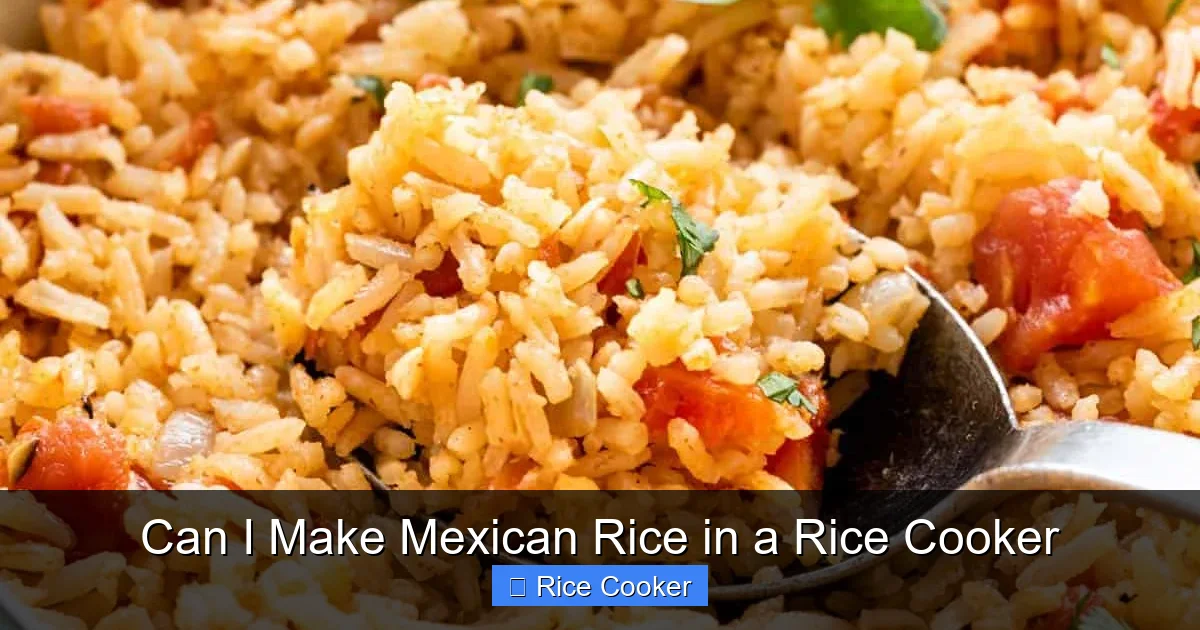
Absolutely! Making Mexican rice in a rice cooker is not only possible—it’s one of the easiest ways to achieve fluffy, flavorful results every time. With the right ingredients and technique, your rice cooker can produce restaurant-quality Mexican rice with minimal effort and no guesswork.
Key Takeaways
- Yes, it’s possible: A rice cooker simplifies cooking Mexican rice by automating the process and ensuring perfect doneness.
- Minimal ingredients needed: You only need basic pantry staples like rice, tomato sauce or paste, onion, garlic, chicken broth, and seasonings.
- Texture matters: Using long-grain white rice (like jasmine or basmati) gives the best texture for Mexican rice.
- Flavor layering is key: Sautéing aromatics before adding liquid enhances depth and authenticity.
- Cooking ratio is critical: The 1:1.5 to 1:2 rice-to-liquid ratio ensures fluffy grains without mushiness.
- Customization options: Add peas, corn, bell peppers, or cooked chicken for a heartier dish.
- Cleanup is easy: Most rice cookers have non-stick inner pots that make cleanup a breeze.
Quick Answers to Common Questions
Can I use brown rice instead of white rice for Mexican rice in a rice cooker?
While possible, brown rice requires longer cooking times and extra liquid. For traditional Mexican rice texture and color, stick to white long-grain rice like jasmine or basmati.
Do I really need to sauté the rice before adding liquid?
Yes! Sautéing builds flavor by toasting the rice slightly and incorporating aromatics. Skipping this step results in bland, flat-tasting rice.
How much tomato sauce should I use per cup of rice?
For every 1 cup of rice, use ½ cup tomato sauce or crushed tomatoes. Adjust based on desired richness—more for heartier dishes, less for lighter meals.
Can I make this ahead and reheat it?
Absolutely. Store cooled Mexican rice in an airtight container for up to 4 days. Reheat gently on the stove with a splash of water to restore moisture.
What’s the best type of rice cooker for this recipe?
Any standard electric rice cooker works. Advanced models with fuzzy logic or specialty settings offer slight advantages, but even basic units deliver excellent results.
📑 Table of Contents
- Can I Make Mexican Rice in a Rice Cooker? Absolutely—Here’s How!
- The Magic Behind Rice Cooker Mexican Rice
- Essential Ingredients for Perfect Mexican Rice
- Step-by-Step Guide: Making Mexican Rice in Your Rice Cooker
- Pro Tips for Elevating Your Mexican Rice
- Customizing Your Mexican Rice for Different Meals
- Troubleshooting: What If My Rice Doesn’t Turn Out Right?
- Cleaning and Maintenance Tips
- Final Thoughts: Why Every Home Chef Needs This Hack
Can I Make Mexican Rice in a Rice Cooker? Absolutely—Here’s How!
If you’ve ever stared at a recipe for Mexican rice wondering if there’s an easier way, you’re not alone. Traditionally, making Mexican rice involves sautéing rice until translucent, then simmering it slowly over low heat while stirring frequently—a method that can be fussy and requires constant attention. But what if you told you that your trusty rice cooker could do most of the work for you? Yes, you read that right: you can absolutely make delicious, authentic-tasting Mexican rice in a rice cooker. In fact, using this appliance might just become your new favorite shortcut for side dishes across cuisines.
In this comprehensive guide, we’ll walk you through everything you need to know about making Mexican rice in a rice cooker—from choosing the right type of rice to mastering flavor profiles and customizing your dish. Whether you’re preparing tacos, enchiladas, or simply craving a comforting bowl of seasoned rice, this method delivers consistent, restaurant-quality results with minimal effort. Plus, we’ll share pro tips, troubleshooting advice, and even some creative twists so you can keep things fresh every time.
The Magic Behind Rice Cooker Mexican Rice
At first glance, it may seem counterintuitive to use a device designed primarily for boiling rice in liquid for making pilaf-style dishes to recreate something traditionally made on the stovetop. However, modern rice cookers are engineered with precise temperature control and timing mechanisms that mimic the ideal cooking environment for grains. When you add aromatic ingredients like sautéed onions, garlic, and tomato products into the mix, those flavors infuse deeply into each grain as they cook—just like they would during a slow simmer.
Visual guide about Can I Make Mexican Rice in a Rice Cooker
Image source: i.pinimg.com
Why Use a Rice Cooker Instead of the Stovetop?
- Consistency: No more worrying about burning the bottom or undercooking the top. Your rice cooker handles it all.
- Hands-off convenience: Once you press start, you can focus on other parts of your meal.
- Energy efficiency: Rice cookers use less energy than keeping a pot on the stove for extended periods.
- Easy cleanup: Most models come with removable, nonstick inner pots that pop right into the dishwasher.
Of course, there are minor trade-offs—some purists argue that the subtle char from stovetop cooking adds complexity—but for everyday home cooks, the benefits far outweigh the drawbacks.
Essential Ingredients for Perfect Mexican Rice
Authentic Mexican rice isn’t overly complicated, but getting the ingredient balance right makes all the difference. Here’s what you’ll need:
Visual guide about Can I Make Mexican Rice in a Rice Cooker
Image source: i.pinimg.com
Core Components
- White long-grain rice: Jasmine, basmati, or regular long-grain white rice works best. Avoid short-grain or sushi rice, which tend to get sticky.
- Tomato sauce or crushed tomatoes: Adds color and tanginess. Avoid ketchup—it alters the flavor profile.
- Vegetable or chicken broth: Enhances richness; water alone won’t provide enough depth.
- Aromatics: Onion (yellow preferred), garlic, and sometimes cilantro for freshness.
- Spices & seasonings: Ground cumin, smoked paprika, salt, and optional chili powder.
Optional Additions for Extra Flair
- Pinto beans (drained)
- Diced red bell pepper
- Frozen corn kernels
- Sliced olives
- Diced avocado or cotija cheese (added after cooking)
Remember: less is more when it comes to seasoning. Start with small amounts and taste as you go.
Step-by-Step Guide: Making Mexican Rice in Your Rice Cooker
Follow these simple steps for foolproof results every time:
Preparation Phase
- Rinse the rice: Place 1 cup of dry long-grain white rice in a fine-mesh strainer and rinse under cold water until the water runs clear. This removes excess starch and prevents clumping.
- Sauté the base: Heat 1–2 tablespoons of oil (vegetable, canola, or olive) in your rice cooker pot over medium heat. Add diced onion and cook until softened (about 3–4 minutes). Stir in minced garlic and cook for another minute until fragrant.
- Add rice and toast lightly: Stir in the rinsed rice and cook for 1–2 minutes, allowing it to absorb some of the oil and develop a nutty aroma. Don’t let it brown—Mexican rice should remain pale.
Combining Liquids and Seasonings
- Add tomato product: Pour in ½ cup tomato sauce (or crushed tomatoes) and stir to coat the rice.
- Pour in broth: Add 1½ cups warm vegetable or chicken broth. Warm liquids help distribute heat evenly.
- Season generously: Sprinkle in 1 teaspoon ground cumin, ½ teaspoon salt, and optional chili powder or smoked paprika. Stir once gently.
Cooking Process
- Close lid and cook: Select the standard “white rice” setting. If your machine has a specific “Mexican rice” or “mixed rice” function, use that—but most basic models will work fine with the default cycle.
- Await completion: The cooker will automatically switch to “warm” mode when done. Let it sit for 5–10 minutes before opening. This allows residual steam to finish cooking any stubborn grains.
- Fluff and adjust: Use a fork to fluff the rice gently. Taste and adjust seasoning if needed—add more salt, lime juice, or cilantro at this stage.
Pro Tips for Elevating Your Mexican Rice
Want your rice to stand out? Try these insider tricks:
Flavor Boosting Techniques
- Use homemade broth: Roast chicken bones or vegetable scraps beforehand for deeper flavor.
- Add acidity late: Stir in a squeeze of lime juice or a splash of apple cider vinegar after cooking to brighten the dish.
- Temper the spices: Lightly toast whole cumin seeds in oil before adding them for a smokier note.
Texture Perfection Hacks
- Don’t skip rinsing: It’s non-negotiable for avoiding gummy rice.
- Use warm liquid: Cold liquid causes uneven heating and longer cook times.
- Let it rest: Resist the urge to peek or stir during the warm phase—it releases steam and ruins fluffiness.
Common Mistakes to Avoid
- Overcrowding: Stick to 1 cup rice max unless your cooker is large.
- Using too much liquid: Too much = soupy rice. Too little = dry clumps.
- Skipping the sauté step: This robs the rice of foundational flavor.
Customizing Your Mexican Rice for Different Meals
Mexican rice is incredibly versatile. Here’s how to adapt it:
Breakfast Twist: Huevos Rancheros Bowl
Serve over two fried eggs topped with shredded lettuce, diced tomatoes, and a drizzle of hot sauce. The rice acts as a hearty base instead of tortillas.
Lunch Upgrade: Loaded Veggie Bowls
Mix in black beans, roasted sweet potatoes, corn, and avocado. Top with Greek yogurt “queso fresco” and cilantro-lime dressing.
Dinner Companion: Taco Night Staple
Pair with seasoned ground beef, refried beans, and guacamole. The rice soaks up marinades beautifully.
Vegan Option: Plant-Powered Pilaf
Swap chicken broth for vegetable stock, add sautéed mushrooms, and garnish with nutritional yeast for a cheesy umami kick.
Troubleshooting: What If My Rice Doesn’t Turn Out Right?
Even with the best intentions, mistakes happen. Here’s how to fix common issues:
Rice Is Too Dry
This usually means insufficient liquid or early removal from heat. To rescue it: stir in ¼–½ cup warm broth or water, cover, and let sit for 5 minutes. Avoid microwaving—it creates uneven textures.
Rice Is Mushy or Sticky
Caused by overcooking or too much liquid. Next time, reduce liquid by ¼ cup and avoid lifting the lid during cooking. Also, ensure you rinsed the rice properly.
Not Enough Flavor
Always sauté aromatics first. If the rice tastes bland post-cooking, add a pinch more cumin, a squeeze of lime, or crumbled queso fresco before serving.
Rice Burned on Bottom
Some older rice cookers lack adequate water circulation. To prevent this: use a thin layer of broth (not oil), stir occasionally during the first 2 minutes, and never skip the sauté step.
Cleaning and Maintenance Tips
Your rice cooker deserves care too:
- Unplug before cleaning: Safety first!
- Soak stubborn residue: Fill the inner pot with warm soapy water and let sit for 10 minutes before scrubbing gently.
- Avoid abrasive tools: Use soft sponges or brushes—steel wool scratches nonstick coatings.
- Wipe exterior regularly: Use a damp cloth and mild cleaner for the plastic/housing parts.
Most modern rice cookers are dishwasher-safe, but always check your manual—some components (like heating elements) aren’t meant to go in the dishwasher.
Final Thoughts: Why Every Home Chef Needs This Hack
Making Mexican rice in a rice cooker isn’t just about convenience—it’s about unlocking consistent, delicious results with zero stress. Whether you’re cooking for one or feeding a family, this method saves time, reduces cleanup, and ensures every batch turns out perfectly fluffy and aromatic. Plus, once you master the basics, the possibilities are endless: experiment with different cheeses, proteins, or global twists like Spanish arroz con pollo or Tex-Mex variations.
So go ahead—grab your rice cooker, gather those pantry staples, and whip up a batch tonight. Before you know it, you’ll be calling yourself the “Mexican Rice Master” (even if you’re still learning!).
Frequently Asked Questions
Is Mexican rice the same as Spanish rice?
No. While both use similar ingredients, Mexican rice is typically cooked with tomato-based liquids and cumin, while Spanish rice often includes saffron and almonds. They’re distinct in flavor and preparation.
Can I substitute water for broth?
You can, but broth adds essential savory depth. If using water, consider adding a bouillon cube or extra cumin to compensate for lost flavor.
Will my rice cooker work with just water and rice?
Yes, but that produces plain white rice. For Mexican rice, you must include tomato product, broth, and spices to achieve the signature taste and color.
How do I prevent my rice from sticking to the bottom?
Use enough liquid (1½ cups per 1 cup rice), avoid lifting the lid during cooking, and never stir vigorously after the “keep warm” phase. A thin layer of broth helps prevent sticking better than oil.
Can I freeze leftover Mexican rice?
Yes, portion it into freezer-safe containers and store for up to 3 months. Thaw overnight in the fridge and reheat with a bit of water to refresh texture.
What if I don’t have tomato sauce?
Crushed tomatoes work well, but they’re thicker. Blend them briefly or simmer them first to achieve a smoother consistency similar to sauce.