
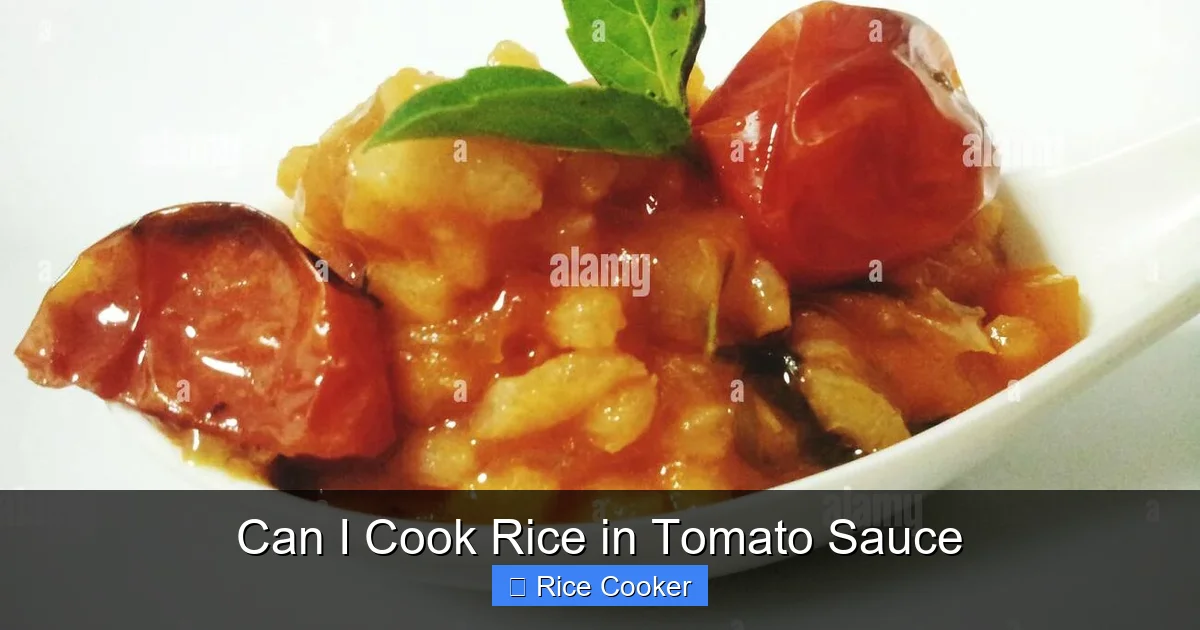
Can I cook rice in tomato sauce? Absolutely! Cooking rice in tomato sauce is not only possible but also a delicious way to add rich flavor without extra steps. Using your rice cooker, you can transform simple ingredients into a hearty, one-pot meal that’s perfect for busy weeknights.
Key Takeaways
- Yes, it’s easy: You can cook rice directly in tomato sauce using a standard rice cooker with just a few adjustments.
- Flavor-packed results: Tomato sauce adds natural acidity and depth, enhancing the taste of plain rice.
- Saves time and dishes: One-pot cooking means less cleanup and faster meal prep.
- Customizable: Add vegetables, protein, or spices to turn tomato rice into a complete dish.
- Pro tip: Adjust liquid ratios carefully—tomato sauce is watery, so monitor water levels to avoid mushy rice.
- Rice types matter: Long-grain white rice works best; avoid sticky or sushi rice for this method.
- Healthier option: Use low-sodium tomato sauce and whole grains for a nutritious twist.
📑 Table of Contents
- Can I Cook Rice in Tomato Sauce? The Short Answer Is YES!
- The Basics: Why Tomato Sauce Works for Rice
- Step-by-Step Guide: How to Cook Rice in Tomato Sauce
- Choosing the Right Tomato Sauce
- Common Mistakes to Avoid
- Creative Twists: Elevate Your Tomato Rice
- Health Benefits & Nutrition Notes
- Equipment Tips for Perfect Results
- Troubleshooting: What If My Rice Doesn’t Turn Out Right?
- Final Thoughts: Make Tomato Rice Your New Go-To
Can I Cook Rice in Tomato Sauce? The Short Answer Is YES!
Have you ever stared at an empty pantry, wondering what to make for dinner? Or maybe you’re just tired of plain boiled rice every night. If so, let me introduce you to a game-changer: cooking rice in tomato sauce. It sounds simple—and it is. But before you start dumping pasta sauce into your rice cooker, let’s talk about how to do it right.
Tomato sauce isn’t just for spaghetti anymore. When used as the cooking liquid for rice, it infuses each grain with tangy, savory goodness. And the best part? Most people already have everything they need at home. Whether you’re using a traditional rice cooker, a stovetop pot, or even an Instant Pot, turning tomato sauce into your rice base is easier than you think.
In this guide, we’ll walk through everything you need to know—from choosing the right type of rice to seasoning your dish perfectly. We’ll also share pro tips, troubleshooting advice, and even recipe ideas to get you started. So grab your favorite sauce and let’s dive in!
The Basics: Why Tomato Sauce Works for Rice
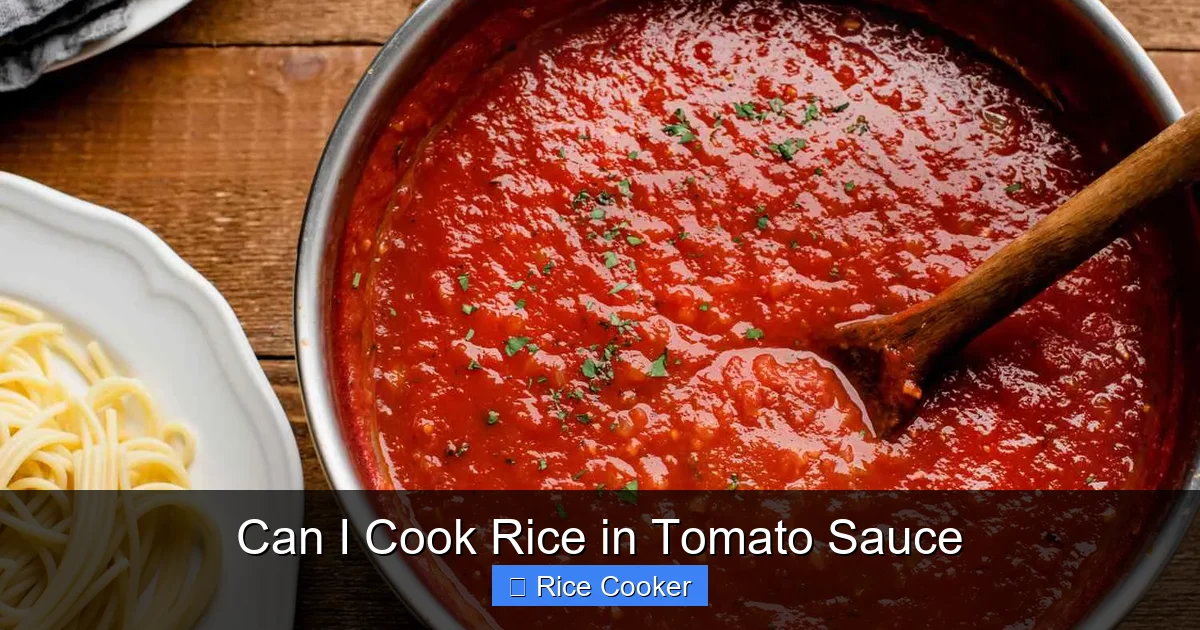
Visual guide about Can I Cook Rice in Tomato Sauce
Image source: thespruceeats.com
Cooking rice traditionally involves boiling water (or broth) and letting the starch gelatinize over time. But why stick with plain water when you can upgrade the flavor? Tomato sauce brings natural acidity, umami richness, and vibrant color to your grains—all without requiring complex techniques.
But here’s the catch: tomato sauce is mostly water. That means if you just dump it into your rice cooker like you would with broth, you might end up with mushy, undercooked rice. The key is balance. You still need enough liquid to cook the rice properly, but too much will dilute the texture.
That’s where understanding ratios comes in. Think of tomato sauce as a flavorful substitute for part—but not all—of your water. A good rule of thumb? Use equal parts tomato sauce and water. This keeps things tender while packing in that delicious tomato taste.
Also, consider the variety of rice you’re using. Long-grain white rice (like Jasmine or Basmati) absorbs liquid evenly and stays separate, making it ideal for tomato-based dishes. Avoid short-grain or sushi rice unless you want a sticky, saucy mash—which some people actually love!
Step-by-Step Guide: How to Cook Rice in Tomato Sauce
Ready to try it yourself? Follow these simple steps to make perfect tomato rice every time.
Gather Your Ingredients
Start with 1 cup of long-grain white rice. For every cup of rice, use 1 cup of tomato sauce and 1 cup of water. Add salt to taste—usually about ½ teaspoon per cup of rice. Optional extras include garlic powder, onion powder, dried oregano, or a pinch of sugar to balance acidity.
Prepare the Rice (If Needed)
Rinse your rice under cold water until the water runs clear. This removes excess starch and prevents clumping. Then drain well. Some chefs skip rinsing when using sauces because they prefer softer grains, but rinsing helps keep the texture light and fluffy.
Add Everything to the Cooker
Pour the rinsed rice into your rice cooker. Add the tomato sauce, water, and seasonings. Stir gently to combine. Don’t worry—no need to mix thoroughly. Just make sure the rice is fully submerged.
Cook and Wait
Close the lid and press “cook” (or select the appropriate setting). Let the magic happen! Once done, let the rice sit for 5–10 minutes with the lid closed. This allows steam to redistribute moisture evenly—resulting in fluffier grains.
Fluff and Serve
Use a fork to gently fluff the rice. Taste and adjust seasoning if needed. At this point, you can fold in diced bell peppers, corn kernels, or shredded chicken for extra nutrition and flavor.
And that’s it! In under 40 minutes, you’ve got a full, satisfying meal with minimal effort.
Choosing the Right Tomato Sauce
Not all tomato sauces are created equal—and that matters when cooking rice. Here’s how to pick the best one:
Look for Low-Sodium Options
High sodium can overpower the dish. Choose no-salt-added or low-sodium tomato sauce so you control the seasoning. You can always add more salt after cooking.
Avoid Chunky or Paste Varieties
Chunky sauces contain large pieces of tomato that may not break down during cooking. Smooth tomato puree or strained sauce works better for even distribution of flavor.
Paste Down Is Your Friend
Tomato paste adds concentrated flavor without extra liquid. If your sauce seems thin, stir in a tablespoon of paste to thicken it slightly—this helps prevent soggy rice.
Homemade Wins Every Time
Freshly made tomato sauce with onions, garlic, and herbs gives the richest taste. But store-bought is totally fine if you’re short on time. Just read the label!
Remember: the goal is consistent liquid, not chunky bits. So strain your homemade sauce if needed, or opt for canned varieties labeled “smooth” or “pureed.”
Common Mistakes to Avoid
Even experienced cooks mess up sometimes. Here are the top pitfalls—and how to fix them:
Mistake #1: Using Too Much Sauce
Too much liquid = soupy, mushy rice. Stick to a 1:1 ratio of sauce to water. If your cooker has a measurement line, aim for just above that mark.
Mistake #2: Not Rinsing the Rice
Unrinsed rice tends to clump together, especially in wetter liquids like sauce. Always rinse unless you specifically want a stickier texture.
Mistake #3: Skipping the Resting Period
Letting rice stand after cooking locks in moisture and improves texture. Skip this step, and you’ll likely end up with uneven grains.
Mistake #4: Overseasoning Early
Salt draws out moisture from rice during cooking. Add most of your salt after the rice is done, then adjust to taste. This prevents dryness.
Mistake #5: Ignoring Rice Type
Brown rice needs longer cooking times and more liquid. While possible, it’s trickier in tomato sauce due to varying absorbency. Stick with white rice for best results.
By avoiding these errors, you’ll consistently end up with tender, flavorful tomato rice.
Creative Twists: Elevate Your Tomato Rice
Once you master the basics, the possibilities expand! Here are fun ways to customize your dish:
Add Protein
Stir in cooked beans, shredded rotisserie chicken, crumbled tofu, or crispy bacon bits. These hold up well in moist rice and boost the meal’s completeness.
Boost Vegetables
Sauté diced zucchini, mushrooms, or spinach separately, then mix into the finished rice. Roasted cherry tomatoes add bursts of sweetness too.
Spice It Up
A dash of cumin, smoked paprika, or red pepper flakes gives warmth. For Mexican flair, toss in black beans and cilantro. Italian lovers might enjoy basil and Parmesan.
Try Different Sauces
Marinara, arrabbiata, or even ketchup can work! Each brings unique notes. Just remember—ketchup is sweeter and thinner, so reduce added sugar.
Make It Creamy
After cooking, stir in a dollop of Greek yogurt or coconut milk for richness. This softens the acidity and creates a comfort-food vibe.
These tweaks turn simple tomato rice into a restaurant-worthy entrée—all from one pot!
Health Benefits & Nutrition Notes
Tomato rice isn’t just tasty—it’s nutritious too! Tomatoes are loaded with lycopene, a powerful antioxidant linked to reduced inflammation and heart health. Plus, rice provides steady energy thanks to its carbohydrate content.
However, be mindful of sodium if using commercial sauces. Opting for fresh or low-sodium versions cuts back on processed salt. Whole-grain rice offers fiber and nutrients too—though it requires more water and longer cooking.
For balanced meals, pair tomato rice with a side salad or steamed greens. This adds vitamins and makes the dish more filling without heavy additions.
Equipment Tips for Perfect Results
Your kitchen tools play a big role. Here’s how to set yourself up for success:
Standard Rice Cookers Work Great
Most models handle liquid-based cooking fine. Just ensure the inner pot is clean and dry before adding ingredients.
Instant Pots Are Superstars
Use the “white rice” setting, or manually set timer and pressure release afterward. Seal the lid tightly to trap steam.
Stovetop Method? No Problem!
Bring sauce and water to a boil, then add rice. Reduce heat, cover, and simmer for 18–20 minutes. Turn off heat and let sit 10 minutes.
Air Fryer Rice Cookers Too?
Some modern units double as air fryers. Check manufacturer instructions—but generally yes, you can cook rice in tomato sauce this way.
No matter your device, consistency is key. Measure liquids carefully, and don’t overcrowd the pot.
Troubleshooting: What If My Rice Doesn’t Turn Out Right?
Even with perfect technique, things go wrong sometimes. Here’s how to diagnose and fix common issues:
Problem: Rice Sticks Together
Cause: Too little liquid absorbed, or rice wasn’t rinsed.
Fix: Next time, rinse thoroughly and increase water slightly (¼ cup extra).
Problem: Undercooked Grains
Cause: Insufficient liquid or high altitude affecting boiling point.
Fix: Add 2–3 tablespoons more liquid and extend cook time by 5 minutes.
Problem: Soggy or Mushy Texture
Cause: Excess sauce/water, or rice was overmixed.
Fix: Drain extra liquid post-cooking with a colander, or serve immediately while warm.
Problem: Bland Flavor
Cause: Weak sauce or insufficient seasoning.
Fix: Add salt, pepper, or a squeeze of lemon juice at serving time.
Don’t stress—every batch teaches you something new. Keep notes on what worked!
Final Thoughts: Make Tomato Rice Your New Go-To
So, can you cook rice in tomato sauce? Without a doubt—yes! It’s affordable, quick, and bursting with flavor. Whether you’re feeding a family or whipping up lunch for one, this method delivers on all fronts.
The beauty lies in its simplicity. One bowl, one appliance, endless variations. Plus, you’re reducing food waste by using ingredients you already own.
Next time you open your fridge, ask: “What’s in my tomato sauce?” Chances are, you’ve got dinner covered.
Start small—try the basic recipe once. Then experiment. Add cheese, swap spices, or turn it into a curry-style dish. Before long, tomato rice becomes your signature comfort food.
And hey, if someone asks what’s for dinner, you can proudly say: “Just made some rice in tomato sauce—want some?”
Frequently Asked Questions
Is it okay to cook rice directly in tomato sauce?
Yes, cooking rice directly in tomato sauce is completely safe and delicious. As long as you use the right liquid ratio (equal parts sauce and water), your rice will absorb all the flavor without becoming mushy.
What kind of rice works best with tomato sauce?
Long-grain white rice like Jasmine or Basmati is ideal. These varieties stay separate and fluffy while absorbing liquid evenly. Avoid sticky or sushi rice unless you enjoy a cohesive, saucy texture.
Can I use any type of tomato sauce?
Smooth, low-sodium tomato sauce works best. Avoid chunky or paste-like sauces since they can leave uneven textures. Homemade or strained canned sauce is perfect for consistent results.
Do I need to rinse the rice before cooking?
Yes, rinsing removes excess starch and prevents clumping. Rinse under cold water until clear, then drain well before adding to the cooker. This ensures light, fluffy grains.
How much tomato sauce should I use per cup of rice?
Use 1 cup of tomato sauce plus 1 cup of water per cup of rice. This 1:1 ratio balances flavor and moisture for optimal texture. Adjust slightly if your sauce is very thick or thin.
Can I add other ingredients to tomato rice?
Absolutely! Stir in cooked beans, diced vegetables, shredded meat, or spices like cumin and oregano. These additions enhance nutrition and create a complete meal in one pot.