
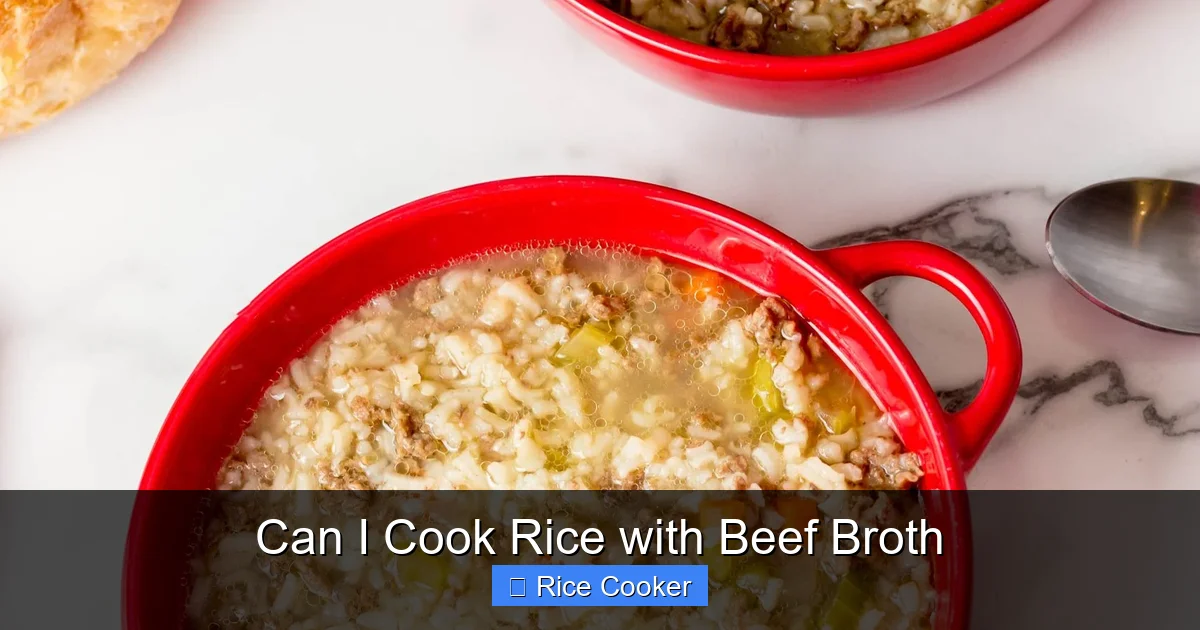
Can I cook rice with beef broth? Absolutely! Using beef broth instead of water adds depth, umami, and nutrients to your rice. It’s a simple upgrade that transforms plain grains into a savory side dish or hearty main course—especially when using a rice cooker.
Key Takeaways
- Flavor Boost: Beef broth imparts rich, savory notes that elevate plain white or brown rice beyond its basic form.
- Nutritional Upgrade: Broth contains collagen, minerals, and protein from simmered bones, adding value to your meal.
- Cooking Method Simplicity: Most rice cookers handle broth just fine—just follow the standard water-to-rice ratio but substitute water with broth.
- Perfect for Grains Beyond Rice: This technique works great for quinoa, barley, farro, and even oats for breakfast porridge.
- Savvy Substitution: If beef broth is unavailable, use vegetable or chicken broth as an excellent alternative.
- Meal Prep Friendly: Cooking rice in broth makes it ideal for stir-fries, casseroles, grain bowls, and soups later in the week.
- Tip: Reduce Salt since broth is often salty—adjust seasoning after cooking to avoid over-seasoning.
📑 Table of Contents
- Introduction: Why Swap Water for Broth?
- Why Choose Beef Broth Over Water?
- How to Cook Rice with Beef Broth: Step-by-Step Guide
- Tips for Perfect Broth-Cooked Rice Every Time
- Beyond Rice: Other Grains That Shine in Broth
- Common Mistakes to Avoid
- Creative Ways to Use Beef Broth Rice
- Conclusion: A Simple Swap with Big Impact
Introduction: Why Swap Water for Broth?
Have you ever wondered if there’s a way to make your rice more exciting without spending hours on complex recipes? The answer might be simpler than you think: cook rice with beef broth. Yes, you read that right—instead of using plain water, try using beef broth as your liquid base. Not only does it sound fancy, but it actually delivers real benefits in flavor, aroma, and even nutrition.
Cooking rice with beef broth isn’t a new idea—it’s been used in cuisines around the world for generations. Think of risotto, pilafs, or even Japanese donburi where rice absorbs the essence of its cooking liquid. When you use beef broth, each grain soaks up deep, savory flavors that turn a humble bowl of rice into something extraordinary. And guess what? You don’t need special equipment—your trusty rice cooker is all you need.
In this guide, we’ll walk through everything you need to know about cooking rice with beef broth—from why it’s worth trying, to step-by-step instructions, tips for beginners, and creative ways to use your newly flavored rice. Whether you’re feeding a family or prepping for meal prep Monday, this method will change how you see your next pot of rice.
Why Choose Beef Broth Over Water?

Visual guide about Can I Cook Rice with Beef Broth
Image source: thumbs.dreamstime.com
You might be thinking, “But water is cheaper and tasteless!” And you’re not wrong—but sometimes, simplicity comes at the cost of flavor. Plain water produces plain rice. Beef broth, on the other hand, brings complexity, richness, and depth that elevates any dish.
Let’s break down the benefits:
1. Enhanced Flavor Profile
Beef broth carries notes of umami—that savory fifth taste—thanks to glutamates found naturally in slow-simmered bones and meat. When rice cooks in this liquid, those flavors infuse every single grain. Imagine biting into a fluffy piece of basmati or jasmine rice and tasting hints of roasted beef, garlic, thyme, and onion. That’s the magic of broth-cooked rice.
2. Nutritional Perks
Unlike water, beef broth isn’t calorie-free—but it packs meaningful nutrients. During long simmering times (like when making homemade stock), collagen breaks down into gelatin, which supports joint health and gut lining. Broths also contain trace amounts of minerals like calcium, magnesium, and phosphorus. So while you’re not getting a full meal’s worth of nutrients just from the broth itself, you are enhancing your rice with subtle nutritional value.
3. Better Texture
Some people find that rice cooked in broth feels slightly creamier or more tender compared to water-based versions. This is partly due to the gelatin content in broth binding with the starches in rice during cooking. The result? A more satisfying mouthfeel—perfect for dishes where texture matters, like fried rice or grain bowls.
4. Versatility
Once you start using broth for rice, you’ll discover endless applications. Use it as a base for risottos, mix it into soups, serve it alongside grilled meats, or even blend it into sauces. It’s no longer just a side dish—it becomes a flavorful foundation for entire meals.
How to Cook Rice with Beef Broth: Step-by-Step Guide
Ready to give it a try? Here’s how to do it properly—whether you’re using a traditional stovetop pot or a modern electric rice cooker.
What You’ll Need
- 1 cup long-grain white rice (or brown rice, depending on preference)
- 1½ cups beef broth (low-sodium recommended)
- Optional: ¼ teaspoon salt (if broth isn’t salty enough)
- Optional: 1 tablespoon butter or oil
- Rice cooker or heavy-bottomed saucepan
Step 1: Rinse Your Rice
Rinsing removes excess starch and prevents clumping. Place rice in a fine-mesh strainer and rinse under cold running water until the water runs clear. Drain well.
Step 2: Measure the Broth
Use a liquid measuring cup to ensure accuracy. For most types of rice, the general rule is:
- White rice: 1½ cups liquid per 1 cup rice
- Brown rice: 2 cups liquid per 1 cup rice
Always check your specific rice package for exact ratios, but these are reliable starting points.
Step 3: Add Ingredients to Your Cooker
In your rice cooker insert:
- Add rinsed rice
- Pour in beef broth
- Add butter or oil (optional, but helps prevent sticking)
- If needed, sprinkle in a pinch of salt
Stir gently once to distribute evenly.
Step 4: Start Cooking
Close the lid and select the appropriate setting:
- White rice: Use “white rice” or “regular” setting
- Brown rice: Choose “brown rice” or “multigrain” if available
- Converted rice (parboiled): Either setting works
Press start and let the magic happen.
Step 5: Let It Rest
Once done, let the rice sit covered for 5–10 minutes. This allows steam to redistribute moisture evenly and results in fluffier grains.
Step 6: Fluff and Serve
Use a fork to gently fluff the rice before serving. Taste and adjust salt if necessary—remember, broth can be quite salty!
Tips for Perfect Broth-Cooked Rice Every Time
Even seasoned cooks make mistakes—so here are some pro tips to ensure success:
Choose Low-Sodium Broth
Most store-bought broths are high in sodium. Using low-sodium or unsalted versions gives you control over seasoning. You can always add a bit more salt later, but you can’t take it away after cooking.
Don’t Skip Rinsing
While not mandatory, rinsing improves texture and removes surface starch that can lead to gummy rice. Especially important when using broth, which has more flavor compounds that could amplify unwanted stickiness.
Adjust Ratios Based on Rice Type
Brown rice needs more liquid because it takes longer to absorb moisture. If your rice cooker has a “keep warm” function, avoid leaving it on too long—broth-based rice can dry out faster than water-based versions.
Experiment with Herbs and Aromatics
Boost the broth further by adding bay leaves, garlic cloves, or a splash of soy sauce during cooking. These won’t affect the rice cooker’s function but will deepen the flavor profile.
Reheat with Care
Leftover broth rice reheats best when steamed briefly with a splash of water or broth to restore moisture. Avoid microwaving straight from the fridge—it tends to become mushy.
Beyond Rice: Other Grains That Shine in Broth
If you love the idea of cooking grains in broth but aren’t ready to commit to rice every time, try these alternatives:
Quinoa
Cooking quinoa in beef broth instead of water adds earthy, nutty notes. Perfect for salads or as a protein-rich side.
Barley
Pearl or hulled barley absorbs broth beautifully, creating a comforting, chewy texture ideal for soups or stews.
Farro
This ancient grain holds up well in broth and develops a pleasant chewiness with subtle savory undertones.
Oats (for Porridge)
For breakfast, swap milk or water for beef broth to create a savory oatmeal topped with eggs or mushrooms.
Each grain behaves slightly differently, so tweak liquid ratios accordingly. But the principle remains the same: broth = better flavor + better nutrition.
Common Mistakes to Avoid
Like any kitchen experiment, cooking rice with beef broth isn’t foolproof. Here’s how to dodge common pitfalls:
Mistake #1: Using Too Much Salt
Broth is often heavily salted. Always taste before adding extra salt. Start with less—you can always add more, but not vice versa.
Mistake #2: Not Draining Properly After Rinsing
Excess water left in rice can dilute the broth’s flavor. Shake the strainer firmly or press rice between paper towels to remove droplets.
Mistake #3: Overcooking or Undercooking
Broth cooks faster than water because it conducts heat more efficiently. Keep an eye on your timer and consult your rice cooker manual. Some models have built-in sensors; others rely on fixed timers.
Mistake #4: Skipping the Resting Period
Skipping the 5–10 minute rest leads to uneven texture—some grains dry out while others stay soft. Trust the process!
Mistake #5: Buying Pre-Made, Low-Quality Broth
Cheap broths made from bouillon cubes lack depth. Invest in good-quality stock or make your own for maximum flavor.
Creative Ways to Use Beef Broth Rice
Once you’ve mastered the basics, let your creativity run wild:
Fried Rice
Use leftover broth rice as a base for stir-fried goodness. Sauté with soy sauce, ginger, scrambled eggs, and veggies for a restaurant-worthy meal.
Grain Bowls
Top with roasted vegetables, grilled chicken, avocado, and a drizzle of tahini or ranch dressing.
Sushi Rolls
Cook sushi rice in seasoned beef broth for a bold twist on classic rolls.
Burgers and Sandwiches
Stuff burger buns or wraps with broth rice, pulled beef, pickles, and mustard.
Stuffed Peppers or Tomatoes
Mix broth rice with ground beef, onions, and spices, then bake in pepper halves or hollowed tomatoes.
The possibilities are truly endless!
Conclusion: A Simple Swap with Big Impact
So, can you cook rice with beef broth? Absolutely. Is it worth it? Without a doubt.
This simple substitution transforms ordinary rice into something memorable. It’s quick, affordable, and compatible with almost any diet—just remember to watch your sodium if you’re watching intake. Whether you’re using a stovetop pot, an electric rice cooker, or even a slow cooker, the results speak for themselves.
Next time you reach for the kettle, pause—grab a box of broth instead. Your taste buds (and your dinner guests) will thank you. And who knows? You may never go back to plain water again.
Frequently Asked Questions
Is it safe to cook rice in beef broth?
Yes, it’s completely safe and actually healthier than plain water. Just make sure the broth is pasteurized and stored properly. Avoid expired or homemade broths with questionable ingredients.
Does beef broth change the color of rice?
Not noticeably. White rice stays white, brown rice stays golden—the broth imparts flavor without altering appearance significantly.
Can I use frozen beef broth?
Yes, but thaw it first for even cooking. Cold broth can lower the cooking temperature inside your rice cooker, potentially leading to uneven results.
Will broth make my rice too salty?
It depends on the brand. Low-sodium broth minimizes risk. Always taste before adding extra salt and adjust after cooking.
Can I cook instant rice in broth?
Yes, but follow package directions closely. Instant rice typically requires less liquid than regular rice, so measure carefully.
How long does beef broth rice last in the fridge?
Up to 5 days when stored in an airtight container. Reheat gently with a splash of broth or water to restore moisture.