
Can I cook rice with butter instead of oil? Absolutely! Using butter adds a rich, nutty flavor and creates a wonderfully tender texture. While it changes the taste slightly, it works perfectly in most rice recipes and gives your dish a luxurious twist—ideal for risottos, pilafs, or even plain steamed rice.
Have you ever stood over your stove, staring at a pot of rice, wondering if you could swap out plain vegetable oil or olive oil for something richer—like butter? You’re not alone. Cooking rice with butter instead of oil might sound unusual at first, but it’s actually a common practice in many global cuisines and beloved by home cooks who want more flavor. Whether you’re making a simple side dish or a creamy risotto, using butter can transform your rice from bland to bold—and still keep it perfectly cooked.
The idea of butter in rice might bring to mind French cuisine or gourmet risottos, but the truth is, this swap is simpler than you think. It doesn’t require fancy equipment or advanced techniques. In fact, if you have a rice cooker (which we’ll talk about soon), adding butter during the cooking process is as easy as tossing it in with the rice and water. So yes—you absolutely can cook rice with butter instead of oil, and the results are often deliciously satisfying.
But before you rush to your kitchen to replace every jar of oil with a block of butter, let’s dig deeper. What happens when you cook rice with butter? How does it affect texture, flavor, and even nutrition? And what kind of rice should you use? We’ll answer all these questions and more, so you can cook with confidence—and maybe even impress your dinner guests with your newfound culinary knowledge.
Key Takeaways
- Butter adds richness: Unlike neutral oils, butter imparts a savory, toasty flavor that elevates plain rice into something special.
- Texture matters: Butter can make rice creamier and slightly softer, which is great for certain dishes but may not suit all styles.
- Fat content affects cooking: Butter has a lower smoke point than many oils, so it’s best used at low to medium heat.
- Health considerations: Butter contains saturated fats, so use it mindfully if you’re watching cholesterol or heart health.
- Best rice types for butter: Short-grain, long-grain, and basmati rice all work well—but short-grain shines in creamy dishes like risotto.
- Alternative swaps: Ghee, coconut oil, or even bacon fat offer similar benefits with unique flavor profiles.
- Pro tip: For fluffiest results, rinse rice before cooking and don’t stir too much once water boils.
📑 Table of Contents
The Flavor Difference: Why Butter Makes Rice Taste Better
Let’s start with the most obvious reason people love cooking rice with butter: it tastes amazing. Oil is flavorless—it doesn’t add anything to your food except moisture and heat distribution. Butter, on the other hand, brings depth. When heated gently, butter melts and releases its signature aroma—nutty, slightly sweet, and deeply savory. This transforms plain white rice into something almost decadent.
Think about fried rice made with butter versus one made with peanut oil. The butter version smells richer, tastes fuller, and leaves a pleasant aftertaste. That’s because butter contains milk solids, which brown slightly when heated, creating Maillard reactions—those delicious chemical reactions that give seared meats and toasted bread their golden color and complex flavors. Even though you’re cooking rice, those same principles apply.
Of course, the flavor impact depends on how you use the butter. If you melt it slowly over low heat before adding rice, you get a smooth, creamy base. But if you add cold butter directly to boiling water, it might not blend evenly. The key is patience—let the butter warm up gradually so it coats each grain without burning.
Also, consider the type of rice you’re using. Short-grain rice, like Arborio or sushi rice, absorbs liquid differently and pairs beautifully with butter. Its starchy interior becomes soft and clingy, perfect for creamy dishes. Long-grain rice, such as basmati or jasmine, stays fluffier and less sticky, so the butter enhances rather than overwhelms.
When Butter Shines in Rice Dishes
- Risotto: This Italian classic relies on constant stirring and slow cooking—exactly where butter’s richness and emulsifying power come in handy.
- Fried rice: A quick stir-fry with eggs, vegetables, and soy sauce gets a gourmet upgrade when cooked in butter instead of oil.
- Steamed rice with toppings: Imagine serving fluffy jasmine rice topped with sautéed mushrooms, herbs, and a pat of melted butter—simple yet elegant.
- One-pot meals: Casseroles, grain bowls, and skillet dinners benefit from butter’s ability to bind ingredients together and add richness.
How to Cook Rice with Butter: Step-by-Step Guide
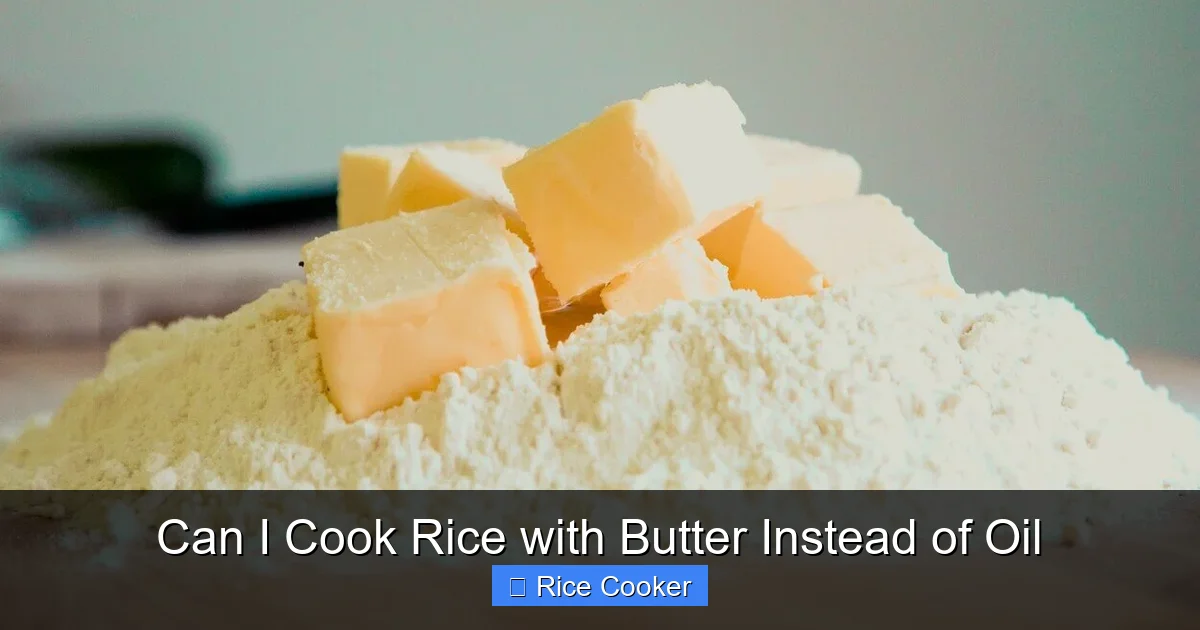
Visual guide about Can I Cook Rice with Butter Instead of Oil
Image source: powerupcook.com
You don’t need to be a chef to cook rice with butter successfully. With the right technique, anyone can achieve perfect results. Here’s how to do it—whether you’re using a stovetop pot or a rice cooker.
Using a Stovetop Pot
Start by measuring your rice and water. The standard ratio is 1 cup rice to 2 cups water, but you can adjust based on preference. Rinse the rice under cold water until the water runs clear—this removes excess starch and prevents clumping.
Next, heat a medium-sized saucepan over medium heat. Add 1–2 tablespoons of butter (adjust based on how much rice you’re making). Let it melt slowly, swirling occasionally, until it’s foamy and just starting to smell nutty. Avoid letting it turn brown or burn—that would make the rice bitter.
Add the rinsed rice to the pan and stir gently for about 30 seconds. This helps coat each grain in butter, enhancing flavor and helping it cook evenly. Pour in the measured water, bring to a boil, then reduce heat to low, cover the pot, and simmer for 15–18 minutes (depending on rice type).
Once done, remove from heat and let sit, covered, for 5 minutes. Then fluff with a fork and serve. Remember: resist the urge to peek or stir during cooking—this keeps the steam inside and ensures tenderness.
Using a Rice Cooker
Rice cookers make cooking rice with butter incredibly easy. Most models have a “frying” or “keep warm” setting, but you don’t always need it. Simply measure rice and water, place them in the inner pot, and add 1–2 tablespoons of butter before closing the lid.
Press “cook” and wait. The butter will melt during the heating cycle and distribute throughout the rice as it cooks. Some rice cookers have a delay timer, so you can add cold butter and let it warm up naturally. Just make sure the unit doesn’t exceed high heat settings, as butter can burn quickly.
After cooking completes, let the rice rest for 5–10 minutes before opening the lid. Fluff gently and enjoy. If your rice cooker has a steaming tray, you can also add aromatics like garlic, bay leaves, or lemon zest to infuse extra flavor.
Tips for Success
- Don’t overdo the butter: Too much can leave a greasy film. Start with 1 tbsp per cup of rice and adjust next time.
- Use unsalted butter for control: This lets you manage salt levels in your final dish.
- Brown butter for depth: Melt butter until it turns golden and nutty—great for savory dishes like wild rice or herb-infused grains.
- Add butter at the end for shine: For extra richness, stir in a small knob of butter after cooking to create a glossy finish.
Nutritional Comparison: Is Butter Better Than Oil?
Now, let’s talk health. Can you really cook rice with butter instead of oil and call it a healthier choice? The short answer: it depends.
Butter is a dairy product containing fat, water, protein, and trace vitamins like A and D. It’s high in saturated fat—about 7 grams per tablespoon—which has been linked to increased LDL (“bad”) cholesterol in some studies. On the flip side, unsaturated oils like olive or avocado oil contain mostly monounsaturated and polyunsaturated fats, which support heart health when consumed in moderation.
So, if you’re watching your cholesterol or aiming for a plant-based diet, swapping butter for oil might be wiser. But butter isn’t inherently “bad.” Moderation is key. Many cultures eat butter daily as part of balanced diets, and recent research suggests that not all saturated fats are created equal.
Moreover, butter adds satiety and flavor, which can help you eat less overall. Ever notice how a little butter makes rice last longer in your stomach? That’s because fat slows digestion and keeps you fuller longer.
If you’re concerned about health, consider alternatives:
- Ghee: Clarified butter with no dairy solids—lower lactose, higher smoke point, and rich flavor.
- Avocado oil: Neutral taste, high smoke point, and heart-healthy fats.
- Coconut oil: Adds subtle sweetness, great for tropical-style rice dishes.
Ultimately, whether butter is “better” than oil comes down to your dietary goals and taste preferences. If you love the flavor and don’t overdo it, there’s no reason not to use butter in rice.
Flavor Pairing Ideas: Make Your Rice Pop
One of the best parts about cooking rice with butter is how versatile it is. Once you master the basics, you can experiment with herbs, spices, and proteins to create gourmet meals at home.
Herbs and Spices
Fresh parsley, thyme, or rosemary add brightness. Sauté a few cloves of garlic in butter before adding rice for a fragrant base. For Indian-inspired dishes, try cooking rice with cumin seeds and a pinch of turmeric. Middle Eastern versions often include cinnamon and cardamom—perfect with dried fruit or nuts.
Vegetables and Proteins
Sauté diced onions, bell peppers, or mushrooms in butter first, then add rice and continue cooking. Chicken broth instead of water adds umami. For vegetarian options, toss in peas, corn, or sun-dried tomatoes near the end.
Dairy Upgrades
For ultra-creamy rice, stir in a splash of heavy cream or crème fraîche after cooking. Grated Parmesan cheese melts beautifully into butter-rice and pairs especially well with risotto or stuffed peppers.
Global Inspiration
- French: Butter + thyme + white wine = perfect pilaf.
- Japanese: Butter + mirin + soy sauce = savory fried rice.
- Mexican: Butter + lime + cilantro = vibrant arroz rojo.
- Italian: Butter + sage leaves = golden, aromatic risotto topping.
These combinations show that butter isn’t just a substitute—it’s an ingredient that opens doors to endless creativity.
Troubleshooting Common Mistakes
Even experienced cooks make errors when using butter in rice. Here’s how to avoid them:
Bitter or Burnt Flavor
This usually happens when butter burns. Always use medium-low heat and watch closely. If you see black spots or a smoky smell, discard the batch and start over.
Rice Stuck to the Bottom
Stirring too much or using too much butter can cause sticking. Use a nonstick pan, and avoid lifting the lid during cooking. Also, ensure water levels are correct—too little liquid leads to scorching.
Grains Too Soft or Mushy
Overcooking ruins texture. Follow timing guidelines for your rice type. Brown rice takes longer than white, and instant rice cooks in minutes.
Uneven Flavor
If butter doesn’t coat all grains, stir gently after adding it. Or, add it later during the last 5 minutes of cooking for even distribution.
By paying attention to these details, you’ll avoid frustration and keep your butter-rice perfect every time.
Conclusion: Yes, You Should Try It
So, can you cook rice with butter instead of oil? The answer is a resounding yes—and now you know why. Butter brings warmth, richness, and complexity to rice, turning a humble staple into something memorable. Whether you’re making a quick weeknight meal or hosting a dinner party, this simple swap can elevate your dish effortlessly.
From stovetop pots to modern rice cookers, the method is straightforward and adaptable. Health concerns? Addressed. Flavor limitations? Overcome. Texture issues? Easily fixed with practice.
Remember, cooking is about exploration. Don’t be afraid to experiment with different types of butter, rice varieties, and seasonings. Maybe today’s rice is just butter and salt. Tomorrow, it could be butter, saffron, and almonds—just like paella.
At the end of the day, the best rice recipe is the one you enjoy eating. So go ahead, melt that butter, add your rice, and let it work its magic. Your taste buds (and your dinner guests) will thank you.
Frequently Asked Questions
Is cooking rice with butter healthier than using oil?
Not necessarily. Butter contains saturated fat, which may raise cholesterol levels when eaten in excess. Oil, especially unsaturated types like olive or avocado oil, supports heart health. Choose based on your dietary needs and enjoy both in moderation.
What happens if I use too much butter in my rice?
Too much butter can make rice greasy and heavy, masking the natural taste of the grains. Start with 1 tablespoon per cup of rice and adjust to taste next time.
Can I use margarine instead of butter for rice?
Yes, but margarine often contains trans fats and artificial ingredients. If you choose margarine, opt for brands labeled “partially hydrogenated oil-free” for better health outcomes.
Does butter change how rice cooks compared to oil?
Butter has a lower smoke point than most oils, so it requires gentler heat. It also adds fat that helps rice absorb flavors, potentially shortening cooking time slightly due to better heat transfer.
Can I freeze rice cooked with butter?
Absolutely. Cool completely, portion into containers, and freeze for up to 3 months. Reheat with a splash of water or broth to restore moisture—but note that texture may soften slightly.
Will cooking rice with butter work in a pressure cooker?
Yes, but proceed carefully. Add butter after the initial pressurization phase, as high heat can cause burning. Follow your cooker’s instructions for liquid and timing.