

Can I feed my dog cooked rice? Absolutely! Cooked rice is safe, easy to digest, and packed with energy. It’s especially helpful during upset stomachs or as a low-fat meal component. Just remember: plain, well-cooked white or brown rice works best — no seasonings, oils, or additives.
Key Takeaways
- Safety First: Plain cooked rice is non-toxic and generally safe for dogs when prepared without harmful ingredients.
- Digestive Aid: Rice helps soothe upset stomachs, diarrhea, and nausea in dogs due to its binding and soothing properties.
- Nutrient Boost: Provides carbohydrates, B vitamins, and fiber — especially beneficial in brown rice form.
- Portion Control: Use small portions as part of a balanced diet; rice should not exceed 10% of daily caloric intake.
- Cooking Tips: Always cook rice plain, without salt, butter, or spices. Let it cool before serving.
- Variety Matters: White rice digests faster; brown rice offers more nutrients but takes longer to process.
- Veterinary Guidance: Consult your vet before making dietary changes, especially for puppies, seniors, or dogs with medical conditions.
📑 Table of Contents
- Can I Feed My Dog Cooked Rice? A Complete Guide
- The Safety of Feeding Dogs Cooked Rice
- Why Vets Recommend Cooked Rice for Dogs
- Types of Rice: White vs. Brown
- How to Prepare Cooked Rice for Your Dog
- Nutritional Benefits of Cooked Rice for Dogs
- When Not to Feed Your Dog Cooked Rice
- Sample Meal Ideas Using Cooked Rice
- How Much Rice Can a Dog Eat?
- Signs Your Dog Might Need a Rice-Based Diet
- Alternatives to Rice for Dogs with Sensitive Stomachs
- Conclusion: Yes, You Can Feed Your Dog Cooked Rice — But Do It Smartly
Can I Feed My Dog Cooked Rice? A Complete Guide
If you’re wondering, can I feed my dog cooked rice, the short answer is yes — and not just yes, but yes with benefits. Whether your dog has had an upset tummy or you’re looking to add variety to their meals, cooked rice can be a gentle, nourishing option. But like any food, it comes with nuances. How you prepare it matters. What kind you choose matters too. And how much you give can make all the difference.
This article dives deep into everything you need to know about feeding your dog cooked rice. From safety and nutrition to preparation tips and potential risks, we’ll cover it all. You’ll learn why rice is often recommended by vets, how to serve it correctly, and when it might be better to skip the bowl. By the end, you’ll feel confident answering that question: can I feed my dog cooked rice — and how to do it right.
The Safety of Feeding Dogs Cooked Rice
Let’s start with the most important question: Is cooked rice safe for dogs? The answer is a resounding yes — when prepared and served properly. Unlike raw grains, cooked rice is soft, easily chewed, and fully digestible. It contains no toxic compounds, and unlike some human foods (think onions or chocolate), rice poses no immediate danger.
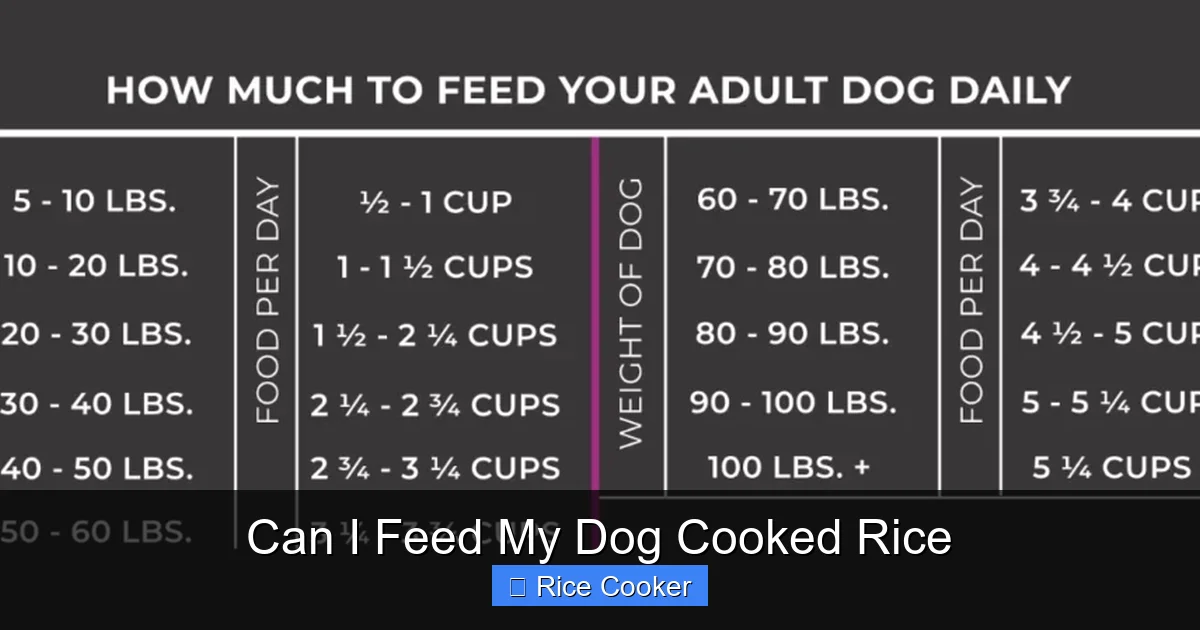
Visual guide about Can I Feed My Dog Cooked Rice
Image source: ultimatespetfood.com
What Makes Cooked Rice Safe?
Cooked rice is simply starchy seeds that have been hydrated and softened through boiling. This process breaks down the grain’s outer layer, making it easier for your dog’s digestive system to process. It lacks the hard, fibrous husk found in whole grains, which can be difficult for dogs to digest raw.
Additionally, rice doesn’t contain any ingredients that are harmful to dogs — no artificial flavors, preservatives, or sweeteners. As long as you avoid adding salt, sugar, garlic, onion, or other toxic substances, plain cooked rice is a clean, wholesome food.
Common Misconceptions
Some pet owners worry that rice might cause bloating or gas in dogs. While this is possible in rare cases, especially if the rice is consumed too quickly or in large quantities, it’s not a common issue. In fact, many dogs tolerate rice very well — especially when it’s mixed with lean proteins or vegetables to balance the meal.
Another myth is that rice causes obesity. This isn’t true unless you’re overfeeding. Like any carbohydrate source, rice provides calories. But when used in moderation as part of a balanced diet, it supports energy needs without leading to weight gain.
Why Vets Recommend Cooked Rice for Dogs
If you’ve ever taken your dog to the vet with gastrointestinal issues, chances are your veterinarian suggested a bland diet — and that usually includes cooked rice. Why? Because rice is gentle on the stomach and helps firm up stools.
Rice as a Digestive Soother
When a dog has diarrhea, vomiting, or indigestion, their digestive tract is irritated. At this time, they need foods that are easy to digest and won’t add strain. Cooked rice fits the bill perfectly.
The starch in rice acts as a binder, helping to absorb excess water in the intestines. This can reduce loose stools and speed up recovery. It also provides a steady source of glucose, giving your dog energy without taxing their system.
A Staple in Recovery Diets
Many veterinary clinics include rice in their “BRAT” diet recommendations — a combination of Bananas, Rice, Applesauce, and Toast. For dogs, this translates to boiled chicken and rice. The blandness of both ingredients helps calm inflammation and restore normal digestion.
This approach is especially useful after illness, surgery, or antibiotic treatment, when the gut microbiome may be disrupted.
Types of Rice: White vs. Brown
Not all rice is created equal — at least when it comes to your dog’s health. There are two main types commonly fed to dogs: white rice and brown rice. Each has its pros and cons.
White Rice: Quick Energy and Easy Digestion
White rice is processed to remove the bran and germ, leaving only the starchy endosperm. This makes it lighter and quicker to digest.
Benefits:
- Fast absorption — great for dogs with sensitive stomachs
- Lowers cholesterol levels
- Less likely to cause gas or bloating
Best for: Dogs recovering from illness, puppies, or pets with fast metabolism.
Brown Rice: Nutrient-Dense and Fiber-Rich
Brown rice retains the bran and germ, which means it’s richer in fiber, vitamins (especially B vitamins), and minerals like magnesium and zinc.
Benefits:
- Supports healthy digestion with natural fiber
- Provides antioxidants from the bran
- Helps regulate blood sugar
Best for: Active adult dogs, those needing more sustained energy, or pets with regular bowel movements.
Which Should You Choose?
If your dog has a sensitive stomach, start with white rice. Once their digestion stabilizes, you can gradually introduce brown rice for added nutrients. Many owners rotate between the two depending on their dog’s needs.
Note: Some dogs may take weeks to adjust to brown rice due to its higher fiber content. Watch for signs of discomfort like bloating or gas.
How to Prepare Cooked Rice for Your Dog
Even though rice is simple to cook, there are a few key steps to follow to keep it safe and beneficial for your dog.
Step-by-Step Cooking Instructions
- Choose plain rice. Avoid flavored, instant, or seasoned varieties.
- Use fresh ingredients. Wash uncooked rice thoroughly to remove any impurities.
- Cook with water only. Do not add salt, butter, oil, herbs, or spices.
- Boil until tender. White rice typically takes 15–20 minutes; brown rice may take 40–45 minutes.
- Let it cool. Serve at room temperature to prevent mouth burns.
- Store leftovers safely. Refrigerate for up to 3 days or freeze in portions for later use.
Tips for Serving
- Mash or chop. Especially helpful for small breeds, senior dogs, or those with dental issues.
- Mix with protein. Combine with boiled chicken, turkey, or cottage cheese to boost protein content.
- Add moisture. Stir in a little broth (low-sodium, meat-based) to make it more appealing if your dog is dehydrated.
Avoid These Common Mistakes
- Adding salt or seasonings. Even a pinch of salt can harm dogs over time.
- Using leftover takeout rice. Restaurant rice often contains garlic, onions, or oils.
- Overcooking. Mushy rice loses texture and nutrients.
- Giving too much at once. Start with small amounts to test tolerance.
Nutritional Benefits of Cooked Rice for Dogs
Rice isn’t just filler — it’s a valuable source of energy and nutrients for your dog’s body.
Energy from Carbohydrates
Carbohydrates provide glucose, the primary fuel for muscles and the brain. Dogs, like humans, need carbs for endurance and mental clarity. Rice offers a quick-release energy source, especially helpful after playtime or training.
B Vitamins for Metabolism
Rice contains several B vitamins, including thiamine (B1), niacin (B3), and folate (B9). These support enzyme function, nerve health, and red blood cell production.
Fiber for Gut Health
Especially in brown rice, fiber aids digestion by promoting regular bowel movements and feeding beneficial gut bacteria. This can prevent constipation and support immune health.
Low in Fat and Allergens
Rice is naturally low in fat and free from common allergens like dairy or soy. That makes it a good base for sensitive eaters or dogs with food allergies.
Hydration Support
When cooked with extra water or broth, rice can help increase fluid intake — useful for dogs who don’t drink enough or are recovering from dehydration.
When Not to Feed Your Dog Cooked Rice
While rice is generally safe, there are situations where it’s best to avoid it — or consult your vet first.
Dogs with Diabetes
Rice is high on the glycemic index, meaning it can cause rapid spikes in blood sugar. Diabetic dogs should consume rice only under veterinary supervision and in controlled portions.
Puppies Under 8 Weeks
Very young puppies have immature digestive systems. Their diets should be highly specialized — typically puppy formula or commercial starter food. Solid foods like rice can disrupt their gut flora.
Dogs with Obesity
If your dog is overweight, rice can contribute to calorie intake. Opt for lower-calorie alternatives like sweet potato or green beans, or limit rice to occasional use.
Allergic Reactions
Though rare, some dogs may develop sensitivities to rice. Watch for signs like itching, vomiting, or diarrhea after eating rice — and discontinue use if symptoms appear.
Long-Term Monotony
Feeding rice every day without variation can lead to nutrient imbalances. Rotate with other healthy carbs like quinoa, oats, or pumpkin.
Sample Meal Ideas Using Cooked Rice
Here are some simple, vet-approved meal ideas that incorporate cooked rice for variety and balance.
Classic Chicken and Rice Bowl
- 1/2 cup cooked white rice
- 1/4 cup shredded boiled chicken (no bones, skin, or seasoning)
- 1 tbsp plain yogurt (optional, for probiotics)
- Pinch of grated carrot (steamed)
Mix everything together and serve warm. Great for daily meals or recovery.
Brown Rice Power Bowl
- 1/2 cup cooked brown rice
- 1/4 cup ground turkey (cooked, unseasoned)
- 1 tsp olive oil (rich in omega-6)
- Handful of steamed broccoli
This version offers more fiber and healthy fats — ideal for active dogs.
Quick Emergency Stomach Soother
- 1/4 cup cooked white rice
- 1/4 cup plain, unsweetened applesauce
- 1 tsp canned pumpkin (not pie filling)
Serve cold or at room temperature. Repeat every 4–6 hours until symptoms improve.
How Much Rice Can a Dog Eat?
Portion size depends on your dog’s weight, age, activity level, and overall diet.
General Guidelines
- Small dogs (under 20 lbs): 1–2 tablespoons per meal
- Medium dogs (20–50 lbs): 1/4 to 1/2 cup
- Large dogs (over 50 lbs): 1/2 to 3/4 cup
As a rule of thumb, rice should make up no more than 10–15% of your dog’s total daily calories. If you’re feeding a commercial kibble, rice can supplement, not replace.
Frequency
– Occasional use: Once or twice a week
– Recovery diet: 1–2 days at a time
– Long-term feeding: Only if part of a balanced homemade diet under vet guidance
Signs Your Dog Might Need a Rice-Based Diet
There are several indicators that your dog might benefit from a temporary or occasional rice-based meal.
- Persistent diarrhea: Rice helps firm stools and rehydrate the body.
- Vomiting: A bland diet can settle the stomach and reduce episodes.
- Loss of appetite: Sometimes a change in texture or flavor makes food more appealing.
- Post-antibiotic care: Antibiotics can disrupt gut bacteria; rice supports recovery.
- Food sensitivities: If your dog reacts to common proteins or grains, rice can be a neutral alternative.
Alternatives to Rice for Dogs with Sensitive Stomachs
If rice isn’t suitable or available, consider these alternatives:
- Sweet potato (cooked): High in fiber and beta-carotene
- Pumpkin (canned or cooked): Excellent for digestion and hydration
- Oatmeal (plain, cooked): Gentle and rich in soluble fiber
- Quinoa (well-cooked): A complete protein with all essential amino acids
Always introduce new foods slowly and monitor for reactions.
Conclusion: Yes, You Can Feed Your Dog Cooked Rice — But Do It Smartly
To wrap things up: can I feed my dog cooked rice? The answer remains a confident yes. It’s safe, nutritious, and often therapeutic. Whether you’re soothing an upset stomach or adding variety to your dog’s meals, rice can be a valuable addition to their diet — when done right.
Remember, preparation matters. Keep it plain, cook it thoroughly, and serve in appropriate portions. Mix it with protein and veggies for balance. And always listen to your dog’s body — if something doesn’t sit well, adjust accordingly.
And never hesitate to talk to your vet. They can help tailor a plan that fits your dog’s unique needs, especially if they have chronic health issues.
So go ahead — boil that pot of rice, mix in some chicken, and treat your furry friend to a comforting, wholesome meal. After all, happy dog, happy life.
Frequently Asked Questions
Is cooked rice safe for all dogs?
Yes, plain cooked rice is safe for most dogs. However, diabetic, obese, or very young puppies should have it only under veterinary advice.
Can I feed my dog rice every day?
Daily rice feeding isn’t recommended. It can lead to nutritional gaps. Use it occasionally or as part of a balanced homemade diet supervised by a vet.
How do I know if my dog is allergic to rice?
Watch for vomiting, diarrhea, itching, or skin irritation after eating rice. Discontinue use and consult your vet if symptoms persist.
Should I give my dog white or brown rice?
White rice digests faster and is gentler on sensitive stomachs. Brown rice offers more nutrients but may cause gas in some dogs. Start with white, then try brown.
Can I add vegetables to my dog’s rice?
Yes, but cook them plain and avoid toxic ones like onions, garlic, or grapes. Steamed carrots, peas, or green beans are excellent choices.
How long does cooked rice last in the fridge?
Plain cooked rice stays fresh for up to 3 days in the refrigerator. Label it clearly and reheat gently before serving.