
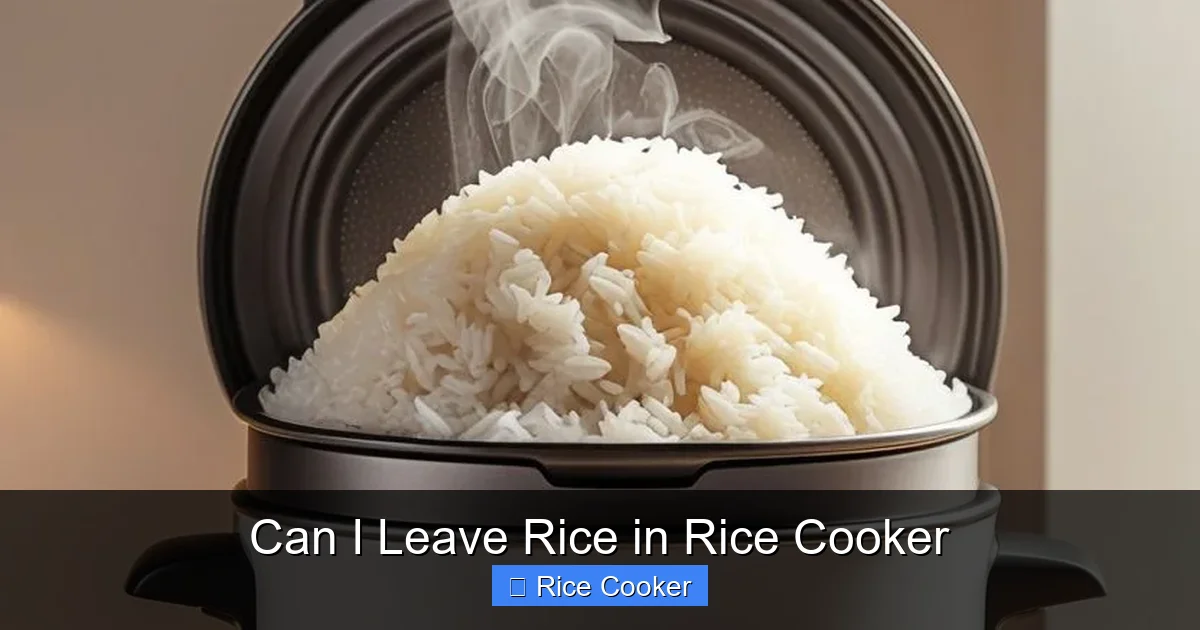
Can I leave rice in the rice cooker? Yes, but only for a short time—ideally within 1–2 hours at room temperature. Leaving cooked rice in the rice cooker for too long increases bacterial growth and raises the risk of foodborne illness. For longer storage, transfer the rice to an airtight container and refrigerate or freeze it promptly.
Storing rice in the rice cooker is not recommended beyond immediate use. The warm setting keeps food at a temperature that supports bacteria like Bacillus cereus, which thrives between 40°F and 140°F (4°C–60°C). Always cool the rice quickly and store it properly to maintain safety and quality.
Key Takeaways
- Short-term storage is safe: You can leave rice in the rice cooker for up to 1–2 hours after cooking, but not longer.
- Avoid the danger zone: Rice left at room temperature for more than 2 hours can grow harmful bacteria.
- Cooling matters: Let hot rice cool naturally before refrigerating to prevent moisture buildup and spoilage.
- Use proper containers: Store cooled rice in shallow, airtight containers to speed up cooling and reduce contamination risk.
- Reheat safely: Always reheat rice to an internal temperature of 165°F (74°C) to kill any potential bacteria.
- Freeze for long storage: Freezing rice extends shelf life up to 1 year; thaw and reheat thoroughly when ready to eat.
- Clean your rice cooker: After each use, clean the inner pot and lid to prevent mold and bacteria from lingering.
📑 Table of Contents
- Can I Leave Rice in Rice Cooker? A Complete Guide to Safe Storage and Reheating
- Understanding the Science Behind Rice Storage
- How Long Can You Safely Leave Rice in a Rice Cooker?
- Best Practices for Storing Cooked Rice
- Reheating Rice Without Ruining It
- Common Misconceptions About Rice Cooker Storage
- Tips for Meal Prepping with Rice
- Cleaning Your Rice Cooker After Use
- Conclusion: Smart Choices for Safe, Delicious Rice
Can I Leave Rice in Rice Cooker? A Complete Guide to Safe Storage and Reheating
Have you ever finished cooking a perfect pot of jasmine rice, only to wonder what to do with the leftover bits still sitting in your rice cooker? Maybe you’re rushing to get dinner on the table, or perhaps you’re trying to save time the next day. It’s tempting to just turn off the cooker, cover it, and leave the rice inside—after all, it’s already cooked, right? But here’s the truth: can I leave rice in the rice cooker? The short answer is yes—but only briefly. And understanding the “why” behind this rule could save you from a stomachache or worse.
Rice cookers are amazing kitchen appliances. They automate the cooking process, keep rice warm, and often have features like fuzzy logic or induction heating that ensure fluffy results every time. But even the best technology has limits—especially when it comes to food safety. Once your rice is done, the appliance switches to a “keep warm” mode, maintaining the rice around 185–200°F (85–93°C). While this sounds harmless, it actually creates a cozy environment for bacteria to multiply if the rice isn’t handled correctly.
In this article, we’ll dive deep into everything you need to know about leaving rice in your rice cooker—how long it’s safe, what risks you might face, and how to store or reheat it without losing flavor or safety. Whether you’re meal prepping, feeding a big family, or just trying to reduce kitchen waste, these tips will help you enjoy leftover rice confidently and safely.
Understanding the Science Behind Rice Storage
Before we talk about whether you should leave rice in the rice cooker, let’s talk about why it matters. Rice, especially white rice, contains a spore-forming bacterium called Bacillus cereus. These spores are naturally present in grains and soil, and they survive the cooking process because boiling doesn’t always kill them—only heat above 140°F (60°C) for a sustained period does.
Visual guide about Can I Leave Rice in Rice Cooker
Image source: ricearray.org
Once the rice cools down below 140°F, those dormant spores can start to germinate. If the rice stays in the “danger zone”—that temperature range between 40°F and 140°F (4°C and 60°C)—for more than two hours, the bacteria begin to multiply rapidly. Even worse, some strains produce toxins that aren’t destroyed by normal reheating. That’s why improperly stored rice can cause food poisoning with symptoms like nausea, vomiting, and diarrhea within hours of eating it.
The Danger Zone Explained
The USDA defines the “danger zone” as temperatures between 40°F and 140°F where bacteria reproduce most quickly. Most rice cookers keep rice at around 185–200°F during the “warm” setting, which seems safe. However, once you open the lid or remove the rice, cold air enters, and the temperature drops rapidly into the danger zone. This sudden shift is what makes leaving rice in the cooker risky if it’s been sitting too long.
Why Warm Settings Aren’t Enough
Even though many rice cookers have advanced warming functions, they’re not designed for long-term food storage. The warming plate or induction coil only heats the bottom of the pot, so the top layers of rice may stay cooler. This uneven heating means parts of the rice could drop into the danger zone faster than expected.
Additionally, moisture accumulates under the lid due to condensation. Over time, this creates a humid environment perfect for mold or yeast growth—even if the rice looks fine.
How Long Can You Safely Leave Rice in a Rice Cooker?
So, back to the original question: can I leave rice in rice cooker? Technically, yes—but only for a very limited time. Here’s a breakdown based on expert guidelines from the FDA and USDA:
- Up to 1 hour: If the rice was recently cooked and still hot, it’s generally safe to leave it in the rice cooker while you finish preparing other dishes.
- No more than 2 hours: After two hours at room temperature—or one hour if the ambient temperature is above 90°F (32°C)—the rice should be cooled and refrigerated immediately.
- Avoid leaving overnight: Never leave rice in the rice cooker overnight, even with the warm setting turned on.
If you’re planning ahead, it’s better to cook rice earlier in the day, let it cool completely, then transfer it to an airtight container before storing it in the fridge or freezer.
Signs Your Leftover Rice Is No Longer Safe
Sometimes, even within the safe window, rice can spoil. Watch out for these warning signs:
- Unpleasant smell: Fresh rice should have a neutral, slightly nutty odor. A sour, fermented, or rancid smell indicates spoilage.
- Discoloration: White rice turning gray, yellow, or green suggests mold or bacterial growth.
- Texture changes: Sticky, slimy, or overly soft texture means the rice has absorbed too much moisture or developed unwanted microbes.
- Mold spots: Any visible fuzzy patches—white, black, or green—mean throw it away immediately.
If you notice any of these signs, don’t taste-test. When in doubt, discard the rice. Foodborne illness is no joke.
Best Practices for Storing Cooked Rice
Now that you know how long you can leave rice in the rice cooker, let’s talk about what to do after you turn it off. Proper storage is key to preserving both safety and taste.
Cooling Rice Quickly
Don’t let hot rice sit uncovered for hours. Instead, spread it out in a shallow dish or divide it into smaller portions to cool faster. The goal is to get the center of the rice below 40°F (4°C) within two hours. Using a fan or placing the container near an open window can help speed up the process.
Using Airtight Containers
Once cooled, transfer the rice to airtight containers made of glass or BPA-free plastic. Avoid leaving it uncovered—dust, insects, and airborne bacteria love to settle on open food.
Refrigeration vs. Freezing
Refrigerated rice: Keeps safely for 3–5 days. Ideal for meals you plan to eat within a few days.
Frozen rice: Can last up to 1 year when stored properly in freezer-safe bags or containers. Label with the date so you remember how long it’s been stored.
Thawing Frozen Rice Safely
Never thaw frozen rice at room temperature. Instead, thaw it in the refrigerator overnight or use the microwave defrost function. Then, reheat thoroughly until steaming hot throughout.
Reheating Rice Without Ruining It
You’ve stored your rice safely—now comes the fun part: eating it! But reheating rice incorrectly can make it dry, mushy, or unsafe. Follow these steps for best results:
- Add moisture: Sprinkle a tablespoon of water over the rice before reheating. This prevents it from drying out.
- Steam method: Place the rice in a covered microwave-safe dish with a damp paper towel on top. Heat on high for 1–2 minutes, stir, then heat again until hot.
- Stovetop option: Steam rice in a small amount of water on medium heat, stirring occasionally, until heated through.
- Check temperature: Use a food thermometer to confirm the rice reaches at least 165°F (74°C) internally.
For extra flavor, add a splash of soy sauce, butter, or herbs during reheating. Just remember—never reheat rice more than once.
Common Misconceptions About Rice Cooker Storage
There are plenty of myths floating around about rice cookers and leftovers. Let’s clear up some of the most common ones:
Myth #1: “The Keep-Warm Setting Kills Bacteria”
False. The keep-warm setting maintains heat but doesn’t sterilize or kill existing bacteria. It simply slows their growth—not stops it.
Myth #2: “Covering the Rice Makes It Safer”
Partially true. Covering helps prevent contamination, but it doesn’t stop bacterial multiplication if the rice is already in the danger zone.
Myth #3: “All Rice Types Are the Same”
Not quite. Brown rice has more oils and nutrients, making it more prone to rancidity. It also takes longer to cook and cool, so handle it with extra care.
Myth #4: “Rice Cookers Automatically Switch Off After Cooking”
Most do, but not all. Some models stay in warm mode indefinitely unless manually turned off. Always unplug or switch off the unit after use—especially with leftovers.
Tips for Meal Prepping with Rice
If you love batch cooking, rice is a fantastic base for salads, stir-fries, and grain bowls. Here’s how to prep it efficiently and safely:
- Cook in batches: Make large quantities on weekends, cool quickly, then portion and freeze.
- Label containers: Write the date and contents on each bag or container.
- Use ice baths: For faster cooling, submerge the pot in an ice-water bath—just don’t let water get into the rice.
- Pair with sauces: Cook rice with broth instead of water for added flavor. Reheat with a bit more liquid if needed.
Creative Ways to Use Leftover Rice
Don’t let perfectly good rice go to waste! Try these delicious ideas:
- Rice bowls: Top with grilled veggies, protein, and tahini dressing.
- Fried rice: Sauté with eggs, soy sauce, garlic, and whatever vegetables you have on hand.
- Risotto: Gradually add hot broth to cooled Arborio rice for creamy texture.
- Sushi rolls: Use sushi rice with vinegar seasoning for homemade maki.
Cleaning Your Rice Cooker After Use
Keeping your rice cooker clean is essential—not just for hygiene, but to extend its lifespan and ensure consistent performance. Here’s how to clean it properly:
- Unplug first: Safety always comes first.
- Wash the inner pot: Remove and wash with warm, soapy water. Some parts are dishwasher-safe—check your manual.
- Dry completely: Moisture promotes rust and mold, especially in metal components.
- Wipe the exterior: Use a damp cloth to clean the outside. Avoid submerging the base.
- Inspect the seal: Check the rubber ring around the lid for wear or food debris.
Regular cleaning prevents odors and ensures your rice cooker works efficiently every time.
Conclusion: Smart Choices for Safe, Delicious Rice
So, can I leave rice in rice cooker? Again, yes—but only briefly and with caution. Understanding the risks of bacterial growth and following safe handling practices will keep your meals both tasty and secure. Whether you’re cooking for one or a crowd, knowing how to store and reuse rice saves time, money, and reduces food waste.
Remember: speed matters when it comes to food safety. Cool rice fast, store it right, and reheat it thoroughly. With these simple habits, you’ll never have to wonder if your leftover rice is safe again.
Next time you open that rice cooker lid, think twice before leaving the rice inside—your future self (and your stomach) will thank you!
Frequently Asked Questions
Can I leave rice in the rice cooker overnight?
No, never leave rice in the rice cooker overnight. Even with the keep-warm setting, bacteria can grow rapidly as the rice cools into the danger zone. Transfer rice to an airtight container and refrigerate or freeze it promptly after cooking.
Is it safe to reheat rice that’s been in the rice cooker for 3 hours?
No, rice left at room temperature for more than 2 hours is unsafe to eat. The risk of bacterial growth increases significantly after this time, and reheating won’t eliminate toxins produced by some bacteria. Discard the rice if it’s been sitting out too long.
How do I cool rice quickly after cooking?
Spread hot rice in a thin layer on a baking sheet or divide it into shallow containers. Add a damp paper towel on top and place it near a fan or in a cool spot. This speeds up cooling so the rice reaches safe temperatures faster.
Can I freeze rice in the rice cooker pot?
It’s not recommended to freeze rice directly in the rice cooker pot, as it may warp or damage the non-stick coating over time. Instead, transfer cooled rice to freezer-safe containers or zip-top bags before freezing.
Does brown rice spoil faster than white rice?
Yes, brown rice spoils faster because it contains more natural oils and nutrients that can become rancid. It also takes longer to cook and cool, so handle it with extra care and consume it sooner than white rice.
How long can I keep refrigerated rice before eating?
Refrigerated rice is safe to eat for 3 to 5 days. For longer storage, freeze it. Always check for signs of spoilage—like bad smell, sliminess, or discoloration—before consuming.