
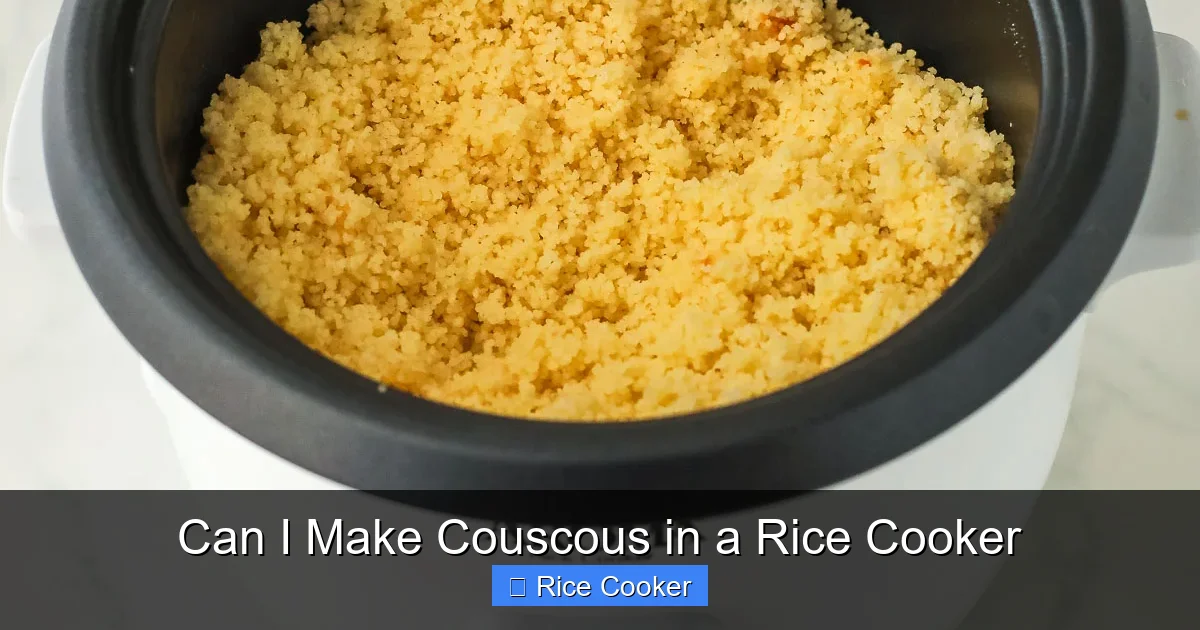
Making couscous in a rice cooker is faster and easier than traditional methods. With just water and a pinch of salt, your rice cooker does all the work. The result? Light, airy grains every time—no babysitting required.
Making couscous in a rice cooker might sound surprising at first, but it’s actually one of the easiest and most foolproof ways to prepare this North African staple. Whether you’re new to cooking or just short on time, using your rice cooker opens up a whole world of possibilities—especially when it comes to quick, hands-off meals. Couscous, traditionally made by steaming semolina wheat, usually requires careful timing and attention. But with a rice cooker, you get consistent results every single time, with no guesswork involved.
In this guide, we’ll walk you through everything you need to know—from choosing the right type of couscous to mastering the perfect water ratio, adding flavor, and even storing leftovers. You’ll learn why this method is so popular among home cooks, how it compares to stovetop cooking, and tips to take your dish from basic to gourmet. Plus, we’ll share creative ideas for serving and customizing your couscous so it fits into any meal—breakfast, lunch, dinner, or even as a snack.
Whether you’re feeding a hungry family, meal prepping for the week, or just craving something warm and comforting, making couscous in a rice cooker is a game-changer. Let’s dive in!
Key Takeaways
- Yes, it works: A rice cooker can perfectly cook couscous with the right liquid-to-grain ratio.
- Quick cooking: Couscous cooks in under 10 minutes—much faster than boiling on the stove.
- Minimal cleanup: One pot, one bowl—cleaning up is a breeze.
- Customizable: Add herbs, lemon zest, or broth for extra flavor without extra steps.
- Great for meal prep: Cook a batch ahead and store it for salads, bowls, or sides.
- No special settings needed: Standard white rice mode works perfectly.
- Perfect texture: The sealed lid traps steam, creating light, fluffy grains.
Quick Answers to Common Questions
Can I use any type of couscous in a rice cooker?
Yes, but avoid instant couscous. Fine or medium granulated couscous works best because it expands properly in a sealed environment.
Do I need a special setting for couscous?
Nope. Just use the standard “White Rice” mode. No need for porridge or slow cook functions.
How long does couscous take to cook in a rice cooker?
Usually 5–8 minutes. Most rice cookers automatically switch to “Keep Warm” once done.
Can I add spices or herbs to the cooking liquid?
Absolutely. Garlic, bay leaf, cinnamon, or lemon zest in the water infuses delicious flavor into every grain.
Is couscous healthy?
It’s lower in fiber than whole wheat couscous but higher than refined grains. Pair it with veggies and protein for a balanced meal.
📑 Table of Contents
Why Use a Rice Cooker for Couscous?
You might be wondering: *Why bother making couscous in a rice cooker when you could just boil it like pasta?* Great question. While traditional methods involve steaming over boiling water, a rice cooker offers several key advantages that make it a top choice for modern kitchens.
First and foremost, convenience. Unlike stovetop methods that require constant monitoring and stirring, a rice cooker lets you set it and forget it. Once you add the couscous and water, simply press the button—no babysitting, no risk of burning, and no splattering on your stove. That’s a huge win for busy mornings or last-minute dinners.
Second, consistency. Rice cookers are designed to maintain precise temperatures and moisture levels throughout the cooking process. This means your couscous will come out evenly cooked, with each grain separate and fluffy—not mushy or undercooked. The sealed environment also helps absorb excess moisture, giving you the ideal texture every time.
Another benefit is versatility. Many rice cookers have multiple settings—white rice, brown rice, porridge, and even slow cook functions. While couscous doesn’t require anything fancy, knowing your appliance can handle more than just rice is reassuring. And since couscous uses such a simple ratio (just water and salt), it’s compatible with nearly any model.
Finally, cleanup is minimal. Just one bowl to rinse and one pan to wash. No straining, no transferring to a colander, and no sticky residue left behind. It’s truly a one-pot wonder.
Choosing the Right Couscous for Your Rice Cooker
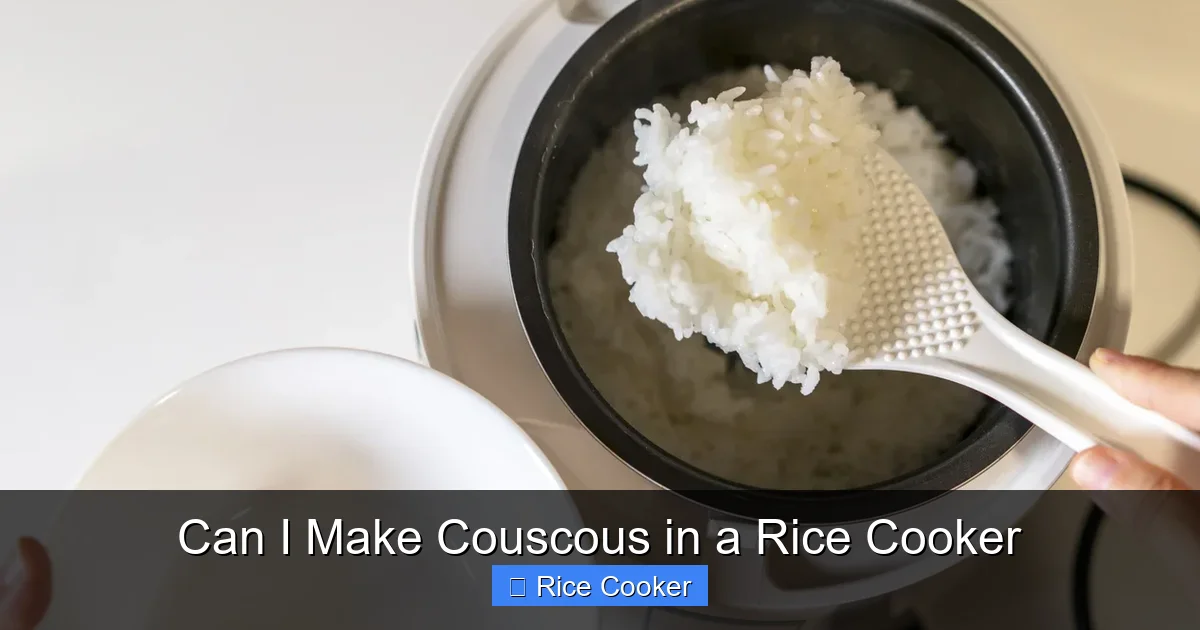
Visual guide about Can I Make Couscous in a Rice Cooker
Image source: images.squarespace-cdn.com
Not all couscous is created equal—and choosing the right kind makes all the difference in your final dish. There are three main types available, each with slightly different textures and cooking needs.
The most common is **standard fine or medium couscous**. This is what you’ll find in most supermarkets and works beautifully in a rice cooker. It’s made from tiny granules of semolina wheat that swell and puff when steamed, creating that signature light, fluffy texture. It takes about 5–7 minutes to cook and pairs well with vegetables, meats, and sauces.
Then there’s **whole wheat couscous**, which is denser and chewier. It holds its shape better and has a nuttier flavor. Because it’s less refined, it may need slightly more liquid or a longer cook time. Some people prefer it for its fiber content, though it can sometimes turn out gummy if overcooked—so keep an eye on the timer.
Lastly, **instant or quick-cook couscous** is pre-steamed and dehydrated, meaning it only needs hot water added to rehydrate it. While convenient, this version isn’t ideal for a rice cooker because it lacks the structure to absorb liquid properly and often ends up too soft or soggy. Stick with regular couscous for best results.
When shopping, look for brands labeled “traditional” or “granulated” couscous. Avoid mixes that already include oil or seasonings unless you specifically want those flavors. Plain couscous gives you full control over how it tastes.
Also, consider portion size. A typical serving is about ½ cup dry couscous (which yields roughly 1 cup cooked). Most rice cooker models handle 1 to 3 cups of dry grain comfortably, so plan accordingly based on how much you’re making.
Step-by-Step Guide: How to Make Couscous in a Rice Cooker
Visual guide about Can I Make Couscous in a Rice Cooker
Image source: images.squarespace-cdn.com
Ready to give it a try? Here’s a foolproof method that works on virtually any rice cooker:
Ingredients & Equipment
- 1 cup dry couscous (fine or medium grain)
- 1¼ cups water (or broth for extra flavor)
- Pinch of salt (optional but recommended)
- Rice cooker
- Measuring cup
- Mixing bowl (for fluffing)
- Fork or spoon (for stirring)
Instructions
- Prepare the couscous: Measure out your couscous and set it aside. If you’re using whole wheat or larger grains, you can lightly toast them in a dry skillet for 1–2 minutes before cooking—this enhances the nutty flavor.
- Add ingredients to the inner pot: Pour the couscous into the rice cooker’s inner pot, followed by water and a pinch of salt. Stir gently to combine.
- Close and cook: Secure the lid and select the “White Rice” setting (or equivalent). Press start. Most rice cookers will automatically switch to “Keep Warm” once done.
- Let it rest: After the cycle completes, let the couscous sit for 2–3 minutes with the lid closed. This allows residual heat to finish cooking any stubborn grains.
- Fluff and serve: Open the lid and fluff the couscous with a fork to break up any clumps. Taste and adjust seasoning if needed. Serve immediately or use as directed below.
Pro tip: For richer flavor, swap half the water for chicken or vegetable broth. Or add a teaspoon of olive oil to the water before cooking—it helps prevent sticking and adds subtle richness.
Tips for Perfect Couscous Every Time
Even though couscous is forgiving, a few small tweaks can elevate your dish from good to great. Here are some expert-approved tips to ensure success:
Use the Right Water Ratio
The golden rule is 1 part couscous to 1¼ parts water. Too little water = dry, crumbly grains. Too much = mushy, soupy mess. Start here, then adjust next time based on your specific rice cooker model.
Don’t Overfill the Pot
Most rice cookers have a maximum fill line. Going beyond it risks overflow during cooking and can damage your machine. Stick to the recommended capacity for best performance.
Fluff Immediately After Cooking
As soon as the cycle finishes, open the lid and fluff with a fork. This releases steam, separates the grains, and gives you that airy texture. Waiting too long can cause condensation to drip back down, making things soggy.
Season Creatively
Plain couscous is versatile. Try infusing the cooking liquid with garlic, bay leaves, or citrus peel. Or mix in fresh herbs like parsley, cilantro, or mint after cooking. A squeeze of lemon juice brightens the flavor instantly.
Avoid Opening the Lid During Cooking
Every time you lift the lid, steam escapes—and steam is what cooks the couscous. Keep it sealed until the cycle ends to maintain consistent temperature and moisture.
Store Leftovers Properly
Refrigerate in an airtight container for up to 4 days. Reheat with a splash of water or milk to restore moisture, or use cold in salads with chickpeas, tomatoes, and feta.
Creative Ways to Serve and Customize Couscous
One of the best things about couscous is how easily it adapts to different cuisines and dietary needs. It’s not just a side dish—it can be the star of the plate.
Classic Moroccan Style
Cook couscous with vegetable broth instead of water. Steam carrots, zucchini, chickpeas, and raisins directly in the pot before adding couscous. Season with cinnamon, turmeric, and a drizzle of honey. Top with roasted almonds and dried apricots.
Mediterranean Bowl
Fluff cooked couscous and layer with grilled chicken, cucumber, cherry tomatoes, Kalamata olives, red onion, and crumbled feta. Drizzle with olive oil and lemon juice. Add arugula on top for crunch.
Vegan & Gluten-Free Options
Replace couscous with quinoa or millet for gluten-free versions. Use coconut milk instead of water for creamy, tropical-inspired dishes. Top with mango, black beans, corn, and avocado.
Breakfast Couscous
Warm cooked couscous and stir in oats, almond butter, chia seeds, banana slices, and maple syrup. Microwave for 30 seconds for a hot breakfast porridge.
Couscous Salad
Cool cooked couscous and toss with bell peppers, parsley, lemon vinaigrette, and chickpeas. Chill for 30 minutes before serving—perfect for picnics or packed lunches.
Sweet Couscous
Simmer apples, pears, cinnamon sticks, and a touch of sugar in water. Strain and use the spiced liquid to cook couscous. Finish with toasted walnuts and a sprinkle of powdered sugar.
With endless combinations, your rice cooker becomes a launchpad for global flavors—without the hassle.
Common Mistakes to Avoid When Making Couscous in a Rice Cooker
Even seasoned cooks can run into issues now and then. Here are the most frequent pitfalls—and how to fix them:
Overcooking
Couscous can go from perfect to gluey in seconds. Since rice cookers vary slightly, keep a close eye after 6 minutes. If it’s still dry, add 1 tablespoon of water and cook another minute. If it’s already soft, turn off the machine immediately.
Underseasoning
Because couscous absorbs so much flavor from the cooking liquid, it benefits from a little salt or aromatic additions. Don’t rely on later seasoning—it won’t penetrate evenly.
Not Fluffing Enough
Skipping the fluffing step leads to dense, clumpy results. Always use a fork to aerate the grains right after cooking.
Using Instant Couscous
As mentioned earlier, instant couscous doesn’t expand properly in a sealed environment. Stick to regular couscous for reliable texture.
Ignoring Rest Time
Allowing couscous to sit briefly after cooking ensures even hydration. Rushing this step can leave some grains underdone while others become too soft.
By avoiding these common errors, you’ll enjoy restaurant-quality couscous at home—every time.
Frequently Asked Questions
Can I make gluten-free couscous in a rice cooker?
Yes, but traditional couscous contains gluten. Use certified gluten-free alternatives like quinoa, millet, or cauliflower rice instead.
What if my couscous turns out sticky?
This usually happens if too much water was used or if the cooker wasn’t sealed properly. Next time, reduce water slightly and ensure the lid clicks shut.
Can I cook couscous in a multi-cooker or pressure cooker?
Technically yes, but it’s not recommended. Pressure builds steam differently, which can make couscous gummy or uneven.
How do I reheat leftover couscous?
Microwave with a splash of water or broth for 1–2 minutes, stirring halfway. Alternatively, warm it in a saucepan over low heat.
Can I freeze cooked couscous?
Yes, up to 3 months. Thaw overnight in the fridge and refresh with a bit of liquid before reheating.
Why is my couscous too dry?
You likely didn’t use enough water. Start with a 1:1.25 ratio (1 cup couscous to 1.25 cups water) and adjust next time.