

Making Maggi in an electric kettle is not only possible but also incredibly convenient—especially when you’re in a dorm, office, or traveling. With the right technique and safety precautions, you can enjoy hot, flavorful noodles in under 10 minutes using just your kettle and a few simple steps.
Key Takeaways
- Yes, you can make Maggi in an electric kettle – it’s a quick, no-stove method perfect for small spaces.
- Use only kettles with an open heating element or removable base – sealed or fully enclosed models may not work safely.
- Boil water first, then add noodles and masala – this prevents burning and ensures even cooking.
- Stir gently and monitor closely – overcooking or boiling over can damage your kettle or create a mess.
- Clean your kettle immediately after use – dried noodle residue can clog vents and affect performance.
- Avoid adding oil or whole spices directly – they can stain or damage the kettle’s interior.
- Not all electric kettles are suitable – check your model’s design and user manual before trying.
📑 Table of Contents
- Can I Make Maggi in an Electric Kettle? The Surprising Answer
- How Electric Kettles Work and Why They’re Great for Maggi
- Step-by-Step Guide: How to Make Maggi in an Electric Kettle
- Safety Tips and Common Mistakes to Avoid
- Cleaning Your Electric Kettle After Making Maggi
- Creative Variations: Upgrade Your Kettle Maggi
- Is It Safe and Sustainable? Long-Term Considerations
- Conclusion: Yes, You Can—and It’s Delicious!
Can I Make Maggi in an Electric Kettle? The Surprising Answer
If you’ve ever found yourself craving a hot bowl of Maggi but don’t have access to a stove, microwave, or gas burner, you’re not alone. Whether you’re a student in a dorm room, an office worker on a lunch break, or a traveler in a hotel room, the question “Can I make Maggi in an electric kettle?” has likely crossed your mind. And the good news? The answer is a resounding yes—with some important caveats.
Electric kettles are designed to boil water quickly and efficiently, making them ideal for preparing instant noodles like Maggi. Unlike traditional cooking methods that require a pot, flame, and constant stirring, using an electric kettle simplifies the process to just a few steps. All you need is water, your favorite Maggi packet, and a kettle that allows for direct cooking. It’s fast, convenient, and perfect for those moments when you need comfort food in a flash.
But before you rush to toss noodles into your kettle, it’s essential to understand how to do it safely and effectively. Not all electric kettles are created equal, and improper use can lead to burnt food, damaged appliances, or even safety hazards. In this guide, we’ll walk you through everything you need to know—from choosing the right kettle to step-by-step instructions, safety tips, cleaning advice, and even creative flavor upgrades. By the end, you’ll be a pro at making Maggi in an electric kettle, no stove required.
How Electric Kettles Work and Why They’re Great for Maggi
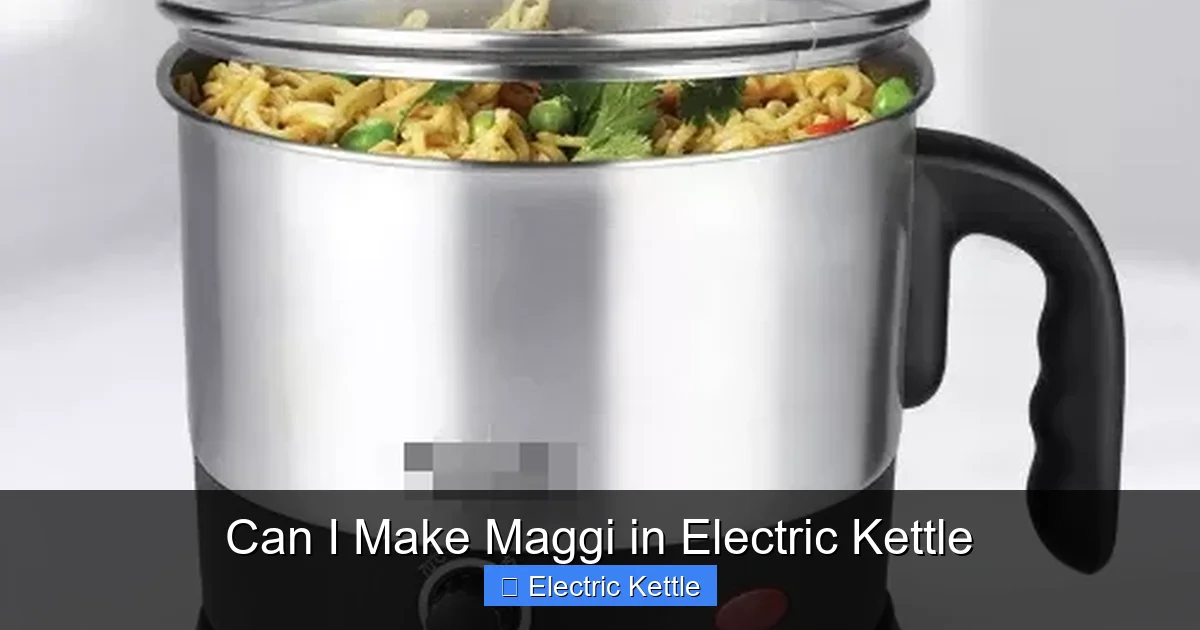
Visual guide about Can I Make Maggi in Electric Kettle
Image source: irrorwxhiqijjr5q.ldycdn.com
To understand why electric kettles can be used to make Maggi, it helps to know how they function. Most electric kettles operate using a heating element—either exposed at the bottom or hidden beneath a stainless steel plate—that heats water to boiling point (around 100°C or 212°F) in just a few minutes. This rapid heating makes them incredibly efficient for boiling water, which is the first step in cooking Maggi.
The key advantage of using an electric kettle for Maggi is speed and convenience. Unlike waiting for a pot to heat up on a stove, an electric kettle can boil water in under 5 minutes, depending on its wattage and capacity. This means you can go from craving to consuming in under 10 minutes—perfect for busy schedules or late-night cravings.
Another benefit is portability. Electric kettles are compact, lightweight, and often come with automatic shut-off features, making them safe to use in dorms, offices, or hotel rooms where open flames or hot plates might be prohibited. Many modern kettles also have temperature control settings, allowing you to boil water at the ideal temperature for different types of noodles or beverages.
However, not all kettles are suitable for cooking noodles directly. Some models have fully sealed bases or non-stick coatings that can be damaged by food particles. Others may not allow you to add ingredients after boiling without risking spills or electrical issues. That’s why it’s crucial to choose the right type of kettle and follow proper techniques to avoid damage or accidents.
Types of Electric Kettles: Which Ones Work Best?
When it comes to making Maggi in an electric kettle, the design of your appliance matters. Here’s a breakdown of common kettle types and their suitability for cooking noodles:
Open-element kettles: These have a visible heating coil at the bottom of the kettle. They’re ideal for making Maggi because you can easily add noodles and spices after the water boils. Just be careful not to touch the hot element.
Stainless steel kettles with removable bases: These allow you to lift the kettle off the power base, making it easier to stir and monitor the noodles. They’re a great middle ground between safety and functionality.
Glass or plastic kettles with sealed bases: These are less ideal because you can’t easily access the interior while cooking. Adding noodles after boiling may cause spills or steam burns.
Kettles with non-stick coatings: Avoid using these for Maggi, as the coating can degrade when exposed to food particles or high heat. It may also release harmful fumes.
Always check your kettle’s user manual before attempting to cook anything other than water. Some manufacturers explicitly warn against using the appliance for food preparation.
Step-by-Step Guide: How to Make Maggi in an Electric Kettle
Now that you know your kettle is suitable, here’s a simple, foolproof method to make delicious Maggi in under 10 minutes.
What You’ll Need
- 1 electric kettle (preferably with an open element or removable base)
- 1 packet of Maggi noodles
- 1 cup of water (adjust based on your kettle’s capacity)
- Maggi masala packet
- A spoon or chopstick for stirring
- A bowl or mug to serve (optional)
Step 1: Boil the Water
Start by filling your electric kettle with the right amount of water. For one serving of Maggi, 1 to 1.5 cups (250–375 ml) is usually sufficient. Don’t overfill—leave some space to prevent boiling over when you add the noodles.
Close the lid and turn on the kettle. Most kettles will automatically shut off once the water reaches boiling point. Wait for the kettle to turn off completely before proceeding.
Step 2: Add the Noodles
Once the water has boiled, carefully open the kettle lid. Break the Maggi noodle block into smaller pieces (about 4–6 chunks) and gently drop them into the hot water. Breaking the block helps the noodles cook evenly and prevents clumping.
Step 3: Add the Masala
Open the Maggi masala packet and sprinkle the contents directly into the boiling water. Stir gently with a spoon or chopstick to dissolve the spices. Be careful not to splash hot water.
Step 4: Let It Cook
Close the kettle lid and let the noodles sit for 2–3 minutes. The residual heat will continue cooking the noodles. Avoid turning the kettle back on unless absolutely necessary—reheating can cause the noodles to overcook or the water to boil over.
Step 5: Stir and Check
After 2–3 minutes, open the lid and stir the noodles gently. Check if they’re soft and cooked through. If they’re still hard, let them sit for another minute. Overcooking can make them mushy, so timing is key.
Step 6: Serve and Enjoy
Once the noodles are cooked to your liking, carefully pour them into a bowl or drink directly from the kettle (if it’s clean and safe). Add a splash of milk or a pinch of black pepper for extra flavor, if desired.
Pro Tips for Perfect Kettle Maggi
- Use less water than usual: Since there’s no evaporation like on a stove, you may end up with more liquid. Start with 1 cup and adjust next time.
- Stir frequently: This prevents the noodles from sticking to the bottom or forming clumps.
- Don’t add oil: Oil can coat the noodles and prevent the masala from dissolving properly. It can also leave a greasy residue in your kettle.
- Experiment with flavors: Try adding a pinch of chili flakes, a squeeze of lemon, or a boiled egg for extra protein.
- Use a timer: Overcooking is common with this method. Set a timer for 3 minutes to avoid mushy noodles.
Safety Tips and Common Mistakes to Avoid
While making Maggi in an electric kettle is generally safe, there are several precautions you should take to protect both yourself and your appliance.
Avoid Overfilling the Kettle
One of the most common mistakes is adding too much water. When noodles are added, they absorb liquid and expand, which can cause the water to boil over. This not only creates a mess but can also damage the kettle’s electrical components or cause short circuits. Always leave at least 1–2 inches of space at the top.
Never Turn the Kettle Back On After Adding Noodles
Once the noodles are in, avoid reactivating the heating element. The residual heat is usually enough to finish cooking. Reheating can cause the water to boil violently, leading to spills, burns, or damage to the kettle’s interior.
Don’t Use Metal Utensils Aggressively
Stirring with a metal spoon can scratch the kettle’s interior, especially if it has a non-stick coating. Use a wooden or silicone spoon, or even a chopstick, to gently mix the noodles.
Watch Out for Steam
Opening the kettle lid immediately after boiling can release a burst of hot steam. Always open the lid slowly and stand back to avoid burns.
Never Add Whole Spices or Oil Directly
Whole spices like cloves or cinnamon sticks can clog the kettle’s vents or leave residue. Similarly, adding oil can create a film that’s hard to clean and may affect the taste of future brews. If you want extra flavor, add spices after cooking or use a tea infuser.
Check for Residue After Each Use
Noodle bits and masala powder can stick to the kettle’s interior. If left uncleaned, they can burn during the next use, creating unpleasant odors or even smoke. Always rinse the kettle thoroughly after making Maggi.
Cleaning Your Electric Kettle After Making Maggi
Proper cleaning is essential to maintain your kettle’s performance and longevity. Food residue, especially from starchy noodles and spice powders, can build up over time and affect the taste of your tea or coffee.
Immediate Rinse
As soon as you’re done eating, rinse the kettle with warm water. Use a soft sponge or brush to gently scrub the interior, paying special attention to the heating element and corners where food particles may accumulate.
Use a Vinegar Solution for Deep Cleaning
For stubborn residue or odors, mix equal parts water and white vinegar. Fill the kettle about halfway, boil the solution, then let it sit for 15–20 minutes. Pour it out, rinse thoroughly, and boil fresh water once to remove any vinegar taste.
Avoid Harsh Chemicals
Never use abrasive cleaners or steel wool, as they can scratch the surface. Stick to mild dish soap, vinegar, or baking soda for safe, effective cleaning.
Dry Completely
After cleaning, leave the kettle open to air dry completely before storing. Moisture can promote mold or rust, especially in hard-to-reach areas.
Regular Maintenance
Even if you don’t make Maggi often, clean your kettle every 2–4 weeks to prevent mineral buildup (especially if you have hard water). This ensures better performance and longer life.
Creative Variations: Upgrade Your Kettle Maggi
Once you’ve mastered the basics, why not get creative? Here are some fun and tasty ways to elevate your electric kettle Maggi experience.
Add Protein
Boost the nutritional value by adding a boiled egg, shredded chicken, or tofu. You can boil the egg separately and drop it in at the end, or use pre-cooked options for convenience.
Vegetable Power-Up
Finely chop vegetables like carrots, peas, or spinach and add them during the last minute of cooking. They’ll soften in the hot water and add color, crunch, and nutrients.
Spice It Up
Add a pinch of garam masala, turmeric, or red chili powder for extra heat and flavor. You can also stir in a teaspoon of tomato ketchup or soy sauce for a tangy twist.
Creamy Version
For a richer taste, add a splash of milk or a small cube of butter after cooking. This creates a creamy, comforting texture similar to pasta.
Fusion Flavors
Try making “Maggi Ramen” by adding a slice of cheese or a spoonful of miso paste. Or go Mexican with a dash of cumin, coriander, and a squeeze of lime.
Sweet Maggi (Yes, Really!)
For a unique dessert twist, skip the masala and add sugar, cocoa powder, and a pinch of cinnamon. Top with marshmallows for a fun, sweet treat.
Is It Safe and Sustainable? Long-Term Considerations
While making Maggi in an electric kettle is convenient, it’s worth considering the long-term impact on your appliance and the environment.
Appliance Wear and Tear
Frequent use for cooking—not just boiling water—can shorten your kettle’s lifespan. Food particles, starch, and spices can accumulate and affect performance over time. If you plan to make Maggi regularly, consider investing in a dedicated travel kettle or a multi-purpose electric cooker.
Energy Efficiency
Electric kettles are generally energy-efficient, using less power than a stove. However, reheating or overfilling can waste energy. Stick to the right water amount and avoid unnecessary reheating.
Environmental Impact
Single-use plastic packaging from Maggi packets contributes to waste. Consider buying in bulk or switching to reusable spice containers. Also, choose energy-efficient kettles with auto shut-off to reduce electricity use.
Alternatives to Consider
If you’re making Maggi frequently, you might want to explore other portable cooking options like electric hot plates, portable induction cooktops, or microwave-safe containers—especially if your kettle isn’t designed for food prep.
Conclusion: Yes, You Can—and It’s Delicious!
So, can you make Maggi in an electric kettle? Absolutely. With the right kettle, proper technique, and a few safety precautions, you can enjoy hot, satisfying noodles in minutes—no stove required. It’s a game-changer for students, travelers, office workers, or anyone who values convenience without sacrificing taste.
From boiling water to adding noodles and spices, the process is simple, fast, and surprisingly effective. Just remember to choose a kettle that allows for safe cooking, avoid overfilling, stir gently, and clean thoroughly after each use. With a little practice, you’ll be whipping up perfect kettle Maggi like a pro.
And don’t stop at the basics—experiment with flavors, add veggies or protein, and make it your own. Whether you’re craving a quick lunch or a late-night snack, your electric kettle can be your new best friend in the kitchen.
So go ahead, boil that water, drop in those noodles, and enjoy the magic of Maggi—made easy, one kettle at a time.
Frequently Asked Questions
Can I make Maggi in any electric kettle?
Not all electric kettles are suitable. Avoid models with sealed bases, non-stick coatings, or fully enclosed heating elements. Open-element or stainless steel kettles with removable bases work best.
Will making Maggi damage my electric kettle?
It can if done improperly. Food residue, overheating, or using metal utensils aggressively may damage the interior. Clean thoroughly after each use and avoid reheating after adding noodles.
How much water should I use?
Use 1 to 1.5 cups (250–375 ml) for one serving. Too much water can cause boiling over; too little may not cook the noodles properly.
Can I add oil or whole spices?
It’s not recommended. Oil can leave a greasy residue, and whole spices may clog vents. Add ground spices or use a tea infuser if needed.
How do I clean my kettle after making Maggi?
Rinse immediately with warm water and scrub gently. For deep cleaning, use a vinegar-water solution, boil, let sit, then rinse thoroughly.
Can I reheat the kettle after adding noodles?
No. Reheating can cause violent boiling, spills, or damage. Use residual heat and let the noodles sit for 2–3 minutes instead.