
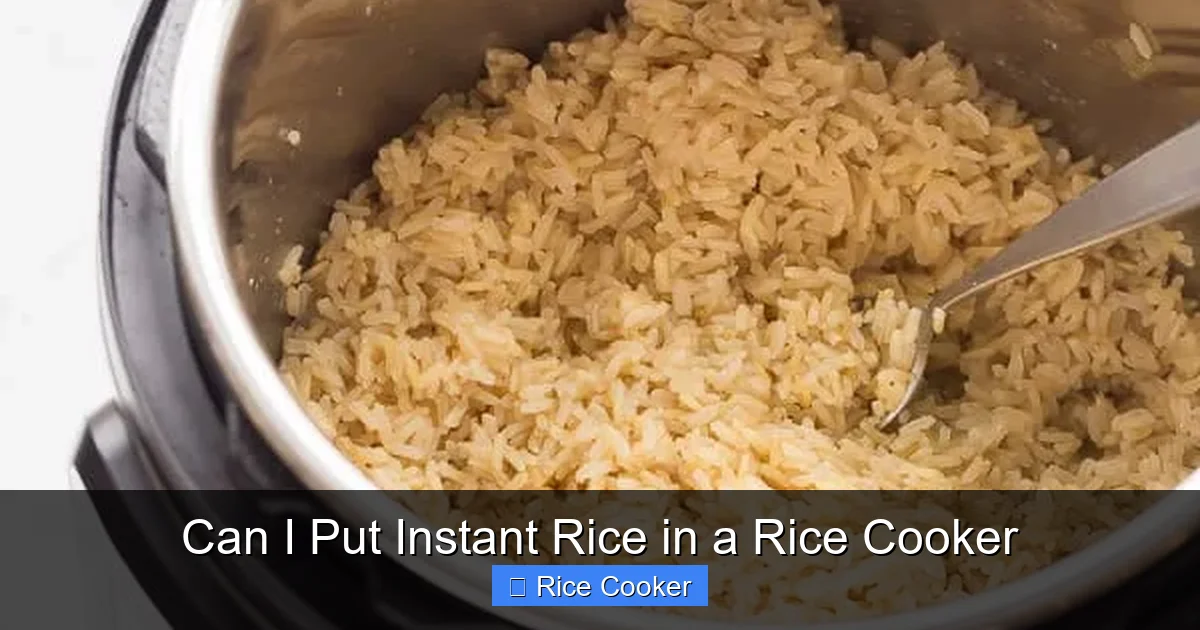
Can I put instant rice in a rice cooker? Absolutely! While instant rice is designed for microwave use, most rice cookers handle it beautifully with just a few adjustments. You’ll save time without sacrificing texture or flavor—just remember to rinse it first and use less water than usual.
Using a rice cooker for instant rice isn’t just possible—it’s often easier and more consistent than microwaving. Whether you’re making jasmine, basmati, or even brown instant rice, your appliance can deliver fluffy, evenly cooked results every single time.
Key Takeaways
- Instant rice works great in rice cookers: Despite being labeled “instant,” this type of rice cooks efficiently in electric appliances designed for grains.
- Rinse before cooking: Always rinse instant rice under cold water to remove excess starch and prevent clumping during the cooking process.
- Use less water than regular rice: Instant rice requires significantly less liquid—usually about half the amount called for on the package.
- Adjust cook time slightly: Most rice cookers automatically detect doneness, but keep an eye on the first batch until you know your machine’s behavior.
- Flavor and texture vary by type: White instant rice tends to be softer, while brown versions stay chewier—adjust seasoning accordingly.
- Clean promptly after use: Instant rice can leave sticky residue; clean your cooker immediately to avoid buildup.
📑 Table of Contents
- Can I Put Instant Rice in a Rice Cooker? Yes—and Here’s How!
- Understanding Instant Rice: What Makes It “Instant”?
- Is It Safe to Use Instant Rice in a Rice Cooker?
- Step-by-Step Guide: Cooking Instant Rice in a Rice Cooker
- Troubleshooting Common Issues with Instant Rice in a Rice Cooker
- Benefits of Using a Rice Cooker for Instant Rice
- Best Practices for Different Types of Instant Rice
- Cleaning and Maintaining Your Rice Cooker After Using Instant Rice
- Creative Ways to Serve Instant Rice Cooked in a Rice Cooker
- Final Thoughts: Should You Use a Rice Cooker for Instant Rice?
Can I Put Instant Rice in a Rice Cooker? Yes—and Here’s How!
If you’re standing in your kitchen wondering whether you can use instant rice in your rice cooker, the short answer is yes—you absolutely can! In fact, many home cooks prefer using their rice cooker for instant rice because it eliminates guesswork and ensures consistent results. But before you toss that box into the appliance, there are a few important steps to follow so your rice comes out light, fluffy, and perfectly cooked every time.
Instant rice is a convenient staple in pantries across the country. It’s fast, affordable, and ideal for busy weeknights when you need a side dish in under ten minutes. Traditionally, it’s meant to be microwaved—but that doesn’t mean it won’t work (or taste great) in your electric rice cooker. With the right technique, you can enjoy restaurant-quality texture without extra effort.
In this article, we’ll walk through everything you need to know about cooking instant rice in a rice cooker. From preparation tips to troubleshooting common mistakes, you’ll learn how to get the most out of both your appliance and your pantry ingredients.
Understanding Instant Rice: What Makes It “Instant”?
Visual guide about Can I Put Instant Rice in a Rice Cooker
Image source: metrocookingdallas.com
Before diving into the how-to, let’s clarify what makes instant rice different from long-grain, medium-grain, or short-grain varieties.
Instant rice undergoes a special processing method where the grains are partially cooked and then dehydrated—often flash-frozen or freeze-dried—before being packaged. This allows them to absorb heat quickly and rehydrate rapidly during cooking. The result? A much shorter cook time compared to traditional rice.
There are several types of instant rice available:
- White instant rice: The most common variety, usually made from parboiled or precooked white rice. It becomes soft and tender when cooked.
- Brown instant rice: Made from brown rice that’s been pre-treated to speed up hydration. Retains more fiber and nutrients but takes slightly longer to cook.
- Specialty instant rices: Includes wild rice, jasmine, basmati, and even colored varieties like black or red rice—all processed similarly but with unique textures and flavors.
Because of its altered structure, instant rice behaves differently in a rice cooker than raw rice. It absorbs moisture faster and reaches full doneness quicker, which is why adjusting water ratios and timing is essential.
Is It Safe to Use Instant Rice in a Rice Cooker?
Safety isn’t typically a concern when switching from microwave to stovetop or rice cooker methods. Instant rice has already gone through partial cooking during manufacturing, so as long as it’s stored properly and not past its expiration date, it’s perfectly safe to reheat using any method—including your rice cooker.
That said, always check the label for specific instructions. Some brands may recommend against using non-microwave methods, though this is rare. If in doubt, follow the manufacturer’s guidelines for both the rice and your appliance.
One thing to keep in mind: because instant rice cooks so quickly, there’s little risk of bacterial growth if left sitting too long after cooking—but as with all food, it’s best consumed fresh or refrigerated within two hours.
Step-by-Step Guide: Cooking Instant Rice in a Rice Cooker
Ready to try it? Follow these simple steps for foolproof instant rice every time.
1. Measure and Rinse the Rice
Start by measuring out your desired amount of instant rice. A standard serving is about ½ cup dry per person. Place the rice in a fine-mesh strainer and rinse thoroughly under cool running water for 30–60 seconds. Rinsing removes excess starch, which prevents clumping and helps achieve a fluffier texture.
2. Add Water (Less Than Regular Rice)
This is the trickiest part—using the wrong ratio of water will lead to mushy or dry rice. For most instant rices, use only ¼ to ⅓ cup water per ½ cup dry rice. For example:
- ½ cup instant rice → ¼ cup water
- 1 cup instant rice → ⅓ cup water
If you’re unsure, start with less water. You can always add more later—but adding too much at once will dilute flavor and make the rice soggy.
3. Optional: Add Flavor Enhancements
Want to jazz up plain instant rice? Try adding:
- A pinch of salt
- 1 tablespoon butter or olive oil
- ¼ teaspoon garlic powder or onion powder
- A splash of soy sauce (great for Asian-inspired dishes)
These small additions make a big difference in taste and aroma.
4. Cook According to Your Machine’s Settings
Place the rinsed rice and measured water into the inner pot of your rice cooker. Close the lid and select the “White Rice” setting (if available). Many modern rice cookers have a “Quick Cook” or “Instant” mode, but standard settings usually work just fine.
Most instant rice should be done in 5–8 minutes. However, some models may take up to 12 minutes depending on power and capacity. Avoid opening the lid during cooking—this releases steam and extends cook time unnecessarily.
5. Let It Rest and Fluff
Once the cycle completes, let the rice sit for 2–3 minutes with the lid closed. This allows residual heat to finish cooking evenly and gives the moisture time to distribute. Then gently fluff with a fork or rice paddle before serving.
Troubleshooting Common Issues with Instant Rice in a Rice Cooker
Even with perfect technique, things don’t always go as planned. Here’s how to fix the most common problems:
Mushy or Sticky Rice
This usually happens when too much water is used or the rice isn’t rinsed well. Next time, reduce water by 10–15% and double-check the rinsing step. Also, avoid stirring during or after cooking—this breaks apart the delicate grains.
Dry or Undercooked Grains
If your rice feels crunchy or gummy in parts, it likely didn’t absorb enough liquid. Try adding a teaspoon of water at a time and letting it sit covered for 2–3 minutes. Covering traps steam and helps complete the cooking process.
Burnt Bottom Layer
Some rice cookers develop a burnt layer when food sits too long or when the inner pot isn’t clean. Always wipe the pot’s rim and heating element before use. Also, never cook without water—even instant rice needs some liquid to transfer heat evenly.
Inconsistent Results Between Batches
Different brands of instant rice absorb moisture at varying rates. Keep notes on how each brand performs in your cooker. Over time, you’ll develop a personal preference for certain types or ratios.
Benefits of Using a Rice Cooker for Instant Rice
Why go through the trouble of adapting a microwave shortcut to your appliance? There are real advantages:
- Consistency: Unlike microwaves, which rely on uneven heating, rice cookers circulate heat evenly throughout the cooking cycle.
- Hands-off convenience: Once you press start, you can focus on other tasks while the machine does all the work.
- Better texture control: By adjusting water levels and resting times, you can tailor the outcome to your liking—fluffy, moist, or firm.
- Saves energy: Rice cookers use less electricity than microwaves for similar results, especially if you cook larger batches.
- Versatility: You can easily combine instant rice with vegetables, proteins, or sauces during cooking for one-pot meals.
For families or meal prep enthusiasts, using a rice cooker streamlines dinner routines. Imagine coming home to warm, perfectly cooked rice waiting for you—no standing over a hot stove!
Best Practices for Different Types of Instant Rice
Not all instant rice is created equal. Here’s how to handle the main varieties:
White Instant Rice
The gentlest and most forgiving option. It turns out light and tender with minimal fuss. Ideal for creamy sides like rice pudding or easy stir-fries.
Brown Instant Rice
Higher in fiber and nutrients but also denser. May require a bit more water (about ⅓ cup per ½ cup dry) and a slightly longer cook time. Still very quick compared to raw brown rice!
Jasmine and Basmati Varieties
Often aromatic and slightly sticky when cooked. These work well in rice cookers but benefit from a touch more water and a final fluffing to separate grains.
Wild or Red Instant Rice
Less common but gaining popularity. These tend to hold their shape better and offer earthy flavors. Monitor closely during cooking since they can dry out fast.
Pro tip: When experimenting with new brands, start with small test batches to dial in water ratios and timing before scaling up.
Cleaning and Maintaining Your Rice Cooker After Using Instant Rice
Instant rice leaves behind starchy residue that can harden if not cleaned promptly. To keep your appliance in top condition:
- Wipe the inner pot and lid immediately after use while still warm (use a damp cloth—never submerge the base).
- For stubborn spots, fill the pot halfway with warm water and a drop of dish soap. Run a short cooking cycle, then scrub gently with a soft sponge.
- Never immerse the outer casing or electrical components in water.
- Store the inner pot clean and dry to prevent mold or odors.
Regular maintenance ensures your rice cooker lasts years and continues delivering reliable performance.
Creative Ways to Serve Instant Rice Cooked in a Rice Cooker
Don’t just serve it plain! Instant rice adapts beautifully to a wide range of cuisines:
- Fried rice: Sauté diced veggies and protein in oil, then add cooked instant rice and soy sauce. Crispy edges form naturally.
- Rice bowls: Layer with grilled chicken, avocado, beans, and salsa for a hearty lunch.
- Risotto-style dishes: Stir in broth gradually while folding in cheese, mushrooms, or spinach.
- Mexican-style arroz rojo: Cook rice with tomato paste, onions, and spices for a vibrant red side dish.
- Dessert rice: Mix with cinnamon, brown sugar, milk, and raisins for a quick rice pudding.
The sky’s the limit when you treat instant rice as a versatile ingredient rather than a last-minute crutch.
Final Thoughts: Should You Use a Rice Cooker for Instant Rice?
Absolutely—with just a few mindful adjustments, your rice cooker becomes an even more powerful tool in the kitchen. Instant rice was designed for speed, but that doesn’t mean it has to compromise on quality. By understanding its unique properties and respecting its requirements, you unlock a world of convenience without sacrificing flavor or texture.
Whether you’re preparing a quick family dinner or meal-prepping for the week, using a rice cooker for instant rice saves time, reduces cleanup, and delivers consistently excellent results. Plus, it’s a great way to experiment with different grains and seasonings without investing in specialty equipment.
So next time you reach for that box of instant rice, skip the microwave and give your rice cooker a try. You might just discover your new favorite method for getting perfectly cooked grains every single time.
Frequently Asked Questions
Does instant rice cook faster in a rice cooker than in a microwave?
Not necessarily—both methods take roughly the same total time, but the rice cooker provides more even heating and hands-off convenience. Microwaving can sometimes lead to uneven spots, while a rice cooker circulates heat consistently throughout the grain.
Can I substitute instant rice for regular rice in a recipe?
It depends on the recipe. In soups or casseroles, yes—instant rice absorbs liquids quickly and cooks through safely. But for dishes requiring distinct individual grains (like pilaf or fried rice), regular rice holds its shape better. Always adjust cook times and liquid ratios accordingly.
What happens if I don’t rinse instant rice before cooking?
Unrinsed instant rice may become overly sticky or gummy due to excess surface starch. Rinsing removes this starch and promotes a lighter, fluffier texture similar to freshly cooked long-grain rice.
Can I cook instant rice directly in the rice cooker without adding water?
No—even though instant rice is pre-soaked during manufacturing, it still needs added liquid to rehydrate fully. Without water, it won’t absorb moisture properly and will remain dry and hard.
Will my rice cooker work with frozen instant rice?
Technically yes, but it’s unnecessary. Frozen instant rice thaws quickly and adds extra moisture, which increases the risk of mushiness. Stick to dry, room-temperature rice for best results.
How do I store leftover instant rice cooked in a rice cooker?
Refrigerate within two hours of cooking and consume within 3–4 days. Reheat by adding a splash of water or broth and warming gently in the microwave or on the stovetop, fluffing occasionally to restore texture.