
Can you make yellow rice in a rice cooker? Absolutely! With just a few key ingredients—like turmeric, saffron, or annatto—and your trusty appliance, you can create delicious, aromatic yellow rice in minutes. Whether you’re aiming for authentic flavors or a colorful side dish, this method delivers consistent, foolproof results every time.
Key Takeaways
- Yes, you can easily make yellow rice in a standard rice cooker. The process is simple: cook rice as usual and add yellow seasonings like turmeric or saffron during the final minutes.
- Turmeric is the most common ingredient for coloring rice yellow. It also adds a warm, earthy flavor and powerful antioxidants.
- Saffron gives a luxurious, fragrant yellow hue but is more expensive. Use it sparingly for a restaurant-quality result.
- Annatto seeds provide a natural orange-yellow color and nutty taste. They’re great for Latin or Caribbean-inspired dishes.
- A rice cooker ensures even cooking without overcooking. No need to watch the stove—just set it and forget it.
- Yellow rice pairs well with grilled meats, stews, and Middle Eastern dishes. It’s a versatile, crowd-pleasing side.
📑 Table of Contents
- Introduction: Why Yellow Rice Deserves a Spot on Your Table
- What Is Yellow Rice, and Why Make It at Home?
- Choosing the Right Ingredients for Yellow Rice
- Step-by-Step Guide: Making Yellow Rice in Your Rice Cooker
- Flavor Variations and Creative Twists
- Pairing Yellow Rice with Proteins and Sides
- Storage and Reheating Tips
- Conclusion: Easy, Delicious, and Always Impressive
Introduction: Why Yellow Rice Deserves a Spot on Your Table
Have you ever stared at your dinner plate and thought, “This needs a splash of sunshine”? That’s where yellow rice comes in. Unlike plain white rice, yellow rice isn’t just about color—it’s about flavor, tradition, and visual appeal. From the golden-hued grains of Persian cuisine to the saffron-infused dishes of Spain, yellow rice has traveled across cultures and kitchens. And the best part? You don’t need a fancy stove or professional chef skills to make it at home.
If you own a rice cooker—and let’s be honest, most of us do—you’re already halfway there. These handy appliances have revolutionized how we cook rice, offering consistent results without constant supervision. But can they handle yellow rice? The short answer: yes, absolutely. In fact, using a rice cooker might be one of the easiest ways to make perfect yellow rice every single time. In this guide, we’ll walk you through everything you need to know—from choosing the right coloring agent to troubleshooting common issues. By the end, you’ll be ready to impress your family and friends with a vibrant, flavorful side dish that’s both beautiful and delicious.
What Is Yellow Rice, and Why Make It at Home?
The Origins and Appeal of Yellow Rice
Yellow rice, also known as saffron rice or turmeric rice, is a staple in many global cuisines. In the Middle East, it’s often served with kebabs or stews. In Spain, it accompanies paella and seafood dishes. In Latin America, annatto-based yellow rice is a beloved side for grilled chicken or pork. What ties all these versions together? A rich history and a deep connection to culture, celebration, and comfort food.
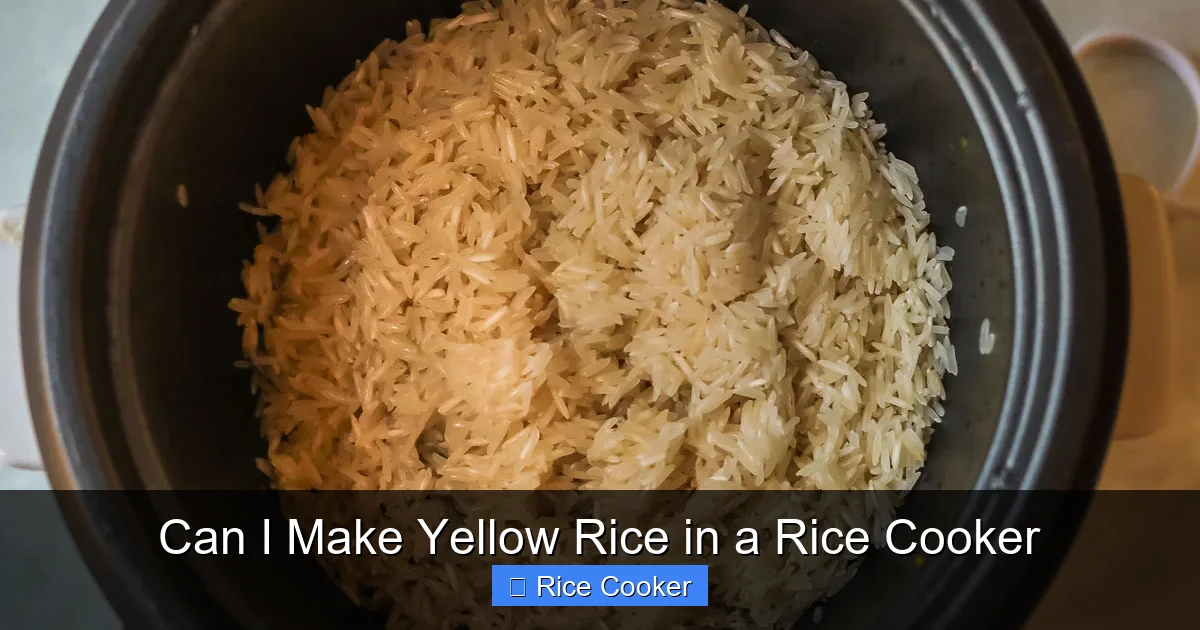
Visual guide about Can I Make Yellow Rice in a Rice Cooker
Image source: iheartvegetables.com
But beyond its cultural significance, yellow rice stands out because of its bold color and unique taste. Unlike plain rice, which can sometimes feel bland, yellow rice carries subtle notes of spice, earthiness, or floral aroma—depending on the ingredient used. Whether you’re using turmeric’s mild warmth, saffron’s delicate perfume, or annatto’s nutty undertones, each version brings something special to the table. Plus, the bright golden hue makes any meal look more inviting and restaurant-worthy.
Why Use a Rice Cooker?
So why choose a rice cooker over the stove? For starters, consistency. Rice cookers regulate temperature automatically, so you don’t risk burning or undercooking your grains. They also free up your stove for other tasks—perfect when you’re making a full meal. Most modern models have settings for different types of rice (like jasmine or basmati), and many come with keep-warm functions to maintain ideal serving temperatures.
Another advantage? Simplicity. Add rice, water, seasonings, and press start. That’s it. No stirring required. Whether you’re cooking for two or ten, a rice cooker handles small batches and large quantities equally well. And since yellow rice typically requires minimal prep, your kitchen stays clean and calm—no frantic last-minute scrambling before guests arrive.
Choosing the Right Ingredients for Yellow Rice
Turmeric: The Classic Yellow Colorant
When most people think of yellow rice, turmeric is what comes to mind. This bright orange-yellow spice is a kitchen staple in Indian, Southeast Asian, and Middle Eastern cooking. Not only does it give rice its signature golden shade, but it also imparts a mild, slightly peppery flavor and anti-inflammatory benefits. To use turmeric in your rice cooker, simply add 1 teaspoon per cup of uncooked rice directly into the inner pot before adding water. Stir gently to distribute evenly.
Pro tip: For deeper color and better flavor absorption, lightly toast the turmeric in a dry pan for 30 seconds before mixing it in. This helps unlock its full potential. Also, consider pairing turmeric with a pinch of black pepper—pepper enhances curcumin (the active compound in turmeric) and makes it more bioavailable.
Saffron: The Luxurious Choice
If you want your yellow rice to look and taste like it came from a high-end restaurant, saffron is your go-to. Known as the world’s most expensive spice, saffron threads are hand-harvested from crocus flowers and dried into tiny red-orange strands. When soaked in warm water, they release a brilliant yellow color and a fragrant, honey-like aroma.
To use saffron in your rice cooker, steep 5–6 threads in 2 tablespoons of warm water for 10–15 minutes. Then pour the liquid (with or without the threads, depending on how intense you want the flavor) into the rice cooker along with your rice and water. Because saffron is potent, a little goes a long way—overuse can lead to bitterness. Aim for a rich golden hue rather than an overly dark tone.
Annatto Seeds: Natural and Flavorful
For a completely different profile, try annatto seeds. These small, reddish-brown seeds come from the achiote tree and are commonly used in Latin American and Caribbean dishes like arroz con pollo. When soaked in hot water or oil, annatto releases a soft orange-yellow dye and a subtle, slightly bitter, nutty flavor.
To infuse your rice with annatto, heat 2 tablespoons of oil in a small saucepan over low heat. Add 6–8 annatto seeds and simmer for 5 minutes until the oil turns golden. Strain out the seeds and add the colored oil to your rice cooker along with your rice and water. This method not only colors the rice but also adds richness and depth.
Other Options: Paprika, Food Coloring (Use Sparingly)
While not traditional, some cooks use smoked paprika for a smoky yellow hue, especially in Spanish-style dishes. Just note that it will change the flavor profile significantly. As for food coloring—yes, it works—but it’s best reserved for non-edible purposes or very specific recipes. Artificial dyes lack nutritional value and may affect texture if used in excess. Stick to natural options for the best taste and health benefits.
Step-by-Step Guide: Making Yellow Rice in Your Rice Cooker
Ingredients You’ll Need
- 1 cup long-grain white rice (jasmine, basmati, or regular work well)
- 1¼ cups water (adjust slightly based on rice type)
- 1 teaspoon turmeric powder OR 5–6 saffron threads OR 6–8 annatto seeds + 2 tbsp oil
- Optional: ½ teaspoon salt, 1 clove garlic (minced), or 1 bay leaf for extra flavor
- Optional: 1 tablespoon butter or olive oil for richness
Equipment Checklist
- Standard electric rice cooker with removable inner pot
- Measuring cups and spoons
- Small bowl for soaking saffron or annatto (if using)
- Wooden spoon or spatula for stirring
Detailed Instructions
- Prepare the rice: Rinse the rice under cold running water until the water runs clear. This removes excess starch and prevents clumping.
- Add base ingredients: Place rinsed rice in the inner pot of your rice cooker. Add water, salt (if using), and any optional aromatics like garlic or bay leaf.
- Infuse the yellow color: If using turmeric, stir it into the rice now. If using saffron, steep the threads in warm water first, then add the liquid. If using annatto, heat seeds in oil, strain, and add the oil mixture.
- Add fat (optional): For richer texture, stir in butter or olive oil before starting the cook cycle.
- Cook the rice: Close the lid and select the “White Rice” or standard setting. Press start. Total cooking time is usually 20–30 minutes.
- Let it rest: Once done, let the rice sit for 5–10 minutes with the lid closed. This allows steam to redistribute and grains to firm up.
- Fluff and serve: Open the lid, gently fluff the rice with a fork, and discard any leftover saffron threads or annatto seeds. Serve warm.
Troubleshooting Common Issues
- Rice too sticky: Use less water next time or rinse rice more thoroughly.
- Lack of color: Increase the amount of coloring agent or soak it longer before adding.
- Bitter aftertaste: Reduce saffron or annatto; avoid overheating spices.
- Grains too hard: Add a bit more water or extend soaking time before cooking.
Flavor Variations and Creative Twists
Spiced Yellow Rice with Cumin and Coriander
Want something bolder? Try a Middle Eastern-inspired version. Combine 1 teaspoon ground turmeric with ½ teaspoon ground cumin and ½ teaspoon ground coriander. Cook as usual, and finish with fresh parsley and lemon juice. This combo pairs beautifully with roasted vegetables or grilled lamb.
Saffron-Ricotta Stuffed Chicken with Yellow Rice
Elevate your meal by serving yellow rice alongside saffron-rice-stuffed chicken breasts. The floral notes complement the savory filling perfectly. Simply mix cooked yellow rice with ricotta cheese, spinach, and herbs before stuffing the chicken.
Vegetarian Yellow Rice Bowl
Make it hearty and healthy by topping your yellow rice with roasted sweet potatoes, black beans, corn, avocado slices, and a drizzle of lime-cilantro dressing. It’s colorful, satisfying, and packed with plant-based protein.
Holiday-Special Saffron Rice with Almonds and Raisins
For special occasions, serve golden saffron rice studded with toasted slivered almonds and plump golden raisins. A sprinkle of cinnamon adds warmth. Perfect for Passover, Eid, or holiday dinners.
Pairing Yellow Rice with Proteins and Sides
Best Protein Matches
- Grilled Chicken or Shrimp: The mild flavor of yellow rice lets seafood shine.
- Lamb Kebabs: Turmeric rice cuts through the richness of spiced meat.
- Chicken Tagine or Stew: Moroccan or North African dishes rely on yellow rice as a base.
- Black Bean Burgers: Adds brightness to plant-based meals.
Complementary Side Dishes
- Mediterranean salad with feta and olives
- Roasted eggplant or zucchini
- Garlicky green beans or spinach sautéed with lemon
- Fresh cucumber-tomato salad
Dietary Considerations
Yellow rice is naturally gluten-free and vegetarian-friendly (check broth if using). For vegan versions, skip butter and use water or plant-based milk instead. Nutrient-wise, turmeric offers curcumin—a compound linked to reduced inflammation—while saffron contains antioxidants. Annatto provides vitamin A and iron.
Storage and Reheating Tips
How Long Does Yellow Rice Last?
Store cooled yellow rice in an airtight container in the refrigerator for up to 4 days. It freezes well too—portion into containers and keep for up to 3 months. Thaw overnight in the fridge or reheat directly from frozen.
Reheating Without Ruining Texture
Never microwave straight from cold—it dries out the rice. Instead, place portions in a steamer basket over boiling water for 5–7 minutes, or add a splash of water and cover while microwaving on medium power in 30-second intervals. Stir between bursts to prevent mushiness.
Flavor Boosting Leftovers
Revive old leftovers by tossing them with a bit of olive oil and fresh herbs like cilantro or parsley. A squeeze of lemon juice adds brightness. You can also mix in sautéed onions or roasted peppers for a quick upgrade.
Conclusion: Easy, Delicious, and Always Impressive
Making yellow rice in a rice cooker isn’t just possible—it’s one of the simplest, most rewarding ways to elevate your everyday meals. With just a few natural ingredients and your trusty appliance, you can turn plain white rice into a vibrant, aromatic side that tastes like it belongs in a five-star restaurant. Whether you prefer the earthy warmth of turmeric, the regal fragrance of saffron, or the nutty tang of annatto, there’s a yellow rice recipe for every palate and occasion.
And the beauty of using a rice cooker? It takes the guesswork out of cooking. No more watching the clock, stirring constantly, or worrying about burnt bottoms. Just measure, add, press start, and enjoy the aroma that fills your kitchen. Plus, yellow rice pairs wonderfully with so many dishes—grilled meats, stews, salads, even tacos—making it a true kitchen multitasker.
So next time you’re planning dinner, skip the same-old sides. Reach for your rice cooker, grab a jar of turmeric or a box of saffron threads, and turn ordinary rice into extraordinary yellow rice. Your taste buds—and your guests—will thank you.
Frequently Asked Questions
Can I use any type of rice for yellow rice in a rice cooker?
Yes! White long-grain rice like jasmine, basmati, or regular white rice works best because it absorbs flavors evenly and doesn’t become mushy. Avoid brown rice unless your cooker has a “brown rice” setting, as it requires longer cooking times.
Do I need special equipment to make yellow rice?
Nope. A standard rice cooker with a removable inner pot is all you need. Just make sure it’s clean and dry before use. Optional tools like a fine-mesh strainer help remove saffron threads or annatto seeds after soaking.
Can I make yellow rice ahead of time?
Absolutely. Cooked yellow rice keeps well in the fridge for up to 4 days. Reheat gently with a splash of water or cover while steaming to restore moisture and prevent drying.
Is yellow rice safe to eat every day?
Yes, especially when made with natural ingredients like turmeric or annatto. Turmeric has health benefits, but if you’re pregnant or on blood-thinning medication, consult your doctor before increasing intake.
Why is my yellow rice not yellow enough?
This usually means the coloring agent wasn’t strong enough or wasn’t distributed evenly. Try soaking saffron or annatto longer, or increase the amount of turmeric slightly. Stirring once during cooking helps too.
Can I freeze yellow rice?
Yes! Portion into freezer-safe containers, leave a little headspace, and freeze for up to 3 months. Thaw overnight in the fridge and reheat as needed. Freezing preserves both color and flavor surprisingly well.