
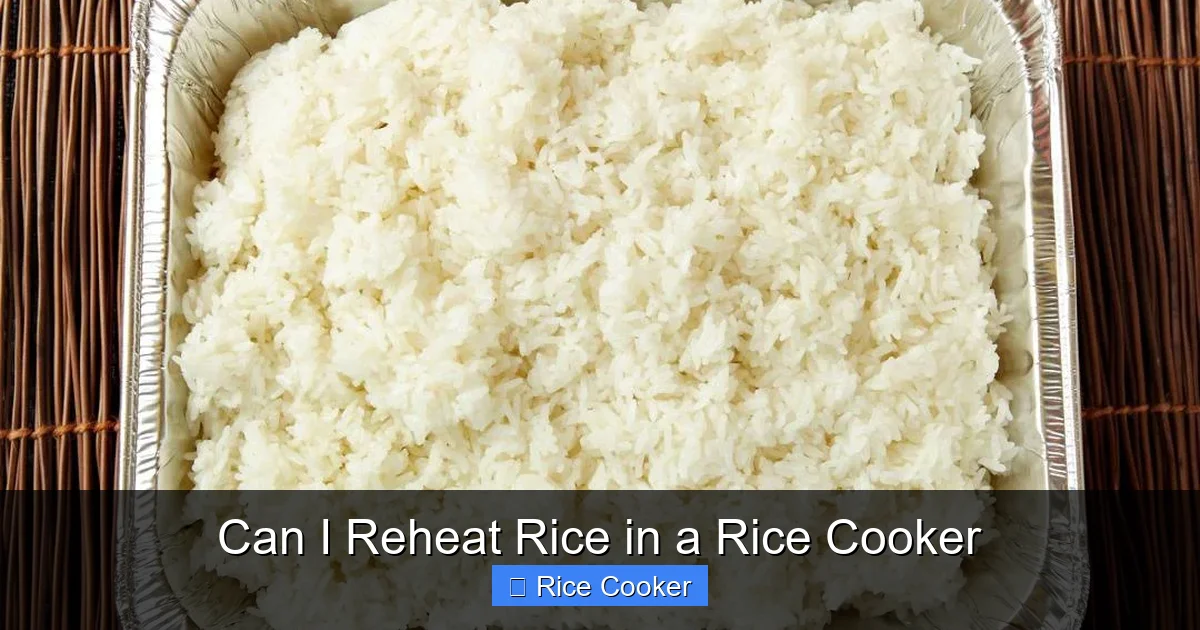
Yes, you can reheat rice in a rice cooker, but it’s important to do it correctly to avoid dryness or bacterial growth. The key is using the right amount of moisture and timing to bring your leftover rice back to a safe, delicious state. Whether you’re saving last night’s dinner or prepping for meal prep, your rice cooker can be a handy tool—when used wisely.
Key Takeaways
- Safety First: Reheating rice properly reduces the risk of foodborne illness caused by Bacillus cereus, especially in cooked rice left at room temperature.
- Moisture Matters: Adding a splash of water or broth helps prevent the rice from drying out during reheating.
- Use the Keep Warm Function: Many rice cookers have a keep-warm setting that gently reheats without overcooking.
- Avoid Overheating: Don’t leave reheated rice on the “keep warm” mode for more than 1–2 hours to prevent bacterial growth.
- Fluff and Stir: After reheating, fluff the rice with a fork and stir well to restore texture and even heat distribution.
- Portion Control: Reheat only what you plan to eat immediately to minimize waste and maintain quality.
Quick Answers to Common Questions
Can I reheat rice in a rice cooker without burning it?
Yes, by using the “keep warm” setting instead of the “cook” button and adding a small amount of liquid to prevent drying.
How long should I reheat rice in a rice cooker?
Typically 5–10 minutes on the “warm” setting, depending on the quantity and initial temperature of the rice.
Is it safe to reheat rice that’s been refrigerated for 2 days?
Yes, if it was stored properly in the fridge and reheated to 165°F throughout. Discard if it smells off or feels slimy.
Can I reheat fried rice in a rice cooker?
Absolutely. Fried rice reheats well in a rice cooker—just add a splash of water and use the warm setting to revive the texture.
Should I add oil when reheating rice in a rice cooker?
Not necessary, but a teaspoon of oil or butter can help restore moisture and add richness, especially for plain boiled rice.
📑 Table of Contents
- Can I Reheat Rice in a Rice Cooker? The Complete Guide
- Why You Should Care About Reheating Rice Safely
- Is It Safe to Reheat Rice in a Rice Cooker?
- How to Reheat Rice in a Rice Cooker: Step-by-Step
- Tips for Perfectly Reheated Rice
- Common Mistakes to Avoid
- Alternative Methods for Reheating Rice
- Food Safety: What You Need to Know
- Conclusion: Yes, You Can—But Do It Right
Can I Reheat Rice in a Rice Cooker? The Complete Guide
We’ve all been there: you cook a big batch of rice for dinner, and even though you were excited about leftovers, life gets busy. Now you’re staring at a container of yesterday’s rice wondering, “Can I reheat rice in a rice cooker?” The short answer is yes—but with some important caveats. While your rice cooker isn’t designed specifically for reheating, it can absolutely help you revive leftover rice safely and effectively when used correctly.
In this comprehensive guide, we’ll walk you through everything you need to know about reheating rice in a rice cooker. From food safety concerns to step-by-step instructions, we’ll cover practical tips, common mistakes, and even how to make your reheated rice taste just as good as fresh. So grab your rice cooker, and let’s get started!
Why You Should Care About Reheating Rice Safely
Cooked rice is a staple in many households, but it’s also one of the most common sources of food poisoning if not handled properly. This is due to a bacterium called Bacillus cereus, which thrives in moist, starchy environments like leftover rice. When rice is cooked and then left at room temperature (especially overnight), these bacteria can produce toxins that survive normal cooking temperatures.
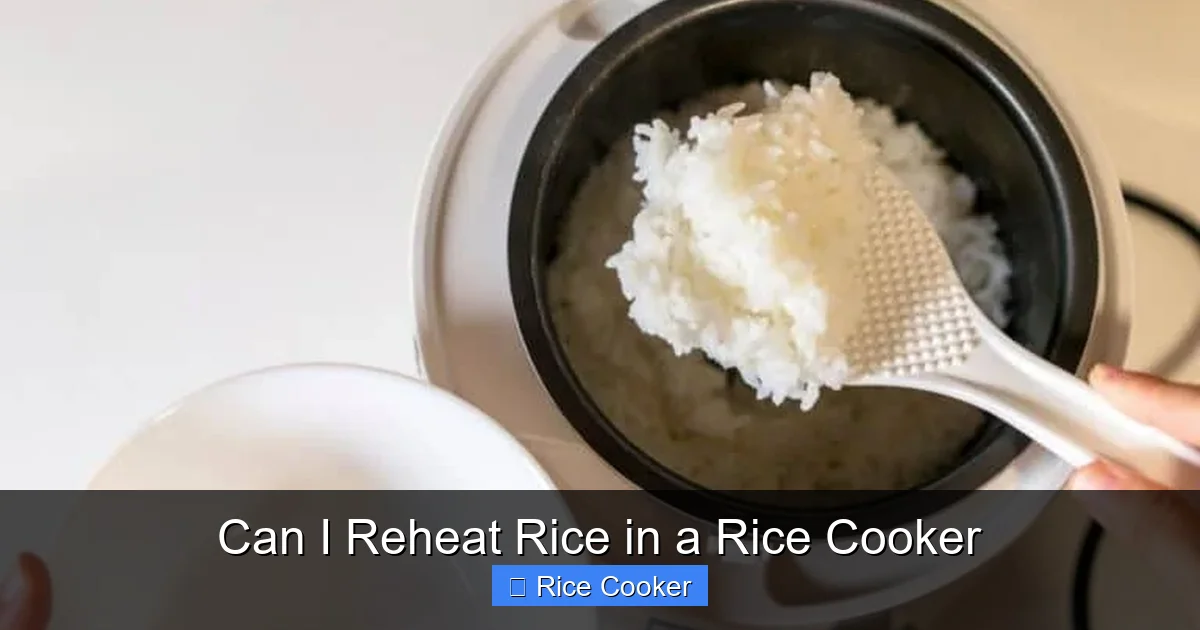
Visual guide about Can I Reheat Rice in a Rice Cooker
Image source: ovenspot.com
Reheating rice incorrectly—such as doing it too slowly or unevenly—can allow harmful bacteria to multiply again. That’s why it’s crucial to follow safe reheating practices. Using a rice cooker can actually be beneficial because it provides consistent, controlled heat, which helps ensure the rice reaches a safe internal temperature throughout.
Is It Safe to Reheat Rice in a Rice Cooker?
Absolutely. Reheating rice in a rice cooker is safe when done properly. Most modern rice cookers have multiple settings—including a “warm” or “keep-warm” function—that can gently reheat food without overcooking it. However, safety depends on a few factors:
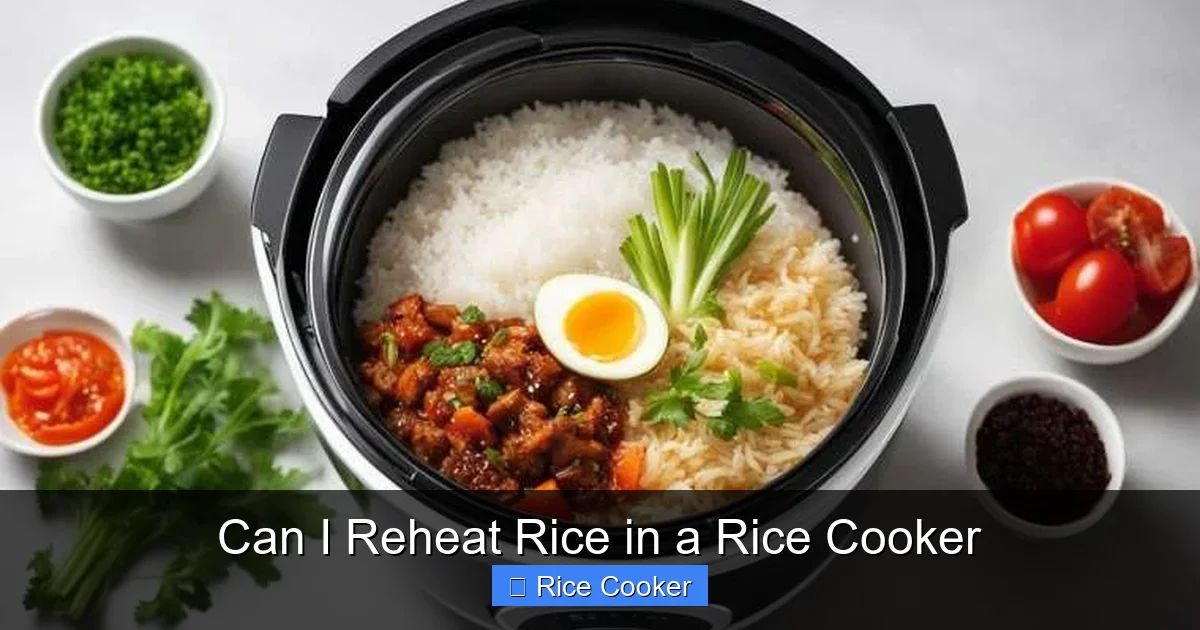
Visual guide about Can I Reheat Rice in a Rice Cooker
Image source: ricearray.org
- How long the rice has been stored
- Whether it was refrigerated promptly
- How evenly it’s heated
According to food safety experts, cooked rice should never be left at room temperature for more than 2 hours. If it has been sitting out longer than that, it’s best to discard it, regardless of whether you plan to reheat it.
When reheating rice in a rice cooker, aim to bring it to an internal temperature of at least 165°F (74°C) throughout. The rice cooker’s heating element and timer can help achieve this consistently, reducing the risk of cold spots where bacteria might survive.
How to Reheat Rice in a Rice Cooker: Step-by-Step
Step 1: Prepare Your Leftover Rice
Start by transferring your leftover rice to the inner pot of your rice cooker. If the rice has hardened or stuck together, gently separate it with a fork. For frozen rice, let it thaw slightly at room temperature for about 10–15 minutes—this helps it reheat more evenly.
Step 2: Add Moisture
This is one of the most critical steps. Dry rice will turn into a brick when reheated. To prevent this, add a small amount of liquid—about 1–2 tablespoons of water, broth, or even soy sauce—for every cup of rice. This helps steam the rice and restore its fluffy texture.
Step 3: Use the Correct Setting
Most rice cookers have a “Warm” or “Keep Warm” setting. Turn the cooker on this setting and let it run until the rice feels warm and steam begins to release. This usually takes 5–10 minutes for small portions. Avoid using the “Cook” or “Boil” setting unless your rice cooker doesn’t have a warm function—overcooking can make the rice tough.
Step 4: Stir and Fluff
Once the rice cooker signals it’s done (or after about 10 minutes), open the lid and stir the rice thoroughly. Fluff it with a fork to break up any clumps and distribute the heat evenly. Taste a small portion to check for doneness and warmth.
Step 5: Serve Immediately
Reheated rice is best served right away. If you don’t plan to eat it within a couple of hours, cool it quickly and store it in the refrigerator. Never reheat rice more than once—this increases the risk of bacterial contamination.
Tips for Perfectly Reheated Rice
Even with the right method, reheating rice can sometimes result in subpar results. Here are some pro tips to help you get it just right:
- Don’t overcrowd the pot: Reheat rice in smaller batches if possible. Too much rice can lead to uneven heating.
- Use a microwave-safe container first: Some people prefer to microwave the rice briefly, then transfer it to the rice cooker’s warm setting to finish. This combines speed with even warming.
- Add flavor enhancers: A drizzle of olive oil, a sprinkle of salt, or a dash of garlic powder can brighten up stale-tasting rice.
- Check for spoilage: If your rice smells off, has a slimy texture, or shows signs of mold, discard it immediately—no exceptions.
Common Mistakes to Avoid
Despite its convenience, reheating rice in a rice cooker isn’t foolproof. Here are some common pitfalls and how to avoid them:
Mistake 1: Not Adding Enough Liquid
Dry, crumbly rice is often the result of insufficient moisture. Always add a splash of liquid before reheating. For sticky rice varieties like sushi or jasmine, use less water to avoid sogginess.
Mistake 2: Overusing the “Cook” Setting
Using the “Cook” button can cause the rice to become mushy or burnt. Stick to the “Warm” setting unless your model specifies otherwise.
Mistake 3: Skipping the Stirring Step
Failing to stir after reheating leaves cold spots and uneven texture. Always fluff and mix thoroughly.
Mistake 4: Reheating Stale or Old Rice
Rice older than 3–4 days may lose flavor and texture. While technically safe to reheat if stored properly, it won’t taste great. Freeze rice for longer storage.
Alternative Methods for Reheating Rice
While the rice cooker works well, it’s not the only option. Here are some other effective methods:
Microwave Method
Place rice in a microwave-safe dish, add a tablespoon of water, cover with a damp paper towel, and microwave on high for 1–2 minutes per cup. Stir and repeat if needed. This is faster and great for quick reheats.
Stovetop Method
Heat a small amount of oil or butter in a saucepan over medium heat. Add rice and a bit of broth, cover, and simmer for 5–8 minutes, stirring occasionally. This gives you more control over texture.
Oven Method
Spread rice on a baking sheet, sprinkle with water, cover tightly with foil, and bake at 350°F (175°C) for 15–20 minutes. Ideal for large quantities.
Each method has pros and cons, but the rice cooker shines for its simplicity and gentle reheating process.
Food Safety: What You Need to Know
Reheating rice isn’t just about taste—it’s about safety. Here’s what the experts say:
- Refrigerate promptly: Cool rice within 2 hours of cooking and store it in shallow containers.
- Reheat thoroughly: Bring rice to a rolling boil or ensure it reaches 165°F internally.
- One-time reheating only: Never reheat rice more than once.
- Discard if in doubt: When in doubt, throw it out. Better safe than sorry.
Following these guidelines ensures that your reheated rice is both delicious and safe to eat.
Conclusion: Yes, You Can—But Do It Right
So, can you reheat rice in a rice cooker? The answer is a confident yes—provided you follow proper techniques and prioritize food safety. With just a little extra care and attention to moisture and timing, your rice cooker can transform yesterday’s leftovers into a tasty, comforting meal.
Remember: reheating isn’t about magic—it’s about science. By understanding how rice behaves when heated and cooled, you can make informed choices that protect your health and improve your meals. Whether you’re using the “keep warm” setting, adding broth for flavor, or opting for a stovetop alternative, the goal remains the same: safe, delicious rice every time.
Next time you find yourself with leftover rice, don’t hesitate to reach for your rice cooker. Just remember these tips, and you’ll be enjoying restaurant-quality rice at home—minus the wait.
Frequently Asked Questions
How do I know if my rice is safe to reheat?
Check for off smells, discoloration, sliminess, or mold. If any of these are present, discard the rice immediately. Otherwise, it’s likely safe if refrigerated promptly.
Can I reheat rice in a rice cooker overnight?
No. Once rice is reheated, it should be eaten immediately. Leaving it in the “keep warm” mode for extended periods promotes bacterial growth.
What’s the best liquid to add when reheating rice?
Water, broth, or even a little soy sauce work well. Broth adds extra flavor, while water keeps it neutral. Use about 1–2 tablespoons per cup of rice.
Does reheating rice kill bacteria?
Proper reheating (to 165°F) kills most surviving bacteria, but it doesn’t destroy pre-formed toxins from Bacillus cereus, which is why safe handling is so important.
Can I freeze rice to make reheating easier?
Yes! Freezing rice in portion-sized bags or containers makes it easy to thaw and reheat later. Just reheat directly from frozen using the methods described above.
Why does my reheated rice taste dry?
Most likely due to insufficient liquid during reheating. Always add water or broth to restore moisture and steam the rice gently.