
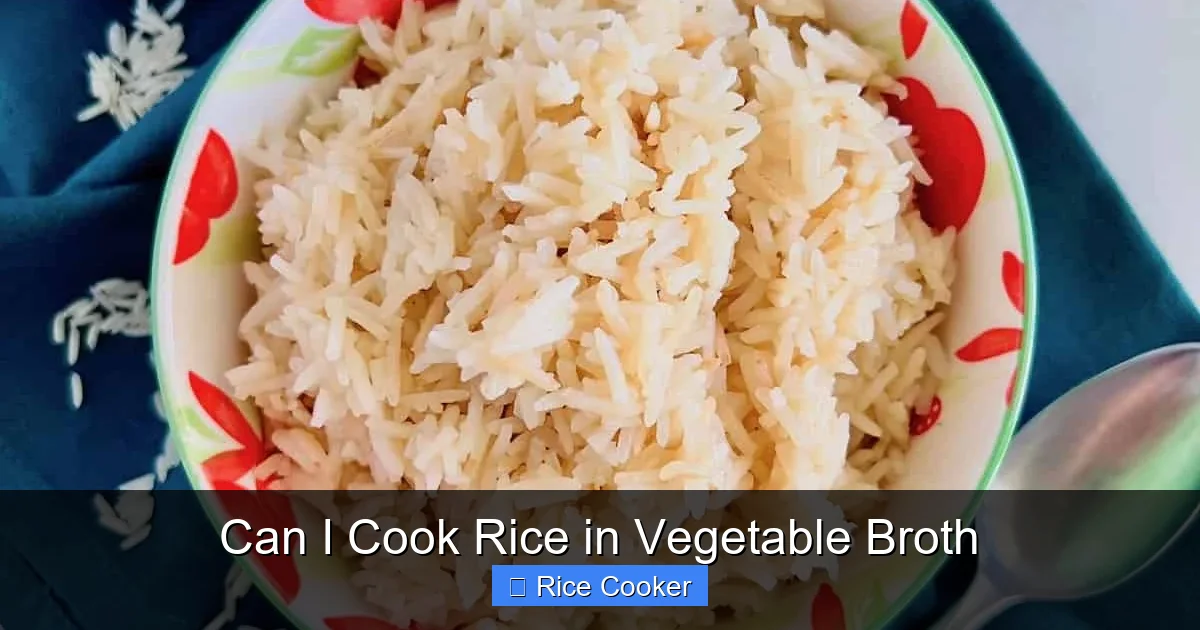
Cooking rice in vegetable broth is not only possible—it’s delicious! Instead of plain water, using broth adds depth, aroma, and nutrients to your grains. Whether you’re using a rice cooker or stovetop, this simple swap makes every bite more satisfying and flavorful.
Key Takeaways
- Enhanced Flavor: Vegetable broth infuses rice with savory notes that plain water can’t match.
- Healthier Option: Broth often contains extra vitamins, minerals, and plant-based protein compared to water.
- Works With All Rice Types: From white and brown rice to wild and arborio, most varieties cook beautifully in broth.
- Easy Substitute: Use homemade or store-bought broth—just replace equal parts water with broth.
- Rice Cooker Friendly: Most modern rice cookers handle broth without overflow or malfunction.
- Saves Time & Effort: No need to sauté aromatics separately when cooking directly in seasoned broth.
- Customizable: Add herbs, garlic, or spices to the broth for personalized flavor profiles.
📑 Table of Contents
- Can I Cook Rice in Vegetable Broth? The Answer Is Yes—and It Tastes Amazing!
- Why Use Vegetable Broth Instead of Water?
- How to Cook Rice in Vegetable Broth: Step-by-Step Guide
- Tips for Perfect Broth-Cooked Rice Every Time
- Creative Ways to Use Broth-Cooked Rice
- Common Mistakes to Avoid
- Homemade vs. Store-Bought Broth: What’s Best?
- Frequently Asked Questions (FAQs)
- Conclusion: Upgrade Your Rice Game Today
Can I Cook Rice in Vegetable Broth? The Answer Is Yes—and It Tastes Amazing!
If you’re someone who loves rice but finds plain boiled grains a little… well, plain, then you’re in for a treat. Cooking rice in vegetable broth isn’t just possible—it’s a game-changer for your meals. Forget boring, one-note grains; when you swap water for flavorful broth, each grain absorbs rich, aromatic goodness that transforms your dish from basic to bold.
Whether you’re whipping up a quick dinner or prepping meals ahead of time, using vegetable broth instead of water gives your rice a whole new personality. It’s especially helpful if you’re following a plant-based diet, since broth adds depth without relying on meat. And guess what? You don’t need fancy equipment—your trusty rice cooker works perfectly with broth. In this article, we’ll walk through everything you need to know: how to do it right, why it matters, and even some recipe ideas to get you started. Let’s dive in!
Why Use Vegetable Broth Instead of Water?
The Science Behind Better-Tasting Rice
At its core, cooking rice is all about absorption. When rice grains soak up liquid, they take on flavors, textures, and even color from whatever they’re cooked in. Plain water delivers hydration but zero flavor. Vegetable broth, however, is packed with umami, herbs, and natural sweetness from ingredients like onions, carrots, celery, mushrooms, and tomatoes.
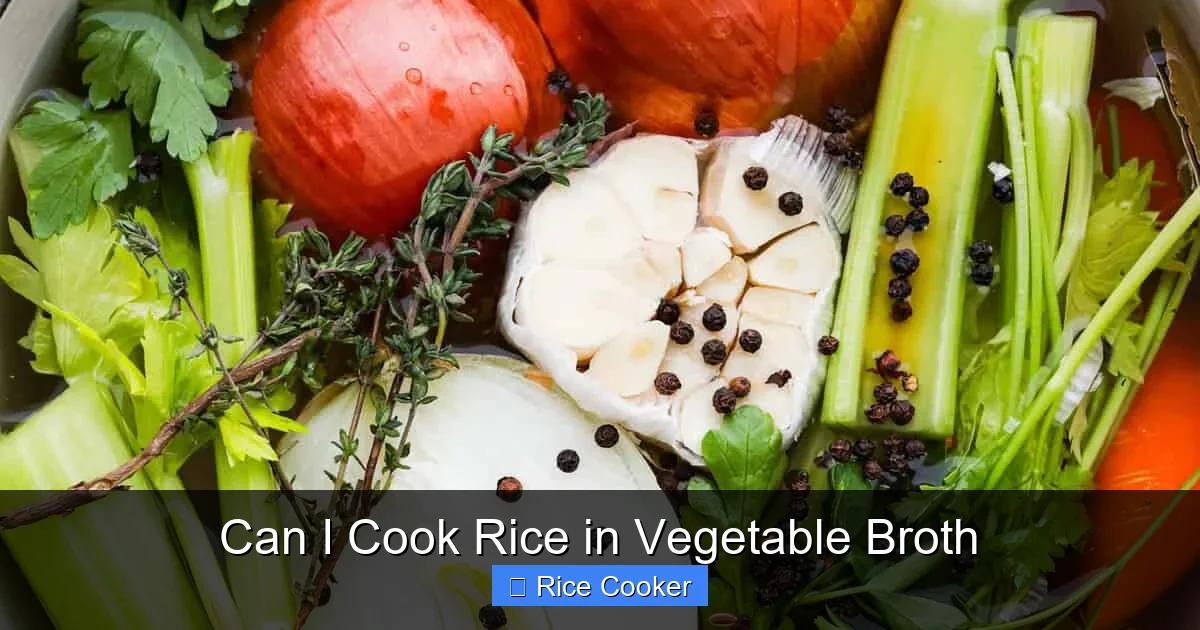
Visual guide about Can I Cook Rice in Vegetable Broth
Image source: therecipecritic.com
This infusion happens during the gelatinization process—when starches in the rice break down and absorb moisture. Because broth has more dissolved solids than water, the result is plumper, more fragrant grains that hold onto flavor better after cooking. Plus, many vegetable broths include added salt, which enhances overall taste and helps season the rice as it cooks.
Nutritional Benefits of Broth-Cooked Rice
Beyond flavor, cooking rice in vegetable broth can boost its nutritional profile. Homemade broths often simmer slowly for hours, extracting minerals and vitamins from bones, vegetables, and spices. Even store-bought versions usually contain added nutrients or are fortified.
When rice soaks up these beneficial compounds, you get more than just carbs—you’re also getting trace amounts of potassium, magnesium, and antioxidants. For people watching sodium intake, low-sodium broth options make this method accessible while still delivering great taste.
Perfect for Plant-Based Diets
If you follow a vegetarian, vegan, or flexitarian lifestyle, using vegetable broth instead of water makes perfect sense. Meat-based broths might not align with your dietary choices, but veggie broth is 100% plant-powered. It adds richness without compromising ethics or health goals.
Many commercial vegetable broths also avoid animal products entirely, making them ideal for anyone avoiding dairy, eggs, or meat derivatives. This means your rice stays clean-label and aligned with your values—without sacrificing flavor.
How to Cook Rice in Vegetable Broth: Step-by-Step Guide
Choosing the Right Rice Type
Not all rice types behave the same way when cooked in liquid. Here’s a quick breakdown:
- White Rice: Cooks quickly and absorbs liquids fast—great for jasmine, basmati, or long-grain varieties.
- Brown Rice: Requires longer soaking and cooking times but benefits greatly from broth’s extra nutrients.
- Wild Rice: Naturally chewy and nutty; thrives in aromatic broths.
- Arborio or Short-Grain Rice: Ideal for risotto—slow-stirred in broth for creamy perfection.
- Purple or Black Rice: Adds visual appeal and antioxidants; works well in fruity or earthy broths.
For beginners, start with white or brown rice—they’re forgiving and widely available. If you have a rice cooker, check the manual for recommended liquid ratios, but generally, use a 1:1.5 to 1:2 ratio of rice to broth (by volume).
Preparing Your Broth
You can use either homemade or store-bought vegetable broth. Homemade gives maximum control over ingredients and salt levels, but high-quality store brands work beautifully too.
If your broth is very salty, reduce the amount slightly or rinse the rice briefly before cooking. Too much salt can overpower delicate flavors. For best results, bring the broth to a gentle simmer before adding rice—this helps distribute heat evenly.
Using a Rice Cooker
This is where modern convenience shines! Most rice cookers automatically adjust cooking time based on the amount of liquid and type of rice selected. Here’s how to do it safely:
- Measure rice and rinse until water runs clear (removes excess starch).
- Add rice to the inner pot, then pour in warm or room-temperature broth.
- Close the lid and select the appropriate setting (“White Rice,” “Brown Rice,” etc.).
- Avoid overfilling—most cookers have a max line for liquid.
- Once done, let the rice rest for 5–10 minutes before fluffing with a fork.
Pro tip: Some rice cookers come with a “Broth” or “Soup” mode—but unless yours does, regular settings work fine. Just monitor closely if you’re trying something new.
Stovetop Method
No rice cooker? No problem. The stovetop method gives you full control over heat and texture:
- Rinse rice thoroughly.
- In a saucepan, combine rice and broth over medium-high heat.
- Bring to a boil, then immediately reduce heat to low.
- Cover tightly and simmer gently for 18–30 minutes (depending on rice type).
- Turn off heat and let sit for 5–10 minutes before uncovering.
Keep the lid on during resting—it traps steam and ensures fluffy results. Stirring is unnecessary once boiling starts; constant agitation can make rice gummy.
Tips for Perfect Broth-Cooked Rice Every Time
Don’t Overcrowd the Pot
Just like with water, too much rice in one pot leads to uneven cooking. Follow the 1:1.5 ratio closely. If doubling a recipe, consider cooking in batches or upgrading to a larger pot.
Let the Broth Come to Room Temperature
Cold broth can shock the rice, causing inconsistent texture. Warm it gently on the stove or by leaving it out for 15–20 minutes before use.
Add Aromatics During Cooking
For extra flavor, toss in garlic cloves, bay leaves, peppercorns, or fresh herbs like thyme or rosemary directly into the broth while it simmers. These will infuse subtly into the rice without needing to chop or sauté them first.
Fluff Gently After Cooking
A fork works wonders here. Avoid a wooden spoon—it can mash the grains. Light lifting motion preserves structure and prevents mushiness.
Store Leftovers Properly
Cooked rice lasts 4–6 days in the fridge if stored in an airtight container. Reheat gently with a splash of broth or water to restore moisture. Avoid microwaving straight from cold—add a teaspoon of liquid first.
Creative Ways to Use Broth-Cooked Rice
Bowl Bowls & Grain Salads
Top your fluffy rice with roasted veggies, black beans, avocado, salsa, and a squeeze of lime. The broth-infused base ties everything together beautifully.
Sushi-Style Rice
Use vegetable broth instead of water when making sushi rice. Add rice vinegar, sugar, and salt afterward for classic flavor—but now your sushi has a hidden depth!
Stuffed Peppers or Tomatoes
Fill bell peppers or cherry tomatoes with a mix of rice, lentils, herbs, and spices. Bake until tender—the broth keeps the filling moist and flavorful.
Risotto Without Meat
For a creamy vegan risotto, cook arborio rice slowly in warm broth, stirring occasionally. Finish with nutritional yeast, white wine, or truffle oil for luxury.
Breakfast Power Bowl
Swap oatmeal for quinoa or farro cooked in almond or mushroom broth. Top with berries, nuts, and maple syrup for a hearty morning meal.
Common Mistakes to Avoid
Using Too Much Salted Broth
If your broth is already heavily seasoned, skip adding extra salt. Taste a small amount of uncooked broth first—you may only need half as much as the recipe calls for.
Skipping the Rinse Step
Rinsing removes surface starch, preventing clumping. Especially important for short-grain or sushi rice.
Peeking Under the Lid
Every time you lift the lid, steam escapes, lowering the internal temperature and extending cook time. Be patient!
Not Adjusting for Altitude
At higher elevations, water boils at lower temperatures, slowing down cooking. Increase time by 5–10 minutes if needed.
Overmixing When Done
Gentle folding preserves individual grain integrity. Vigorous stirring turns rice into paste.
Homemade vs. Store-Bought Broth: What’s Best?
Making Your Own Broth
Homemade vegetable broth allows total customization. Save onion skins, carrot tops, herb stems, and mushroom stems in a resealable bag until full. Simmer them in water for 1–2 hours, strain, and freeze portions for later use.
Pros: No preservatives, control over sodium, supports sustainability.
Cons: Takes time to prepare in advance.
Buying Commercial Broth
Look for low-sodium, organic, or non-GMO labels. Avoid those with long ingredient lists filled with additives. Brands like Imagine, Pacific Foods, or Simply Organic are reliable choices.
Pros: Convenient, consistent quality, widely available.
Cons: Can be expensive, sometimes high in sodium.
Blending Both Worlds
Make a big batch of homemade broth monthly, then freeze cubes or jars. Use store-bought when in a pinch. Either way, you’re winning.
Frequently Asked Questions (FAQs)
Can I substitute chicken broth for vegetable broth?
Yes, but only if you’re not avoiding animal products. Chicken broth adds richness and umami, similar to vegetable broth. Just ensure it fits your dietary needs.
Will my rice cooker break if I use broth?
No—unless it’s an older model with poor drainage. Modern rice cookers are designed to handle various liquids. Just don’t overfill and clean the exterior regularly to prevent residue buildup.
How much broth should I use per cup of rice?
Generally, use 1.5 to 2 cups of broth per 1 cup of dry rice. Brown rice typically needs more liquid than white due to its bran layer.
Can I add oil to the broth for easier cleanup?
While a splash of oil (like olive or coconut) helps prevent sticking, it’s optional. Many people skip it since rinsing rice beforehand solves the issue.
Is it okay to reuse leftover cooked rice broth?
Only if it was made with fresh ingredients and consumed within 24 hours. Discard any broth that smells off or shows signs of spoilage.
What if my rice comes out too soft or mushy?
This usually means too much liquid or overcooking. Next time, reduce broth by ¼ cup or cut cook time slightly. Also, avoid lifting the lid frequently.
Conclusion: Upgrade Your Rice Game Today
Cooking rice in vegetable broth isn’t just a clever trick—it’s a simple upgrade that transforms an everyday staple into something extraordinary. Whether you’re feeding a family or meal-prepping for the week, this method saves time, boosts flavor, and supports healthier eating habits. And the best part? It works seamlessly with your existing kitchen tools, especially your rice cooker.
From enhancing nutrition to accommodating plant-based lifestyles, there are countless reasons to give broth a try. Start small: next time you cook rice, grab a box of broth instead of reaching for the tap. You’ll be amazed at how a single change can elevate your entire meal.
So go ahead—flavor your future bowls, salads, and sides with the rich, savory magic of vegetable broth. Your taste buds (and your dinner guests) will thank you.
Frequently Asked Questions
Can I substitute chicken broth for vegetable broth?
Yes, but only if you’re not avoiding animal products. Chicken broth adds richness and umami, similar to vegetable broth. Just ensure it fits your dietary needs.
Will my rice cooker break if I use broth?
No—unless it’s an older model with poor drainage. Modern rice cookers are designed to handle various liquids. Just don’t overfill and clean the exterior regularly to prevent residue buildup.
How much broth should I use per cup of rice?
Generally, use 1.5 to 2 cups of broth per 1 cup of dry rice. Brown rice typically needs more liquid than white due to its bran layer.
Can I add oil to the broth for easier cleanup?
While a splash of oil (like olive or coconut) helps prevent sticking, it’s optional. Many people skip it since rinsing rice beforehand solves the issue.
Is it okay to reuse leftover cooked rice broth?
Only if it was made with fresh ingredients and consumed within 24 hours. Discard any broth that smells off or shows signs of spoilage.
What if my rice comes out too soft or mushy?
This usually means too much liquid or overcooking. Next time, reduce broth by ¼ cup or cut cook time slightly. Also, avoid lifting the lid frequently.