
While rice wine vinegar and Chinese cooking wine serve different culinary roles, they can sometimes be substituted depending on the dish. Chinese cooking wine, like Shaoxing wine, adds depth and umami, whereas rice wine vinegar brings acidity and brightness. For most recipes, a mix of water and rice wine vinegar works best as a stand-in. Understanding their differences helps you choose the right swap—or skip it altogether—for your next stir-fry, braise, or dumpling filling.
Have you ever reached into your pantry only to find that your bottle of Chinese cooking wine has gone missing—or worse, expired? Or maybe you’re trying to follow a traditional recipe from your favorite Sichuan cookbook, but the ingredient list calls for Shaoxing wine, and all you have is rice wine vinegar. The question then arises: can I substitute rice wine vinegar for Chinese cooking wine? It’s a common dilemma in home kitchens across Asia and beyond, especially among cooks who want authenticity without always shopping at specialty stores.
Before we dive into substitutions, let’s clarify what each ingredient actually brings to the table. Chinese cooking wine—most commonly known as Shaoxing wine—is fermented rice wine with a rich, complex flavor that’s both slightly sweet and deeply savory. Rice wine vinegar, on the other hand, is made by fermenting rice wine and then turning it into vinegar through oxidation. This gives it a bright, tangy profile that can cut through fatty or rich dishes like braised pork belly or fried noodles.
So while both come from rice, they function differently in the kitchen. One adds depth and aroma; the other adds acidity and refreshment. That said, there are moments when a clever swap can save the day—especially if you’re in a pinch or simply out of options. In this guide, we’ll explore exactly how these two ingredients compare, when substitution makes sense, and what you should avoid doing. By the end, you’ll feel confident navigating your pantry like a pro, whether you’re making dumplings, stir-frying vegetables, or simmering a hearty hot pot.
Key Takeaways
- Differences in Flavor: Chinese cooking wine (e.g., Shaoxing) is savory and aromatic, while rice wine vinegar is tangy and light—ideal for balancing richness but not a perfect 1:1 replacement.
- Best Substitution Ratios: Use ¾ cup water + ¼ cup rice wine vinegar to mimic the balance of one cup of cooking wine in most recipes.
- Ideal Dishes for Substitution: Braises, stir-fries, and marinades benefit from the acidity of vinegar, though delicate dishes like steamed fish may suffer without true cooking wine.
- Homemade Alternatives: Mix dry sherry with a splash of soy sauce to replicate Shaoxing’s complexity when needed.
- Safety Tip: Avoid using rice wine vinegar in recipes calling for raw ingredients like sushi-grade fish unless cooked first.
- Cooking Method Matters: Vinegar loses less potency during high-heat cooking, making it more forgiving than cooking wine in some contexts.
- When to Skip the Swap: For authentic flavor in dishes like mapo tofu or char siu, seek real Chinese cooking wine instead.
📑 Table of Contents
- Understanding Chinese Cooking Wine
- The Role of Rice Wine Vinegar in Cooking
- Can Rice Wine Vinegar Replace Chinese Cooking Wine?
- How to Substitute Safely and Effectively
- Other Common Substitutes for Chinese Cooking Wine
- Tips for Buying and Storing Both Ingredients
- Final Thoughts: Know Your Kitchen, Know Your Flavor Goals
Understanding Chinese Cooking Wine
To appreciate why substituting rice wine vinegar might not always work, we first need to understand what Chinese cooking wine really is—and why it’s so beloved in Asian cuisine.
What Is Chinese Cooking Wine?
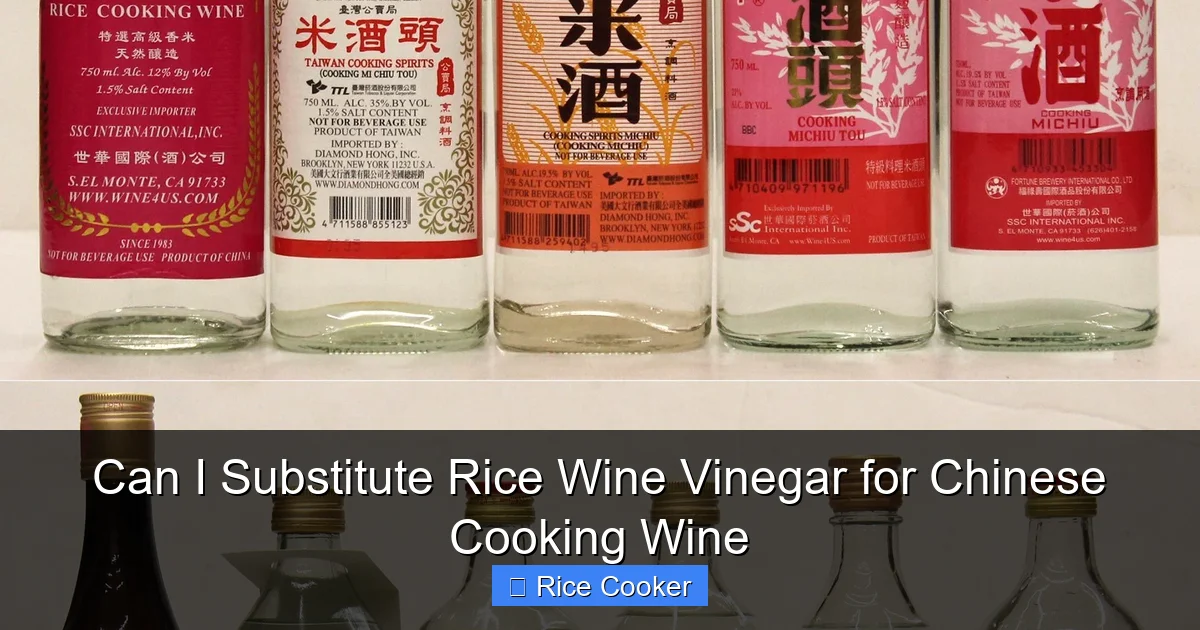
Chinese cooking wine refers to a category of rice wines specifically used in culinary applications rather than drinking. The most famous variety is Shaoxing wine, which originates from Shaoxing, Zhejiang province. Made from glutinous rice, wheat koji, and water, it undergoes a double fermentation process that results in a liquid with alcohol content typically between 14% and 20%. Despite its alcoholic nature, most recipes call for it because the alcohol evaporates during cooking, leaving behind a deep, rounded flavor.
Unlike Western cooking wines such as white wine or sherry, Chinese cooking wine isn’t meant to be consumed straight. Instead, it enhances the taste of meats, seafood, and vegetables by adding umami, softening textures, and helping to dissolve flavors into one another. It plays a crucial role in dishes like kung pao chicken, mapo tofu, and char siu (barbecued pork), where its subtle sweetness balances saltiness and cuts through fattiness.
Types of Chinese Cooking Wine
There are several types of Chinese cooking wine available today:
– Shaoxing Wine: The gold standard—light amber color, smooth, slightly sweet, with notes of dried fruit and mushrooms.
– Yellow Wine: Similar to Shaoxing but often aged longer, giving it a bolder, more robust character.
– White Cooking Wine: Less common, usually lighter in body and used in Cantonese-style preparations where a cleaner finish is desired.
– Non-Alcoholic Varieties: Some brands offer alcohol-free versions using yeast extracts or mushroom broths, designed for those avoiding alcohol or following religious dietary laws.
No matter the type, all genuine Chinese cooking wines share key characteristics: clarity, pleasant aroma, and a balance of sweetness and savoriness that elevates dishes without overpowering them.
The Role of Rice Wine Vinegar in Cooking
Visual guide about Can I Substitute Rice Wine Vinegar for Chinese Cooking Wine
Image source: i.pinimg.com
Now let’s turn our attention to rice wine vinegar—a staple in many pantries thanks to its versatility and tangy kick.
How Is Rice Wine Vinegar Made?
Rice wine vinegar is produced by fermenting rice wine and allowing acetic acid bacteria to convert the alcohol into vinegar. This process can take weeks or even months, depending on temperature and method. The result is a clear, mildly acidic liquid with a clean, fruity acidity reminiscent of apple cider vinegar but smoother and less harsh.
In Japan and China, rice wine vinegar (called *sake su* or *jiu cu* respectively) is used not just for dressings and pickles but also in certain sauces and glazes. However, its primary use remains in vinaigrettes, marinades, and as a finishing touch for soups and noodle bowls.
Flavor Profile and Culinary Uses
Whereas Chinese cooking wine contributes depth and body, rice wine vinegar provides lift and brightness. Its acidity helps tenderize proteins, preserve color in vegetables, and cut through oily or heavy flavors. You’ll often find it in:
– Pickling solutions for cucumbers, carrots, and radishes
– Vinaigrettes for salads featuring sesame oil and ginger
– Marinades for tofu, chicken, or shrimp
– Finishing sauces like dipping sauces for dumplings
Because of its acidity, rice wine vinegar doesn’t caramelize or develop complex flavors under high heat like cooking wine does. So while it won’t replace cooking wine in slow-cooked braises, it excels in quick-prep dishes where acidity shines.
Can Rice Wine Vinegar Replace Chinese Cooking Wine?
This is the heart of the matter—and the answer isn’t black and white. Whether you can substitute rice wine vinegar for Chinese cooking wine depends largely on the recipe, your taste preferences, and how much you value authenticity versus convenience.
When Substitution Works
In general, rice wine vinegar can serve as a partial substitute in dishes where the focus is on flavor balance rather than deep, roasted complexity. Here are scenarios where swapping makes sense:
– Stir-fries: When you need a hint of acidity to brighten up soy sauce and garlic, a small amount of rice wine vinegar can do the trick.
– Marinades: Its tanginess helps break down fibers in meat or tofu, similar to how cooking wine functions—though without the same aromatic depth.
– Braised vegetables: In simpler vegetable stews or one-pot meals, the acidity of vinegar can complement earthy ingredients like eggplant or okra.
However, even in these cases, it’s rarely a direct 1:1 swap. Too much vinegar will make your dish sour, while too little won’t provide enough lift.
When Substitution Falls Short
There are situations where relying solely on rice wine vinegar will disappoint:
– Slow-braised meats: Dishes like red-braised pork belly rely on cooking wine’s ability to soften connective tissue and infuse fat with flavor. Vinegar simply doesn’t offer this transformation.
– Char siu (BBQ pork): The marinade here depends on both sugar and cooking wine for color development and flavor integration. Without it, the glaze may fail to brown properly.
– Dumpling fillings: Steamed or pan-fried dumplings get their signature juiciness and aroma partly from cooking wine in the pork mixture. Vinegar would clash with the overall harmony.
If you care about authenticity—or if someone’s coming over for dinner and you want things to taste just right—it’s worth investing in real Chinese cooking wine.
How to Substitute Safely and Effectively
If you decide to go ahead with a substitution, don’t just pour equal parts vinegar into your wok. Follow these guidelines to minimize flavor disruption.
Recommended Ratio: Water + Vinegar Blend
The most practical approach is to dilute rice wine vinegar with water to approximate the mouthfeel and balance of cooking wine. A reliable rule of thumb is:
– **For every 1 cup of Chinese cooking wine called for**, use:
– **¾ cup water**
– **¼ cup rice wine vinegar**
This maintains the liquid volume while tempering the acidity. You can adjust based on how tangy you like your food—but start conservative!
Adjust Seasoning Accordingly
Since vinegar is acidic and lacks the umami depth of cooking wine, you may need to compensate elsewhere:
– Add a **pinch of sugar** or a few drops of molasses to counterbalance sharpness.
– Include a **drizzle of soy sauce** to boost savory notes.
– Consider a **small amount of miso paste** for extra complexity.
Always taste as you cook and tweak gradually. Remember: it’s easier to add than subtract!
Practical Example: Adapting a Red-Braised Pork Recipe
Let’s say your recipe calls for ½ cup Shaoxing wine. Instead, combine:
– ⅜ cup warm water
– ⅛ cup rice wine vinegar
– ½ tsp dark soy sauce (for color and umami)
– ¼ tsp sugar
Simmer everything together briefly before adding to the pork. This blend mimics the original’s richness while keeping things fresh.
Other Common Substitutes for Chinese Cooking Wine
Don’t worry—vinegar isn’t your only option! Depending on what’s in your kitchen, you might consider these alternatives:
Dry Sherry or White Wine
These European wines offer a similar aromatic quality to Chinese cooking wine, minus the rice base. Dry sherry works especially well in Cantonese dishes. Just note that Western wines lack the distinct umami found in Shaoxing.
Mirin (Japanese Sweet Rice Wine)
Mirin is sweeter than Shaoxing and contains added sugar, so use sparingly. Dilute it with water if substituting directly.
Soy Sauce + Sugar + Alcohol
Mix 1 tbsp soy sauce, 1 tsp sugar, and 1 tbsp vodka or gin per cup of cooking wine needed. The alcohol evaporates, leaving behind salty-sweet depth.
Mushroom Broth or Vegetable Stock
For non-alcoholic options, umami-rich broths can partially replicate cooking wine’s savory punch—especially in vegetarian dishes.
Tips for Buying and Storing Both Ingredients
Getting the most out of your ingredients means knowing how to store them properly and choose quality products.
Choosing Quality Chinese Cooking Wine
Look for bottles labeled “cooking wine” or “Shaoxing wine.” Avoid those marketed as “drinking wine,” as they may contain preservatives or additives not suitable for cooking. Premium brands include Kuo Kuang, Lee Kum Kee, and Golden Mountain.
Store opened bottles in the refrigerator—they last indefinitely due to low moisture content. Label them with the date to track freshness.
Selecting Rice Wine Vinegar
Prefer unrefined, naturally fermented varieties over distilled ones. Japanese *sake su* tends to be milder than Chinese *jiu cu*. Check labels for “aged” or “organic” if possible.
Keep vinegar in a cool, dark place until opened, then refrigerate. Once opened, it stays fresh for years—thanks to its high acidity!
Shelf Life Comparison
| Ingredient | Unopened Shelf Life | Opened Storage |
|———————–|———————|———————-|
| Chinese Cooking Wine | Indefinite | Refrigerated |
| Rice Wine Vinegar | Indefinite | Refrigerated |
Both are remarkably stable, so you won’t waste money buying large quantities unless you cook frequently.
Final Thoughts: Know Your Kitchen, Know Your Flavor Goals
At the end of the day, asking “can I substitute rice wine vinegar for Chinese cooking wine” isn’t just about ingredients—it’s about understanding how each impacts your final dish. If you’re experimenting at home and open to improvisation, a diluted vinegar blend can keep your meal on track. But if you’re aiming for restaurant-quality results or cooking something deeply traditional, tracking down authentic Shaoxing wine pays off.
Remember, cooking is personal. There’s no single right way—only what works for you. So next time you’re missing an ingredient, think creatively, trust your palate, and don’t be afraid to try something new. After all, even master chefs started somewhere.
And hey—if you’ve ever swapped ingredients mid-recipe and lived to tell the tale (or learned from the experience), share your story below. We’d love to hear how you adapt recipes when the pantry calls for creativity!
Frequently Asked Questions
Can rice wine vinegar be used in place of Chinese cooking wine in stir-fries?
Yes, but dilute it with water (¾ cup water + ¼ cup vinegar per cup of cooking wine). Use sparingly to avoid overpowering the dish with acidity.
Is rice wine vinegar safe to use in raw dishes like ceviche or sushi?
Not ideal—rice wine vinegar adds strong acidity that may overwhelm delicate flavors. Cooked applications work better.
How long does Chinese cooking wine last after opening?
It lasts indefinitely when refrigerated after opening, though flavor may mellow over time.
Can I use regular white vinegar instead of rice wine vinegar?
Only as a last resort. White vinegar is harsher and lacks the subtlety of rice wine vinegar, which affects taste significantly.
Why is my braised pork tasting sour when I used vinegar instead of cooking wine?
Vinegar provides immediate acidity without the balancing sugars and fats in cooking wine. Adjust by adding sweetness or reducing liquid.
Where can I buy authentic Chinese cooking wine online?
Check Asian grocery delivery services like Watsons, Amazon Fresh, or specialty sites such as International Gourmet Foods or Asian Food Grocer.