
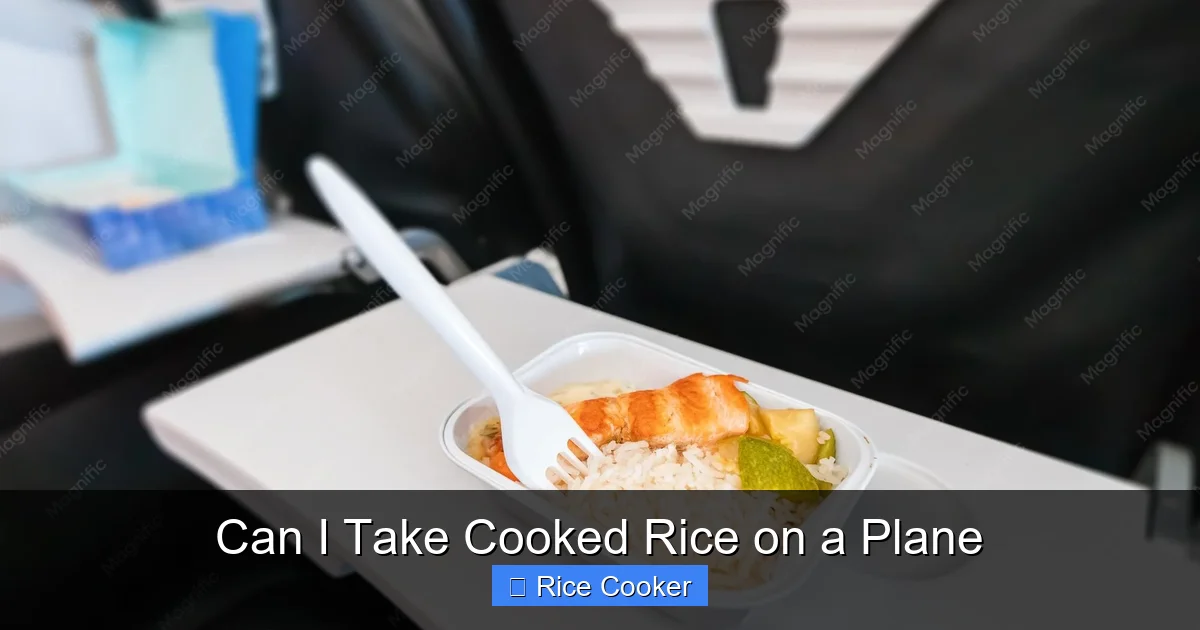
Yes, you can bring cooked rice on a plane—but with conditions. The TSA allows solid foods like cooked rice in your carry-on or checked luggage as long as they’re properly sealed and meet liquid restrictions. However, avoid bringing large containers of hot rice or unpackaged leftovers, which may trigger security concerns.
Key Takeaways
- TSA Rules Allow Cooked Rice: The Transportation Security Administration permits solid food items like cooked rice in both carry-on and checked bags, but liquids over 3.4 oz (100ml) require special handling.
- Packaging Matters: Always use sealed, leak-proof containers to prevent spills and contamination. Avoid open bowls or plastic wrap that can tear during transit.
- Cold vs. Hot Rice: Cold cooked rice is easier to transport and less likely to raise red flags than piping-hot rice, which may be mistaken for hazardous liquids.
- Label Your Food: Clearly label containers with contents and dates to avoid confusion at security checkpoints and ensure food safety.
- Consider Airline Policies: Some airlines have stricter guidelines than others—always check your carrier’s website before traveling.
- Food Safety First: Never leave cooked rice at room temperature for more than two hours; refrigerate promptly and consume within 3–4 days.
- International Flights Require Extra Caution: Countries may have different customs regulations—research destination-specific rules to avoid confiscation or fines.
📑 Table of Contents
- Can I Take Cooked Rice on a Plane?
- Packing Cooked Rice: What You Need to Know
- TSA Guidelines for Solid Foods Including Cooked Rice
- Food Safety Tips for Transporting Cooked Rice
- Real-Life Examples and Scenarios
- Common Mistakes People Make When Bringing Cooked Rice
- Final Thoughts: Yes, You Can Bring Cooked Rice—With Care
Can I Take Cooked Rice on a Plane?
Packing food for a flight doesn’t have to be stressful—especially if you’re someone who loves homemade meals or wants to save money by eating off-plane. One common question travelers ask is: “Can I take cooked rice on a plane?” The short answer? Yes—but not without understanding the rules.
Cooked rice is considered a solid food item under TSA guidelines, which means it’s generally allowed in both carry-on and checked luggage. However, how you pack it, whether it’s cold or hot, and where you’re flying all play a role in what’s permitted. In this guide, we’ll walk through everything you need to know about transporting cooked rice safely and legally during air travel.
Whether you’re packing leftover biryani from last night, a container of jasmine rice you made in your rice cooker, or even a bento box with steamed veggies and rice, this article will help you breeze through airport security without worry. Let’s dive into the details so your next flight comes with peace of mind—and maybe even a delicious snack.
Packing Cooked Rice: What You Need to Know
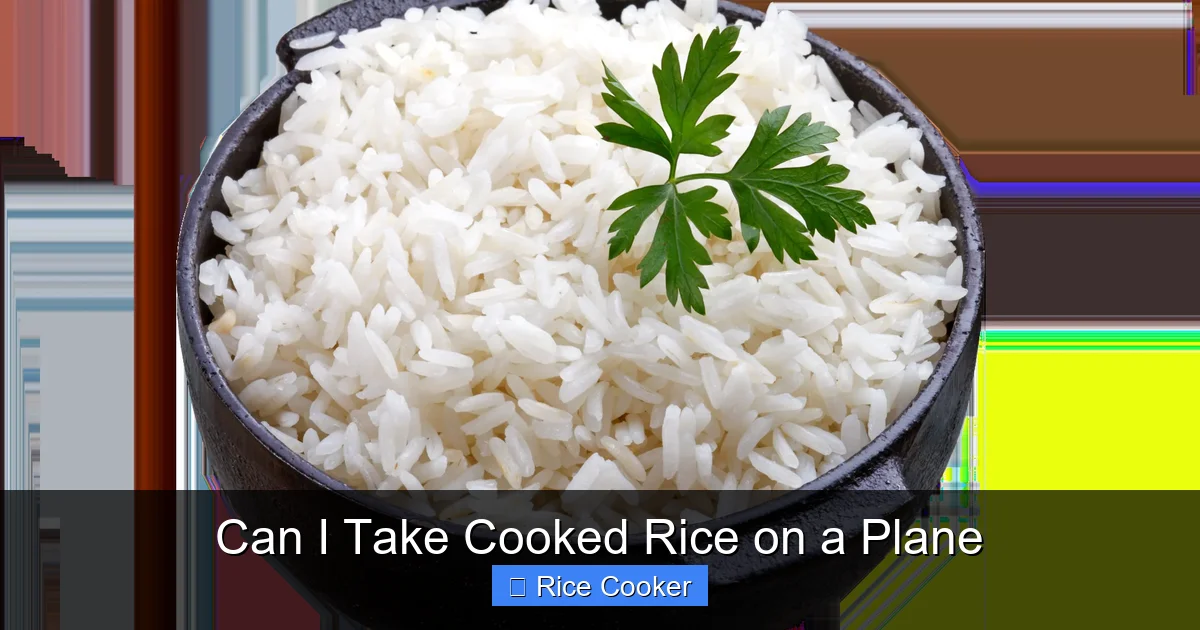
Visual guide about Can I Take Cooked Rice on a Plane
Image source: static.vecteezy.com
When preparing to travel with cooked rice, the first thing to consider is how you package it. Airport security officers are trained to spot potential threats, including liquids, gels, and suspiciously warm items. While cooked rice isn’t inherently dangerous, its appearance might raise questions if not handled correctly.
Most experts recommend using airtight, leak-proof containers. Glass jars, plastic tubs with secure lids, or vacuum-sealed bags work well. Avoid using paper bags, open bowls, or loosely wrapped servings—they can spill or look unprofessional at security checkpoints.
Another key factor is temperature. If your rice is still steaming or very hot, it may be flagged during X-ray screening. To reduce risk, let the rice cool completely before packing. This also helps preserve freshness and prevents condensation buildup inside your bag.
If you’re carrying multiple containers, place them in a clear zip-top bag for easy inspection. This mimics the way you’d pack souvenirs or snacks and shows transparency—something screeners appreciate.
Choosing the Right Container
Not all containers are created equal when it comes to airline travel. Here’s what to avoid:
– **Open containers** – These can leak and create a mess.
– **Non-sealed plastic wrap** – It tears easily and doesn’t hold up under pressure changes.
– **Glass jars without protective sleeves** – Risk breaking during handling.
Instead, opt for:
– BPA-free plastic tubs with locking lids
– Silicone storage containers
– Vacuum-sealed pouches (great for long flights)
Always double-check that the lid seals tightly before zipping into your carry-on.
Labeling Is Key
Even though you’re just carrying rice, labeling your container can save time and hassle. Write the contents clearly—“Cooked Jasmine Rice – Cooled”—on the side of the container or on a sticky note attached to the lid.
This simple step helps security personnel identify your food quickly and reduces the chance of unnecessary delays.
TSA Guidelines for Solid Foods Including Cooked Rice
The Transportation Security Administration (TSA) allows passengers to bring solid food items through security checkpoints. According to their official policy, “You don’t need to declare food items such as sandwiches, fruits, vegetables, or cooked pasta/rice.”
However, there are exceptions:
– **Liquids over 3.4 ounces (100 milliliters)** must go in your quart-sized clear bag.
– **Hot food** may be subject to additional screening if it appears to contain excessive moisture or steam.
– **Raw meat or fish** requires declaration due to agricultural concerns.
Cooked rice falls squarely into the “solid food” category. As long as it’s not mixed with prohibited substances (like unapproved sauces or dressings), you’re good to go.
It’s important to note that while the TSA sets national standards, individual airports or airlines may enforce stricter rules. For example, some international hubs or low-cost carriers might scrutinize food items more closely.
To stay safe, always carry a printout or screenshot of the TSA’s food policy if you plan to challenge a gate agent’s decision.
What About Checked Luggage?
Bringing cooked rice in your checked bag is usually even safer than carrying it on. Why? Because checked bags aren’t subjected to X-ray machines in the same way carry-ons are, and there’s no risk of spills affecting other passengers.
Just make sure the container is sealed tightly and placed inside a larger bag or bin to protect against crushing or leaks. Label it again here too—it’s especially helpful if luggage gets misrouted.
International Travel Considerations
If you’re flying internationally, things get trickier. Many countries have strict agricultural import laws designed to prevent pests and diseases from entering their borders.
For instance:
– **Australia** bans most plant-based foods, including rice, unless declared and approved.
– **New Zealand** requires all food items to be inspected upon arrival.
– The **European Union** allows small amounts of commercially packaged rice but restricts homemade versions.
Before your trip, check the customs website of your destination country. Most governments provide detailed lists of permitted and restricted foods online.
When in doubt, declare your rice at customs. It’s better to explain what you brought than face penalties later.
Food Safety Tips for Transporting Cooked Rice
Traveling with perishable food isn’t just about compliance—it’s about health. Cooked rice can become a breeding ground for Bacillus cereus, a bacterium that causes food poisoning if improperly stored.
Follow these guidelines to keep yourself safe:
– **Refrigerate immediately**: Once cooled, store rice in the fridge within one hour of cooking.
– **Consume within 3–4 days**: Even if kept cold, rice shouldn’t sit out longer than this.
– **Reheat thoroughly**: Before eating, microwave or pan-fry until steaming hot throughout.
– **Avoid room-temperature storage**: Leaving rice out overnight dramatically increases bacterial growth.
If you’re on a long-haul flight without access to refrigeration, consider packing rice in smaller portions that you’ll eat right away. Alternatively, bring a portable cooler with ice packs (check airline rules first).
Using Portable Coolers Safely
Small insulated bags with frozen gel packs are perfect for keeping food cold during short trips. Just remember:
– Gel packs must comply with TSA liquid rules (<3.4 oz per container).
- Place the cooler near the top of your carry-on so it doesn’t shift during takeoff/landing.
- Inform security if you’re using one—they’re often overlooked but perfectly legal.
Never use dry ice unless explicitly permitted—it’s highly regulated and dangerous if mishandled.
Alternatives to Bringing Rice From Home
If packing cooked rice feels too risky or inconvenient, don’t worry! Many airports now offer fresh food options near gates or even duty-free shops selling pre-packaged meals.
You could also:
– Buy instant rice packets at the airport (though quality varies)
– Order delivery to your hotel and reheat locally
– Carry energy bars or crackers instead for quick snacks
But if you’re set on having your favorite dish mid-flight, sticking to sealed, labeled containers is your best bet.
Real-Life Examples and Scenarios
Let’s look at some common situations and how to handle them:
Scenario 1: Packing Leftover Biryani
You made a big batch of biryani last night and want to eat it on your morning flight.
✅ **Do**: Cool the biryani completely, portion it into individual containers, seal tightly, and label. Place in your carry-on with ice packs if needed.
❌ **Don’t**: Put it in an open Tupperware bowl or leave it sitting on your kitchen counter overnight.
Scenario 2: Flying Internationally With Homemade Sushi Rice
You’ve prepared sushi rice with nori and veggies for lunch abroad.
✅ **Do**: Pack in airtight containers, declare it at customs, and carry proof of purchase if possible.
❌ **Don’t**: Assume all countries treat rice the same—always verify entry requirements.
Scenario 3: Last-Minute Snack Before Departure
You realize you forgot to pack lunch after arriving at the airport.
✅ **Do**: Look for nearby cafes or grocery stores selling pre-made rice dishes.
❌ **Don’t**: Try smuggling uncooked rice in your shoes—that’s a violation!
Each scenario highlights why preparation matters. Planning ahead saves stress and ensures compliance.
Common Mistakes People Make When Bringing Cooked Rice
Even seasoned travelers slip up sometimes. Here are frequent errors to avoid:
– **Using non-leakproof containers**: A cracked lid leads to soup everywhere.
– **Ignoring temperature checks**: Hot rice may be held for manual inspection.
– **Overpacking**: Too many bulky containers waste space and increase weight fees.
– **Assuming all airports follow TSA rules**: International flights need extra caution.
– **Storing rice at room temp**: Leads to spoilage and illness.
By sidestepping these pitfalls, you’ll enjoy smooth security lines and safe consumption.
Final Thoughts: Yes, You Can Bring Cooked Rice—With Care
So, back to the original question: “Can I take cooked rice on a plane?” The answer is a confident yes—provided you follow the right steps.
From choosing the right container to understanding TSA and international policies, every detail counts. But once you master these basics, you’ll never miss your favorite meal again.
Whether you’re a frequent flyer packing bento boxes or a weekend traveler craving comfort food mid-journey, knowing how to transport cooked rice safely makes travel more enjoyable and stress-free.
Remember: when in doubt, pack smart, label clearly, and prioritize food safety above all. Safe travels—and bon appétit!
Frequently Asked Questions
Can I bring uncooked rice on a plane?
Yes, uncooked rice is generally allowed in both carry-on and checked luggage. However, some countries restrict imported grains, so check destination customs rules if flying internationally.
Is it safe to eat cooked rice on a plane?
Only if it’s been stored properly. Refrigerate rice within one hour of cooking and consume within 3–4 days. Reheat thoroughly before eating to kill any bacteria.
Should I put cooked rice in my carry-on or checked bag?
Either works, but carry-on is better for short trips since you’ll have access to it. Checked bags are ideal for longer journeys where you won’t need immediate access.
Can I bring rice mixed with sauce or gravy?
Possibly—but thick sauces may count as liquids over 3.4 oz and require placement in your quart-size clear bag. Thin gravies might pass, but it’s safer to separate wet and dry components.
What happens if TSA stops me with cooked rice?
Officers may open your container for visual inspection. If labeled clearly and deemed safe, you’ll likely be allowed through. Having documentation (like printed TSA rules) can help resolve disputes.
Are there airlines that prohibit bringing cooked rice?
No major U.S. airline prohibits cooked rice outright, but policies vary globally. Always review your specific carrier’s guidelines, especially for international routes.