
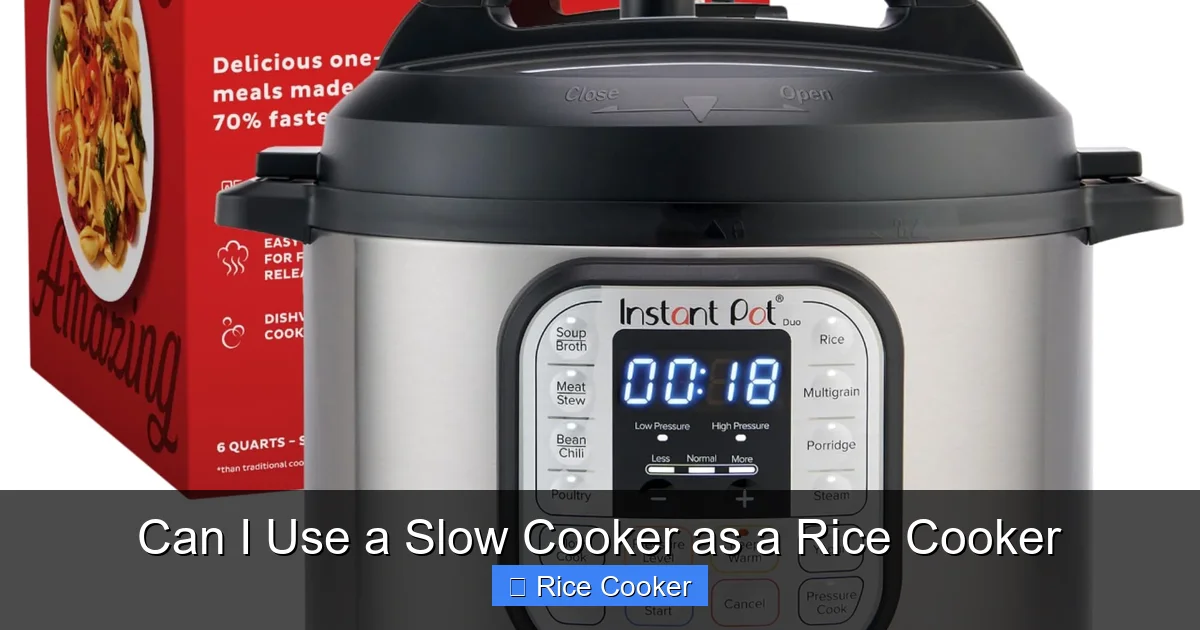
Can I use a slow cooker as a rice cooker? Yes, you can—but it requires some adjustments. While not ideal for everyday rice cooking, a slow cooker can produce decent results when used correctly with the right settings and techniques.
Key Takeaways
- Understanding can i use a slow cooker as a rice cooker: Provides essential knowledge
📑 Table of Contents
- Can I Use a Slow Cooker as a Rice Cooker?
- Understanding the Differences Between a Slow Cooker and a Rice Cooker
- Can You Actually Cook Rice in a Slow Cooker?
- Pros and Cons of Using a Slow Cooker for Rice
- Tips for Better Rice in a Slow Cooker
- When Is It Worth Using a Slow Cooker for Rice?
- Alternatives to Using a Slow Cooker for Rice
- Common Mistakes to Avoid
- Conclusion: Should You Use a Slow Cooker as a Rice Cooker?
Can I Use a Slow Cooker as a Rice Cooker?
If you’ve ever found yourself staring at a pot of rice on the stove, wondering why it’s either undercooked in the center or burnt at the bottom, you’re not alone. Cooking rice perfectly can be tricky—especially without a dedicated rice cooker. But what if you don’t own one? Can you use a slow cooker as a rice cooker instead? The short answer is yes, but with caveats.
A slow cooker isn’t built for rice like a rice cooker is. Rice cookers are engineered with precise temperature controls and automatic shut-off features that help achieve fluffy, evenly cooked grains every time. Slow cookers, on the other hand, are designed for long, gentle braising, stewing, and simmering. Yet, thanks to their sealed, moist environment, they can technically cook rice—just not as efficiently or reliably. In this article, we’ll walk you through everything you need to know about using a slow cooker for rice, including tips, tricks, and when it makes sense to do so.
Understanding the Differences Between a Slow Cooker and a Rice Cooker
Before diving into whether a slow cooker can replace a rice cooker, it’s important to understand how these two appliances differ in design and function.
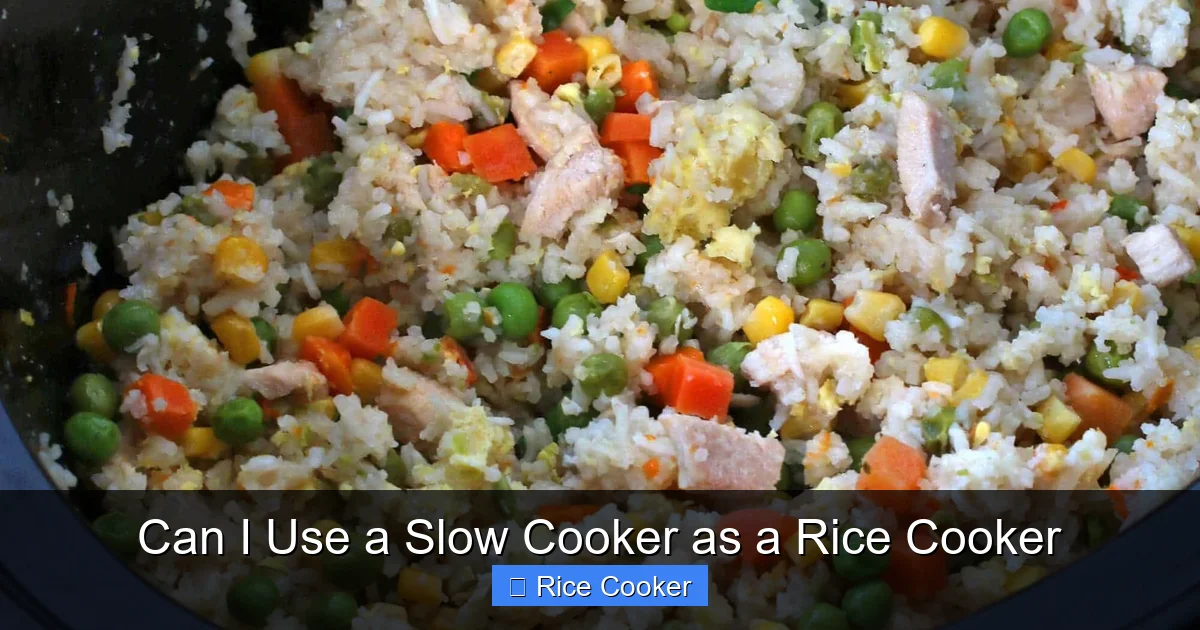
Visual guide about Can I Use a Slow Cooker as a Rice Cooker
Image source: daringgourmet.com
How a Rice Cooker Works
A rice cooker operates using a thermostat-controlled heating element. When you add rice and water, the unit heats up rapidly, bringing the water to a boil. Once boiling, the internal temperature rises to around 212°F (100°C). At this point, the thermostat detects that the water has been fully absorbed and automatically switches to “warm” mode to keep the rice ready without overcooking it. This cycle—boil, absorb, warm—ensures consistent, fluffy results.
Rice cookers also typically have a non-stick inner pot, which makes cleaning easier and helps prevent sticking. Many modern models come with multiple settings for different types of rice, such as brown, jasmine, or sushi rice. Some even include fuzzy logic technology that adjusts cooking time based on the moisture content detected during the process.
How a Slow Cooker Functions
A slow cooker uses low, steady heat over a long period—usually several hours—to cook food slowly. It maintains a temperature range between 170°F and 280°F, depending on the setting. The lid traps steam and moisture, creating a humid environment ideal for tenderizing tough cuts of meat or simmering soups.
Unlike a rice cooker, a slow cooker doesn’t have a thermostat that detects when the water is absorbed. Instead, it relies on time and temperature to determine when cooking is complete. This lack of precision means that using a slow cooker for rice requires more attention and adjustment from the user.
Why They Aren’t Direct Substitutes
While both appliances can cook rice, their core functions are different. A rice cooker is optimized for one task: turning raw rice and water into perfectly cooked grains. A slow cooker is designed for multi-ingredient meals that benefit from slow, indirect heat. Using a slow cooker as a rice cooker is like trying to use a hammer to screw in a bolt—it might work in a pinch, but it’s not the right tool for the job.
Can You Actually Cook Rice in a Slow Cooker?
The simple truth is yes—you can cook rice in a slow cooker. However, the outcome won’t always match what you’d get from a rice cooker. Let’s break down how to do it and what to expect.
Step-by-Step Guide to Cooking Rice in a Slow Cooker
- Choose the Right Rice: Stick with short-grain rice like sushi rice or Japanese short grain. These types hold their shape better and absorb water more evenly than long-grain varieties.
- Wash the Rice: Rinse the rice under cold water until the water runs clear. This removes excess starch and prevents gummy results.
- Use the Correct Ratio: Follow the standard 1:2 ratio—one cup of rice to two cups of water. Add a pinch of salt for flavor.
- Add Oil (Optional): A teaspoon of oil can help prevent sticking, though it’s not necessary.
- Set the Slow Cooker: Place the rice and water mixture in the inner pot. Cover with the lid and set the slow cooker to “Low” for 2–3 hours.
- Check for Doneness: After cooking, let the rice sit for 10 minutes. Then fluff it gently with a fork. If it’s still too firm, cover and cook for another 15–30 minutes.
What to Expect: Texture and Flavor
Rice cooked in a slow cooker tends to be softer and more moist than rice from a rice cooker. Because the heat is lower and the cooking time longer, the grains absorb more water and become slightly mushy, especially if left on “Warm” too long. The result is rice that’s good for dishes like risotto, fried rice, or casseroles, but less suitable for something that needs firm, separate grains—like biryani or pilaf.
Flavor-wise, slow-cooked rice can be rich and savory, especially if you’ve added broth instead of water or included aromatics like garlic, onions, or bay leaves. This makes it a great base for grain bowls or one-pot meals.
Pros and Cons of Using a Slow Cooker for Rice
Like any workaround, using a slow cooker as a rice cooker comes with advantages and disadvantages. Here’s a balanced look at both sides.
Advantages
- Convenience: If you’re already making a stew or soup, adding rice to the slow cooker lets you cook everything together hands-free.
- Moist Environment: The sealed lid keeps rice from drying out, which is helpful for certain recipes.
- Energy Efficient: Slow cookers use very little electricity compared to stovetops or rice cookers, making them cost-effective for large batches.
- Versatile Base: Perfect for grain-based meals like rice and beans, pilafs, or even breakfast porridge.
Disadvantages
- Inconsistent Results: Without precise temperature control, rice can turn out undercooked, overdone, or unevenly textured.
- Longer Cooking Time: It takes significantly longer than a rice cooker—sometimes up to three hours.
- Risk of Scorching: If the liquid evaporates too much, the rice can burn on the bottom, especially on the “High” setting.
- Lack of Auto-Warm: You must monitor the rice to prevent it from staying in the “Warm” phase too long, which can make it soggy.
- Not Ideal for Daily Use: Due to variability, it’s hard to rely on a slow cooker for consistent daily rice meals.
Tips for Better Rice in a Slow Cooker
If you decide to try cooking rice in your slow cooker, here are some expert tips to improve your chances of success.
Use the Right Pot Size
Make sure the inner pot isn’t overcrowded. Too much rice can prevent even heat distribution. A good rule of thumb is to fill the pot no more than halfway.
Pre-Soak the Rice
Soaking rice for 20–30 minutes before cooking helps it absorb water more evenly and reduces cooking time. Drain the soaking water before adding fresh water to the slow cooker.
Monitor Liquid Levels
Slow cookers lose moisture over time. Check the rice after 1.5 hours and add a splash of water if needed. Avoid opening the lid frequently, as this releases steam and extends cooking time.
Try the “Stir-and-Cover” Method
After the first hour, give the rice a gentle stir to prevent clumping. Then return the lid securely. This helps redistribute heat and moisture.
Switch to “Warm” Carefully
If the rice seems done but the slow cooker is still on “Low,” switch to “Warm” only if you plan to serve it immediately. Leaving rice on “Warm” for too long can make it mushy.
Experiment with Broth
Replace half the water with vegetable or chicken broth for extra flavor. This works especially well for risottos or rice-based soups.
When Is It Worth Using a Slow Cooker for Rice?
Despite its limitations, there are specific situations where using a slow cooker for rice makes perfect sense.
For One-Pot Meals
If you’re making a dish like jambalaya, gumbo, or a vegetarian chili, adding rice directly into the slow cooker allows everything to cook together. Just add the rice in the last 30–45 minutes of cooking so it doesn’t turn to mush.
Overnight Cooking
Set up your rice and water in the evening, and wake up to hot, ready-to-eat rice. This is ideal for busy mornings or meal prep.
Large Batches
Need rice for a family gathering or lunch prep? A slow cooker can handle large quantities without needing constant supervision.
When You Don’t Have a Rice Cooker
If you’re traveling, camping, or just don’t own a rice cooker, a slow cooker can be a reliable backup—especially if you plan ahead and monitor it.
Alternatives to Using a Slow Cooker for Rice
If you’re looking for more reliable methods, consider these alternatives.
Stovetop Method
The classic way: Bring water to a boil, add rice, reduce heat, cover, and simmer for 15–18 minutes. This gives you full control over timing and heat.
Electric Kettle
For quick, single servings, boil water in an electric kettle, pour it over rinsed rice in a bowl or thermos, and let it sit for 10 minutes. No stirring or monitoring required.
Purchase a Rice Cooker
If you eat rice regularly, investing in a basic rice cooker ($25–$50) is the best long-term solution. Look for models with multiple settings and a keep-warm function.
Air Fryer Rice Cooker Hack
Some air fryers have a rice cooking function. If yours does, it’s a fast and efficient alternative with better results than a slow cooker.
Common Mistakes to Avoid
Even experienced cooks make errors when adapting appliances. Here are the most common pitfalls.
- Using the Wrong Water Ratio: Too little water leads to dry rice; too much creates a soupy mess.
- Skipping the Rinse Step: Unwashed rice can be gritty and release too much starch, making it gluey.
- Opening the Lid Too Often: Each time you lift the lid, you lose heat and moisture, extending cooking time.
- Using Long-Grain Rice: Long-grain rice tends to become too soft and clumpy in a slow cooker.
- Ignoring Evaporation: Not checking for dry spots can result in burnt rice.
Conclusion: Should You Use a Slow Cooker as a Rice Cooker?
So, can you use a slow cooker as a rice cooker? The answer is yes—but with important qualifications. While it’s technically possible to cook rice in a slow cooker, the results are often inconsistent and less ideal than those from a dedicated rice cooker. The texture tends to be softer, stickier, and more dependent on timing and monitoring.
That said, a slow cooker can be a useful tool in certain situations: when making one-pot meals, cooking overnight, or as a temporary substitute when a rice cooker isn’t available. With the right technique—such as choosing the correct rice type, using the proper water ratio, and keeping a close eye on the process—you can achieve decent rice results.
However, if you cook rice regularly, investing in a rice cooker is the smarter choice. It offers speed, consistency, and convenience that a slow cooker simply cannot match. Think of your slow cooker as a versatile kitchen companion, not a rice-specific appliance.
In the end, every kitchen has its quirks and improvisations. Whether you’re whipping up a quick weeknight dinner or prepping for a big family meal, knowing how to adapt your tools is a valuable skill. Just remember: while a slow cooker can cook rice, it shouldn’t replace your go-to rice cooker for everyday use.
Frequently Asked Questions
Can I cook all types of rice in a slow cooker?
It works best with short-grain rice like sushi or Japanese rice, which hold their shape better. Long-grain rice tends to become too soft and mushy. Always rinse the rice before cooking and use the 1:2 water ratio for best results.
How long does it take to cook rice in a slow cooker?
On the “Low” setting, it usually takes 2 to 3 hours. On “High,” it may take 1.5 to 2 hours. Always check for doneness and add a little water if needed. Let the rice rest for 10 minutes before serving.
Do I need to soak the rice before cooking in a slow cooker?
Soaking is optional but recommended. It helps the rice absorb water more evenly and can reduce cooking time. Soak for 20–30 minutes, then drain before adding to the slow cooker.
Can I add seasonings to the slow cooker with the rice?
Yes! Adding herbs like bay leaves, garlic, or onions enhances flavor. You can also use broth instead of water for a richer taste. Just be cautious not to add too many ingredients that might interfere with heat distribution.
Is it safe to leave rice in a slow cooker on the “Warm” setting for hours?
It’s not ideal. Staying in the “Warm” phase too long can make rice soggy or unsafe due to bacterial growth if held above 140°F for extended periods. Only use “Warm” for immediate serving after cooking.
What’s the best way to store leftover slow-cooked rice?
Let it cool completely, then store in an airtight container in the refrigerator for up to 4 days or freeze for up to 3 months. Reheat with a splash of water to restore moisture.