
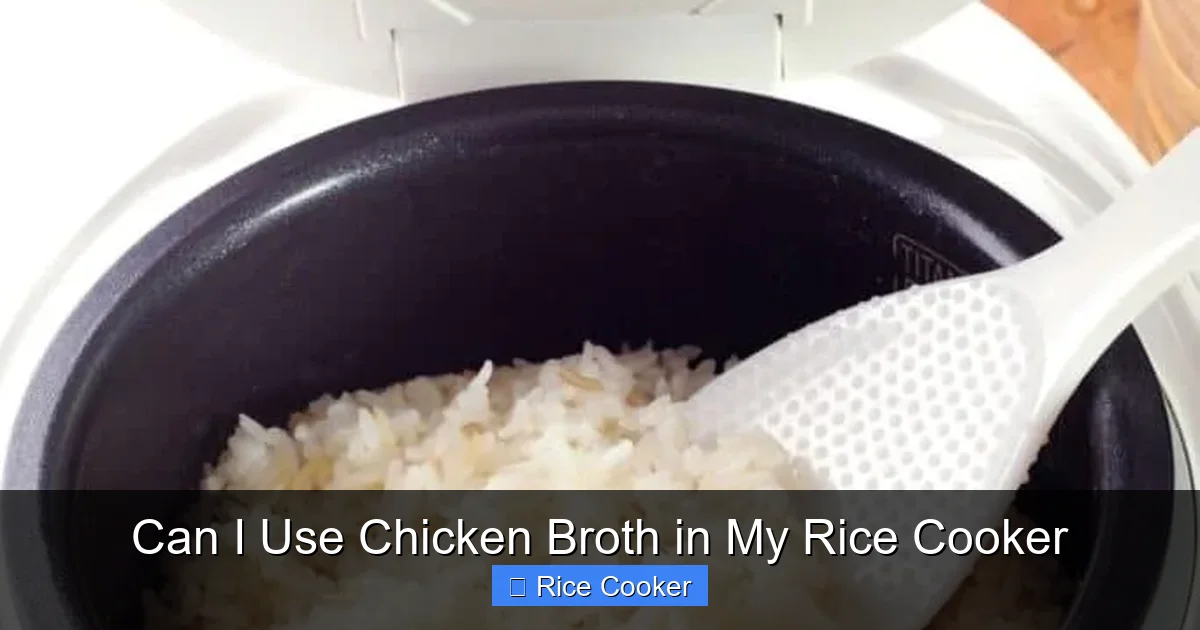
Can I use chicken broth in my rice cooker? Absolutely! Swapping water for chicken broth adds rich flavor and nutrients without extra effort. It’s a game-changer for busy cooks who want delicious, homemade meals in minutes.
Using chicken broth instead of water in your rice cooker is not only safe—it’s often healthier and tastier. The natural flavors infuse the rice beautifully, making every bite more satisfying. Plus, it simplifies meal prep by reducing cleanup and saving time. Whether you’re cooking white rice, brown rice, or even quinoa, broth enhances the overall dish. In this guide, we’ll walk you through everything you need to know: from basic techniques to creative recipe ideas and expert tips. You’ll learn exactly how much broth to use, which types work best, and how to avoid common pitfalls like mushy grains or over-seasoning. By the end, you’ll be confident using chicken broth in your rice cooker like a pro—turning everyday grains into gourmet-style sides in under 30 minutes.
Key Takeaways
- Flavor Boost: Chicken broth adds depth and aroma to plain rice, making it taste like a restaurant-quality side dish.
- Nutritional Upgrade: Broth contributes protein, collagen, and minerals that enhance the nutritional profile of your rice.
- Time-Saving Hack: Using broth means one-pot cooking—no need for separate sauces or seasonings after the fact.
- Versatile Application: Works with white rice, brown rice, jasmine, basmati, and even grains like barley or farro.
- Easy Substitution: Replace up to 100% of the water with low-sodium broth for maximum benefit without added salt.
- Customizable: Add herbs, garlic, or vegetables during cooking to further elevate the flavor.
- Safety First: Always use store-bought or homemade broth—never raw meat drippings or undercooked poultry.
[FEATURED_IMAGE_PLACEHOLDER]
Why Use Chicken Broth Instead of Water?
Cooking rice with chicken broth instead of plain water might sound like a small change, but it makes a world of difference in both flavor and texture. When you use water alone, especially in basic white rice, the result is often bland and one-dimensional. But when you substitute water with chicken broth, you introduce layers of savory goodness that transform the entire dish.
Chicken broth is made by simmering chicken bones, meat, vegetables, and herbs—so it’s packed with umami, collagen, and natural aromatics. These elements gently infuse into the rice grains as they cook, creating a more complex and satisfying bite. Think of it like seasoning your rice while it cooks rather than adding salt and pepper afterward. This method is especially helpful if you’re preparing rice as a base for stir-fries, grain bowls, soups, or casseroles.
Moreover, using broth reduces the need for extra salt or butter at the table. Many commercial broths are already seasoned, so switching to broth can cut down on sodium intake—especially if you choose low-sodium versions. And since most modern rice cookers handle liquid ratios automatically, there’s no guesswork involved. Simply measure the same amount of broth as you would water, press start, and let the machine do its magic.
Beyond taste, chicken broth also improves the texture of your rice. Because broth contains fats and proteins from the original chicken preparation, it helps create fluffier, less sticky grains. This is particularly noticeable with long-grain varieties like jasmine or basmati, which tend to clump when cooked with plain water. With broth, each grain remains separate yet tender—perfect for scooping, mixing, or serving alongside roasted meats.
Another advantage is convenience. If you’re already making soup or stew earlier in the day, save some broth in an airtight container and freeze it for future rice batches. That way, you’re repurposing kitchen scraps (like leftover bones) into something delicious and nutritious. It’s sustainable cooking at its finest.
How Does Chicken Broth Affect Rice Texture?
Texture is arguably the most important factor when judging rice quality—and chicken broth plays a big role here. Unlike water, which is neutral and doesn’t contribute any binding agents, broth contains dissolved solids from simmered ingredients. These include gelatin (from bones), amino acids (from proteins), and minerals—all of which help coat the surface of each rice grain during cooking.
This coating prevents sticking and promotes even heat distribution within the cooker. As a result, your rice turns out uniformly soft yet distinctively separated. No more mushy clumps or dry, undercooked patches!
Different types of rice respond differently to broth:
– White rice: Cooks quickly and absorbs liquid fast; broth enhances tenderness without turning it gluey.
– Brown rice: Takes longer to cook but benefits from broth’s richness—adding subtle nuttiness and chewiness.
– Jasmine and basmati: Known for aromatic fragrances; broth amplifies floral notes and keeps them intact.
– Short-grain or sushi rice: Slightly stickier texture; broth helps maintain structure while preventing excess gumminess.
It’s worth noting that overcooking can still ruin texture regardless of liquid choice. So always follow recommended cook times for your specific rice type. But when done right, chicken broth elevates every variety into something special.
Types of Chicken Broth Best for Rice Cooking
Not all chicken broths are created equal—and choosing the right one can make or break your rice. Here’s a breakdown of popular options and why certain ones shine in the rice cooker:
Store-Bought Low-Sodium Broth
This is probably your best bet if you want consistency and control. Low-sodium versions allow you to manage total salt intake while still getting great flavor. Brands like Pacific Foods, Kettle & Fire, and Swanson offer excellent options. Look for “no MSG” labels too, especially if you’re sensitive to additives.
Homemade Broth
Making your own broth takes time upfront but pays off in flavor and customization. Save chicken carcasses, wings, necks, and vegetable scraps (onions, celery, carrots) in a freezer bag until you have enough. Simmer them for 6–12 hours, strain, and refrigerate or freeze in ice cube trays for easy portioning. Homemade broth has no preservatives and tastes fresher than many packaged alternatives.
Bone Broth vs. Regular Broth
Bone broth is richer in collagen and minerals due to long-simmered bones. While not necessary for rice, it does add a luxurious mouthfeel and subtle gelatinous finish. Ideal for special occasions or when you want maximum nutrition.
Fat-Removed vs. Full-Fat Broth
Some broths contain visible fat (especially homemade ones). Skim it off before adding to rice—excess fat can make the dish greasy. However, a thin layer of fat isn’t harmful and may slightly enrich the flavor. Just drain well before measuring.
Unseasoned vs. Seasoned Broth
Always go unseasoned unless specified otherwise. Seasoned broths often include soy sauce, Worcestershire, or other strong flavors that can overwhelm delicate rice. Unseasoned gives you full control over final seasoning.
Step-by-Step Guide: How to Cook Rice with Chicken Broth
Ready to try it? Follow these simple steps for foolproof results every time:
1. Measure Your Ingredients
For every cup of uncooked rice, use 1.5 cups of chicken broth. Adjust slightly based on rice type:
– White rice: 1.5:1 ratio
– Brown rice: 2:1 (more liquid needed)
– Jasmine/basmati: 1.75:1
Use measuring cups specifically designed for liquids—accuracy matters!
2. Rinse (Optional)
Rinsing removes excess starch and prevents clumping. Place rice in a fine-mesh strainer and rinse under cool running water until the water runs clear. Skip this step for wild rice or instant varieties.
3. Add Broth and Rice
Pour rinsed (or unrinsed) rice into your rice cooker bowl, then add broth. Stir once gently to ensure even distribution.
4. Optional Add-Ins
Enhance flavor without complicating things:
– A pinch of turmeric for color and anti-inflammatory benefits
– 1 crushed garlic clove
– Handful of frozen peas or diced carrots
– Fresh thyme or bay leaf
Add these before closing the lid—they’ll steep naturally during cooking.
5. Start Cooking
Close the lid securely and select the appropriate setting (“White Rice,” “Brown Rice,” etc.). Most machines will auto-switch to “Keep Warm” once done.
6. Let It Rest
After cooking ends, let the rice sit for 5–10 minutes with the lid closed. This allows steam to redistribute moisture evenly and firms up the texture.
7. Fluff and Serve
Use a fork to gently fluff the top layer. Avoid pressing down—this breaks apart tender grains. Serve immediately or keep warm for up to 2 hours (not recommended beyond that).
Common Mistakes to Avoid
Even experienced cooks stumble sometimes. Here are frequent errors and how to fix them:
Mistake #1: Using Too Much Salted Broth
Too much sodium ruins the balance. Always opt for low-sodium broth and adjust with fresh herbs or lemon juice later if needed.
Mistake #2: Not Draining Excess Fat
Greasy rice feels unpleasant. Strain broth through cheesecloth or let it sit overnight so fat solidifies on top—then scrape it off before measuring.
Mistake #3: Overloading with Herbs
While aromatics help, too many can leave bitter residues. Stick to 1–2 whole items (bay leaf, sprig of rosemary) per batch.
Mistake #4: Skipping the Resting Phase
Neglecting to rest causes uneven texture—some parts dry out while others stay soggy. Make it part of your routine.
Mistake #5: Using Raw Meat Drippings
Never use uncooked chicken juices directly in rice cooker—they aren’t safe to consume raw and won’t cook properly without risking foodborne illness.
Creative Ways to Use Chicken Broth-Rice Beyond Plain Side Dishes
Plain rice is fine—but why stop there? Get inspired with these tasty twists:
Rice Bowls
Top your cooked broth-rice with grilled chicken, steamed broccoli, avocado slices, and a drizzle of tahini-lemon dressing. Add pickled onions for tang.
Fried Rice
Cool leftover rice, fry it in sesame oil with scrambled eggs, diced bell peppers, and soy sauce (use reduced-sodium broth rice to avoid double salting).
Risotto-Like Grain Pudding
Reduce broth by half while cooking, stirring occasionally. Finish with grated Parmesan and black pepper for a creamy, comforting side.
Stuffed Peppers or Tomatoes
Mix cooked rice with ground turkey, feta, and spinach. Stuff into hollowed-out bell peppers and bake until tender.
Vegetarian Option
Replace chicken broth with vegetable broth and add mushrooms, corn, and cumin for a hearty, plant-based meal.
Breakfast Hash
Sauté cooked rice with chorizo, black beans, corn, and fire-roasted tomatoes. Top with fried egg for a protein-packed morning dish.
Storage and Reheating Tips
Leftover rice cooked with broth stays good for up to 5 days in the fridge. Store in airtight containers and reheat with a splash of water to restore moisture. Microwave on high for 1 minute, stir, then continue heating in 30-second bursts until hot throughout.
Avoid reheating more than once—repeated warming degrades texture and safety.
For freezing, portion into ice cube trays filled with broth-rice mix. Once frozen, transfer cubes to zip-top bags labeled with date and contents. Thaw overnight in the fridge before reheating.
Frequently Asked Questions
Can I use any type of chicken broth for rice?
Yes, but choose low-sodium and unseasoned varieties to avoid excess salt or artificial flavors. Homemade or high-quality store brands work best for balanced taste.
Does using broth affect cooking time?
No—most rice cookers automatically detect liquid levels and adjust timing accordingly. Cooking duration depends only on rice type, not liquid flavor.
Is it safe to use bone broth in a rice cooker?
Absolutely! Bone broth adds nutrients and richness. Just ensure it’s fully cooled and strained before measuring to remove large particles.
Can I substitute vegetable broth instead?
Definitely! Vegetable broth works great and offers similar benefits. Just be mindful that flavor profiles differ slightly—great for vegetarian meals.
What if I don’t have broth? Can I dilute bouillon paste?
You can dissolve 1 teaspoon of low-sodium chicken bouillon paste in 3 cups of water, but pure broth tastes significantly better and avoids concentrated seasonings.
Will the rice absorb all the broth?
Mostly yes—but always check doneness halfway through if your cooker lacks sensors. Some rice types (like brown) may need slight adjustment based on altitude or humidity.
In conclusion, swapping water for chicken broth in your rice cooker is one of the easiest ways to upgrade your meals—without extra effort or fancy equipment. It’s economical, nutritious, and endlessly adaptable. Whether you’re feeding a family or prepping lunches for the week, this simple trick delivers consistent results every time.
This is a comprehensive guide about can i use chicken broth in my rice cooker.
Key Takeaways
- Understanding can i use chicken broth in my rice cooker: Provides essential knowledge
Frequently Asked Questions
What is can i use chicken broth in my rice cooker?
can i use chicken broth in my rice cooker is an important topic with many practical applications.