
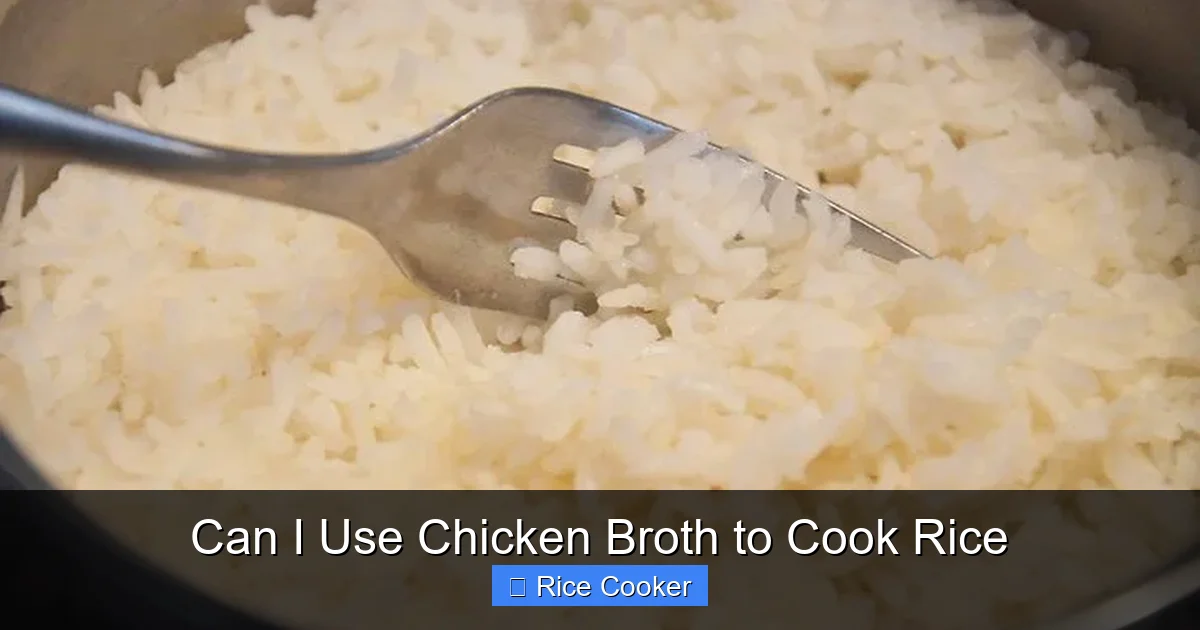
Using chicken broth instead of water when cooking rice adds rich flavor and keeps the grains moist. It’s a simple swap that elevates plain rice into a flavorful side dish or base for meals. Whether you’re using a rice cooker or stovetop method, broth enhances taste without much effort.
Can I Use Chicken Broth to Cook Rice? Absolutely—and here’s why you should start doing it today. If you’ve ever cooked plain white rice on the stove or in your rice cooker, you know it can be… well, plain. But what if I told you that swapping out regular water for chicken broth could transform your humble bowl of rice into something warm, aromatic, and deeply satisfying? Whether you’re making fluffy jasmine rice for a stir-fry or hearty brown rice for a grain bowl, using chicken broth as your liquid base adds subtle savory notes that elevate the entire dish. And the best part? It requires no extra steps—just a simple ingredient swap.
Cooking rice with broth isn’t just a trick; it’s a culinary technique used by chefs and home cooks alike to build flavor into every bite. From comforting family dinners to meal prep lunches, this easy hack works across many types of rice and cooking methods. In this article, we’ll walk through everything you need to know—from choosing the right broth to adjusting ratios and enhancing flavors—so you can confidently cook perfect, flavor-packed rice every time.
Key Takeaways
- Understanding can i use chicken broth to cook rice: Provides essential knowledge
📑 Table of Contents
- Why Swap Water for Chicken Broth?
- Choosing the Right Type of Chicken Broth
- How Much Chicken Broth Should You Use?
- Best Types of Rice for Cooking with Broth
- Step-by-Step Guide: Cooking Rice with Chicken Broth
- Tips for Perfect Broth-Cooked Rice Every Time
- Common Mistakes to Avoid
- Creative Ways to Serve Broth-Cooked Rice
- Health Benefits of Using Broth Instead of Water
- Final Thoughts: Make It a Habit
Why Swap Water for Chicken Broth?
At first glance, water and chicken broth might seem interchangeable, but they’re not. Water is neutral—it doesn’t add flavor, only moisture. Chicken broth, on the other hand, brings layers of umami, saltiness, and aroma directly into the cooking process. When rice absorbs these flavors while cooking, each grain becomes infused with warmth and complexity. This is especially noticeable in long-grain varieties like basmati or jasmine, where subtle aromatics make a big difference.
Beyond flavor, broth also contributes to texture. Because it contains fats, minerals, and proteins from simmered bones and vegetables, broth helps create a creamier mouthfeel compared to water-cooked rice. That said, if you’re watching sodium intake, always opt for low-sodium or homemade broth—store-bought versions can be surprisingly high in salt.
Choosing the Right Type of Chicken Broth
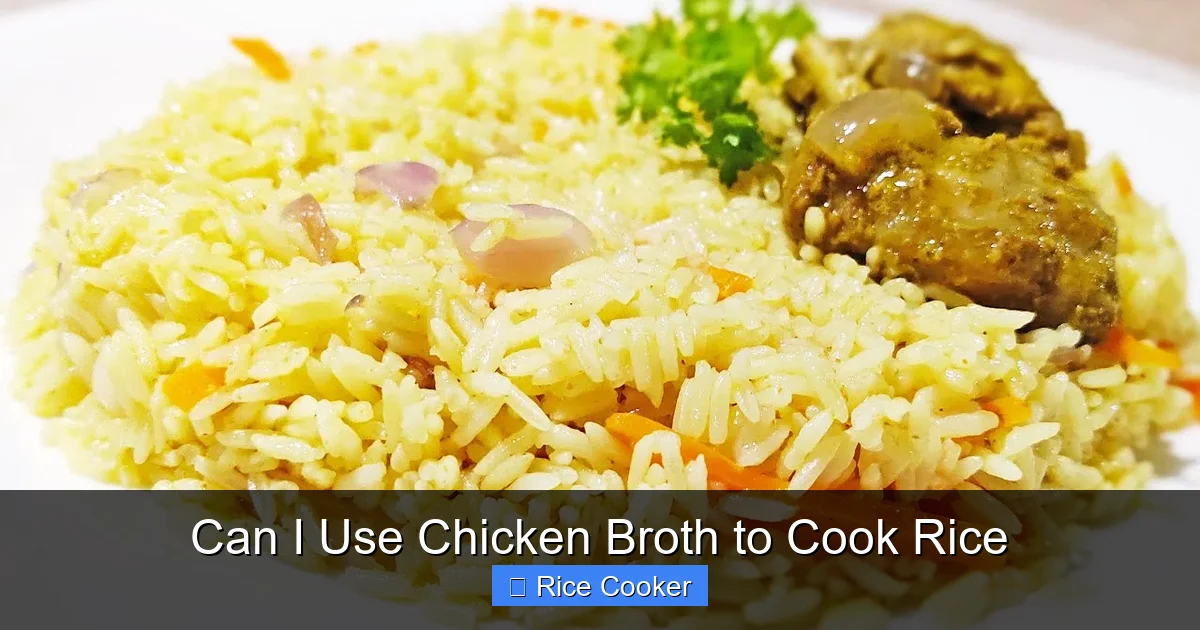
Visual guide about Can I Use Chicken Broth to Cook Rice
Image source: i.ytimg.com
Not all chicken broths are created equal, and selecting the right one makes a real difference in your final dish. Here’s how to choose wisely:
Store-Bought vs. Homemade
Commercial broths vary widely in quality. Some are packed with preservatives and artificial flavors, while others—especially organic or bone-broth-based options—are richer and more nutritious. If possible, go for a high-quality, low-sodium brand. Alternatively, making your own broth at home ensures full control over ingredients and seasonings. Plus, leftover bones from roasted chickens make excellent bases for homemade stock.
Salt Content Matters
One of the biggest concerns when using broth is saltiness. Regular bouillon cubes or concentrated broths are often extremely salty. Always check labels and consider diluting strong broths with a bit of water (a 1:1 ratio works well). For example, if you’re using a very salty broth, try mixing half broth and half water to balance the seasoning.
Fat Content and Flavor Profile
Full-fat broths tend to yield softer, more cohesive rice because fat enhances mouthfeel and helps bind flavors. However, if you prefer lighter dishes, low-fat or reduced-sodium broths still work beautifully. Just be mindful that leaner broths may result in slightly drier rice if overused.
How Much Chicken Broth Should You Use?
The general rule is straightforward: use the same amount of broth as you would water. For most rice recipes, that’s one cup of liquid per cup of uncooked rice. So whether you’re cooking two cups of basmati or one pound of short-grain sushi rice, measure out an equal volume of broth.
However, there are exceptions based on broth type and desired outcome:
Adjusting for Saltiness
If your broth is particularly salty (like some canned or bouillon-based options), reduce the amount slightly—maybe use ¾ cup broth + ¼ cup water per cup of rice. Taste a small portion after cooking to ensure it’s balanced.
For Richer Dishes
Want to take things up a notch? Try using two-thirds broth and one-third water. This boosts flavor without overwhelming the dish. It’s ideal for risotto-style preparations or when serving rice as a main component rather than a side.
Instant Pot and Pressure Cookers
These appliances typically require less liquid than traditional stovetop methods due to their sealed environment. Follow your recipe guidelines but start with the standard 1:1 ratio. If the rice turns out too wet, next time reduce broth by 10–20%.
Best Types of Rice for Cooking with Broth
While you can technically use broth with any rice variety, certain types shine brighter when cooked this way:
Jasmine and Basmati Rice
These fragrant long-grain rices absorb aromatic liquids beautifully. Jasmine rice, in particular, pairs wonderfully with savory broths because both carry floral and nutty undertones. Cooked with chicken broth, they become fragrant, separate grains—perfect for pairing with curries or grilled meats.
Brown Rice
Brown rice benefits greatly from broth due to its higher fiber content and denser structure. The added moisture and flavor help prevent gummy textures and bring out nutty notes. Just note that brown rice generally needs slightly longer cook times, so follow package instructions closely.
Sushi Rice
Though traditionally made with seasoned rice vinegar, sushi rice can also be cooked with lightly salted chicken broth for a unique twist. Just don’t over-season—the goal is subtle enhancement, not masking the rice’s natural sweetness.
Arborio and Other Short-Grain Rices
Great for risottos! Since arborio releases starch slowly, broth keeps the mixture creamy throughout the long stirring process. Add broth gradually while stirring to achieve that signature velvety consistency.
Step-by-Step Guide: Cooking Rice with Chicken Broth
Ready to give it a try? Follow these simple steps for foolproof results every time:
Step 1: Rinse Your Rice
Rinsing removes excess starch and prevents clumping. Place rice in a fine-mesh strainer and rinse under cold running water until the water runs clear. This step is especially important for sticky or sushi varieties.
Step 2: Combine Broth and Rice
In a pot or rice cooker insert, combine rinsed rice and measured broth. For added flavor, toss in a bay leaf, crushed garlic clove, or a sprig of thyme at this stage.
Step 3: Bring to a Boil (Stovetop Only)
On medium-high heat, bring the mixture to a rolling boil. Cover and immediately reduce heat to low. Let it simmer gently—don’t lift the lid!
Step 4: Simmer and Steam
Cook undisturbed for 15–20 minutes (white rice) or 35–40 minutes (brown rice). The rice is done when it’s tender and the liquid is fully absorbed. If using a rice cooker, select the “white rice” or “brown rice” setting.
Step 5: Rest and Fluff
Remove from heat and let sit, covered, for 5–10 minutes. Then fluff gently with a fork. This resting period allows steam to evenly distribute moisture.
Step 6: Adjust Seasoning
Taste and adjust if needed. A splash of lemon juice or a pinch of fresh parsley can brighten the flavor.
Tips for Perfect Broth-Cooked Rice Every Time
Even with the right technique, small details matter. Here are pro tips to ensure consistently excellent results:
Don’t Skip the Resting Period
Allowing rice to rest after cooking helps redistribute moisture and prevents mushiness. Think of it like letting meat rest before slicing—it keeps everything juicy and tender.
Use Room-Temperature Broth
Cold broth slows down the cooking process and can lead to uneven heating. Warm broth helps rice cook more uniformly.
Add Aromatics During Cooking
Toss in onion slices, ginger cubes, or lemongrass to infuse deeper flavors. Remove them before serving unless you enjoy chewing on veggies.
Experiment with Seasonings
After cooking, mix in a knob of butter, a drizzle of soy sauce, or a sprinkle of grated Parmesan for extra richness.
Avoid Overcooking
Once broth is absorbed, stop cooking immediately. Overcooking leads to dry, crumbly rice.
Reheat Properly
Leftover broth-cooked rice reheats best when steamed with a damp paper towel over the container in the microwave—this prevents drying out.
Common Mistakes to Avoid
Even experienced cooks slip up sometimes. Watch out for these pitfalls:
Using Too Much Salted Broth
This is the #1 error. Always taste before adding salt later—you might not need any at all.
Skipping the Rinse
Unrinsed rice sticks together, creating clumps instead of fluffy grains.
Lifting the Lid Frequently
Each time you peek, you lose steam and extend cooking time unnecessarily.
Not Measuring Accurately
Eyeballing liquid leads to either mushy or undercooked rice. Use measuring cups for consistency.
Using Expired Broth
Old or spoiled broth ruins flavor and safety. Check expiration dates and trust your nose—if it smells off, toss it.
Creative Ways to Serve Broth-Cooked Rice
Plain rice is great, but broth-cooked rice opens doors to endless creativity:
Fried Rice
Use cooled, slightly day-old rice fried in oil with soy sauce, eggs, and veggies. The residual flavor from broth makes it extra tasty.
Meal Prep Bowls
Cook a batch of jasmine rice with chicken broth and pair it with roasted vegetables, grilled protein, and tahini dressing.
Asian-Inspired Dishes
Serve over miso-glazed salmon or alongside kimchi stew for a harmonious fusion of flavors.
Rice Pudding
Reduce chicken broth with milk, cinnamon, and sugar for a warming dessert alternative.
Vegetarian Adaptations
Substitute vegetable broth for a plant-based version—still just as flavorful!
Health Benefits of Using Broth Instead of Water
Beyond taste, using broth offers nutritional advantages:
More Minerals and Vitamins
Bone broths contain collagen, calcium, magnesium, and other trace minerals that support joint and digestive health.
Lower Sodium Option
Homemade or low-sodium broths allow better control over sodium intake compared to processed foods.
Hydration and Gut Health
Rich in amino acids like glycine and proline, broth supports gut lining repair and overall wellness.
Of course, moderation is key—especially if relying heavily on store-bought versions high in additives.
Final Thoughts: Make It a Habit
Switching from water to chicken broth won’t just improve your rice—it’ll change how you think about everyday meals. That first spoonful of savory, aromatic rice will convince you that this simple swap is worth making every single time. Whether you’re feeding a crowd or whipping up a quick dinner, broth-cooked rice delivers comfort, flavor, and nutrition in one bowl.
So go ahead—grab that carton of broth, rinse your rice, and let the magic happen. Your taste buds (and your family) will thank you.
Frequently Asked Questions
Can I use any type of chicken broth for cooking rice?
Most chicken broths work fine, but avoid overly salty or concentrated types like bouillon cubes unless diluted. Low-sodium or homemade broth is ideal for balanced flavor.
Will using broth make my rice too salty?
Possibly—especially if using high-sodium broth. Always taste after cooking and adjust with water or additional seasonings if needed. Start with a 1:1 broth-to-water ratio to control salt levels.
Do I need to rinse the rice before cooking with broth?
Yes, rinsing removes excess starch and prevents clumping. It ensures fluffy, separate grains regardless of liquid used.
Can I freeze broth-cooked rice?
Absolutely! Cool completely, portion into containers, and freeze for up to 3 months. Reheat gently with a splash of water or broth to restore moisture.
Is it okay to use broth in a rice cooker?
Definitely. Just follow the same liquid measurements as water and select the appropriate cooking setting (white, brown, etc.).
What if I run out of broth? Can I substitute with water and seasoning?
Yes! Add a teaspoon of soy sauce, a pinch of salt, or a cube of bouillon to plain water for similar flavor impact—though not quite as rich as real broth.