
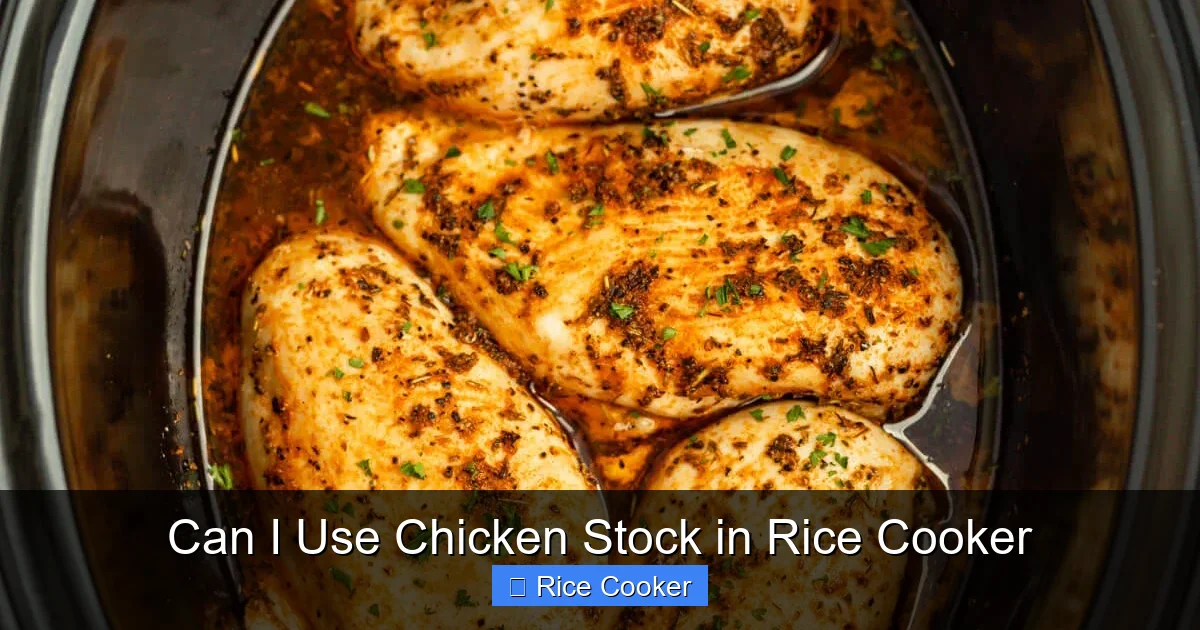
Using chicken stock instead of water in your rice cooker is not only possible—it’s delicious! This simple swap adds rich, savory depth to plain white or brown rice, making meals more flavorful without extra effort. Whether you’re cooking one cup or a full pot, chicken stock enhances texture and taste, perfect for soups, grain bowls, or weeknight dinners.
Key Takeaways
- Chicken stock adds rich, savory flavor: It enhances the natural taste of rice, making each bite more satisfying than plain water.
- It’s easy to substitute: Use 1:1 ratio of chicken stock for water—no need to change your cooking method or timing.
- Great for meal prep: Cook a large batch of flavored rice to use in stir-fries, casseroles, or salads throughout the week.
- Works with all rice types: White, brown, jasmine, basmati, and even wild rice all benefit from chicken stock.
- Boosts nutrition slightly: Homemade stock may contain collagen and minerals; store-bought low-sodium versions help control salt intake.
- Saves time and ingredients: Skip simmering broth separately—just pour it into the rice cooker with dry rice.
- Customize with herbs and veggies: Add garlic, onion, bay leaves, or carrots to the stock for extra aromatic depth.
[FEATURED_IMAGE_PLACEHOLDER]
Can I Use Chicken Stock in Rice Cooker?
Absolutely—yes, you can use chicken stock in your rice cooker, and many home cooks swear by it. While traditional recipes call for water, swapping in chicken stock is a simple yet effective way to elevate your rice from bland to bold. The result? Flavorful, aromatic grains that pair beautifully with everything from roasted chicken to creamy pasta sauces. In fact, using chicken stock in rice cooker has become a popular kitchen hack among food enthusiasts who want to maximize flavor with minimal effort. Whether you’re cooking for one or feeding a family, this technique delivers consistent results every time.
You might be wondering: does chicken stock affect how rice cooks? Not really—rice cookers are designed to regulate temperature and moisture regardless of liquid type. The key is maintaining the right liquid-to-rice ratio. Most varieties use a 1:1.5 to 1:2 ratio (rice to liquid), so if you’re using chicken stock instead of water, stick to the same measurements. That means one cup of uncooked rice typically requires 1.5 to 2 cups of liquid—whether it’s water, broth, or chicken stock. This makes the substitution straightforward and foolproof.
Beyond basic seasoning, chicken stock can transform plain rice into a versatile base for countless dishes. Imagine serving fragrant jasmine rice alongside Thai green curry or mixing cooked basmati into a Mediterranean salad with olives and feta. The umami notes in chicken stock bind well with spices, vegetables, and proteins, creating cohesive, restaurant-quality meals at home. Plus, it reduces the need for extra salt or soy sauce later on. So next time you reach for the water pitcher, consider grabbing the carton of chicken stock instead—your taste buds will thank you.
Why Use Chicken Stock Instead of Water?
Rice cooked in chicken stock doesn’t just taste better—it also adds layers of complexity that water simply can’t provide. When rice absorbs liquid during cooking, it takes on the flavors of that liquid. Since chicken stock is made by simmering bones, meat, and aromatics like onions, carrots, and celery, those savory elements infuse directly into the grains. This creates a more rounded, satisfying bite with subtle hints of richness and depth.
Another advantage is convenience. If you already have homemade or store-bought chicken stock on hand, why waste it? Using it in the rice cooker is an efficient way to repurpose leftover broth. You don’t need to reduce it or adjust its consistency—just pour it directly into the measuring cup along with the rice. This is especially helpful when you’re meal prepping or running short on fresh ingredients. No extra pots to clean or stovetop monitoring required.
Let’s talk about texture, too. While water produces standard fluffy rice, chicken stock can yield slightly softer, more tender grains—especially with long-grain varieties like basmati or jasmine. The added fat and collagen in homemade stock contribute to a creamier mouthfeel, which some people prefer over dry, starchy results. Of course, everyone’s preference varies, but experimenting with chicken stock opens up new culinary possibilities beyond plain side dishes.
The Science Behind Flavor Infusion
When heat is applied, starches in rice begin to gelatinize, absorbing liquid and expanding. At the same time, soluble compounds—like amino acids, minerals, and fats—dissolve from the chicken stock into the cooking environment. As rice grains swell and cool, these compounds are evenly distributed throughout the dish. This process explains why rice cooked in broth tastes noticeably different from that boiled in plain water.
Nutritional Considerations
While chicken stock itself isn’t high in calories, it can offer trace nutrients such as collagen, calcium, and phosphorus—especially if made from bones. However, store-bought versions vary widely in sodium content. For health-conscious cooks, opting for low-sodium or homemade stock allows better control over salt intake. Just remember that reducing overall sodium doesn’t mean sacrificing flavor—herbs, lemon juice, or a splash of vinegar can brighten up the dish.
How to Substitute Chicken Stock for Water
Switching from water to chicken stock in your rice cooker is incredibly simple. There’s no complicated formula or special equipment needed. Here’s how to do it step-by-step:
- Measure your rice: Use a measuring cup to portion out the desired amount of uncooked rice (e.g., 1 cup).
- Pour in the stock: Add 1.5 to 2 cups of chicken stock per 1 cup of rice. Adjust based on your preferred texture—more liquid yields softer rice.
- Add any extras: Toss in a pinch of salt, a bay leaf, or a crushed garlic clove if desired. These enhance flavor without altering cooking time.
- Cook as usual: Close the lid and press the “Cook” button. Let the machine do its job—no stirring or monitoring needed.
This method works seamlessly with both automatic and manual rice cookers. Even older models handle broth without issue, as long as they maintain proper steam venting and temperature control. Just ensure your stock is fully cooled before adding it to the inner pot—hot liquids can damage non-stick coatings over time.
Pro tip: If you’re using frozen or refrigerated stock, let it come to room temperature first. Cold liquid slows down the heating process slightly, but modern rice cookers compensate quickly. Still, warming it up ensures even heat distribution from the start.
Recommended Ratios by Rice Type
| Rice Type | Liquid Ratio (Stock:Water) | Notes |
|---|---|---|
| White Rice | 1:1.5 | Standard; keeps grains separate |
| Brown Rice | 1:2 | Longer cook time; softer texture |
| Jasmine Rice | 1:1.75 | Aromatic; pairs well with herbal stocks |
| Basmati | 1:1.75 | Fluffy and light; avoid overcooking |
| Wild Rice | 1:2.5 | Thick and chewy; needs extra liquid |
These ratios serve as guidelines—adjust based on your model’s performance and personal taste. Some rice cookers run hotter or cooler than others, so slight variations are normal.
Best Types of Chicken Stock to Use
Not all chicken stocks are created equal. The quality of your broth directly impacts the final flavor of your rice. Here’s what to look for—and what to avoid.
Homemade vs. Store-Bought
Homemade chicken stock offers superior flavor because it’s made from real bones, vegetables, and herbs simmered slowly. Leftover poultry bones, onion skins, carrot tops, and parsley stems all contribute to a rich, complex taste. If you make stock regularly, using it in rice cooker becomes second nature. Plus, it’s free of preservatives and artificial flavors common in commercial products.
Store-bought stock is convenient and widely available. Look for brands labeled “no salt added” or “low sodium” if managing blood pressure. Avoid those with long ingredient lists containing monosodium glutamate (MSG), corn syrup, or hydrolyzed vegetable protein. Instead, choose options like Pacific Foods, Kettle & Fire, or organic store brands. Always check the label—some “broth” products are highly processed and lower in actual chicken content.
Unseasoned vs. Seasoned Broths
For maximum flexibility, use unseasoned or lightly seasoned chicken stock. Heavily salted broths can oversaturate your rice, making it overly salty unless you compensate by rinsing the rice beforehand (not recommended for most types). Unseasoned stock lets you control the final seasoning after cooking.
If using seasoned stock, taste it first. If it’s already flavorful (like a herb-infused version), you may skip adding extra salt to the rice. This is ideal for dishes where rice acts as a neutral canvas—think biryani, risotto-style grains, or grain bowls.
Vegetarian Alternatives
For vegetarians or those avoiding animal products, vegetable stock works just as well. Mushroom-based broths, in particular, offer deep umami that mimics the savoriness of chicken stock. Just ensure it’s unsalted and flavorful enough on its own.
Tips for Perfect Chicken Stock Rice
Even with the right ingredients and ratios, small details make a big difference. Follow these expert tips to get consistently excellent results.
Prep Your Ingredients Ahead
Before measuring rice and stock, gather everything you need. This includes:
- Cleaned rice (rinsed or soaked, depending on type)
- Measuring cups and spoons
- A fine-mesh strainer (if using homemade stock)
- Optional aromatics: garlic cloves, bay leaves, peppercorns
Having tools ready prevents last-minute scrambling and ensures smooth cooking flow.
Rinse Rice Properly
Most rice benefits from a quick rinse under cold water until the water runs clear. This removes excess starch, preventing sticky clumps. However, avoid over-rinsing—some nutrients and flavor carriers wash away too. For glutinous or sweet rice varieties, skip rinsing entirely.
Don’t Overfill the Inner Pot
Rice expands during cooking. Never fill the inner pot beyond two-thirds capacity. Overflow restricts steam release, potentially damaging your appliance or causing uneven cooking. Stick to recommended serving sizes unless your cooker specifies larger volumes.
Let Rice Rest After Cooking
Once the cycle ends, wait 5–10 minutes with the lid closed. This allows residual steam to finish hydrating the grains gently. Fluffing afterward releases trapped steam and redistributes moisture evenly. Skipping this step leads to gummy or uneven textures.
Season Lightly—Or Not at All
If your stock is already salty, resist adding more. Taste-test before seasoning. A pinch of sugar can balance acidity in tomato-based stocks; a squeeze of lemon brightens overly rich broths.
Creative Ways to Use Chicken Stock-Rice
The beauty of chicken stock-cooked rice lies in its adaptability. Once mastered, you’ll find endless ways to incorporate it into meals.
Mediterranean Grain Bowls
Combine cooled rice with cherry tomatoes, cucumber, Kalamata olives, crumbled feta, and a drizzle of olive oil. Top with grilled chicken or chickpeas for a complete protein. The savory undertones from the stock complement the tangy cheese beautifully.
Asian-Inspired Fried Rice
Sauté diced onions, carrots, and peas in sesame oil. Stir in cooked rice, a splash of soy sauce, and scrambled eggs. Add a dash of sriracha for heat. The umami from the chicken stock elevates the entire dish without needing MSG.
Curry and Stew Bases
Use the rice as a side for Indian curries, Moroccan tagines, or French cassoulet. The mild flavor absorbs spices effortlessly. Serve warm with yogurt or pickled vegetables for contrast.
Snack-Time Rice Cakes
Toast slices of leftover rice on a pan or air fryer. Spread with avocado mash or nut butter. Sprinkle with sea salt and enjoy as a crunchy, protein-rich snack.
Breakfast Porridge
Stir cooked rice into oatmeal with milk, cinnamon, and dried fruit. Simmer briefly to thicken. The savory backbone balances the sweetness naturally.
Common Mistakes to Avoid
Even experienced cooks occasionally slip up. Here are frequent errors and how to fix them.
Using Too Much Salt
Store-bought stocks often contain added sodium. If your rice tastes salty, try diluting it with extra uncooked rice or serving with low-salt sides. Rinsing cooked rice under water helps remove surface salt (though it washes away some flavor).
Not Draining Excess Liquid
Some rice cookers retain a bit of liquid post-cycle. After resting, drain any surplus gently with a fork. Leaving too much moisture makes rice soggy.
Skipping the Resting Phase
As mentioned earlier, skipping the 5–10 minute rest causes uneven texture. Always allow time for steam redistribution.
Using Old or Stale Stock
Check expiration dates. Expired broth develops off-flavors and bacteria. When in doubt, smell it—rancid or sour odors mean discard.
Frequently Asked Questions
Is it safe to use chicken stock in rice cooker?
Yes, it’s completely safe and actually recommended by many chefs. As long as the stock is fresh and properly stored, using it in your rice cooker poses no health risks. Just ensure it’s not expired or contaminated.
Does chicken stock make rice taste salty?
It depends on the stock’s sodium content. Low-sodium or homemade stock minimizes this risk. Always taste before seasoning additional salt. You can also rinse cooked rice lightly to reduce saltiness.
Can I freeze chicken stock rice for later?
Absolutely! Cool completely, portion into containers, and freeze for up to 3 months. Reheat in a microwave with a splash of water to restore moisture. Avoid freezing in metal containers.
What if my rice cooker doesn’t have a specific broth setting?
No problem. Standard “white rice” or “brown rice” settings work perfectly with chicken stock. The cooking algorithm adjusts for liquid type automatically.
Can I mix chicken stock with water?
Yes! For a balanced flavor, combine equal parts stock and water. This is great when you want milder taste or don’t have enough stock on hand.
Will chicken stock change the color of rice?
Generally, no. White rice remains white; brown rice stays brown. Very dark or heavily flavored stocks (like mushroom) may leave faint stains, but this rarely affects appearance noticeably.
Conclusion
Using chicken stock in your rice cooker is more than just a shortcut—it’s a flavor upgrade that transforms everyday meals. Whether you’re cooking plain jasmine rice for a stir-fry or preparing a batch of fragrant basmati for a curry night, the rich, savory essence of broth infuses every grain with deliciousness. With a simple 1:1.5 to 1:2 liquid-to-rice ratio and basic kitchen tools, anyone can master this technique. Plus, it saves time, reduces cleanup, and makes use of ingredients you likely already own.
Experimentation is encouraged. Try adding different herbs, adjusting salt levels, or pairing your stock-rice with unexpected toppings. Over time, you’ll develop a sense of what works best for your palate and lifestyle. And remember: there’s no wrong way to enjoy rice—only new discoveries waiting to happen.
So go ahead—pour that chicken stock into your rice cooker. Your next meal just got infinitely tastier.
This is a comprehensive guide about can i use chicken stock in rice cooker.
Key Takeaways
- Understanding can i use chicken stock in rice cooker: Provides essential knowledge
Frequently Asked Questions
What is can i use chicken stock in rice cooker?
can i use chicken stock in rice cooker is an important topic with many practical applications.