
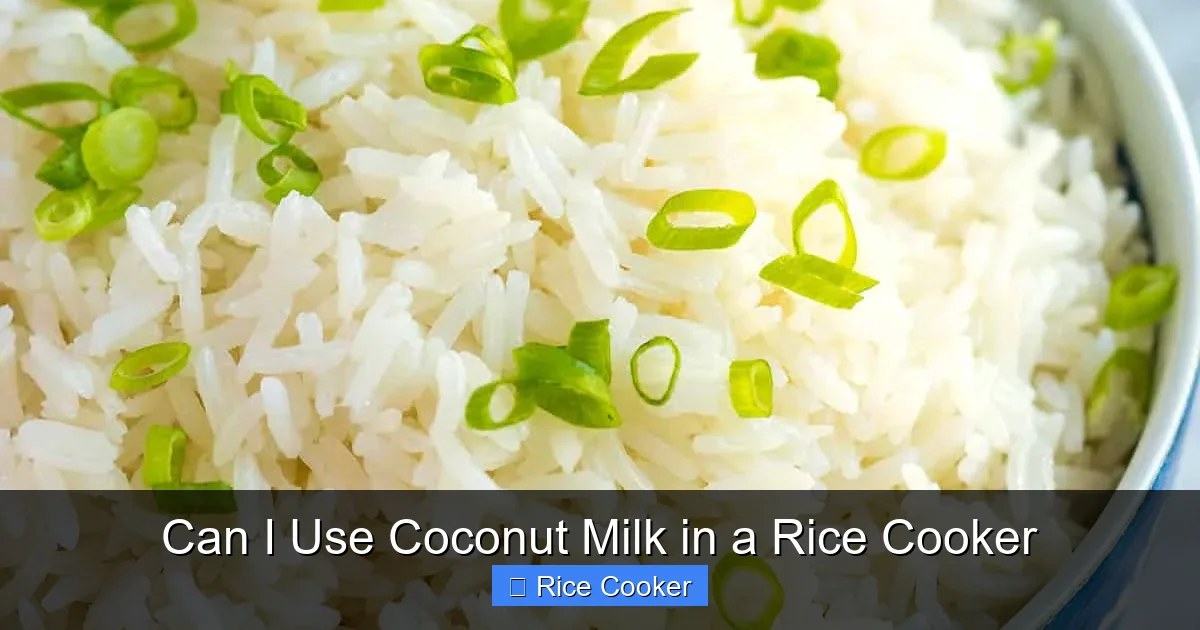
Can I use coconut milk in a rice cooker? Absolutely! Adding coconut milk to your rice cooker not only enhances the texture but also infuses your grains with a subtle tropical flavor. Whether you’re making jasmine rice, basmati, or even quinoa, coconut milk creates a creamy, aromatic result that’s perfect for curries, pilafs, or side dishes. With just a few simple adjustments, you can elevate your rice game effortlessly.
Key Takeaways
- Yes, coconut milk works in a rice cooker: It’s safe and effective when used properly, delivering rich flavor and creaminess.
- Best for specific rice types: Ideal for long-grain varieties like jasmine or basmati, as well as grains like quinoa or wild rice.
- Use full-fat over light: Full-fat coconut milk provides better texture and richness without becoming too watery.
- Rinse rice first: Always rinse grains before cooking to prevent stickiness, even when using coconut milk.
- Adjust liquid ratios: Reduce regular water by about 1/4 cup per cup of rice to balance the coconut milk’s moisture.
- Experiment with flavors: Add spices like turmeric, cumin, or lemongrass for authentic curry-style results.
- Clean your rice cooker: Coconut residue can be sticky; clean the inner pot and lid promptly after use.
📑 Table of Contents
- Can I Use Coconut Milk in a Rice Cooker? The Ultimate Guide
- Why Use Coconut Milk in a Rice Cooker?
- Which Rice Cookers Work Best with Coconut Milk?
- How Much Coconut Milk Should You Use?
- Step-by-Step Guide: Cooking Rice with Coconut Milk
- What Types of Rice Work Best with Coconut Milk?
- Troubleshooting Common Issues
- Cooking Tips and Creative Ideas
- Conclusion: Yes, You Can (and Should!) Use Coconut Milk in Your Rice Cooker
Can I Use Coconut Milk in a Rice Cooker? The Ultimate Guide
Imagine serving a perfectly cooked bowl of fragrant, fluffy rice that’s not just plain white—but rich, creamy, and subtly sweet with notes of coconut. Sounds dreamy, right? Well, it doesn’t have to be a dream. You can absolutely use coconut milk in a rice cooker, and the results are surprisingly delicious. Whether you’re whipping up a Thai-inspired curry base, a comforting Indian pilaf, or even a savory breakfast grain bowl, coconut milk adds depth, richness, and a touch of exotic flavor that transforms ordinary rice into something extraordinary.
But before you pour that can of coconut milk directly into your rice cooker and hit “cook,” there are a few things to keep in mind. Not all rice cookers handle thick liquids the same way, and getting the liquid-to-rice ratio just right is key to avoiding mushy or undercooked grains. Plus, coconut milk behaves differently than water—it’s thicker and oilier, so timing and preparation matter. In this guide, we’ll walk you through everything you need to know: which rice cookers work best, how to adjust your recipe, what kinds of rice shine with coconut milk, and even how to clean up afterward. By the end, you’ll be ready to turn your rice cooker into a culinary powerhouse—one creamy, aromatic grain at a time.
Why Use Coconut Milk in a Rice Cooker?
If you’ve ever tasted coconut-infused rice—whether from a Thai restaurant or a friend’s home cooking—you know it’s more than just rice. It’s a flavor experience. Coconut milk brings warmth, silkiness, and a hint of sweetness that pairs beautifully with spices, herbs, and proteins. But why go through the trouble of adding it to your rice cooker? Let’s break down the benefits.
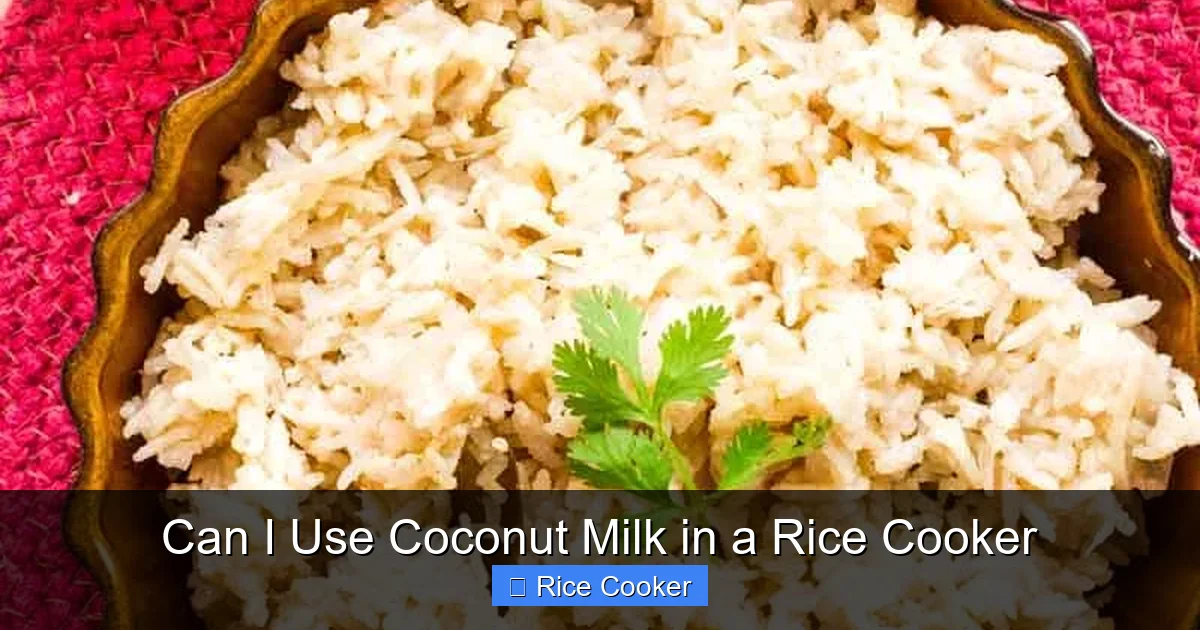
Visual guide about Can I Use Coconut Milk in a Rice Cooker
Image source: speakingaloud.in
Aromatic and Flavorful Base
Coconut milk acts as a flavor carrier. Unlike water, which carries minimal taste, coconut milk absorbs and enhances the flavors of spices and seasonings. This makes it ideal for dishes like biryani, jambalaya, or coconut jasmine rice. When you cook rice in coconut milk, those aromas bloom during the steaming process, filling your kitchen with an inviting scent that signals dinner is near.
Creamy Texture Without Cream
One of the biggest advantages of using coconut milk is its ability to create a luxuriously creamy texture—without needing heavy cream or butter. The fat content in full-fat coconut milk coats each grain, giving it a tender, almost velvety mouthfeel. This is especially appealing if you’re trying to cut back on dairy or want a plant-based alternative.
Healthier Fat Profile (When Used Moderately)
While coconut milk is higher in saturated fat than water, it also contains medium-chain triglycerides (MCTs), which are metabolized differently than other fats. Some studies suggest MCTs may support metabolism and energy levels. Of course, moderation is key—especially if you’re watching your calorie intake. But in balanced meals, a splash of coconut milk can be part of a nutritious diet.
Versatility Across Cuisines
Coconut milk rice isn’t just for Southeast Asia. It shines in Caribbean, African, Indian, and even Southern U.S. cuisines. Think of it as a blank canvas: add turmeric and cumin for Indian flavor, ginger and lime for Thai zest, or even a pinch of smoked paprika for a smoky twist. Your rice cooker becomes a passport to global flavors.
Which Rice Cookers Work Best with Coconut Milk?
Not every rice cooker is created equal when it comes to handling thick, oily liquids like coconut milk. The type of heating mechanism and design can affect how evenly heat distributes and whether the rice cooks properly.
Fuzzy Logic Rice Cookers
These are the most common household models—simple, affordable, and widely available. They use sensors to detect temperature changes and automatically switch from heating to warming mode. Most fuzzy logic cookers handle coconut milk just fine, especially if you follow the right liquid ratios. Just avoid overfilling the inner pot, as excess coconut milk can cause overflow during boiling.
Induction Heating Rice Cookers
Top-of-the-line induction models offer precise temperature control and faster heating. Because they heat more evenly and quickly, they’re excellent for delicate grains and thick liquids like coconut milk. If you invest in a premium rice cooker, this type is worth considering—especially if you plan to experiment with risotto or sushi rice using coconut milk.
Pressure Cookers with Rice Settings
Some modern pressure cookers come with dedicated rice functions. These can work with coconut milk, but be cautious: high pressure might cause the mixture to bubble over. If your model has a venting system designed for liquids, it should handle it. Otherwise, stick to lower pressure settings or opt for a traditional rice cooker instead.
Non-Stick vs. Stainless Steel Pans
The material of your inner pot matters too. Non-stick coatings are easier to clean and prevent coconut residue from sticking, but avoid metal utensils that could scratch the surface. Stainless steel pots are durable and heat evenly, but you’ll need to scrub a bit harder after coconut milk spills. Both work—just choose based on your cleaning preference.
How Much Coconut Milk Should You Use?
This is where many beginners get confused. How much coconut milk should you substitute for water? The answer depends on your desired consistency and the type of rice you’re using.
Basic Ratio: 1 Part Coconut Milk to 2 Parts Water
A good starting point is replacing half of the water in your standard rice recipe with an equal amount of coconut milk. For example, if your recipe calls for 2 cups water per cup of rice, use 1 cup coconut milk + 1 cup water. This keeps the rice fluffy while adding flavor.
For Creamier Results: Use More Coconut Milk
Want that silky, restaurant-style coconut rice? Try using 1 cup full-fat coconut milk per cup of rice, and reduce water to 1/2 cup. This works especially well with jasmine rice, which naturally has a soft, slightly sticky texture that complements coconut beautifully.
For Thicker Dishes: Reduce Liquid Further
If you’re making something like coconut rice pudding or a curry base, you might want less free liquid. In this case, use 1 cup coconut milk per cup of rice and skip the additional water entirely. The rice will absorb the milk slowly, creating a porridge-like consistency.
Light vs. Full-Fat: Which Is Better?
Always choose full-fat coconut milk for cooking. Light or “lite” versions contain added water and lack the richness needed for flavor and texture. Full-fat coconut milk has a creamy layer on top that rises when refrigerated—use that for the best results.
Concentrated vs. Regular
Regular canned coconut milk (the kind sold in cartons) works best. Avoid coconut cream unless you’re going for ultra-richness—it’s much thicker and can make rice too dense.
Step-by-Step Guide: Cooking Rice with Coconut Milk
Ready to try it yourself? Follow these simple steps for foolproof coconut rice every time.
- Rinse Your Rice – Even though coconut milk helps prevent stickiness, rinsing removes excess starch and ensures fluffy grains. Place rice in a strainer and rinse under cold water until it runs clear.
- Combine Ingredients – In your rice cooker pot, add rinsed rice, coconut milk, water (if using), and a pinch of salt. Stir gently to mix.
- Add Flavor Boosters (Optional) – Toss in a bay leaf, a slice of ginger, or a few crushed kaffir lime leaves for extra aroma. Don’t overdo it—these should enhance, not overwhelm.
- Cook According to Settings – Select the appropriate setting (white rice, brown rice, etc.) and let the cooker do its magic. Most models take about 20–25 minutes for white rice.
- Let It Rest – Once done, turn off the cooker and let the rice sit covered for 5–10 minutes. This allows steam to redistribute, resulting in fluffier grains.
- Fluff and Serve – Use a fork to gently fluff the rice. Remove any large flavor pieces (like bay leaves). Serve warm as a side or base for curries.
Pro Tip: If your rice turns out too wet, transfer it to a baking sheet and broil for a few minutes to evaporate excess moisture. If it’s dry, add a splash of water and cover again for 2–3 minutes.
What Types of Rice Work Best with Coconut Milk?
Not all rice is created equal when it comes to absorbing coconut milk. Here’s a breakdown of the best options.
Jasmine Rice
Thai jasmine rice is perhaps the classic match for coconut milk. Its long grains, floral aroma, and slightly sticky texture pair perfectly with the creaminess of coconut. When cooked with coconut milk, it becomes fragrant, tender, and ideal for pairing with spicy curries or grilled meats.
Basmati Rice
Indian basmati rice has a nutty, earthy flavor that complements coconut’s sweetness. Though typically cooked with water, basmati takes well to coconut milk, especially when paired with warming spices like cumin, cardamom, and cinnamon. It’s great for biryanis or pilafs.
Brown Rice
Brown rice takes longer to cook and retains more fiber, but it also absorbs more liquid—including coconut milk. Use a 1:1 ratio of coconut milk to water for a nuttier, more complex flavor. Brown rice with coconut milk makes a hearty, nutritious side or base for bowls.
Wild Rice
This ancient grain has a chewy texture and deep, mushroom-like flavor that stands up well to bold ingredients like coconut milk. Combine with mushrooms, nuts, and herbs for a gourmet twist.
Quinoa
Though technically a seed, quinoa behaves like rice in a cooker. It’s protein-packed and pairs surprisingly well with coconut milk, especially when seasoned with lime, cilantro, and chili flakes. Great for vegan stir-fries or grain salads.
Avoid Short-Grain Varieties
Sticky short-grain rice (like sushi rice) can become overly gluey when cooked with coconut milk due to higher starch content. Stick to long-grain or medium-grain types for best results.
Troubleshooting Common Issues
Even with the right technique, things don’t always go perfectly. Here’s how to fix common problems.
Rice Is Too Wet or Mushy
This usually happens when too much liquid is used or the rice isn’t rinsed. Try reducing the coconut milk by 1/4 cup per cup of rice next time. Also, ensure your rice cooker isn’t overcrowded—stick to the recommended fill line.
Rice Is Dry or Undercooked
Check the age of your rice—old or improperly stored rice can behave unpredictably. Fresh rice absorbs liquid better. Also, verify that your cooker’s heating element is working and that the lid seals tightly.
Coconut Oil Separates During Storage
After cooking, store leftover rice in an airtight container. The coconut oil may rise to the top—just give it a stir before reheating. If it solidifies, microwave with a splash of water to re-emulsify.
Strong Coconut Taste Overpowers Everything
Too much coconut milk can dominate other flavors. Start with smaller amounts and adjust gradually. You can always add more, but you can’t take it away once it’s cooked in.
Sticky Residue Sticks to the Pot
Coconut milk leaves behind a greasy film. Clean the inner pot immediately after use with warm, soapy water and a non-abrasive sponge. For stubborn spots, soak in hot water with a drop of dish soap before scrubbing.
Cooking Tips and Creative Ideas
Now that you know the basics, let’s get creative!
Infuse with Spices
Toast whole spices like cumin seeds or mustard seeds in a dry pan before adding them to the rice cooker. Their oils meld beautifully with coconut milk, creating layers of flavor.
Make Coconut Curry Rice
Cook rice with coconut milk, turmeric, garlic, and ginger. After cooking, stir in diced tomatoes, spinach, and chickpeas for a complete one-pot meal.
Sweet Coconut Rice for Desserts
Replace sugar with a splash of maple syrup or honey. Add shredded coconut and a pinch of cinnamon. Serve warm with fresh fruit or yogurt.
Use Coconut Milk in Risotto
Traditional risotto uses broth, but coconut milk adds richness without dairy. Stir occasionally while cooking for a creamy, non-starchy version.
Double Up on Texture
Add roasted cashews or toasted coconut flakes during the last minute of cooking for crunch and extra flavor.
Freeze for Meal Prep
Portion cooked coconut rice into freezer-safe containers. Reheat in the microwave with a damp paper towel to retain moisture.
Conclusion: Yes, You Can (and Should!) Use Coconut Milk in Your Rice Cooker
So, can you use coconut milk in a rice cooker? The answer is a resounding yes—and not just yes, but enthusiastically yes. With a little know-how, your rice cooker becomes a gateway to richer, more exciting meals. Coconut milk adds flavor, creaminess, and versatility without requiring special equipment or complicated techniques. Whether you’re feeding a family, impressing guests, or simply treating yourself to something delicious, coconut-infused rice delivers on all fronts.
Remember: start simple, rinse your rice, use full-fat coconut milk, and don’t be afraid to experiment. From fragrant Thai-inspired sides to hearty grain bowls and even dessert rice, the possibilities are endless. And the cleanup? Totally manageable with a quick rinse and some soap. So go ahead—pour that coconut milk in, press start, and let your rice cooker work its magic. Your taste buds (and your dinner guests) will thank you.
Frequently Asked Questions
Can I use light coconut milk in a rice cooker?
It’s not recommended. Light coconut milk lacks the richness and fat needed for creamy, flavorful rice. Full-fat coconut milk gives better texture and taste.
Will coconut milk make my rice sticky?
Not if you rinse the rice first and use the right liquid ratio. Sticky rice usually results from excess starch or too much liquid—both can be avoided with proper prep.
How long does coconut milk rice last in the fridge?
Up to 5 days when stored in an airtight container. The coconut oil may separate, but stir before reheating for best results.
Can I freeze coconut milk rice?
Yes! Portion into containers and freeze for up to 3 months. Reheat in the microwave with a splash of water to restore moisture.
Do I need to adjust cooking time when using coconut milk?
Generally no—most rice cookers automatically adjust for liquid type. However, if your rice seems undercooked, check the seal and ensure the pot isn’t overcrowded.
Is coconut milk rice suitable for people with dietary restrictions?
Yes! It’s naturally gluten-free and dairy-free (if using plant-based milk), making it a great option for many diets—just confirm your coconut milk brand is certified vegan if needed.