
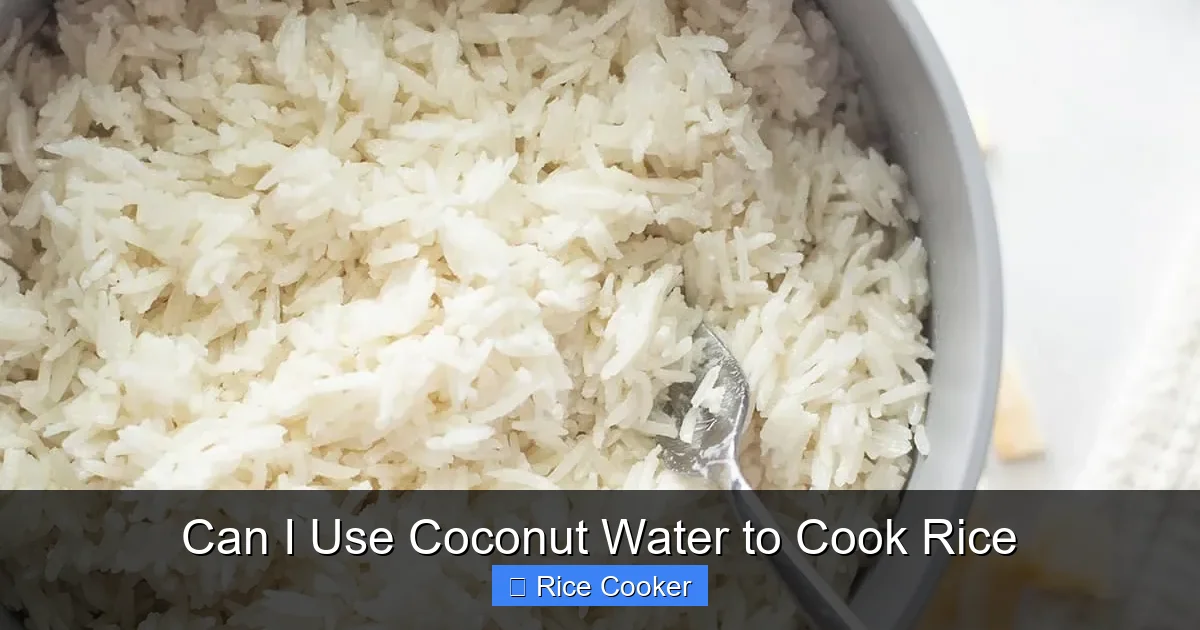
Can you use coconut water to cook rice? Absolutely! Replacing water with coconut water in your rice cooker adds subtle sweetness, natural minerals, and a creamy texture that enhances both savory and sweet dishes. This simple swap not only boosts flavor but also provides electrolytes and antioxidants. Whether you’re cooking jasmine, basmati, or brown rice, coconut water brings a refreshing twist—ideal for vegan diets or those seeking low-sodium alternatives.
Key Takeaways
- Coconut water is a viable substitute: It can replace regular water when cooking rice in a rice cooker, offering a mild coconut flavor and added nutrients.
- Nutritional benefits: Rich in potassium, magnesium, and vitamin C, coconut water supports hydration and digestion compared to plain water.
- Flavor enhancement: Adds a delicate sweetness and aromatic note, especially effective with long-grain rice like jasmine or basmati.
- Texture impact: Produces softer, more tender grains due to its natural sugars and lower mineral content than hard water.
- Vegan and allergen-friendly: A plant-based alternative suitable for vegans, gluten-free diets, and those avoiding dairy or refined ingredients.
- Usage tips: Use equal parts coconut water and water (e.g., 1:1 ratio) to balance flavor and prevent overly rich results.
- Not recommended for all rice types: Works best with fragrant varieties; stick to traditional methods for short-grain sticky rice.
📑 Table of Contents
- Introduction: The Tropical Twist on Everyday Cooking
- What Is Coconut Water and Why Use It for Rice?
- How to Cook Rice with Coconut Water: Step-by-Step Guide
- Flavor Profile and Culinary Uses
- Nutritional Benefits of Coconut Water-Rice
- Practical Tips and Creative Variations
- Environmental and Ethical Considerations
- Conclusion: A Simple Swap with Big Impact
Introduction: The Tropical Twist on Everyday Cooking
Imagine waking up to the gentle hum of your rice cooker, filling your kitchen with the comforting scent of perfectly cooked grains. Now, picture that same rice infused with the light, slightly sweet aroma of coconut water—tropical, refreshing, and full of life. That’s exactly what happens when you swap plain water for coconut water in your rice cooker. But before you rush to pour that chilled coconut drink into your pot, let’s explore whether it’s not just possible, but actually beneficial, to use coconut water to cook rice.
Coconut water has surged in popularity over the past decade, celebrated not only for its role as a post-workout electrolyte drink but also for its versatility in cooking. From soups and sauces to desserts and beverages, it’s becoming a pantry staple for health-conscious cooks. So why not bring that same magic to one of the world’s most basic staples—rice? In this article, we’ll dive deep into the science, flavor, nutrition, and practical tips behind using coconut water to cook rice, answering every question you might have along the way.
Whether you’re a busy parent looking for a nutritious side dish, a vegan exploring plant-based swaps, or a foodie craving something new, this guide will show you how coconut water can transform your rice from ordinary to extraordinary. Let’s get started!
What Is Coconut Water and Why Use It for Rice?
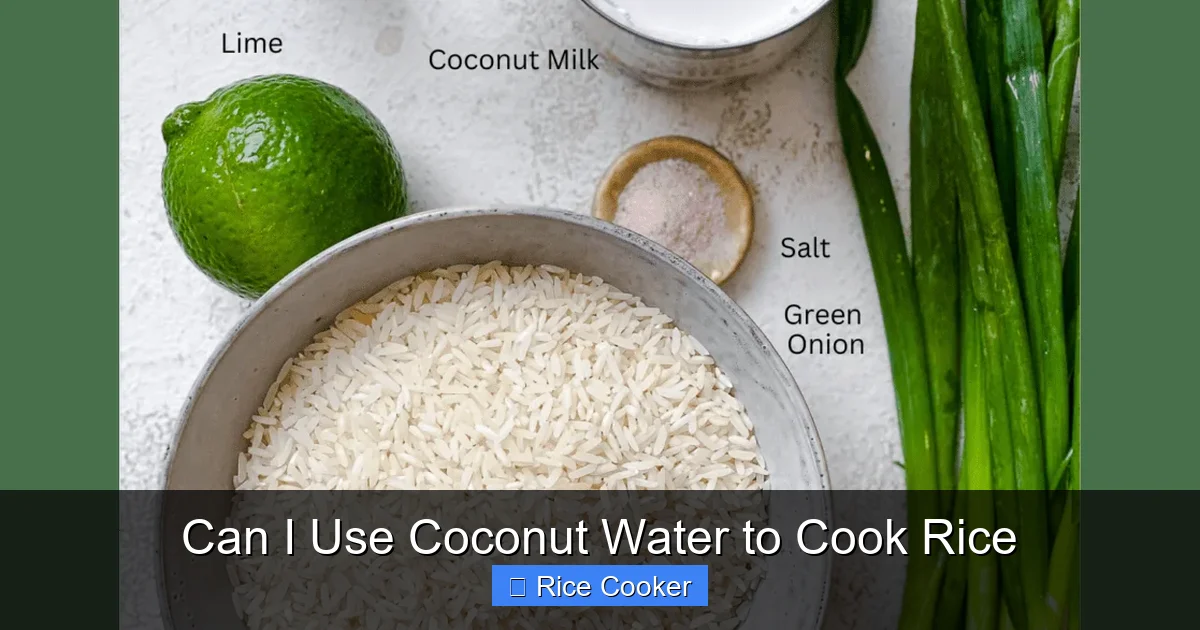
Visual guide about Can I Use Coconut Water to Cook Rice
Image source: foodsharingvegan.com
The Natural Composition of Coconut Water
Coconut water is the clear, slightly cloudy liquid found inside young green coconuts. Unlike coconut milk or cream, which are extracted from the white meat of mature coconuts, coconut water is naturally occurring and harvested while the coconut is still green—usually between 5 to 7 months old. This makes it low in fat and calories, with a clean, fresh taste that’s often described as subtly sweet with a hint of nuttiness.
Nutritionally, coconut water is packed with essential minerals. A typical cup contains about 600 mg of potassium—more than a banana—alongside magnesium, calcium, sodium, and trace amounts of vitamin C and B vitamins. It’s also naturally free of cholesterol and saturated fats, making it a heart-healthy alternative to many commercial sports drinks.
Why Substitute Water with Coconut Water?
So, why would anyone want to use coconut water instead of water when cooking rice? There are several compelling reasons:
– Enhanced flavor profile: The natural sugars and mild coconut essence infuse the rice with a pleasant aroma and taste.
– Improved texture: Coconut water’s lower mineral content (especially compared to tap water) prevents the hardening effect that minerals can sometimes cause in grains.
– Added nutrients: You’re not just cooking rice—you’re enriching it with electrolytes and antioxidants.
– Sustainable choice: Using coconut water reduces reliance on bottled beverages, aligning with zero-waste goals.
For example, if you’re preparing jasmine rice for a Thai curry or biryani, the subtle coconut notes can complement the spices beautifully. Even plain steamed rice becomes more interesting when paired with a stir-fry or grain bowl.
How to Cook Rice with Coconut Water: Step-by-Step Guide
Choosing the Right Rice
Not all rice types respond equally well to coconut water. Long-grain varieties like jasmine, basmati, and wild rice absorb liquids slowly and evenly, allowing the coconut flavor to permeate without overwhelming the dish. These grains also have a fluffy texture that complements the creaminess of coconut water.
Short-grain rice, such as sushi or arborio, tends to be stickier and may become too soft or mushy when cooked with coconut water alone. For these, a 50/50 blend of coconut water and regular water works better.
Preparing the Rice Cooker
Using a rice cooker makes this process incredibly simple and hands-off. Here’s how to do it:
1. Rinse the rice: Place your chosen rice in a fine-mesh strainer and rinse under cold water until the water runs clear. This removes excess starch and prevents clumping.
2. Add coconut water: Pour in 1 cup of coconut water per 1 cup of uncooked rice. If you prefer less coconut flavor, mix it with an equal amount of water (1:1 ratio).
3. Add salt (optional): A pinch of sea salt enhances the natural sweetness of both the rice and coconut water.
4. Start cooking: Close the lid, select the appropriate setting (usually “white rice” or “basic”), and press start.
5. Let it rest: Once done, let the rice sit for 5–10 minutes with the lid closed. This allows steam to redistribute moisture evenly.
Pro tip: For extra fragrance, add a cinnamon stick or a few pandan leaves to the cooking liquid before adding the rice.
Troubleshooting Common Issues
Even with perfect technique, things don’t always go as planned. Here’s how to handle common hiccups:
– Too mushy: This usually means too much liquid or overcooking. Stick to the 1:1 ratio and avoid opening the lid during cooking.
– Overpowering coconut taste: Reduce coconut water to ¾ cup per cup of rice or dilute it further with water.
– Gritty texture: Ensure you rinse the rice thoroughly and use filtered or bottled coconut water (not fresh, which can contain fibers).
Flavor Profile and Culinary Uses
Aromatics and Taste Notes
Cooking rice with coconut water doesn’t mean it tastes like a tropical dessert. Instead, it imparts a subtle sweetness and a light floral undertone that elevates the base flavor without dominating it. Think of it like using vegetable broth instead of water—it adds depth, but the main ingredient remains recognizable.
When paired with bold spices like turmeric, cumin, or cardamom (as in Indian or Middle Eastern dishes), the coconut water acts as a harmonizing bridge, softening harsh edges and tying flavors together.
Perfect Pairings
Here are some delicious ways to enjoy coconut water-cooked rice:
– Biryani: The coconut-infused rice absorbs saffron, rose water, and meat or vegetables beautifully.
– Curries and stews: Serve alongside coconut-based curries for a cohesive flavor experience.
– Grain bowls: Top with roasted veggies, beans, and tahini dressing for a balanced meal.
– Dessert rice pudding: Sweeten with maple syrup and top with mango slices or toasted coconut flakes.
Even simple steamed rice with soy sauce and scallions takes on a new dimension when cooked this way.
Nutritional Benefits of Coconut Water-Rice
Boosted Electrolyte Content
One of the standout advantages of using coconut water to cook rice is the nutritional upgrade. While rice primarily provides carbohydrates, coconut water contributes key electrolytes:
| Nutrient | Amount per Cup | Daily Value (%) |
|——————|—————-|—————–|
| Potassium | ~600 mg | 13% |
| Magnesium | ~60 mg | 15% |
| Sodium | ~180 mg | 8% |
| Vitamin C | ~6 mg | 10% |
These minerals support muscle function, nerve transmission, and fluid balance—especially helpful after exercise or in hot climates.
Low-Calorie Alternative
Unlike coconut milk, which is high in fat and calories, coconut water contains only about 45 calories per cup. This makes it ideal for those monitoring their intake without sacrificing flavor or satisfaction.
Digestive Health
The natural enzymes and fiber-like compounds in coconut water may aid digestion. When absorbed through cooking, they gently influence gut health, potentially reducing bloating and improving nutrient absorption in the rice itself.
Practical Tips and Creative Variations
Blending with Other Liquids
For even more complexity, combine coconut water with other liquids:
– Vegetable broth: Adds umami and protein.
– Herbal teas: Chamomile or lemongrass give a calming aroma.
– Milk (dairy or plant-based): Creates a richer, creamier texture—great for risotto-style preparations.
Try a 50% coconut water, 30% water, and 20% broth mix for a balanced base.
Storage and Reheating
Leftover coconut water rice keeps well in the fridge for up to 4 days. Reheat gently on the stove with a splash of water or coconut water to restore moisture. Avoid microwaving straight from the fridge—it can dry out the grains.
Kid-Friendly Options
To make coconut water rice appealing to children, serve it warm with a drizzle of honey and a sprinkle of cinnamon. You can also shape it into small rice balls (onigiri) with fillings like pickled plum or tuna.
Environmental and Ethical Considerations
Supporting Sustainable Practices
While coconut water is generally eco-friendly, not all brands follow sustainable harvesting. Look for products labeled “fair trade” or sourced from organic farms. Also, consider buying in bulk or choosing recyclable packaging to reduce plastic waste.
Homemade vs. Store-Bought
Making your own coconut water at home isn’t practical since it’s already a raw product. However, you can opt for cold-pressed, no-additive versions instead of sugary flavored drinks. Always check labels for preservatives like citric acid or potassium sorbate.
Conclusion: A Simple Swap with Big Impact
Using coconut water to cook rice isn’t just a quirky experiment—it’s a smart, flavorful, and nutritious upgrade to your everyday meals. By replacing plain water with this natural elixir, you’re enhancing taste, boosting wellness, and embracing a more sustainable approach to cooking. Whether you’re feeding a family, meal-prepping for the week, or simply craving something different, this method fits seamlessly into any lifestyle.
From jasmine rice bursting with subtle sweetness to hearty brown rice packed with minerals, coconut water transforms the ordinary into the extraordinary. And the best part? It requires no special equipment—just your trusty rice cooker and a willingness to try something new.
So next time you open a bottle of coconut water, think twice before tossing the liquid away. Pour it into your cooker, watch the grains swell with promise, and enjoy the delicious results. Your palate—and your body—will thank you.
Frequently Asked Questions
Is coconut water safe to use for cooking?
Yes, coconut water is completely safe and edible for cooking. It’s a natural, minimally processed liquid rich in nutrients and widely used in culinary applications worldwide.
Will coconut water make my rice taste too sweet?
Not if you use it correctly. The flavor is subtle and complementary, especially with savory dishes. Start with a 1:1 mix of coconut water and water to control sweetness.
Can I use expired coconut water?
No. Expired coconut water may spoil or develop off-flavors. Always check expiration dates and discard if it smells sour or has floating particles.
Does coconut water change the color of rice?
It may give rice a slightly paler or milky hue, especially with white rice. This is normal and doesn’t affect taste or safety.
Can I use coconut water for sushi rice?
Generally not recommended. Sushi rice relies on precise stickiness and vinegar seasoning; coconut water could alter texture and flavor negatively.
How much coconut water per cup of rice?
Use 1 cup of coconut water per 1 cup of uncooked rice, or dilute it 1:1 with water for a milder flavor.