
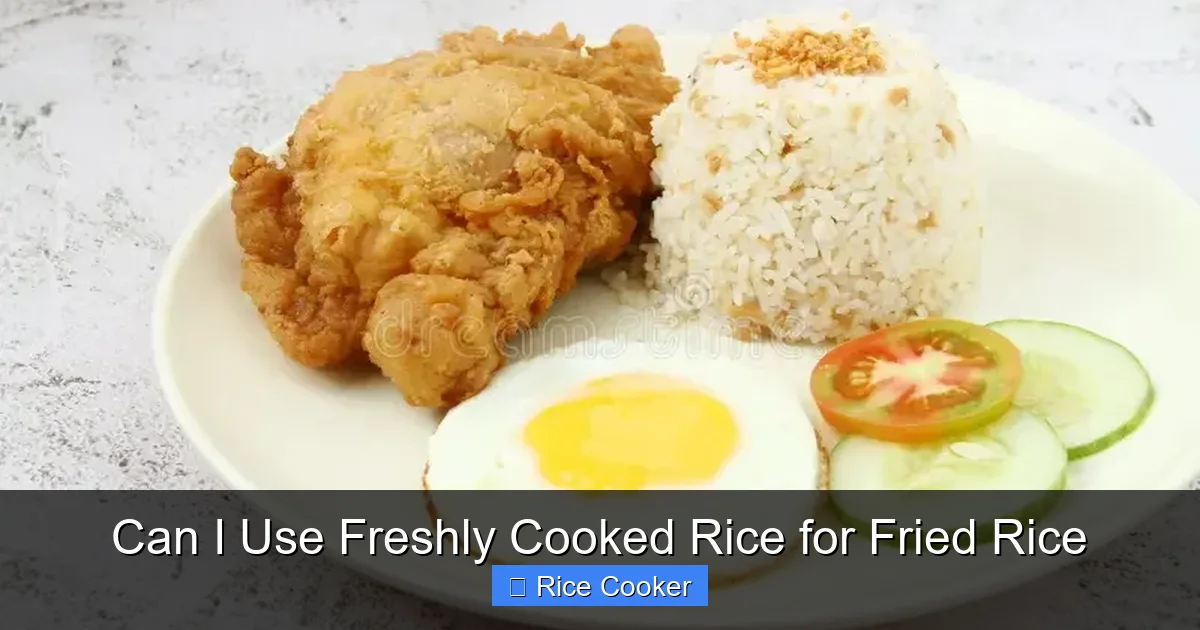
Can I use freshly cooked rice for fried rice? Absolutely—but only if it’s cooled first. Using hot or warm rice can turn your dish into a mushy mess instead of fluffy, flavorful bites. The key is letting rice sit until it’s room temperature or chilled, so each grain stays separate and absorbs sauce beautifully during stir-frying.
Have you ever stood at your kitchen counter, staring at a perfectly cooked pot of jasmine or basmati rice, wondering, “Can I use freshly cooked rice for fried rice?” You’re not alone. Many home cooks hesitate because they’ve heard conflicting advice—some say yes, others swear by leftovers from yesterday. The truth? Yes, you can use freshly cooked rice for fried rice—but there’s a crucial step you must follow before you reach for that spatula.
The secret lies in understanding how rice behaves under different temperatures. When rice is hot out of the rice cooker, its starch molecules are still active, clinging tightly together. If you try to fry it right away, the moisture turns into steam, creating a soggy, gluey mass that’s impossible to stir-fry evenly. But once that rice cools—whether within an hour or after a night in the fridge—it transforms into something much better: dry, separate grains ready to soak up flavors and crisp up beautifully in a hot wok or skillet.
In this guide, we’ll walk through everything you need to know about using freshly cooked rice for fried rice, including timing tips, technique secrets, flavor boosters, and common mistakes to avoid. Whether you’re a beginner or a seasoned cook looking to streamline your process, you’ll walk away with clear answers and practical strategies.
Key Takeaways
- Freshly cooked rice works best when cooled: Hot rice releases steam and sticks together, making stir-frying difficult. Letting it cool prevents clumping.
- Chilled overnight rice is ideal: Refrigerating rice for at least 30 minutes (or up to 2 days) gives it the right texture—firm enough to hold shape but not crumbly.
- Proper seasoning matters more than freshness: Soy sauce, sesame oil, garlic, and a splash of oyster sauce elevate even slightly stale rice into restaurant-quality fried rice.
- High heat and quick cooking are essential: Use a wok or non-stick pan on high heat, stirring constantly to avoid burning while achieving that smoky char.
- Don’t overcrowd the pan: Fry rice in small batches if needed to maintain temperature and prevent steaming instead of frying.
- Egg adds protein and fluffiness: Scrambled egg mixed into the rice creates pockets of richness and helps lift individual grains apart.
- Storage tips extend usability: Store cooled fried rice immediately in an airtight container; reheat with a splash of water or broth to revive moisture.
📑 Table of Contents
- Why Freshly Cooked Rice Isn’t Ideal Right Out of the Cooker
- The Science Behind Cooling Rice for Fried Rice Perfection
- How Long Should You Wait Before Making Fried Rice?
- Step-by-Step Guide: Making Fried Rice with Freshly Cooked Rice
- Flavor Hacks to Elevate Your Fried Rice
- Common Mistakes and How to Avoid Them
- Storage and Reheating Tips
Why Freshly Cooked Rice Isn’t Ideal Right Out of the Cooker
Let’s start with the hard truth: no, you shouldn’t grab your rice immediately after the rice cooker clicks off and toss it into the pan. Here’s why:
When rice is hot, it contains residual moisture trapped between grains. This steam becomes a problem during stir-frying because high heat causes rapid evaporation, but without proper airflow, the rice just gets steamed—not seared or caramelized. Instead of developing those coveted golden-brown edges and nutty aroma, your rice ends up wet, sticky, and unevenly heated. Think of it like trying to make toast with a damp towel—it won’t crisp up no matter how long you hold it over the flame.
Another issue? Texture. Hot rice has soft, gelatinous clumps that resist separation. Even if you manage to break them apart manually, they’ll likely reform as soon as you add oil and start tossing them around. That defeats the entire purpose of fried rice, which relies on individual grains dancing freely in the pan.
So what’s the solution? Patience. Give your freshly cooked rice time to cool down completely. This simple act changes the molecular structure of the starch, allowing the grains to firm up slightly while releasing excess moisture. Once cooled, they behave like aged rice—ideal for frying.
The Science Behind Cooling Rice for Fried Rice Perfection
Visual guide about Can I Use Freshly Cooked Rice for Fried Rice
Image source: thumbs.dreamstime.com
You might be thinking, “Why does cooling matter so much?” It comes down to amylose and amylopectin—the two main types of starch in rice. These molecules determine whether your rice will be sticky (like sushi or glutinous rice) or fluffy and independent (like jasmine or basmati).
During cooking, heat breaks down these starches, causing them to swell and release gelatinizing agents that bind grains together. In freshly cooked rice, this bonding is strongest. As the rice cools, however, amylose recrystallizes—essentially locking the grains into a firmer, less cohesive state. This means they won’t clump together when fried, yet they still absorb seasonings well.
Refrigeration accelerates this process further. Cold temperatures speed up the reformation of starch bonds, making rice even more resistant to sticking. That’s why overnight rice often yields superior results: it’s had time to fully stabilize.
Of course, you don’t need to wait overnight if you’re short on time. Just spread the hot rice on a baking sheet or shallow tray, let it cool for 20–30 minutes at room temperature (turning occasionally to promote even drying), then transfer it to the fridge for another 15–20 minutes. This hybrid approach gives you the best of both worlds—speed and texture.
How Long Should You Wait Before Making Fried Rice?
Timing is everything when it comes to transforming plain white rice into savory, aromatic fried rice. So, how long should you wait?
For best results, aim for rice that’s been cooled to room temperature (around 70°F / 21°C). This usually takes about 20–30 minutes for a standard pot of 4 cups cooked rice. During this window, the surface dries out slightly, and internal moisture redistributes, creating a balance that supports even frying.
If you’re planning ahead, refrigerating the rice for at least 30 minutes—and up to 2 days—is ideal. Chilled rice fries up faster because it’s already cold, so your pan stays hot longer. Plus, older rice tends to have a firmer bite, which holds its shape better during tossing.
Avoid using rice straight from the fridge unless you plan to microwave it briefly first. Cold rice can slow down cooking times and lead to uneven heating. A quick 30-second burst in the microwave helps bring it back to near-room temperature, ensuring consistent results.
Remember: the goal isn’t just to cool the rice—it’s to prepare it structurally for frying. Treat it like clay: too wet, and it squishes; too dry, and it cracks. Cooled rice strikes that perfect middle ground.
Step-by-Step Guide: Making Fried Rice with Freshly Cooked Rice
Now that you understand why timing matters, here’s how to turn your cooled rice into delicious fried rice:
Gather Your Ingredients
Start with basic pantry staples:
– 3–4 cups cooked, cooled rice (preferably day-old or freshly cooled)
– 2 tbsp vegetable oil or peanut oil (high smoke point preferred)
– 2 eggs (optional, but highly recommended)
– 3 green onions, chopped
– 2 cloves garlic, minced
– 1 tsp soy sauce (plus extra for seasoning)
– 1 tsp sesame oil (adds depth)
– Salt and white pepper to taste
– Optional: diced vegetables (carrots, peas, corn), cooked meat, shrimp, or tofu
Prep Like a Pro
Break apart any clumps gently with your fingers or a fork before adding to the pan. Don’t overdo it—you want loose grains, not pulverized paste.
Heat your wok or large skillet over medium-high to high heat. Add oil and swirl to coat. Once shimmering (but not smoking), add garlic and green onions. Stir for 10 seconds until fragrant—this builds flavor base fast.
If using eggs, push veggies aside slightly and crack eggs directly into the hot oil. Scramble quickly, then mix into the rice. This method infuses the rice with richness and helps separate grains as it cooks.
Add the rice, breaking up any stubborn clumps with the back of your spatula. Spread evenly across the pan. Let it sit undisturbed for 10–15 seconds to develop a light crust—this is where that signature fried rice texture forms.
Stir-fry constantly for 2–3 minutes, mashing and folding until grains are hot and lightly browned. Add soy sauce, sesame oil, salt, and pepper. Toss again.
Serve immediately while hot and fragrant. Top with extra green onions or a drizzle of chili oil if desired.
Flavor Hacks to Elevate Your Fried Rice
Even the freshest, properly cooled rice tastes bland without smart seasoning. Here’s how to level up your dish:
Soy Sauce Is Your Best Friend
Use dark soy sauce for color and depth, light soy sauce for saltiness. A good rule: start with 1 tbsp per 3 cups of rice, adjusting to taste. Remember, you can always add more—but never take it away.
Sesame Oil Adds Complexity
Never add sesame oil at the beginning of cooking—it burns easily. Instead, stir it in during the final minute. Just ½ tsp goes a long way.
Garlic and Ginger Make It Shine
Sauté aromatics early to build flavor foundation. Fresh ginger adds zing; dried powder works too but loses potency.
A Pinch of Sugar Balances Umami
Adding a tiny bit of sugar (¼ tsp) cuts through saltiness and enhances overall savoriness.
Oyster or Hoisin Sauce for Depth
These add body and richness. Start with ½ tsp oyster sauce per serving—mix well so it coats each grain.
Fresh Herbs Finish It Off
Cilantro, Thai basil, or scallions added at the end brighten the dish and cut through fat.
Common Mistakes and How to Avoid Them
Even experienced cooks slip up sometimes. Watch out for these pitfalls:
– Using too much oil: Fried rice shouldn’t be greasy. One tablespoon per 3 cups of rice is plenty.
– Overcooking the rice: Stir-frying takes only 2–4 minutes total. Longer = mushy.
– Neglecting heat control: Medium-high is ideal. Low heat steams instead of fries.
– Skipping acid: A squeeze of lime or vinegar at the end lifts the whole dish.
– Not tasting as you go: Adjust salt, sweetness, and umami throughout the process.
Storage and Reheating Tips
Leftover fried rice stores surprisingly well—if handled correctly. Always put it in an airtight container within two hours of cooking. Refrigerate for up to 5 days; freeze for up to 3 months.
To reheat, sprinkle a few drops of water or broth over the rice, cover with a lid or damp paper towel, and microwave in 30-second intervals until hot throughout. Alternatively, toss it in a hot pan with a splash of oil for 1–2 minutes.
Never microwave without moisture—it dries out the rice and reintroduces stickiness.
Frequently Asked Questions
Can I use rice from the day before for fried rice?
Absolutely! Day-old rice is actually preferred because it’s drier and less likely to clump. Make sure it’s stored properly in the fridge and warmed slightly before frying.
Does rice type matter for fried rice?
Long-grain varieties like jasmine, basmati, or even American long-grain work best because they stay separate when cooled. Short-grain or sushi rice tends to be too sticky.
What if my fried rice is still sticky?
It probably wasn’t cool enough or wasn’t stirred enough. Next time, spread hot rice thinly to cool faster, and don’t overcrowd the pan—fry in batches if needed.
Can I freeze freshly cooked rice for later use?
Yes! Cool it completely, portion it into freezer bags, and freeze for up to 2 months. Thaw overnight in the fridge before turning into fried rice.
Is it safe to eat rice that’s been left out overnight?
Generally no—rice left at room temperature for more than 2 hours can harbor bacteria like Bacillus cereus. Always refrigerate promptly.
Do I need a wok for fried rice?
No, but a wide, flat-bottomed skillet or non-stick pan mimics a wok’s heat distribution. The key is high heat and constant movement.