
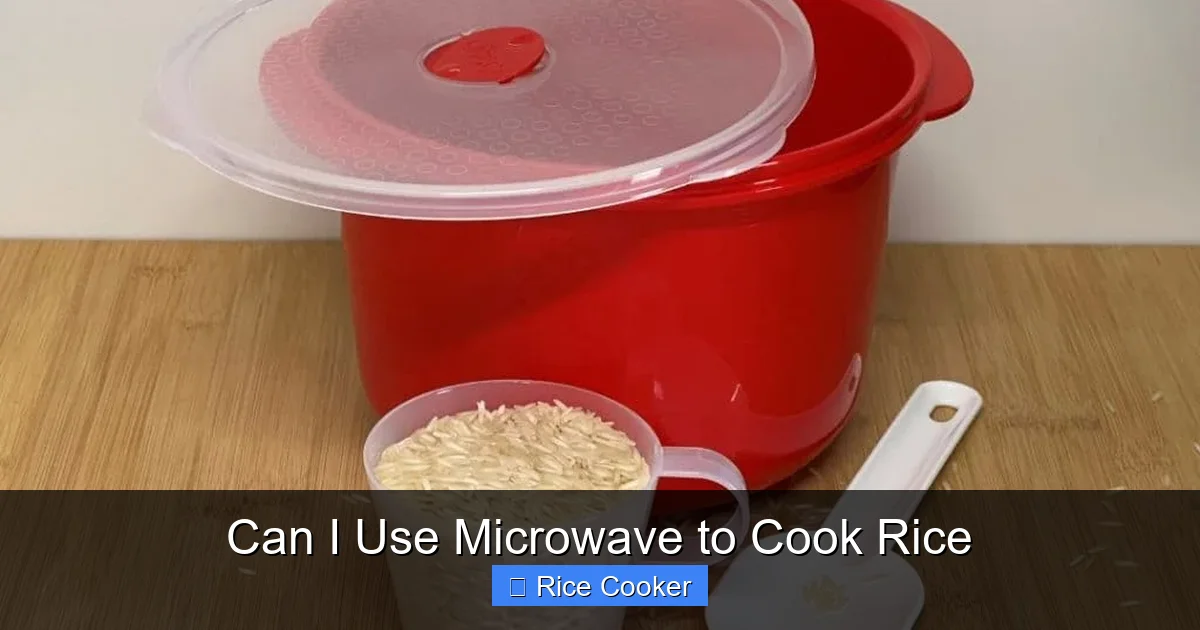
Can I use a microwave to cook rice? Absolutely! While traditional stovetop or rice cooker methods are popular, microwaving rice is a quick, convenient, and surprisingly effective way to prepare it—especially when you’re short on time or don’t have access to a stove. With the right technique, your microwave can produce fluffy, evenly cooked rice that rivals the results of dedicated appliances.
Key Takeaways
- Microwave cooking is possible: Yes, you can safely and effectively cook rice in a microwave using proper ratios and timing.
- Water-to-rice ratio matters: The standard 1:2 ratio (1 cup rice to 2 cups water) works well for most types of rice in the microwave.
- Covering prevents evaporation: Using a microwave-safe lid or vented plastic wrap helps retain steam and ensures even cooking.
- Resting time improves texture: Letting the rice sit after cooking allows moisture to distribute evenly, resulting in fluffier grains.
- Different rice types require adjustments: Basmati, jasmine, brown rice, and instant varieties each need slightly different settings for best results.
- Safety first: Always use microwave-safe containers and be cautious of superheated water.
- Cleanup is easier: Microwave cooking reduces mess compared to boiling on the stove, especially with minimal utensils.
📑 Table of Contents
- Can I Use Microwave to Cook Rice?
- The Science Behind Microwave Cooking
- Choosing the Right Rice for Microwave Cooking
- Essential Tools and Containers
- Step-by-Step Guide: How to Cook Rice in the Microwave
- Troubleshooting Common Microwave Rice Issues
- Advanced Tips for Perfect Microwave Rice
- Microwave Rice vs. Traditional Methods: Pros and Cons
- Safety Considerations When Cooking Rice in the Microwave
- Creative Ways to Use Microwave-Cooked Rice
- Environmental and Energy Efficiency Notes
- Conclusion: Embrace the Convenience
Can I Use Microwave to Cook Rice?
You’ve probably heard the question before—“Can I use a microwave to cook rice?”—and if you’re like most people, you might have hesitated. After all, rice is often associated with slow simmering, bubbling pots, and dedicated rice cookers. But here’s the truth: yes, you absolutely can cook rice in a microwave, and doing so doesn’t mean sacrificing quality or texture. In fact, for many home cooks, microwaving rice is not only faster but also more convenient, especially during busy weekdays or when you’re cooking for just one or two people.
Microwaves have evolved far beyond reheating leftovers. Modern microwaves offer precise power levels, timers, and turntables that make them capable of handling a wide range of cooking tasks—including whole-grain staples like rice. Whether you’re preparing plain white rice, fragrant basmati, or even leftover rice for fried dishes, the microwave can deliver consistent, tender results with minimal effort. And let’s be honest: who has time to stand over a pot for 45 minutes while the kitchen fills with steam?
In this comprehensive guide, we’ll walk you through everything you need to know about cooking rice in the microwave—from choosing the right type of rice and container to mastering timing and texture. You’ll discover pro tips, troubleshooting advice, and even recipes tailored for microwave use. By the end, you’ll never look at your microwave the same way again.
The Science Behind Microwave Cooking
Before diving into the how-to, it’s helpful to understand why microwaves work for cooking rice—and why they sometimes fail. Unlike stovetops, which transfer heat through conduction and convection, microwaves use electromagnetic waves to agitate water molecules inside food. This generates heat from within, cooking rice rapidly and efficiently.
Visual guide about Can I Use Microwave to Cook Rice
Image source: i.ytimg.com
How Microwaves Heat Food
When you place wet rice (with its surrounding water) in the microwave, the energy penetrates the grains and excites the water molecules. These vibrations create friction, which heats the rice uniformly. However, because microwaves don’t circulate heat like a stove burner, there’s a risk of uneven cooking—some spots may stay undercooked while others become mushy. That’s where technique comes in.
Why Rice Works in the Microwave
Rice contains starch and moisture, both of which absorb microwave energy well. When combined with the correct amount of water and covered properly, the steam builds up inside the container, softening the grains from the inside out. The result? Tender, separate kernels—just like on the stovetop.
Choosing the Right Rice for Microwave Cooking
Not all rices are created equal when it comes to microwave preparation. Some types respond better than others due to their grain structure, starch content, and cooking requirements. Here’s a breakdown of the most common varieties and how they perform in the microwave.
White Rice (Short, Medium, and Long Grain)
White rice—whether short, medium, or long grain—is the easiest to cook in the microwave. It has a high starch content, which helps bind the grains without becoming overly sticky. Long-grain white rice, such as American or Indian basmati, tends to stay fluffy and distinct after microwaving.
Tip: Rinse long-grain rice before cooking to remove excess starch and prevent clumping.
Brown Rice
Brown rice takes longer to cook due to its fibrous outer bran layer. While still possible in the microwave, it requires more water and longer cooking time. A 1:2.5 ratio (1 cup rice to 2.5 cups water) is recommended, and you may need to increase power levels slightly.
Pro Tip: Soak brown rice for 10–15 minutes beforehand to reduce cooking time and improve texture.
Instant Rice (e.g., Minute Rice)
Instant rice is pre-cooked and rehydrated—making it ideal for microwave use. Just add hot water, cover, and wait. No stirring required. This is perfect for quick meals or when you need backup during emergencies.
Jasmine and Basmati Rice
These aromatic varieties benefit from rinsing and soaking before microwaving. Their slender shape and low amylose content help them stay separate and fluffy. Use the same 1:2 ratio as white rice, but consider adding a pinch of salt or a drop of oil for enhanced flavor.
Essential Tools and Containers
To cook rice successfully in the microwave, you don’t need fancy equipment—but using the right tools makes all the difference. Avoid non-microwave-safe plastics or metal containers; instead, opt for these reliable options:
- Microwave-safe glass bowl: Durable, easy to clean, and provides even heating.
- Microwave-safe ceramic dish: Great for browning or finishing dishes post-cooking.
- Porcelain rice cooker (small): Designed specifically for rice—many come with lids that fit snugly.
- Vented plastic wrap or microwaveable lid: Allows steam to escape slightly while retaining moisture.
A word of caution: never use sealed plastic containers unless they’re labeled “microwave-safe” and designed for high-pressure steam. Popping lids can be dangerous.
Step-by-Step Guide: How to Cook Rice in the Microwave
Ready to try it yourself? Follow this simple, foolproof method for perfectly cooked microwave rice every time.
Gather Your Ingredients and Tools
For 1 cup of uncooked rice, you’ll need:
- 1 cup rice (white preferred)
- 2 cups water
- Pinch of salt (optional)
- 1 teaspoon oil or butter (optional, for richness)
- Microwave-safe container with a lid
Step 1: Rinse the Rice (If Needed)
Place rice in a fine-mesh strainer and rinse under cold water until the water runs clear. This removes surface starch and prevents gummy rice. Skip this step for instant rice.
Step 2: Combine Rice and Water
Add rinsed rice, water, salt, and oil (if using) to your microwave-safe bowl. Stir gently once.
Step 3: Cover the Bowl
Secure the lid tightly or cover with vented plastic wrap. Poke small holes in the wrap if needed to release excess steam.
Step 4: Microwave on High
Cook on high power for 8–10 minutes. For brown rice, extend to 15–18 minutes. Stop halfway to stir gently (use oven mitts!) to redistribute heat.
Step 5: Let It Rest
Carefully remove the bowl (it will be hot!). Let the rice stand uncovered for 3–5 minutes. This allows residual steam to finish cooking the rice evenly.
Step 6: Fluff and Serve
Use a fork to fluff the rice. Check for doneness—grains should be tender but not mushy. Add more water by tablespoon increments if needed.
Troubleshooting Common Microwave Rice Issues
Even with the best technique, things can go wrong. Here’s how to fix the most common problems.
Rice Is Too Wet or Mushy
This usually happens when too much water is used or cooking time is excessive. For future batches, reduce water slightly or cut microwave time by 1–2 minutes. Always check doneness halfway through.
Rice Is Dry or Undercooked
If the center feels hard, add 1–2 tablespoons of hot water, cover, and microwave for 2 more minutes. Let it rest again before checking.
Grains Are Sticky or Clumped
Over-stirring or insufficient rinsing causes stickiness. Always rinse long-grain rice and avoid vigorous mixing after cooking. Adding a splash of oil during cooking can also help.
Uneven Texture
Rotate the bowl midway through cooking or stir gently halfway. Uneven heating is common in older microwaves without turntables.
Advanced Tips for Perfect Microwave Rice
Want to level up your microwave rice game? Try these expert tricks.
Use a Double Boiler Method
Place your rice bowl inside a larger microwave-safe dish filled with 1 inch of water. This creates indirect heat, reducing the risk of burning and improving consistency.
Add Flavor Infusions
Cook rice with bay leaves, garlic cloves, or a sprig of thyme for aromatic depth. Remove solids before serving.
Make Leftover Rice Fluffy Again
Reheat leftover rice by adding a splash of water and covering it in the microwave for 1–2 minutes. Steam revives texture instantly.
Cook Large Batches Efficiently
For multiple servings, double the recipe but increase cooking time by only 30–60 seconds. Don’t overcrowd the bowl—leave space for steam circulation.
Microwave Rice vs. Traditional Methods: Pros and Cons
So how does microwave rice stack up against stovetop or electric rice cookers?
| Method | Speed | Convenience | Texture Control | Best For |
|---|---|---|---|---|
| Microwave | Fastest (5–15 min) | High (minimal cleanup) | Moderate (requires attention) | Small portions, single servings |
| Stovetop | Slowest (20–45 min) | Low (needs monitoring) | High (full control) | Large batches, complex recipes |
| Electric Rice Cooker | Medium (15–30 min) | Very High (set and forget) | Excellent (consistent results) | Daily use, meal prep |
While rice cookers offer unmatched consistency and convenience, microwaves shine when speed and simplicity matter most. They’re ideal for dorm rooms, offices, or anyone who values quick, no-fuss meals.
Safety Considerations When Cooking Rice in the Microwave
Cooking rice in the microwave is safe—as long as you follow basic precautions.
- Never use metal or foil: These reflect microwaves and can cause sparks.
- Be cautious of superheating: Water heated in the microwave can exceed 100°C without boiling, leading to sudden eruptions when disturbed. Stir before opening.
- Use oven mitts:** Bowls get extremely hot during and after microwaving.
- Ventilate properly:** Ensure steam can escape to avoid pressure buildup.
- Clean your microwave regularly:** Starchy residues can catch fire or affect future cooking.
Creative Ways to Use Microwave-Cooked Rice
Plain rice is great—but what if you want something more exciting? Microwave rice opens the door to quick, delicious meals.
Fried Rice (No Pan Needed)
Mix cooked rice with scrambled eggs, peas, carrots, soy sauce, and green onions in a microwave-safe bowl. Cover and heat for 2–3 minutes, stirring halfway. Done in under 10 minutes!
Rice Pudding
Combine cooked rice, milk, sugar, cinnamon, and raisins in a bowl. Microwave in 1-minute intervals, stirring each time, until thickened. Chill before serving.
Stuffed Bell Peppers
Fill halved bell peppers with a mix of cooked rice, ground meat, tomatoes, and spices. Cover and microwave for 8–10 minutes until peppers are tender.
Vegetable Rice Bowls
Layer rice with roasted veggies, beans, and tahini dressing. Microwave for 2 minutes to warm through. Top with nuts or seeds.
Environmental and Energy Efficiency Notes
Microwaves are generally more energy-efficient than stovetops for cooking rice. Because they heat food directly (not the air or container), less energy is wasted. Plus, shorter cooking times mean lower electricity use—especially beneficial during peak hours or in eco-conscious households.
However, large-scale rice cooking still favors rice cookers or stovetops due to capacity and consistency. For everyday single-serving needs, the microwave is an excellent choice.
Conclusion: Embrace the Convenience
So, can you use a microwave to cook rice? The answer is a resounding yes—and now you know exactly how to do it right. From selecting the best rice type to mastering timing and safety, microwave cooking offers a flexible, fast, and surprisingly reliable alternative to traditional methods. Whether you’re cooking for one, prepping for meal prep, or simply tired of standing over a pot, the microwave is your new best friend in the kitchen.
Don’t underestimate the power of your microwave. With a little practice, you’ll be whipping up fluffy, flavorful rice in minutes—without sacrificing taste or texture. Next time you reach for the rice cooker, consider giving your microwave a try. You might just discover your new favorite way to cook rice.
Frequently Asked Questions
Is it safe to cook rice in the microwave?
Yes, it’s completely safe when done correctly. Use microwave-safe containers, follow proper water ratios, and avoid superheating. Always cover to retain steam and ensure even cooking.
What’s the best rice-to-water ratio for microwave cooking?
The standard ratio is 1 cup rice to 2 cups water for white rice. Brown rice needs more water (1:2.5), while instant rice only requires hot water with no additional liquid.
Do I need to soak rice before microwaving?
Not always, but soaking helps reduce cooking time and improves texture—especially for brown rice or long-grain varieties like basmati or jasmine. Soak for 10–15 minutes before cooking.
Can I cook rice in a Pyrex bowl in the microwave?
Yes, if it’s labeled microwave-safe. Glass containers like Pyrex are ideal because they distribute heat evenly and are easy to clean. Just ensure the lid fits securely or use vented plastic wrap.
Why is my microwave rice sticky?
Sticky rice usually results from overcooking, too much water, or insufficient rinsing. Rinse long-grain rice thoroughly and check doneness halfway through cooking. Add a teaspoon of oil to help separate grains.
How do I reheat leftover rice in the microwave?
Add a splash of water to the rice, cover it, and microwave in 30-second intervals, stirring between each. This reintroduces moisture and restores fluffiness without drying out the grains.