
Can I use stock in a rice cooker? Absolutely! Using chicken, beef, or vegetable stock instead of water adds incredible flavor and moisture to your rice. It’s a simple swap that turns plain grains into a delicious, savory dish perfect as a side or base for meals.
Key Takeaways
- Flavor Boost: Replacing water with stock gives your rice a rich, savory taste that enhances every bite.
- Nutritional Upgrade: Broth contains vitamins and minerals from bones or vegetables, making your meal more nutritious.
- Versatile Cooking: Use any type of stock—chicken, beef, mushroom, or even seafood—depending on your recipe needs.
- Easy Preparation: Just measure the stock the same way you would water—one part liquid per one part rice.
- Rice Cooker Compatibility: Most modern rice cookers handle liquid swaps without issue, but always check your model’s manual.
- Best Rice Types: Long-grain white rice, jasmine, and basmati work best when cooked with stock for balanced texture and flavor.
- Safety Tips: Avoid using expired or low-quality stock to prevent off-flavors or food safety risks.
📑 Table of Contents
- Can I Use Stock in a Rice Cooker? The Simple Answer and Why It Works
- Why Use Stock Instead of Water in Your Rice Cooker?
- Which Type of Rice Works Best With Stock?
- How Much Stock Should You Use?
- Types of Stock You Can Use
- Step-by-Step Guide: How to Cook Rice in Stock
- Creative Ways to Use Stock-Cooked Rice
- Is It Safe to Cook Rice in Stock?
- Comparing Stock vs. Water in Rice Cookers
- Final Thoughts: Make Every Grain Count
Can I Use Stock in a Rice Cooker? The Simple Answer and Why It Works
Have you ever looked at a pot of plain white rice and thought, “This could be so much better”? You’re not alone. Plain rice is fine, sure—but it’s also kind of… boring. That’s where stock comes in. Instead of cooking your rice in plain water, what if you could infuse it with deep, savory flavors from a rich chicken or beef broth? Sounds too good to be true, right? Well, guess what—you absolutely can use stock in a rice cooker, and doing so can transform an ordinary grain into something extraordinary.
Using stock in your rice cooker isn’t just a clever trick—it’s a game-changer. Whether you’re meal prepping, feeding a hungry family, or just want dinner to taste like it came from a five-star restaurant (without the price tag), this simple swap makes all the difference. In this article, we’ll walk through everything you need to know about using stock in a rice cooker, from why it works to how to do it perfectly every time.
Why Use Stock Instead of Water in Your Rice Cooker?
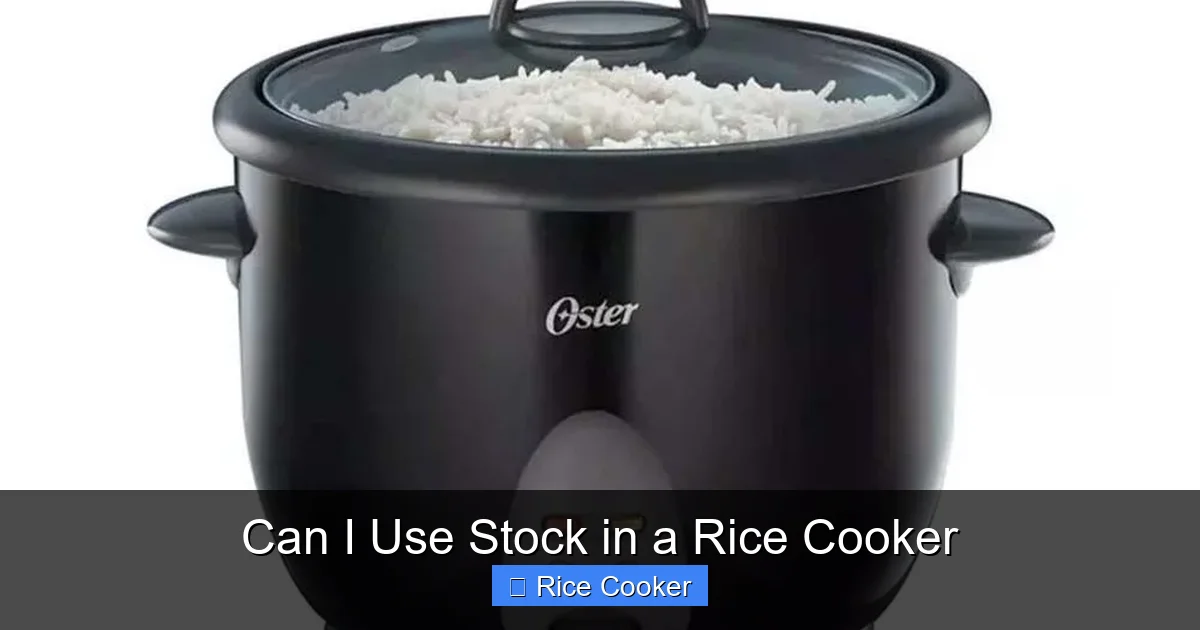
Visual guide about Can I Use Stock in a Rice Cooker
Image source: nanshe.sr
Let’s start with the basics: water is neutral. It doesn’t add flavor, color, or aroma. But stock? That’s different. Stock is packed with flavor—whether it’s made from simmering bones, roasted vegetables, or herbs. When you cook rice in stock, those flavors slowly infuse into the grains during the steaming process. The result? A bowl of rice that tastes like it’s part of a soup or stew, even if it’s served on its own.
But flavor isn’t the only benefit. Stock also contains collagen, gelatin, and other nutrients released during long simmering times. These compounds can boost the nutritional value of your rice, adding protein, calcium, and other minerals. Plus, because stock is slightly salty and savory, you may find yourself needing less added seasoning later—helping you control sodium intake.
Another advantage? Moisture retention. Stock keeps the rice tender and fluffy longer than plain water, reducing the chance of overcooked or dry grains. This is especially helpful if you’re cooking rice ahead of time or reheating it later.
The Science Behind Flavor Infusion
When rice absorbs liquid, it soaks up not just moisture but dissolved compounds from that liquid. Stock is full of these—minerals, amino acids, and fats—that migrate into the starchy core of each grain. As the rice cooker heats the mixture, steam circulates, helping distribute flavor evenly. This is why rice cooked in stock often has a deeper, more complex taste than rice boiled in plain water.
Which Type of Rice Works Best With Stock?
Not all rice types are created equal—especially when it comes to absorbing flavor. While you *can* technically use stock with any rice, some varieties respond better than others:
– Long-grain white rice: This is the most common choice. It stays separate and fluffy, soaking up stock beautifully without becoming mushy.
– Jasmine rice: Fragrant and slightly sticky, jasmine rice pairs wonderfully with aromatic stocks like chicken or coconut milk-based broths.
– Basmati rice: Light and delicate, basmati benefits from mild, clean-tasting stocks such as vegetable or chicken.
– Carnaroli or Arborio: These short-grain rices are better suited for risottos, where they’re stirred constantly—so using them in a rice cooker isn’t ideal unless you’re adapting a risotto method.
For everyday use, stick with long-grain or jasmine rice. They’re forgiving, widely available, and deliver consistent results when cooked with stock.
Pro Tip: Rinse Before Cooking
Always rinse your rice before cooking—even when using stock. Rinsing removes excess starch, which prevents clumping and ensures each grain remains separate and light. Simply place rice in a fine-mesh sieve and run it under cool water until the water runs clear.
How Much Stock Should You Use?
The golden rule? Use the same amount of stock as you would water. For most rice cookers, that means:
– 1 cup (240 ml) stock per 1 cup (185 g) uncooked rice
Some people reduce stock by 25% and replace it with water to avoid overly strong flavors, but this isn’t necessary unless you’re sensitive to saltiness. If your stock is homemade and extra rich, consider diluting it slightly. Conversely, store-bought stocks vary in salt content—always taste yours before adding it to rice.
Adjusting for Different Rice Cooker Models
Most standard electric rice cookers follow the 1:1 ratio. However, high-end models with fuzzy logic or pressure-cooking functions might behave differently. Always consult your user manual if you’re unsure. Some advanced cookers even have a “soup” or “broth” setting—though these are rare, it’s worth checking.
Types of Stock You Can Use
You’re not limited to just one kind of stock. Here are popular options and their uses:
– Chicken stock: Mild, versatile, and perfect for most dishes. Great for Asian-inspired meals or creamy casseroles.
– Beef stock: Robust and deeply savory. Ideal for hearty grain bowls or pairing with red meats.
– Vegetable stock: Light and aromatic. Excellent for vegetarian or vegan recipes.
– Mushroom stock: Umami-rich and earthy. Pairs beautifully with wild rice or pilafs.
– Seafood or fish stock: Delicate and briny. Best used sparingly, as strong fish flavors can overwhelm subtle rice.
You can even mix stocks! Try half chicken and half vegetable for balanced flavor.
Homemade vs. Store-Bought Stock
Homemade stock gives you control over ingredients and salt levels. Save bones, veggie scraps, and herb stems in the freezer until you have enough to boil into fresh stock. Store-bought options are convenient but often contain additives or excess sodium. Look for low-sodium versions if you’re watching your salt intake.
Step-by-Step Guide: How to Cook Rice in Stock
Ready to try it yourself? Follow these easy steps:
1. **Measure your rice** and rinse it thoroughly.
2. **Add rice to the inner pot** of your rice cooker.
3. **Pour in the stock**—same volume as water.
4. **Close the lid** and press the “Cook” button (or select the appropriate setting).
5. **Wait patiently**—don’t peek! Let the machine do its job.
6. **Fluff with a fork** once done, and serve immediately.
No stirring required—just set it and forget it!
Common Mistakes to Avoid
– **Using cold stock**: Warm it slightly before adding to speed up absorption.
– **Over-seasoning the stock**: Remember, rice will absorb salt. Start mild and adjust after cooking.
– **Skipping rinsing**: Even with stock, leftover starch affects texture.
– **Using expired stock**: Mold or spoilage can ruin both taste and safety.
Creative Ways to Use Stock-Cooked Rice
Plain rice is great. But stock-infused rice opens up a world of possibilities:
– **Sushi rice**: Swap water for seasoned sushi broth (dashi-based) for extra umami.
– **Pilafs**: Sauté onions and garlic in the rice cooker with oil first, then add stock.
– **Grain bowls**: Cook rice in vegetable stock and top with roasted veggies, grilled chicken, and tahini dressing.
– **Rice pudding**: Use warm almond or coconut milk-based stock for a dessert twist.
– **Stuffed peppers or tomatoes**: Fill them with rice cooked in tomato-based stock.
Even leftovers become amazing fried rice when tossed with soy sauce, eggs, and veggies.
Storage and Reheating Tips
Store leftover stock-cooked rice in an airtight container in the fridge for up to 5 days. Reheat gently on the stove with a splash of water or broth to restore moisture. Avoid microwaving straight from cold—add a bit of liquid first.
Is It Safe to Cook Rice in Stock?
Yes—as long as the stock is safe to eat. Always use fresh, properly stored stock. If using homemade stock, ensure it’s been refrigerated or frozen promptly and used within 3–4 days. Never leave cooked rice sitting at room temperature for more than 2 hours.
Also, note that certain stocks—like raw egg-based broths or improperly handled meat stocks—can pose food safety risks. Stick to well-made, pasteurized store brands or properly prepared homemade versions.
Special Dietary Considerations
– **Gluten-free**: Use certified gluten-free stock.
– **Low-sodium**: Choose low-sodium stock and skip added salt.
– **Vegan**: Opt for vegetable or mushroom stock.
– **Keto-friendly**: Be cautious—some stocks contain added sugars or starches.
Comparing Stock vs. Water in Rice Cookers
| Feature | Water | Stock |
|———————–|—————————|————————————|
| Flavor | Neutral | Rich, savory, aromatic |
| Nutrition | Minimal | Adds minerals, collagen, etc. |
| Texture | Standard | Often fluffier, moister |
| Salt Content | None | Varies (adjust accordingly) |
| Best For | Plain side dishes | Enhanced meals, global cuisines |
Stock clearly wins when you want depth and complexity. Water is fine for basic needs, but why choose boring when you can have bold?
Do All Rice Cookers Handle Stock?
Most modern rice cookers—including basic white-rice models—handle stock without problems. Older or cheaper units might struggle with viscosity changes, but this is rare. If your cooker has a “porridge” or “slow cook” function, it’s likely designed for liquids beyond water.
Still, always test a small batch first if you’re unsure. Over time, you’ll learn how your specific machine responds.
Final Thoughts: Make Every Grain Count
Using stock in your rice cooker is one of those simple kitchen hacks that feels fancy but takes almost no effort. It’s accessible, affordable, and instantly elevates your meals. Whether you’re cooking for one or ten, this technique saves time and adds wow factor without extra cost.
Next time you reach for water, pause—and grab a carton of stock instead. Your taste buds (and your dinner guests) will thank you. And who knows? You might discover a new favorite flavor combination along the way.
Remember: great meals don’t have to be complicated. Sometimes, it’s just about swapping out one ingredient for a better one. Stock in a rice cooker? Totally possible. Totally delicious. Totally worth trying.
Frequently Asked Questions
Can I use any type of stock in my rice cooker?
Yes, you can use chicken, beef, vegetable, mushroom, or even seafood stock. Just make sure it’s fresh and flavorful. Adjust salt levels based on the stock’s strength.
Will cooking rice in stock make it too salty?
It depends on the stock. Homemade or low-sodium stocks give you more control. Taste a small amount before cooking, and reduce stock quantity if needed.
Do I need to adjust cooking time when using stock?
Generally, no. Most rice cookers automatically adjust timing based on liquid volume. Stick to the standard 1:1 ratio and let the machine handle the rest.
Can I mix water and stock together?
Absolutely! Many chefs recommend a 50/50 blend to balance flavor and prevent overwhelming saltiness. This works well for families or picky eaters.
Is it okay to reuse leftover stock from soup?
Yes, but only if the soup was cooled quickly and stored properly. Discard any broth that’s been sitting out for over 2 hours or shows signs of spoilage.
What if my rice cooker doesn’t have a specific broth setting?
You don’t need one! Standard “white rice” settings work perfectly with stock. Just measure carefully and proceed as usual.