
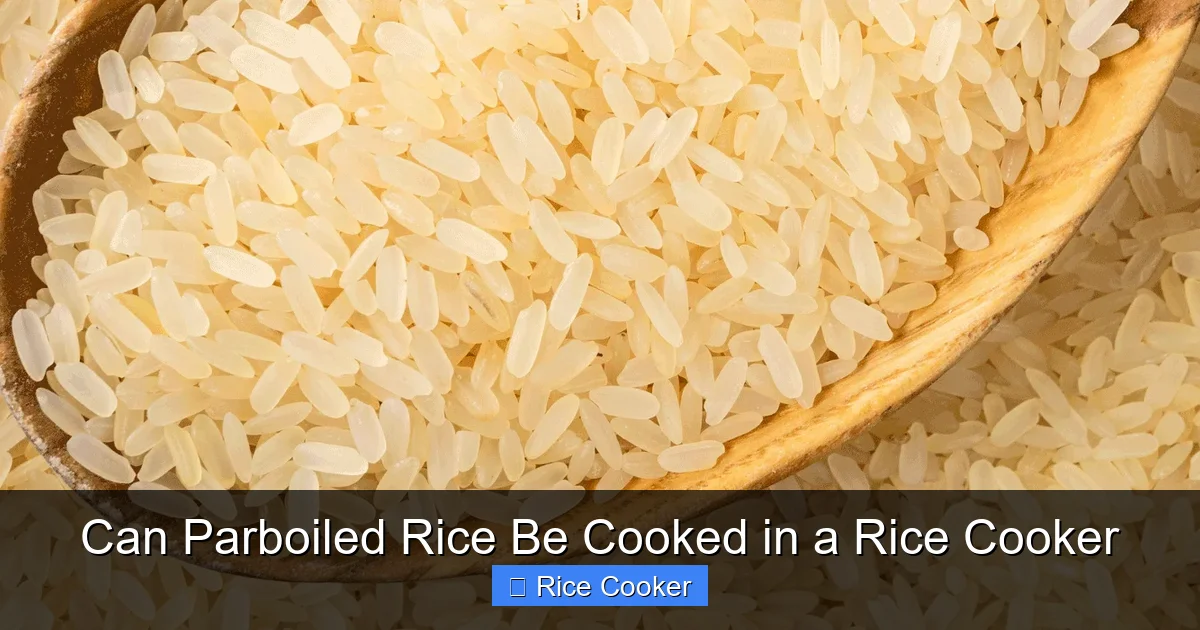
Parboiled rice is not only compatible with rice cookers but often turns out better than on the stovetop. Its pre-treated grains absorb moisture evenly and resist overcooking, making it ideal for consistent results. With the right water ratio and timing, your rice cooker can deliver perfectly cooked, slightly chewy, yet tender parboiled rice—ready to serve as a side dish or base for meals.
Key Takeaways
- Yes, parboiled rice works perfectly in most rice cookers. Unlike raw rice, parboiled rice has been partially boiled in its husk, which changes its structure and makes it more resistant to overcooking—ideal for automated cooking devices.
- Use the standard white rice setting for best results. Most rice cookers have a dedicated setting for parboiled rice, but if yours doesn’t, the white rice mode usually delivers excellent outcomes due to similar moisture requirements.
- Water ratio is key—start with 1:2 (rice to water). Parboiled rice absorbs slightly less water than long-grain varieties, so reducing the liquid by about 10% compared to regular white rice helps prevent mushiness.
- Rinse the rice before cooking to remove excess starch. This prevents clumping and ensures each grain stays separate and fluffy after cooking.
- Let the rice rest after cooking for 5–10 minutes. This allows steam to distribute evenly, making fluffier rice and improving texture.
- Experiment with seasonings and additions. Add salt, butter, or broth to enhance flavor without altering cooking time significantly.
📑 Table of Contents
- Can Parboiled Rice Be Cooked in a Rice Cooker?
- What Is Parboiled Rice and Why Use It?
- How to Cook Parboiled Rice in a Rice Cooker: Step-by-Step Guide
- Troubleshooting Common Issues When Cooking Parboiled Rice
- Best Rice Cooker Settings for Parboiled Rice
- Tips for Perfect Parboiled Rice Every Time
- Frequently Asked Questions
- Conclusion
Can Parboiled Rice Be Cooked in a Rice Cooker?
If you’re someone who loves the convenience of a rice cooker but enjoys experimenting with different rice types, you might be wondering: Can parboiled rice be cooked in a rice cooker? The short answer? Absolutely! In fact, many home cooks find that using a rice cooker for parboiled rice yields consistently better results than traditional stovetop methods.
Parboiled rice—also known as converted rice—is unique because it undergoes a special processing method where the rice kernels are soaked, steamed, and dried while still in their husks. This alters the grain’s structure, concentrating nutrients and giving it a firmer, chewier texture. Because of these changes, it behaves differently during cooking. But don’t worry—modern rice cookers are designed to handle a variety of rice types, including parboiled. Whether you’re using an electric rice cooker with multiple settings or a basic one-pot model, you can achieve delicious, well-cooked parboiled rice every time.
In this comprehensive guide, we’ll walk you through everything you need to know about cooking parboiled rice in a rice cooker. From understanding what makes parboiled rice special to mastering the perfect water ratio and timing, we’ve got you covered. You’ll also learn helpful tips for enhancing flavor, troubleshooting common issues, and even pairing ideas for your next meal. Let’s dive in!
What Is Parboiled Rice and Why Use It?
Before we get into the nitty-gritty of cooking, let’s talk about what makes parboiled rice different from regular white rice. Unlike brown or basmati rice, parboiled rice goes through a partial gelatinization process during production. This means the starches inside the grain are partially broken down before milling, which affects how the rice cooks and feels in your mouth.
The Science Behind Parboiled Processing
The parboiling process involves three main steps:
1. Soaking: Raw paddy rice (still in its husk) is submerged in water.
2. Steaming: The soaked rice is heated under pressure, allowing moisture and nutrients to penetrate the grain.
3. Drying: After steaming, the rice is dried before milling to remove the husk.
This process locks in vitamins and minerals that would otherwise be lost during polishing, making parboiled rice a healthier choice. It also gives the grain a firmer bite and reduces the risk of overcooking.
Benefits of Using Parboiled Rice
There are several reasons why parboiled rice has gained popularity among health-conscious and budget-minded cooks:
– Nutrient retention: Because the nutrients are concentrated in the outer layers, parboiled rice retains more B vitamins and fiber than regular white rice.
– Less stickiness: The altered starch structure means parboiled rice tends to stay separate, even when overcooked.
– Longer shelf life: The processing reduces moisture content, making it less prone to spoilage.
– Flavor absorption: Its denser texture allows it to soak up sauces, spices, and broths beautifully.
Now that you understand why parboiled rice is worth trying, let’s explore how to cook it perfectly in your rice cooker.
How to Cook Parboiled Rice in a Rice Cooker: Step-by-Step Guide
Cooking parboiled rice in a rice cooker is simpler than you might think. With just a few adjustments to your usual routine, you can enjoy restaurant-quality results at home. Follow these steps for foolproof success:
Step 1: Measure and Rinse the Rice
Start by measuring out your desired amount of parboiled rice. A standard serving is about ½ cup uncooked rice per person. Place the rice in a fine-mesh strainer and rinse it under cool running water for 30–60 seconds. Gently swirl the rice with your fingers to remove excess surface starch. Rinsing prevents the rice from becoming gummy and helps achieve a lighter texture.
Step 2: Add Water in the Right Ratio
One of the biggest advantages of parboiled rice is that it requires less water than regular white rice. For most rice cookers, use a ratio of **1 part rice to 2 parts water**. If you’re using a high-end model with temperature control, you might reduce it slightly to 1:1.9 for even fluffier results. Always check your rice cooker’s manual—some models recommend specific ratios for parboiled varieties.
Step 3: Add Flavor Enhancements (Optional)
Want to take your rice to the next level? Consider adding:
– A pinch of salt
– 1 teaspoon of butter or oil
– ¼ teaspoon of garlic powder or onion powder
– ½ cup of chicken or vegetable broth instead of water
These small touches won’t affect cooking time but will deepen the flavor profile.
Step 4: Insert the Inner Pot and Start Cooking
Place the rinsed rice and water (and any seasonings) into the inner pot of your rice cooker. Make sure there’s no debris left in the pot before closing the lid. Select the “White Rice” or “Converted Rice” setting if available. If your machine only has “Basic” or “Auto,” that’s fine too—just avoid the “Quick Cook” or “Porridge” modes.
Press start and wait. Most rice cookers take between 20–35 minutes to complete the cycle for parboiled rice.
Step 5: Let It Rest
Once the rice cooker switches to “Keep Warm,” do NOT open the lid immediately. Let the rice sit for 5–10 minutes. This resting period allows residual steam to finish cooking the rice evenly and makes it easier to fluff with a fork.
Step 6: Fluff and Serve
After resting, gently fluff the rice with a fork or rice paddle. Avoid stirring aggressively—this can break apart the grains. Serve immediately while warm.
Troubleshooting Common Issues When Cooking Parboiled Rice
Even with the best intentions, things can go wrong. Here’s how to fix some common problems:
Problem: Rice Is Too Dry or Crunchy
This usually happens when there’s not enough water. Try increasing the water ratio to 1:2.5 for future batches. Also, ensure your rice cooker seals properly—if steam escapes, the rice won’t absorb enough moisture.
Problem: Rice Is Mushy or Sticky
Overcooking or too much liquid causes mushiness. Reduce water by 10%, and avoid lifting the lid during cooking. If using broth instead of water, note that it adds extra moisture.
Problem: Unevenly Cooked Grains
Older rice or low-quality brands may not cook uniformly. Store rice in an airtight container in a cool, dry place. Also, pre-rinsing helps distribute heat more evenly.
Problem: Burnt Bottom Layer
This occurs if the bottom layer isn’t shielded from direct contact. Try adding a thin layer of water or broth at the bottom before adding rice, or use a trivet if your model allows it.
By paying attention to these details, you’ll minimize errors and maximize satisfaction with every batch.
Best Rice Cooker Settings for Parboiled Rice
Not all rice cookers are created equal. Some come with presets specifically for parboiled or converted rice, while others rely on general settings. Here’s how to choose the right mode:
White Rice Setting
Most rice cookers label this as “White Rice” or “Standard.” Since parboiled rice behaves similarly in terms of hydration needs, this setting works excellently. It typically heats water to boiling, then switches to simmering—perfect for parboiled grains.
Converted or Parboiled Mode (If Available)
Some premium models (like Zojirushi or Panasonic) include a dedicated setting for parboiled rice. These often use a slower heating curve to prevent scorching. If your machine has this option, use it!
Basic/Auto Mode
For older or simpler rice cookers, the default “Auto” mode is sufficient. Just remember to adjust water levels accordingly.
Avoid These Settings
– Quick Cook: Too fast for parboiled rice; leads to undercooking.
– Porridge/Soup: Designed for thicker textures; not suitable here.
– Brown Rice: Uses longer cook times and more water—not ideal unless adjusted manually.
Always consult your user manual for model-specific guidance.
Tips for Perfect Parboiled Rice Every Time
Want to become a parboiled rice pro? Try these expert tips:
1. Use Fresh, High-Quality Rice
Old or improperly stored rice loses moisture and becomes harder to cook evenly. Buy from reputable brands and store in an airtight container away from light and heat.
2. Don’t Skip the Resting Phase
Resist the urge to dig in right after cooking. The 5–10 minute rest ensures even moisture distribution and fluffier grains.
3. Experiment with Cooking Times
If your first attempt isn’t perfect, keep notes! Track water ratios, cooking durations, and results. Over time, you’ll develop a personalized recipe.
4. Clean Your Rice Cooker Regularly
Mineral buildup from hard water can affect performance. Wipe the inner pot and rim after each use, and descale monthly if needed.
5. Pair Wisely
Parboiled rice stands up well to bold flavors. Serve it with grilled chicken, curry, stir-fries, or hearty stews. Its firm texture holds up beautifully under sauces.
Frequently Asked Questions
Can I substitute parboiled rice for regular white rice in recipes?
Yes, but adjust water ratios slightly. Parboiled rice absorbs less liquid, so reduce water by 10–15% when substituting in casseroles or pilafs.
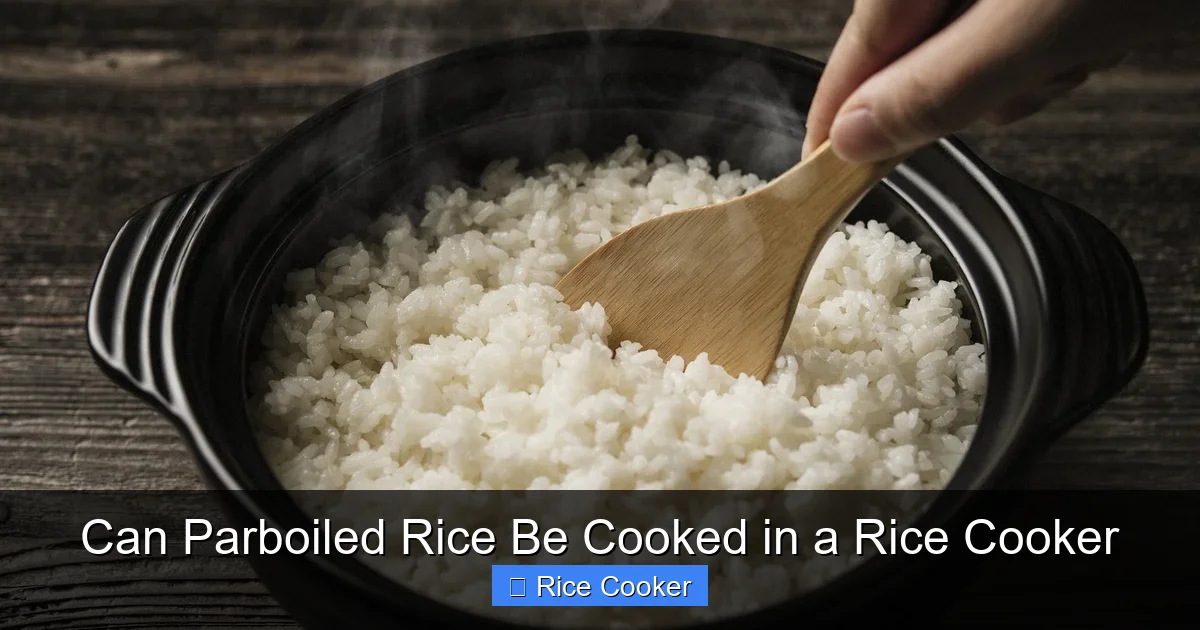
Visual guide about Can Parboiled Rice Be Cooked in a Rice Cooker
Image source: storables.com
Does parboiled rice cook faster or slower than regular rice?
It cooks slightly faster due to pre-steaming, but the difference is minimal. Expect a 5–10 minute reduction compared to raw white rice.
Is parboiled rice healthier than brown rice?
Both offer nutritional benefits. Parboiled retains more B vitamins, while brown rice has more fiber. Choose based on your dietary goals.
Can I cook parboiled rice in a slow cooker?
Yes, but it requires longer cooking times (2–3 hours on low) and careful monitoring to avoid drying out.
Do I need to soak parboiled rice before cooking?
No soaking is necessary. Rinsing is sufficient to remove excess starch.
Can I freeze leftover cooked parboiled rice?
Absolutely. Cool completely, portion into containers, and freeze for up to 3 months. Reheat with a splash of water to restore moisture.
Conclusion
Cooking parboiled rice in a rice cooker is not only possible—it’s one of the easiest and most reliable ways to prepare this nutritious staple. Thanks to its unique processing, parboiled rice offers a satisfying chew, reduced stickiness, and better nutrient retention than regular white rice. With the right water ratio, proper rinsing, and a little patience during the resting phase, your rice cooker can produce consistently excellent results.
Whether you’re feeding a family, meal-prepping for the week, or simply craving a comforting side dish, parboiled rice delivers. And now that you know how to master it, there’s no going back. So go ahead—grab that bag of parboiled rice, fire up your trusty rice cooker, and enjoy perfectly cooked grains every single time.
Happy cooking!
Frequently Asked Questions
What is can parboiled rice be cooked in a rice cooker?
can parboiled rice be cooked in a rice cooker is an important topic with many practical applications.