
Yes, you can cook pasta in a rice cooker, and it’s easier than you think. With the right technique, you can save time, reduce cleanup, and even cook pasta perfectly without constant stirring. Whether you’re short on time or just love experimenting in the kitchen, using a rice cooker for pasta opens up new possibilities for quick, hands-off meals.
Key Takeaways
- Pasta can be cooked in a rice cooker with proper water-to-pasta ratios and timing.
- It saves time and reduces cleanup since there’s no need to monitor boiling water or stir constantly.
- Different pasta types work better—short shapes like penne or rotini are ideal; long noodles may clump.
- Adding sauce during cooking creates a one-pot meal that thickens into a creamy consistency.
- Not all rice cookers are equal—check if yours has a “porridge” or “pasta” setting for best results.
- Safety first: Use heat-resistant utensils and avoid overfilling to prevent overflow.
- Experiment with flavors by adding garlic, olive oil, cheese, or vegetables directly into the cooker.
📑 Table of Contents
- Can Pasta Be Cooked in a Rice Cooker? The Ultimate Kitchen Hack
- Why Use a Rice Cooker to Cook Pasta?
- Choosing the Right Pasta for Your Rice Cooker
- Step-by-Step Guide: How to Cook Pasta in a Rice Cooker
- One-Pot Pasta Recipes You’ll Love
- Common Mistakes to Avoid
- Tips for Perfect Rice Cooker Pasta Every Time
- Can All Rice Cookers Handle Pasta?
- Is Cooking Pasta in a Rice Cooker Safe?
- Final Thoughts: Is It Worth It?
Can Pasta Be Cooked in a Rice Cooker? The Ultimate Kitchen Hack
If you’ve ever found yourself staring at a pot of water about to boil over while trying to cook pasta, you’re not alone. The age-old ritual of waiting for water to boil, adding pasta, stirring to prevent sticking, and monitoring doneness can be time-consuming and messy. But what if there was a simpler way? Enter the humble rice cooker—a kitchen appliance designed to do one thing well: cook rice. Yet, thanks to its sealed, automated design and precise temperature control, it can do so much more. One surprising trick? Cooking pasta in a rice cooker.
Yes, you read that right. You can absolutely cook pasta in a rice cooker, and many home cooks swear by this method for its convenience, minimal cleanup, and hands-off approach. In this comprehensive guide, we’ll explore everything you need to know about cooking pasta in a rice cooker—from the science behind it to step-by-step instructions, recipe ideas, and expert tips. Whether you’re a busy parent, a college student, or a kitchen experimenter, this method could become your new favorite way to prepare pasta.
Why Use a Rice Cooker to Cook Pasta?
Before diving into the “how,” let’s talk about the “why.” What makes the rice cooker such a great candidate for cooking pasta? The answer lies in its design and function. Unlike traditional stovetop methods, a rice cooker is a sealed environment that maintains consistent heat and moisture. It doesn’t require constant attention, and once the cooking cycle begins, you can walk away—perfect for multitasking or relaxing after a long day.
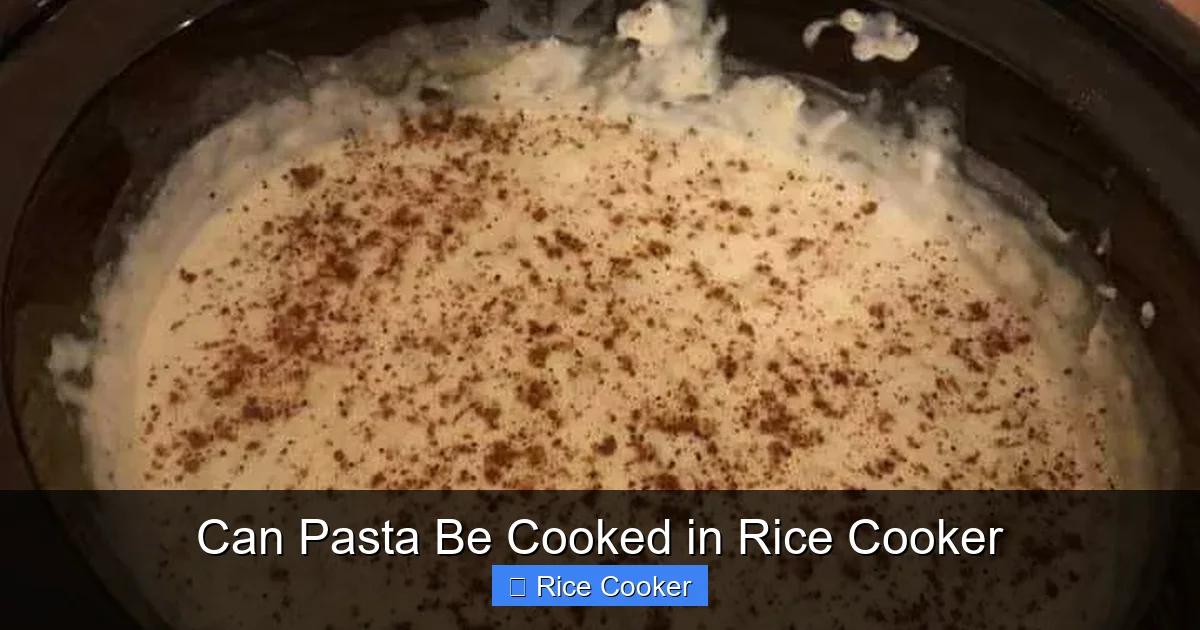
Visual guide about Can Pasta Be Cooked in Rice Cooker
Image source: slowcookertip.com
Additionally, cooking pasta in a rice cooker reduces the risk of burning or overcooking. The machine automatically switches from heating to warming mode when the water reaches a certain point, which helps prevent the pasta from becoming mushy. Plus, because everything cooks together in one vessel, you can add sauces, vegetables, or proteins during the final minutes, creating a full meal in under 30 minutes.
The Science Behind It: How Heat and Moisture Work Together
When you cook pasta on the stove, the high heat causes rapid evaporation, and the starch in the pasta releases into the water, thickening it. Over time, this leads to uneven cooking unless you stir frequently. A rice cooker, however, uses a lower, sustained heat that gently cooks the pasta while retaining moisture. This controlled environment allows the pasta to absorb water evenly and cook through without drying out.
Moreover, rice cookers often have a “keep warm” function that maintains food at around 160–170°F (71–77°C). While this isn’t hot enough to continue boiling pasta, it’s perfect for holding the finished dish until you’re ready to serve. This feature also means you can prep other ingredients while the pasta finishes cooking, streamlining your entire meal process.
Choosing the Right Pasta for Your Rice Cooker
Not all pasta shapes are created equal when it comes to rice cooker cooking. Some work better than others due to their thickness, density, and ability to hold shape during prolonged heat exposure.
Best Pasta Shapes for Rice Cooker Cooking
- Short, tube-shaped pastas: Like penne, rigatoni, or ziti. These hold up well under consistent heat and absorb sauce beautifully.
- Dried spaghetti or linguine: Can be used but may clump together. Break them into shorter lengths or pre-soak slightly for easier handling.
- Ravioli or stuffed pasta: Works surprisingly well, especially if you add them in the last few minutes of cooking to preserve filling integrity.
- Elbow macaroni: A classic choice—its small size allows for even cooking and minimal clumping.
Avoid using very thin noodles like angel hair or capellini unless you’re willing to accept a higher chance of breaking or overcooking. Also, fresh pasta generally requires less cooking time and should be added later to prevent mushiness.
What About Gluten-Free or Whole Wheat Pasta?
Absolutely! Gluten-free pasta made from rice, quinoa, or chickpeas can be cooked in a rice cooker, though they may take slightly longer. Whole wheat pasta tends to be denser, so increase the cooking time by 2–3 minutes. Always check the package instructions for specific timing, as brands vary.
Step-by-Step Guide: How to Cook Pasta in a Rice Cooker
Ready to try it? Follow these simple steps to make foolproof pasta in your rice cooker.
Step 1: Measure Water and Add Salt
For every cup of dry pasta, use 4 cups of water. This ratio ensures the pasta has enough liquid to cook through without drying out. Don’t skimp on salt—aim for about 1 tablespoon per 4 cups of water for flavor. You can also add a splash of olive oil to prevent sticking, though it’s optional.
Step 2: Add Ingredients
Place your pasta into the rice cooker bowl. If you’re making a one-pot meal, now’s the time to add chopped onions, garlic, diced tomatoes, or frozen vegetables. For protein, you can toss in chicken pieces, sausage, or beans—just ensure they’re fully cooked before serving.
Step 3: Start the Cook Cycle
Close the lid and select the “Cook” or “Normal” setting. Most rice cookers will take 15–20 minutes to bring the water to a boil and cook the pasta. Avoid using the “Keep Warm” setting initially—you want active cooking, not just holding.
Step 4: Stir and Check Doneness
About halfway through, open the lid and give the pasta a gentle stir with a heat-safe spatula. This prevents clumping and ensures even cooking. After the cycle ends, taste a piece to check for doneness. If it’s still too firm, close the lid and run an additional 2–3 minute cycle.
Step 5: Drain Excess Water (Optional)
Unlike traditional pasta, you don’t need to drain the rice cooker completely. However, if the dish seems too saucy, you can carefully pour off some liquid through a strainer or use a ladle. Be cautious—hot water can splash!
Step 6: Add Sauce and Serve
Once the pasta is al dente, stir in your favorite sauce—marinara, Alfredo, pesto, or even a simple olive oil and garlic mixture. Let it sit for 2–3 minutes to thicken. Serve immediately with grated Parmesan, fresh herbs, or crusty bread.
One-Pot Pasta Recipes You’ll Love
Now that you know the basics, let’s get creative. Here are three delicious one-pot pasta recipes you can make entirely in your rice cooker.
Recipe 1: Creamy Garlic Parmesan Pasta
Ingredients:
- 1 cup penne pasta
- 3 cups water
- 1 tbsp olive oil
- 3 cloves garlic, minced
- 1/2 cup heavy cream or milk
- 1/2 cup grated Parmesan
- Salt and pepper to taste
Instructions:
Add pasta, water, olive oil, and garlic to the rice cooker. Cook for 18 minutes. Stir in cream and Parmesan during the last 2 minutes. Season with salt and pepper. Serve hot.
Recipe 2: Hearty Vegetable Pasta
Ingredients:
- 1 cup rotini
- 3 cups water
- 1 cup chopped zucchini
- 1 cup cherry tomatoes, halved
- 1/2 cup frozen peas
- 1 tbsp tomato paste
- 1 tsp dried oregano
- Salt and black pepper
Instructions:
Combine all ingredients in the rice cooker. Cook for 20 minutes. Stir well and serve with a sprinkle of feta cheese if desired.
Recipe 3: Spicy Sausage and Penne
Ingredients:
- 1 cup penne
- 3 cups water
- 2 spicy Italian sausages, casings removed
- 1/2 cup diced onion
- 1/2 cup crushed tomatoes
- 1 tsp red pepper flakes
- Basil and Parmesan for garnish
Instructions:
Cook sausages and onions for 5 minutes before adding pasta and water. Continue cooking for 15 minutes. Stir in tomatoes and red pepper flakes. Garnish and serve.
Common Mistakes to Avoid
Even with the best intentions, things can go wrong when cooking pasta in a rice cooker. Here are the most common pitfalls and how to fix them.
Mistake 1: Using Too Little Water
If you don’t use enough water, the pasta will dry out and stick to the bottom. Always follow the 4:1 water-to-pasta ratio as a starting point.
Mistake 2: Not Stirring
Without occasional stirring, pasta can form clumps. Stir once midway through cooking to keep everything moving.
Mistake 3: Overfilling the Cooker
Most rice cookers have a maximum fill line. Going over can cause overflow during boiling, leading to burnt residue and potential damage.
Mistake 4: Ignoring the Keep Warm Setting
Leaving pasta on “Keep Warm” for too long can make it soggy. Only use this mode briefly after cooking.
Mistake 5: Using Fresh Pasta Without Adjustment
Fresh pasta cooks quickly. Add it in the last 3–5 minutes of cooking to avoid mushiness.
Tips for Perfect Rice Cooker Pasta Every Time
Want consistent results? Try these pro tips:
- Pre-soak dry pasta: Soaking pasta in warm water for 10–15 minutes softens it and reduces cooking time.
- Use a timer: Set a kitchen timer to alert you when to stir or add ingredients.
- Invest in a pasta basket: A perforated insert keeps pasta above the liquid, preventing sogginess.
- Clean promptly: Starchy residue hardens over time. Rinse the inner pot while still warm.
- Experiment with broths: Replace water with vegetable or chicken broth for extra flavor.
Can All Rice Cookers Handle Pasta?
While most modern rice cookers can handle pasta, older models or those without a heating plate may struggle with consistent heat. Look for cookers with a “porridge” or “jambalaya” setting—these are designed for thicker, longer-cooking grains and are ideal for pasta.
Also, check your manual. Some compact or travel-style rice cookers have limited capacity and may not accommodate large pasta quantities. For best results, choose a standard 6-cup or larger model.
Is Cooking Pasta in a Rice Cooker Safe?
Yes, it’s completely safe—when done correctly. Just remember:
- Avoid metal utensils that could scratch the non-stick coating.
- Never force open the lid while water is boiling—steam can cause burns.
- Ensure the cooker is unplugged when cleaning.
- Don’t leave cooked pasta sitting in the “Keep Warm” mode for more than 30 minutes.
With basic safety precautions, cooking pasta in a rice cooker is not only efficient but also hygienic and energy-saving compared to boiling multiple pots.
Final Thoughts: Is It Worth It?
So, can pasta be cooked in a rice cooker? Absolutely. While it may seem unconventional at first, this method offers undeniable benefits: faster cleanup, reduced supervision, and the freedom to create full meals in one pot. Whether you’re making a quick weeknight dinner or experimenting with global cuisines, the rice cooker proves to be a versatile kitchen ally.
The key is understanding your machine, choosing the right pasta, and following the steps carefully. Once you master the technique, you’ll wonder why you didn’t try it sooner. So go ahead—grab your rice cooker, toss in some penne, and discover a whole new way to enjoy pasta.
Frequently Asked Questions
Can I cook spaghetti in a rice cooker?
Yes, but break it into shorter lengths to prevent tangling. Long strands like spaghetti may clump. Pre-soaking or using a pasta basket can help.
How long does it take to cook pasta in a rice cooker?
Typically 15–20 minutes, depending on pasta type and cooker model. Short shapes like elbow macaroni take less time than longer ones like fusilli.
Do I need to add oil to prevent sticking?
Not necessarily. The rice cooker’s sealed environment naturally prevents sticking better than a pot. A splash of oil is optional.
Can I cook rice and pasta together?
Generally not recommended. They have different cooking times and textures. Cook rice separately unless your model has a dual-compartment feature.
What happens if I overfill my rice cooker with pasta?
Overfilling can cause water to overflow, creating a mess and potentially damaging the unit. Always stay below the max fill line.
Can I reheat leftover pasta in the rice cooker?
Yes, add a bit of water or broth and heat on the “Keep Warm” or “Cook” setting for 5–10 minutes. Stir occasionally to distribute heat evenly.