
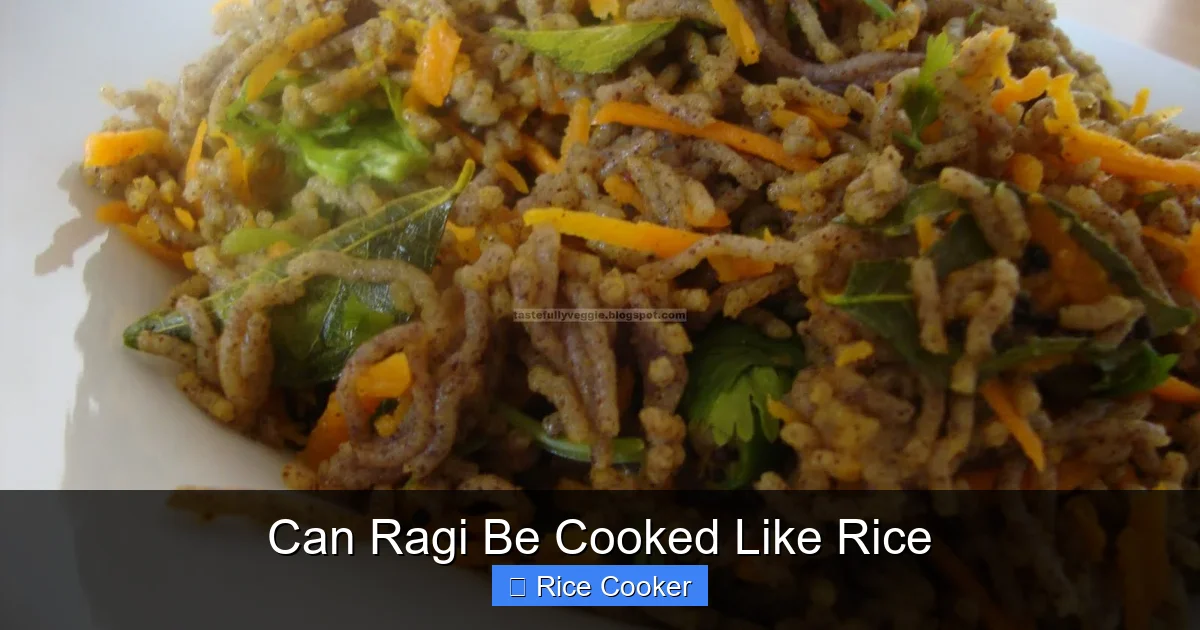
Ragi (finger millet) is not only edible but also incredibly nutritious and versatile. With the right preparation method, you can cook it just like rice using a rice cooker—yielding fluffy, delicious grains perfect for breakfast, lunch, or dinner. Whether you’re looking to boost your fiber intake or explore ancient grains, cooking ragi in a rice cooker is easy, quick, and beginner-friendly. In this article, we’ll walk you through every step, from soaking to seasoning, so you can enjoy wholesome meals with minimal effort.
Key Takeaways
- Ragi can be cooked like rice: Yes! It works perfectly in a rice cooker when prepared with the right water-to-ragi ratio and soaking time.
- Nutrient powerhouse: Ragi is rich in calcium, iron, fiber, and antioxidants—making it one of the most nutritious grains available.
- Gluten-free and diabetic-friendly: Ideal for people with celiac disease or those managing blood sugar levels.
- Easy prep with rice cookers: Just add soaked ragi, water, and press “cook”—no stirring or babysitting needed.
- Versatile usage: Use cooked ragi in porridge, rotis, puddings, or even as a base for grain bowls.
- Soaking improves texture: Overnight soaking softens ragi and reduces cooking time while enhancing digestibility.
- Tip: Rinse before use: Always rinse raw ragi to remove bitterness and prevent stickiness.
📑 Table of Contents
- Can Ragi Be Cooked Like Rice? Absolutely!
- The Science Behind Cooking Ragi Like Rice
- Step-by-Step Guide: How to Cook Ragi in a Rice Cooker
- Nutritional Benefits of Cooking Ragi Like Rice
- Cooking Tips and Common Mistakes to Avoid
- Creative Ways to Use Cooked Ragi
- Comparing Ragi to Other Super Grains
- Frequently Asked Questions About Cooking Ragi Like Rice
- Final Thoughts: Make Ragi Your New Favorite Grain
Can Ragi Be Cooked Like Rice? Absolutely!
Imagine starting your day with a warm, golden bowl of porridge that’s not only comforting but also packed with nutrients. Or picture a fluffy side dish that complements curries and dal just as well as rice does. That’s ragi—also known as finger millet—doing its thing. But here’s the real question: Can ragi be cooked like rice? The short answer? Yes, absolutely! And not only can it mimic the texture and function of rice, but it also brings a nutritional punch that regular white rice simply can’t match.
Ragi has been cultivated for over 5,000 years across parts of Africa and Asia—especially in India, where it’s a staple in many households. Traditionally, it’s used to make flatbreads like ragi roti, fermented drinks, and porridge. But thanks to its adaptability and health benefits, it’s now gaining popularity worldwide as a superfood. One of the most convenient ways to enjoy ragi today is by cooking it in a rice cooker—just like you would do with basmati or jasmine rice. In this comprehensive guide, we’ll show you exactly how to do it, why it’s good for you, and creative ways to use your freshly cooked ragi.
The Science Behind Cooking Ragi Like Rice
Before diving into the steps, let’s understand why ragi behaves differently from other grains—and why it still works so well in a rice cooker.
Unlike paddy rice, which has a soft, starchy endosperm, ragi is denser and more fibrous. Its high cellulose content means it doesn’t absorb water as quickly, and it requires longer soaking to soften properly. However, once softened, it expands beautifully and develops a pleasant, slightly chewy texture—perfect for eating on its own or mixing into dishes.
When cooked in a rice cooker, ragi follows a similar hydration process to rice. The trapped steam softens the grains further, breaking down starches without making them mushy. The key lies in the right balance: too little water leads to undercooked grains; too much makes it soggy. That’s why soaking first is non-negotiable.
Why Soaking Matters
Soaking ragi overnight (or at least 4–6 hours) does three important things:
– Reduces anti-nutrients like tannins, which can inhibit mineral absorption.
– Softens the hard outer hull, making digestion easier.
– Cuts down cooking time by up to 50%, ensuring even results every time.
After soaking, drain and rinse thoroughly—this removes any gritty residue and prevents the final dish from tasting bitter.
Choosing the Right Ratio
The classic rule for cooking ragi like rice is a **1:2.5 to 1:3 ratio**—one part soaked ragi to two and a half to three parts water. For example, if you’re using 1 cup of ragi, measure out 2.5 to 3 cups of water. This ensures each grain gets enough moisture without becoming gluey.
If you prefer a softer consistency (like ragi porridge), increase the water to 1:3.5. For firmer grains (ideal for side dishes), stick closer to 1:2.5.
Step-by-Step Guide: How to Cook Ragi in a Rice Cooker
Now that you understand the basics, let’s get practical. Here’s how to cook ragi perfectly in your rice cooker—whether you’re a beginner or an experienced cooker.
What You’ll Need
- 1 cup raw ragi (soaked overnight)
- 2.5–3 cups water (adjust based on desired texture)
- Optional: pinch of salt, ghee, or jaggery for flavor
Step 1: Soak the Ragi
Place 1 cup of raw ragi in a bowl and cover with clean water. Let it sit for at least 6 hours or overnight. Drain and rinse 2–3 times until the water runs clear. This removes excess starch and any impurities.
Step 2: Measure Water
Based on your preferred texture, measure out 2.5 to 3 cups of fresh water per cup of soaked ragi. Add a pinch of salt if desired.
Step 3: Combine in Rice Cooker
Transfer the soaked, rinsed ragi and water into your rice cooker pot. Stir gently to distribute evenly. Close the lid and set the cooker to “White Rice” or “Normal” mode.
Step 4: Wait and Enjoy
Most modern rice cookers will automatically switch to “warm” mode once done. Let it rest for 10 minutes after cooking—this allows residual heat to finish softening any stubborn grains. Then fluff with a fork before serving.
Pro tip: If your rice cooker has a “Porridge” setting, use that instead. It delivers gentler heat, ideal for thicker textures.
Nutritional Benefits of Cooking Ragi Like Rice
You might wonder: Why go through all this trouble if it tastes similar to rice? Because ragi isn’t just food—it’s medicine in grain form.
A Calcium Powerhouse
One cup of cooked ragi contains about 344 mg of calcium—that’s nearly 35% of your daily needs! Unlike dairy, ragi’s calcium is easily absorbed, making it excellent for bone health, especially in children and elderly individuals.
High in Iron and Protein
Ragi is one of the richest plant sources of bioavailable iron. A single serving can provide up to 5.4 mg, helping combat anemia naturally. Plus, it contains all nine essential amino acids, making it a complete protein—rare among cereals.
Rich in Fiber and Antioxidants
With 12–18 grams of fiber per cooked cup, ragi supports gut health, regulates blood sugar, and keeps you full longer. Its polyphenols and flavonoids act as powerful antioxidants, reducing inflammation and protecting cells from damage.
Low Glycemic Index
Unlike refined rice, ragi has a glycemic index (GI) of around 40–50, meaning it releases glucose slowly into the bloodstream. This makes it safe for diabetics and great for weight management.
Gluten-Free and Allergy-Safe
For those with celiac disease or gluten sensitivity, ragi is a fantastic substitute for wheat-based grains. It’s also free from common allergens like nuts and soy.
Cooking Tips and Common Mistakes to Avoid
Even though cooking ragi in a rice cooker seems straightforward, a few small errors can ruin the outcome. Here are expert tips to ensure success every time.
Don’t Skip the Soak
Many beginners skip soaking and wonder why their ragi turns out hard or chalky. Remember: ragi is tough by nature. Without soaking, it won’t soften enough, no matter how long you cook it.
Use Fresh, High-Quality Ragi
Old or improperly stored ragi loses potency and flavor. Buy from reputable brands or local organic stores. Look for uniform color and absence of dust or insects.
Adjust Water Gradually
Start with 2.5 cups of water. After cooking, check the texture. If too firm, next time try adding ¼ cup more water. Every batch absorbs slightly differently.
Avoid Adding Too Much Salt Early
Salt can toughen grains during prolonged cooking. Add it near the end or sprinkle after cooking.
Store Leftovers Properly
Cooked ragi keeps well in the fridge for up to 4 days or frozen for 2 months. Reheat with a splash of water or milk to restore moisture.
Creative Ways to Use Cooked Ragi
Once you’ve mastered cooking ragi like rice, the possibilities are endless. Here are some delicious and healthy ideas:
Ragi Porridge (Breakfast Star)
Warm cooked ragi with milk, cinnamon, cardamom, and a drizzle of honey. Top with chopped nuts and seeds for crunch.
Ragi Upma or Poha
Sauté onions, mustard seeds, curry leaves, and green chilies in oil. Add cooked ragi, turmeric, and a splash of water. Simmer for 5 minutes—perfect with pickle or papad.
Ragi Dosa or Crepes
Mix cooked ragi with chickpea flour, yogurt, and spices to batter. Cook like dosa for a crispy, protein-rich meal.
Ragi Kheer (Indian Rice Pudding)
Simmer cooked ragi with milk, sugar, and saffron until thickened. Chill and serve cold—a comforting dessert.
Ragi Roti or Chapati
Combine cooked ragi with whole wheat flour, salt, and water to make dough. Roll and cook on a hot griddle for a nutty-flavored flatbread.
Germination Boost
Soak ragi for 12–24 hours, then rinse twice daily. Once sprouts appear (usually in 2 days), dry and grind into flour for extra enzyme activity.
Comparing Ragi to Other Super Grains
How does ragi stack up against quinoa, barley, or oats? Let’s compare:
| Grain | Calcium (per cup) | Protein | GI Level | Best Uses |
|———–|——————-|———|———-|——————————-|
| Ragi | 344 mg | High | Low | Porridge, roti, kheer |
| Quinoa | 31 mg | Complete| Medium | Salads, bowls |
| Barley | 27 mg | Moderate| Very Low | Soups, stews |
| Oats | 54 mg | High | Low | Porridge, baking |
As you can see, ragi wins hands down for calcium and cultural versatility. While quinoa is trendier, it lacks ragi’s mineral density. Barley and oats are nutritious but don’t offer the same ancient-grain appeal.
Frequently Asked Questions About Cooking Ragi Like Rice
Is ragi hard to digest?
Not if properly soaked and cooked. Raw ragi contains tannins that can cause bloating, but soaking breaks these down. Always rinse thoroughly after soaking and cook until soft.
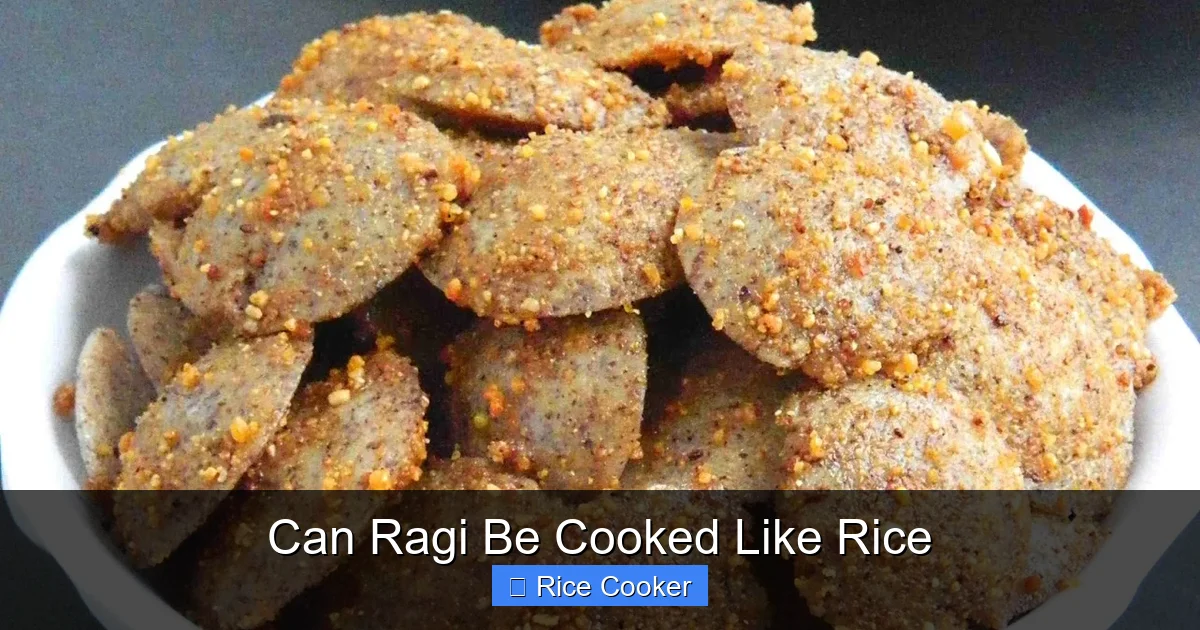
Visual guide about Can Ragi Be Cooked Like Rice
Image source: 3.bp.blogspot.com
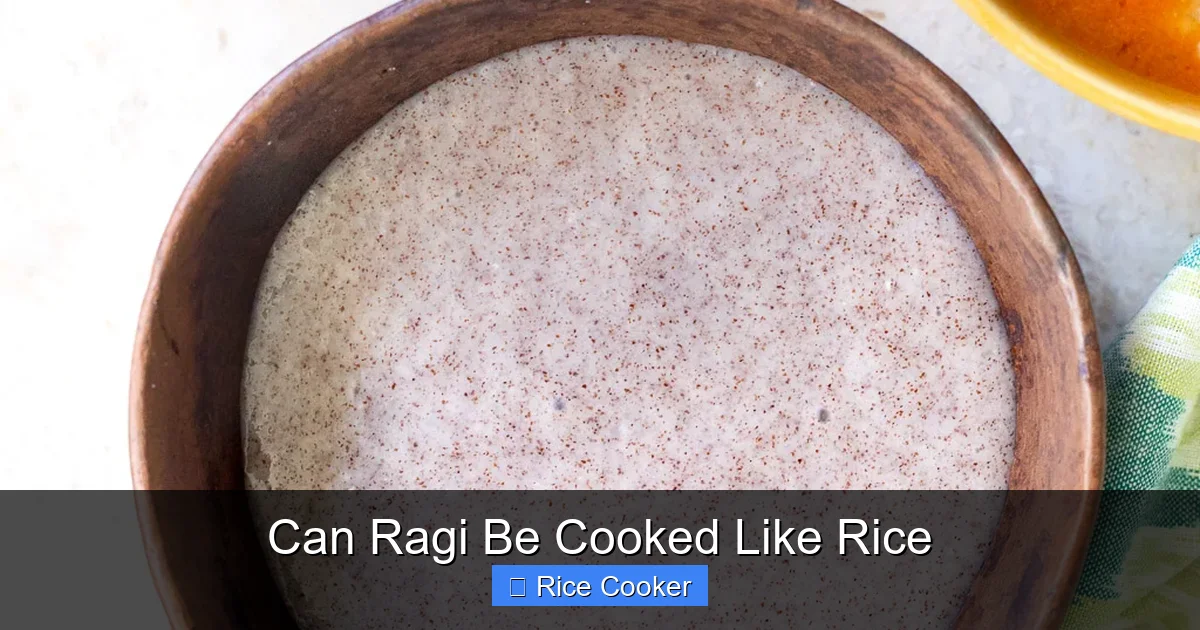
Visual guide about Can Ragi Be Cooked Like Rice
Image source: theblurrylime.com
Can I cook ragi without soaking?
Technically yes, but it will take much longer and may result in unevenly cooked grains. For best results, soak overnight or for at least 6 hours.
Does ragi taste like rice?
It has a mild, nutty flavor—not sweet or bland like white rice. Some describe it as earthy or slightly astringent, but this mellows after cooking and is often enhanced with spices or milk.
Can kids eat ragi?
Absolutely! Ragi porridge is a favorite among toddlers and schoolchildren due to its high calcium and iron content. Start with small portions to test tolerance.
Can I freeze cooked ragi?
Yes! Portion into ice cube trays, freeze, then transfer to a sealed bag. Thaw in the fridge overnight and reheat gently with milk or water.
Is ragi suitable for weight loss?
Yes—it’s low in calories, high in fiber, and keeps you full longer. Swap white rice with ragi for a satisfying, metabolism-boosting alternative.
Final Thoughts: Make Ragi Your New Favorite Grain
Cooking ragi like rice isn’t just a kitchen hack—it’s a gateway to better health. With its impressive nutrient profile, ease of preparation, and culinary flexibility, ragi deserves a permanent spot in your pantry. Whether you’re managing diabetes, building muscle, supporting bone health, or simply seeking variety in your diet, this humble millet delivers.
Using a rice cooker simplifies the process, eliminating guesswork and saving time. No more constant stirring or watching the stove. Just soak, add water, press a button, and relax.
So the next time you’re wondering what to cook instead of rice, reach for ragi. Your body will thank you—and so will your taste buds.
Frequently Asked Questions
Is ragi hard to digest?
Not if properly soaked and cooked. Raw ragi contains tannins that can cause bloating, but soaking breaks these down. Always rinse thoroughly after soaking and cook until soft.
Can I cook ragi without soaking?
Technically yes, but it will take much longer and may result in unevenly cooked grains. For best results, soak overnight or for at least 6 hours.
Does ragi taste like rice?
It has a mild, nutty flavor—not sweet or bland like white rice. Some describe it as earthy or slightly astringent, but this mellows after cooking and is often enhanced with spices or milk.
Can kids eat ragi?
Absolutely! Ragi porridge is a favorite among toddlers and schoolchildren due to its high calcium and iron content. Start with small portions to test tolerance.
Can I freeze cooked ragi?
Yes! Portion into ice cube trays, freeze, then transfer to a sealed bag. Thaw in the fridge overnight and reheat gently with milk or water.
Is ragi suitable for weight loss?
Yes—it’s low in calories, high in fiber, and keeps you full longer. Swap white rice with ragi for a satisfying, metabolism-boosting alternative.