

Cooking rice in a pressure cooker is not only possible but also one of the fastest and most convenient methods. With the right water-to-rice ratio and timing, you can achieve tender, evenly cooked grains without constant attention. Whether you’re using white, brown, or wild rice, a pressure cooker simplifies the process and reduces cleanup time significantly.
Key Takeaways
- Yes, rice cooks perfectly in a pressure cooker. It’s a fast, hands-off method that yields consistently fluffy results.
- Water-to-rice ratio is critical. Use 1:1 for white rice and 1.25:1 for brown rice to avoid mushiness or dryness.
- Soaking brown rice beforehand improves texture. Soak for 20–30 minutes before cooking for even absorption.
- Natural release works best for most rices. Let the pressure drop on its own to prevent overcooking.
- Clean your pressure cooker regularly. Rice starch can clog valves if not cleaned promptly after use.
- Experiment with flavors. Add garlic, herbs, or broth instead of water for enhanced taste.
- Not all pressure cookers are created equal. Check your model’s manual for specific settings and safety guidelines.
Quick Answers to Common Questions
How long does rice take to cook in a pressure cooker?
White rice typically takes 3–6 minutes under high pressure, while brown rice needs 20–25 minutes. Always follow your specific rice variety’s recommended time.
Can I cook rice in an Instant Pot?
Yes! Instant Pots are pressure cookers, so they work perfectly for cooking rice. Use the “Manual” or “Rice” setting for best results.
Do I need to soak brown rice before pressure cooking?
Soaking isn’t mandatory but highly recommended—it helps brown rice absorb water evenly and prevents uneven cooking.
What’s the best way to store leftover pressure-cooked rice?
Store in an airtight container in the refrigerator for up to 5 days. Reheat with a splash of water to restore moisture.
Can I cook frozen rice in a pressure cooker?
It’s not advised. Frozen rice can create steam pockets and lead to inconsistent texture. Thaw and rinse first, or use fresh rice only.
📑 Table of Contents
- Can Rice Be Cooked in a Pressure Cooker?
- The Science Behind Cooking Rice in a Pressure Cooker
- Choosing the Right Rice for Pressure Cooking
- Essential Tips for Perfect Pressure-Cooked Rice Every Time
- Step-by-Step Guide: How to Cook Rice in a Pressure Cooker
- Enhancing Flavor: Beyond Plain White Rice
- Troubleshooting Common Issues
- Health and Nutritional Considerations
- Energy Efficiency and Time Savings
- Cleaning and Maintenance Tips
- Final Thoughts: Why Pressure Cook Rice?
Can Rice Be Cooked in a Pressure Cooker?
If you’ve ever wondered whether you can cook rice in a pressure cooker, the short answer is absolutely yes. In fact, many home cooks consider this one of the most efficient ways to prepare rice—especially when you’re short on time but still want a perfectly cooked, fluffy side dish. Unlike traditional stovetop methods that require constant monitoring and stirring, a pressure cooker does the work for you, locking in moisture and flavor while delivering consistent results every time.
Rice is one of the most versatile staple foods worldwide, and the pressure cooker brings out its best qualities. Whether you’re cooking plain white rice, fragrant basmati, hearty brown rice, or even wild rice blends, the high-pressure environment ensures even heat distribution and rapid cooking. Plus, because everything happens in a sealed pot, you save energy and reduce cleanup time. In this comprehensive guide, we’ll walk you through everything you need to know about cooking rice in a pressure cooker—from choosing the right type of rice to troubleshooting common issues and elevating your dishes with added flavors.
The Science Behind Cooking Rice in a Pressure Cooker
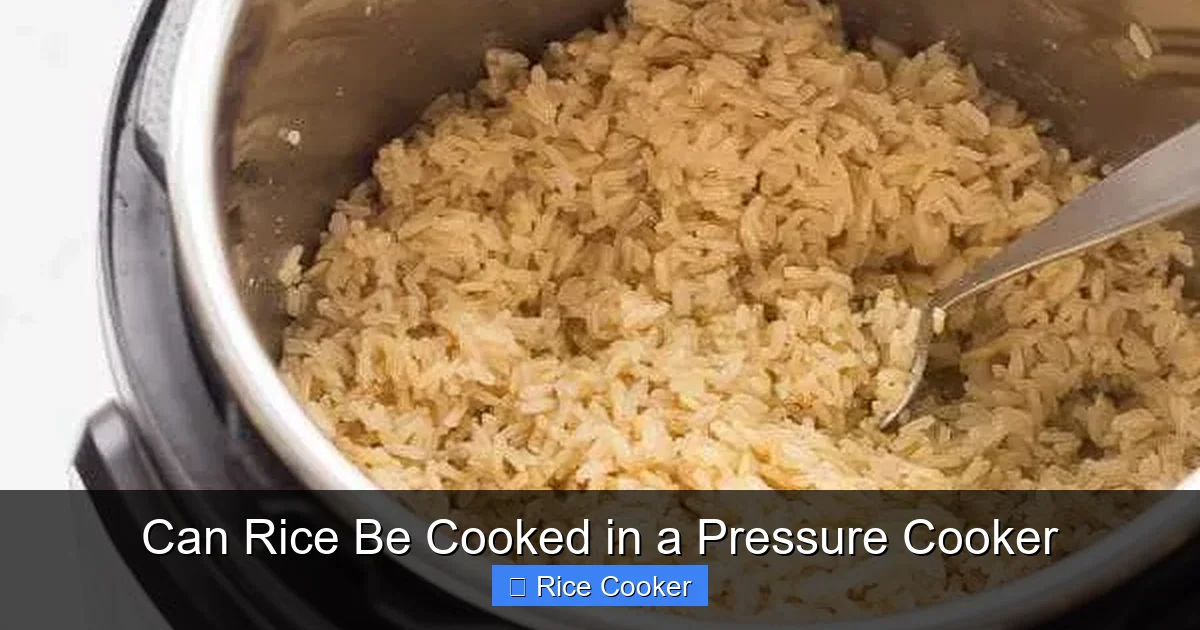
Before diving into recipes, it helps to understand why pressure cooking works so well for rice. Under normal boiling conditions (212°F at sea level), rice absorbs water slowly and may cook unevenly. But in a pressure cooker, the sealed environment increases internal temperature to around 248°F, which dramatically speeds up the gelatinization of starch molecules inside the grain. This means the rice softens faster and more uniformly, resulting in tender kernels with minimal stickiness.
Visual guide about Can Rice Be Cooked in a Pressure Cooker
Image source: metrocookingdallas.com
Additionally, the locked-in steam creates a humid microclimate that keeps the rice moist throughout the cooking cycle. When combined with precise timing and the correct liquid-to-rice ratio, these factors lead to ideal textures—fluffy for white rice, chewy yet tender for brown rice. The key, however, lies in mastering two variables: the amount of water and how long you let the pressure build and release.
Choosing the Right Rice for Pressure Cooking
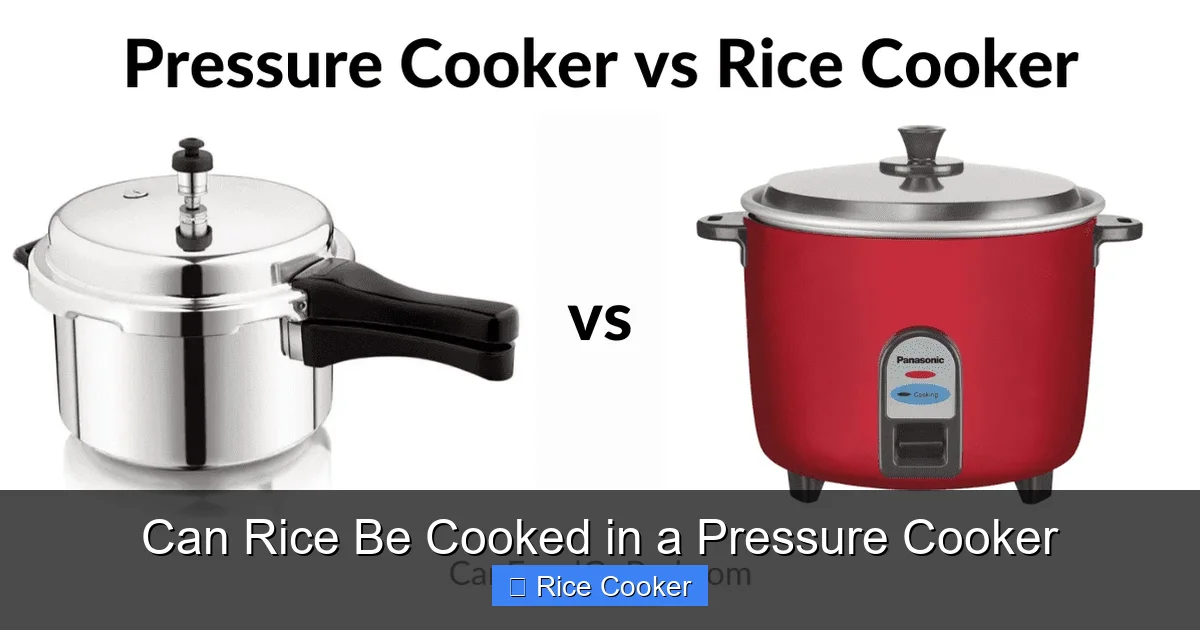
Not all rice types behave the same way under pressure. Some are naturally suited to the method, while others require adjustments. Here’s a breakdown of popular varieties and their characteristics:
Visual guide about Can Rice Be Cooked in a Pressure Cooker
Image source: canfoodgobad.com
White Rice
Short-grain, medium-grain, and long-grain white rices—including jasmine and basmati—are excellent candidates for pressure cooking. They absorb water quickly and yield light, separate grains when prepared correctly. White rice typically needs a 1:1 water-to-rice ratio and cooks in just 3–6 minutes under pressure, depending on grain length.
Brown Rice
Brown rice has a tougher outer bran layer that slows down water absorption. Because of this, it generally requires more liquid (about 1.25 parts water per 1 part rice) and longer cooking times—usually 20–25 minutes under high pressure. For best results, soak brown rice for 20–30 minutes before cooking to ensure even hydration.
Wild Rice
Wild rice is technically an aquatic grass seed, not true rice. It expands significantly during cooking and takes much longer than other types—typically 30–40 minutes under pressure. Use a 1.5:1 water-to-ratio and consider adding a splash of vegetable broth for depth of flavor.
Sushi Rice
This short-grain Japanese variety is prized for its sticky texture. To avoid mushiness in a pressure cooker, rinse thoroughly until water runs clear and use a slightly lower water ratio (around 1:0.9). A quick natural release helps preserve its delicate texture.
Essential Tips for Perfect Pressure-Cooked Rice Every Time
Even with the right ingredients, getting perfect rice takes practice. Follow these expert tips to avoid common pitfalls:
- Always rinse your rice. Rinsing removes excess starch, preventing clumping and sticking—especially important for sushi and basmati rice.
- Use fresh, cool water. Warm water can cause uneven cooking due to temperature fluctuations affecting pressure buildup.
- Don’t skip the soaking step for brown rice. Soaking softens the hull and ensures uniform doneness.
- Avoid opening the lid mid-cycle. Releasing pressure too early leads to undercooked centers and mushy edges.
- Let it rest after cooking. After releasing pressure, keep the rice covered for 5–10 minutes. This allows residual steam to finish cooking the grains gently.
- Fluff with a fork, not a spoon. A gentle fork lift aerates the grains without breaking them.
Step-by-Step Guide: How to Cook Rice in a Pressure Cooker
Ready to try it yourself? Here’s a foolproof method for cooking white rice—you can easily adapt it for other types by adjusting water and time.
Ingredients
- 1 cup uncooked white rice
- 1 cup water (or broth for extra flavor)
- Pinch of salt (optional)
Instructions
- Rinse the rice: Place rice in a fine-mesh strainer and rinse under cold running water until the water runs clear. This removes surface starch.
- Add ingredients to the pressure cooker: Transfer rinsed rice, water, and salt (if using) to the inner pot.
- Close and lock the lid: Ensure the sealing ring is properly seated and the valve is set to “Sealing.”
- Select pressure cook mode: For white rice, choose High Pressure for 3 minutes. Brown rice needs 20–25 minutes.
- Start cooking: Once the cooker reaches full pressure (you’ll hear a steady whistle or see steam), begin counting time.
- Release pressure naturally: After timer ends, let the pressure drop on its own for 10 minutes, then do a quick release for any remaining steam.
- Open and fluff: Carefully open the lid away from your face, then fluff the rice with a fork before serving.
Enhancing Flavor: Beyond Plain White Rice
While plain rice is delicious, there’s no reason to keep it boring. The sealed environment of a pressure cooker makes it easy to infuse subtle yet powerful flavors directly into the grains.
Herbed Rice
Add a bay leaf, sprig of thyme, or whole cloves during cooking. These aromatics steep into the rice as it steams, creating a fragrant bedtime without extra effort.
Garlic & Onion Rice
Sauté diced onions and minced garlic in a little oil before adding rice and water. This builds a rich base flavor that permeates every bite.
Cheese and Herb Infusion
For a savory twist, stir in grated Parmesan or cheddar cheese along with chopped parsley or chives after the rice is done. Cover and let it sit for 2 minutes so the heat melts the cheese slightly.
Asian-Inspired Varieties
Try cooking jasmine rice with coconut milk and a pinch of salt for Thai-style jasmine rice. Or add soy sauce and sesame oil to make fried rice-inspired steamed rice with umami depth.
Troubleshooting Common Issues
Despite its simplicity, pressure-cooking rice isn’t always foolproof. Here’s how to fix the most frequent problems:
Mushy or Sticky Rice
This usually stems from too much water or insufficient rinsing. Try reducing water by ¼ cup next time, or increase cooking time by 1 minute if needed. Also, avoid over-fluffing—gentle movement is key.
Undercooked or Gummy Texture
If the center feels hard or the rice sticks together, your pressure didn’t fully build or the timer was too short. Always wait until the cooker signals full pressure before starting the countdown. For brown rice, ensure it’s soaked and don’t rush the cooking time.
Burnt or Burnt Bottom
This happens when there’s not enough liquid or the rice wasn’t stirred briefly after adding water. Always mix lightly after combining ingredients, and never skip the minimum water requirement.
Starchy Residue in Valve
Rice starch loves to cling to the sealing ring and pressure release valve. Clean both immediately after each use with warm, soapy water and a soft brush. Dry thoroughly before reassembly.
Health and Nutritional Considerations
Pressure cooking doesn’t change the nutritional profile of rice significantly compared to boiling, but it does offer some advantages:
- Faster preparation = less nutrient loss. Since cooking time is reduced, vitamins like B-complex may be better preserved.
- No added fats or oils. You can cook rice without butter or oil, making it a lighter option.
- Better mineral retention. Because the process uses steam rather than submersion, some minerals stay locked inside the grain.
That said, brown rice retains more fiber and nutrients than white rice, so opt for the whole grain version when aiming for higher nutritional value. Just remember it takes longer to cook and benefits from soaking.
Energy Efficiency and Time Savings
One of the biggest perks of using a pressure cooker for rice is how little energy and time it consumes. Compared to boiling rice on the stove—which can take 20–30 minutes and leave a pot of hot water behind—a pressure cooker finishes in under 30 minutes total (including prep and resting).
Modern electric pressure cookers like Instant Pot models allow you to set it and forget it, freeing up your stove for other dishes. Many also have dedicated “Rice” presets that automatically adjust time and pressure based on rice type—making it accessible even for beginners.
Cleaning and Maintenance Tips
To keep your pressure cooker performing well and your rice tasting great, follow these maintenance steps:
- Clean the sealing ring after each use. Wash it separately to remove food residue, especially rice starch.
- Check the pressure valve and float valve weekly. Make sure they’re free of blockages.
- Wipe the lid gasket and rim clean. Food particles left behind can cause leaks or odors.
- Deep clean monthly. Soak the entire unit in warm soapy water if buildup occurs.
Final Thoughts: Why Pressure Cook Rice?
Cooking rice in a pressure cooker isn’t just a convenience—it’s a game-changer for busy households, meal preppers, and anyone who wants restaurant-quality rice at home. The method combines speed, consistency, and hands-off ease, all while preserving texture and flavor. Whether you’re whipping up a simple dinner side or preparing a special dish with infused herbs and spices, the pressure cooker proves itself as a kitchen essential.
With just a few adjustments for different rice types and a commitment to proper ratios and timing, you’ll master this technique in no time. And once you do, you’ll wonder how you ever lived without it.
Frequently Asked Questions
Is it safe to cook rice in a pressure cooker?
Yes, it’s completely safe when used according to manufacturer instructions. Modern pressure cookers have multiple safety mechanisms to prevent accidents.
Why is my pressure-cooked rice too dry?
You likely used too little water or opened the lid too soon. Always measure liquids carefully and allow natural release first.
Can I cook rice and beans together in a pressure cooker?
Absolutely! Adding soaked beans during the rice cooking cycle works well—just extend cooking time by 5–10 minutes depending on bean type.
Does pressure cooking affect the nutritional value of rice?
Minimal impact. Pressure cooking preserves most nutrients better than prolonged boiling because of shorter cooking times and sealed environments.
What type of rice cooker is best for pressure cooking?
Any certified pressure cooker—electric (like Instant Pot) or stovetop—works well. Choose one with clear markings and reliable sealing mechanisms.
Can I cook rice in a slow cooker instead?
Slow cookers can cook rice, but it takes much longer (3–4 hours) and often results in softer, less distinct grains. Pressure cooking remains superior for speed and texture.