

Rice cookers aren’t just for white or brown rice. With the right techniques, you can whip up everything from creamy risotto and chewy oats to moist chicken pot pie and gooey chocolate mug cakes—all using one simple appliance. This versatile kitchen tool saves time, energy, and cleanup, making it perfect for busy cooks and meal preppers alike.
You’ve probably used your rice cooker to make fluffy jasmine rice or nutty brown rice, but did you know it’s capable of so much more? If you’re tired of relying solely on your stove for every meal, it’s time to unlock the hidden potential of this humble kitchen gadget. From breakfast to dessert, savory mains to sweet treats, the rice cooker can do it all—without constant attention. In this guide, we’ll explore creative, easy, and delicious ways to expand what you can cook in a rice cooker beyond the classic bowl of steamed grains.
Whether you’re a college student with limited equipment, a busy parent juggling multiple responsibilities, or simply someone who loves simplifying meal prep, this article will show you how to turn your rice cooker into a multi-functional cooking powerhouse. Let’s dive into the endless possibilities!
Key Takeaways
- Beyond Rice: Your rice cooker can prepare grains like quinoa, barley, and farro, as well as legumes such as lentils and chickpeas with consistent results.
- Meals & Soups: Simmer stews, curries, chili, and even ramen in your rice cooker for hands-off cooking that frees up your stove.
- Desserts Made Easy: Bake cakes, puddings, breads, and even cookies using the steamy, even heat of a rice cooker.
- Breakfast Options: Cook overnight oats, pancakes, scrambled eggs, and savory breakfast casseroles without babysitting the stove.
- Cleanup Is Simple: Most rice cooker parts are dishwasher-safe, so you save time on post-meal chores.
- Energy Efficient: Rice cookers use less electricity than ovens or stovetops, making them eco-friendly and budget-smart.
- Portion Control: Ideal for single servings or small families—no more oversized pots or wasted food.
Quick Answers to Common Questions
Can I cook pasta in a rice cooker?
Yes, but not traditional dry pasta. Instead, use cooked pasta or try no-cook noodles like rice sticks or udon. Add them at the end of cooking for soups or stir-fries.
Is it safe to leave a rice cooker unattended?
Absolutely. Rice cookers are designed for hands-off cooking. Once turned off, they automatically switch to “keep warm” mode, so you can leave it for hours without worry.
Can I bake a cake in a rice cooker?
Yes, especially mug cakes and dense, moist cakes. The enclosed environment helps retain moisture, resulting in tender, cake-like textures.
Do I need special cookware?
Most rice cooker recipes use the included inner pot. For baking, you may need a heat-resistant mug or ramekin placed inside with water for steam.
Can I make yogurt in a rice cooker?
Indirectly, yes. Use a yogurt maker attachment or keep the cooker in “warm” mode for up to 8 hours with a sealed container of milk and live cultures.
📑 Table of Contents
Cooking Grains and Legumes Beyond Rice
While rice is the star of most rice cookers, they excel at preparing a wide variety of grains and legumes. The key is adjusting liquid ratios and cooking times slightly compared to white rice.
Quinoa and Farro
Quinoa and farro both require similar cooking methods to rice. For every 1 cup of grain, use 2 cups of water (or broth for extra flavor). Turn on the “white rice” or “cook” setting, and let the machine do the rest. Once done, fluff with a fork and season as desired. These grains work beautifully in salads, side dishes, or as a base for grain bowls.
Lentils and Chickpeas
Yes—your rice cooker can even cook dried legumes! Rinse 1 cup of lentils or chickpeas, add 3 cups of water, and set the timer. For chickpeas, soak them overnight first to reduce cooking time and improve digestibility. Lentils should be ready in about 30–40 minutes. This method is perfect for meal prepping hummus, soups, or adding protein to bowls.
Oats and Steel-Cut Oats
Steel-cut oats often take 20–30 minutes on the stove, but in a rice cooker, they’re ready in just 25–30 minutes with the right liquid ratio. Use 1 cup of oats to 3 cups of water or milk. Add a pinch of salt and a splash of vanilla for breakfast porridge. You can also make savory oat risotto by sautéing onions first, then adding broth gradually while stirring occasionally.
One-Pot Meals: Hearty Stews and Curries
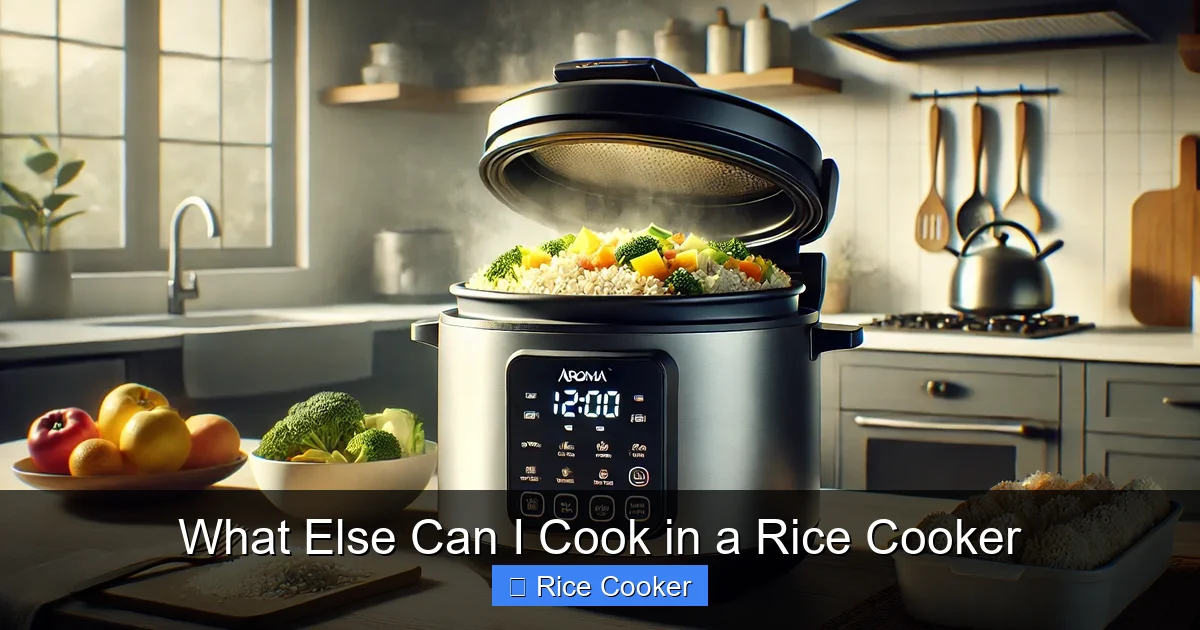
Visual guide about What Else Can I Cook in a Rice Cooker
Image source: expertreviewsbestricecooker.com
One of the greatest advantages of a rice cooker is its ability to create complete meals in a single pot—no stirring required. Just toss in your ingredients, press a button, and walk away.
Chicken and Vegetable Stew
Brown chicken thighs or breasts, then add diced carrots, celery, potatoes, onions, garlic, thyme, bay leaves, and 4 cups of broth. Set the cooker to “white rice” mode. After cooking, shred the chicken and stir in peas or corn before serving. This stew is rich, comforting, and perfect for chilly evenings.
Thai Green Curry
Sauté green curry paste in oil, then add coconut milk, chicken or tofu, bell peppers, bamboo shoots, and Thai basil. Set to cook for 30–40 minutes. Serve over rice or noodles. The slow, gentle heat helps meld flavors beautifully without burning.
Beef and Barley Soup
Combine beef chunks, barley, onions, carrots, celery, garlic, tomatoes, and beef broth. Cook on high for 45–60 minutes. This deep, flavorful soup becomes even heartier when served with crusty bread. Freeze leftovers for quick weeknight meals.
Breakfast Ideas That Save Time
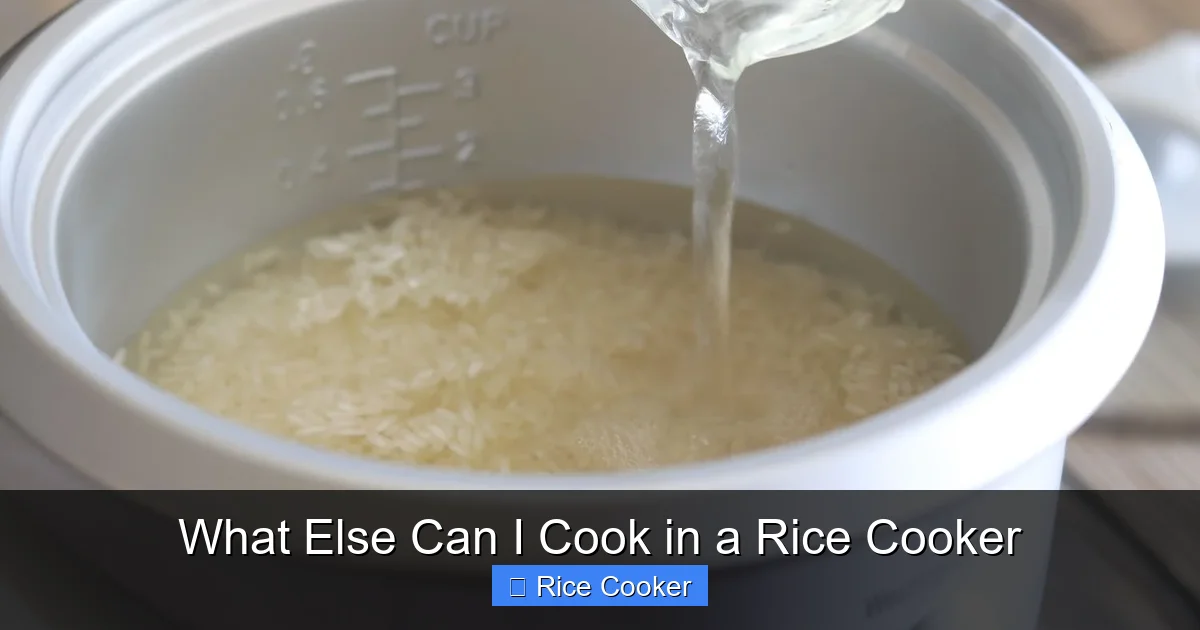
Visual guide about What Else Can I Cook in a Rice Cooker
Image source: thespruceeats.com
Who says you need a skillet for breakfast? Your rice cooker can wake up your mornings with minimal effort.
Overnight Oats (No Prep Required)
Mix 1 cup of rolled oats, 1 cup of milk (or plant-based alternative), 1 tablespoon chia seeds, a drizzle of honey, and your favorite fruit in a sealed container. Let sit overnight. In the morning, microwave for 1 minute or enjoy cold. No stirring needed—just grab and go.
Pancake Mug Cake (Single Serving)
Mix 1/4 cup flour, 1/4 cup milk, 1 egg, a pinch of baking powder, and a teaspoon of sugar in a microwave-safe mug. Microwave for 1–2 minutes. For rice cooker version, place the mug inside with a small amount of water in the inner pot to create steam. Cook for 10–15 minutes on “warm” or “rice” setting until cooked through.
Scrambled Eggs and Veggies
Whisk 2 eggs with chopped spinach, cheese, salt, and pepper. Pour into a greased rice cooker insert and cover. Cook on “warm” for 10–15 minutes, checking halfway. The steam creates tender, creamy scrambled eggs without sticking.
Desserts and Baked Goods
Yes, you read that right—your rice cooker isn’t just for savory dishes. With the right recipe, it can bake light, fluffy cakes, rich puddings, and even soft breads.
Chocolate Mug Cake
Mix 1/4 cup flour, 2 tablespoons cocoa powder, 1 tablespoon sugar, 1/4 teaspoon baking powder, 3 tablespoons milk, and a dash of vanilla. Stir until smooth, pour into a greased mug, and place in the rice cooker with 1/2 inch of water in the pot. Cook on “warm” for 15–20 minutes. Top with whipped cream or ice cream.
Rice Pudding
Combine 1 cup of rice, 4 cups of milk, 1/4 cup sugar, 1 cinnamon stick, and a pinch of salt. Cook on “white rice” for 45–50 minutes, stirring occasionally. Remove the cinnamon stick, blend half for creaminess, and serve warm. Add raisins, nuts, or a splash of vanilla extract for variation.
Mug Bread
Mix 1/4 cup flour, 1/4 cup milk, 1 egg, and 1/4 teaspoon yeast in a greased mug. Place in the rice cooker with water. Cook on “warm” for 20–25 minutes. The result is a soft, slightly dense bread perfect for sandwiches.
Snacks and Side Dishes
From roasted nuts to cheesy broccoli, your rice cooker can handle snacks and sides too.
Roasted Sweet Potato Cubes
Toss cubed sweet potatoes with olive oil, salt, and rosemary. Spread in a single layer on a non-stick insert. Cook on “white rice” for 25–30 minutes, shaking halfway. They come out tender on the inside and caramelized on the outside—like oven-roasted but easier.
Cheesy Broccoli and Rice Casserole
Cook rice first, then mix in steamed broccoli florets and shredded cheddar. Cover and cook for 10 more minutes on “warm.” This kid-approved side dish is creamy, cheesy, and ready in under 30 minutes.
Nut and Seed Trail Mix
Combine raw nuts, pumpkin seeds, dried cranberries, and dark chocolate chips in the rice cooker. Cook on “warm” for 20–30 minutes, shaking occasionally to prevent burning. The dry heat gently toasts the ingredients for a crunchy snack.
Tips for Getting the Most Out of Your Rice Cooker
To ensure success every time, follow these expert tips:
- Use the Right Ratio: Most grains need 2:1 water-to-grain ratio, but always check the manual. Some cookers have specific settings for different foods.
- Pre-Soak Legumes: Dried beans and lentils benefit from soaking overnight to soften and reduce cooking time.
- Layer Ingredients Wisely: Put liquids at the bottom, grains in the middle, and proteins or veggies on top to avoid mushiness.
- Don’t Overfill: Never exceed the max line—this ensures even cooking and prevents spills.
- Clean Immediately: Rinse the inner pot after each use to prevent starch buildup and odors.
- Experiment with Broths: Replace water with vegetable, chicken, or miso broth for deeper flavor in grains and soups.
- Use a Trivet or Rack: Elevate foods (like fish or cakes) above water to avoid steaming instead of baking.
With these tricks, your rice cooker becomes a reliable, low-effort cooking companion for any meal of the day.
Frequently Asked Questions
Can I cook frozen meat in my rice cooker?
It’s possible, but not recommended. Frozen meat won’t cook evenly and may leave parts raw or overcooked. Thaw completely first, or use pre-cooked meats for faster results.
How do I clean my rice cooker properly?
Unplug it first. Wash the inner pot and lid with warm, soapy water. Most parts are dishwasher-safe, but check the manual. Wipe the exterior with a damp cloth.
Can I cook multiple ingredients at once?
Yes! Layer liquids at the bottom, grains in the middle, and proteins or vegetables on top. Avoid mixing ingredients that release a lot of water (like tomatoes) with dry grains.
What’s the difference between “cook” and “warm” modes?
“Cook” mode heats the food actively, while “warm” maintains temperature without boiling. Use “warm” for keeping meals ready or finishing delicate items like eggs.
Can I make sushi rice in a rice cooker?
Yes! Short-grain Japanese rice works best. Rinse thoroughly until water runs clear, then cook with the standard water ratio. Season with rice vinegar afterward for authentic flavor.
Is a rice cooker better than a slow cooker?
Each has strengths. Rice cookers are faster and better for grains and quick meals, while slow cookers excel at long-simmered stews. Many modern models combine both functions.