
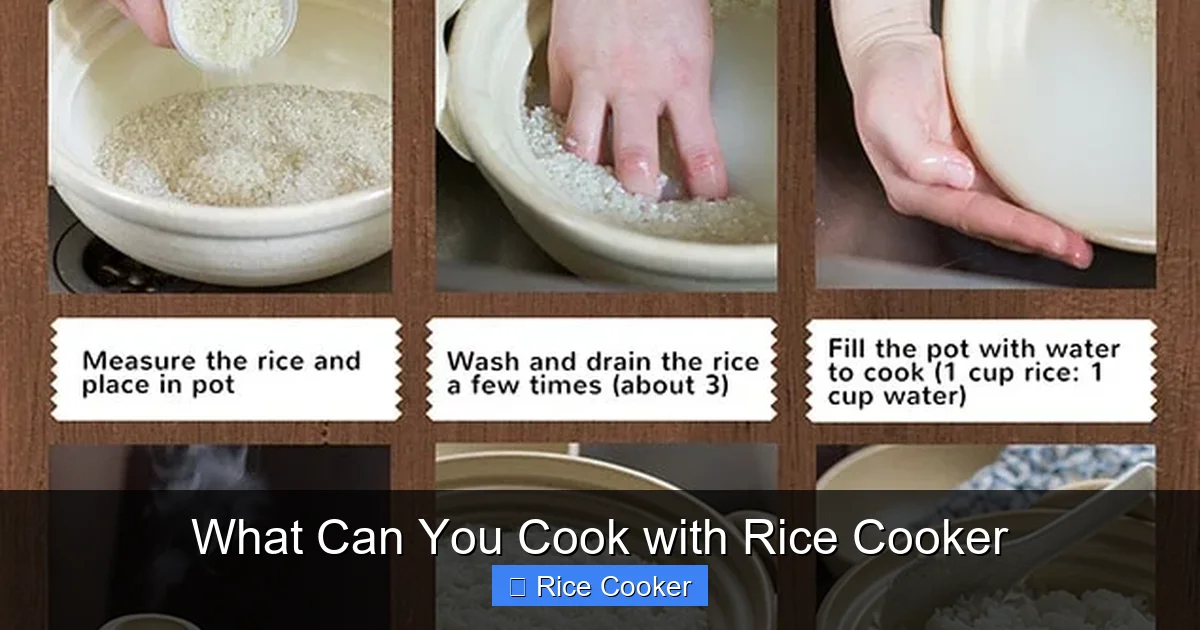
Your rice cooker is about to become your favorite kitchen gadget. It’s not just for cooking plain white rice—you can make everything from creamy risottos and fluffy oatmeal to tender stews and even desserts like rice pudding. With a few simple ingredients and the right technique, you can whip up hearty breakfasts, satisfying dinners, and sweet treats without lifting a pot on the stove.
Have you ever looked at your rice cooker and thought, “That’s it? Just rice?” Think again. While rice cookers were originally designed to cook rice perfectly every time, they’re now powerful kitchen workhorses capable of doing so much more. Whether you’re meal-prepping for the week, craving a warm bowl of oatmeal on a chilly morning, or dreaming of a comforting chicken and rice dinner, your rice cooker can handle it all. With just a few simple ingredients and a little creativity, you can turn this humble appliance into your go-to tool for breakfast, lunch, dinner, and even dessert.
The magic of a rice cooker lies in its ability to maintain consistent heat and moisture, which is perfect not only for rice but also for steaming, slow-cooking, and braising. Many modern models come with multiple settings like brown rice, porridge, or even soup, making them incredibly versatile. But even if your model is basic, you can still cook a wide range of dishes by adjusting liquid ratios and cooking times slightly. In this article, we’ll explore exactly what you can cook with a rice cooker—beyond the usual white rice—and share practical tips to help you get the most out of your appliance.
Key Takeaways
- Beyond rice: Your rice cooker can cook grains, legumes, vegetables, and proteins, expanding its use far beyond plain cooked rice.
- One-pot meals: You can make complete meals in one pot—like chicken and rice or beef stew—with minimal cleanup.
- Breakfast options: Make overnight oats, quinoa porridge, or scrambled eggs with just a splash of water and a little oil.
- Dessert time: Yes, you can make rice pudding, steamed puddings, and even cakes using your rice cooker.
- Time-saving tips: Use the delay timer and keep-warm function to plan ahead and serve hot meals right when you need them.
- Safety first: Always use the right amount of liquid and avoid overfilling to prevent spills and ensure even cooking.
- Cleaning made easy: Most parts are dishwasher-safe, and non-stick inner pots make scrubbing simple.
Quick Answers to Common Questions
Can I cook frozen meat in my rice cooker?
Yes, but it’s safer to thaw meat first to ensure even cooking. If you must cook it frozen, increase liquid slightly and extend cooking time, but monitor closely to avoid undercooked spots.
Do I need to stir while cooking?
Not usually. The rice cooker circulates heat evenly, so stirring isn’t necessary. However, for certain dishes like oatmeal or eggs, a gentle stir halfway through can help prevent sticking.
Can I make sushi rice in a rice cooker?
Absolutely! Sushi rice is just short-grain rice cooked with the right water-to-rice ratio. Rinse the rice well before cooking, then use 1:1.1 (rice to water) for perfect sticky sushi rice.
Is it safe to leave food in the rice cooker after cooking?
Most models have a keep-warm function, but it’s best not to leave food sitting for more than 2 hours to avoid bacterial growth. If unsure, transfer leftovers to the fridge.
Can I use my rice cooker to steam vegetables?
Yes! Place vegetables in a steamer basket above a small amount of water. Cover and cook for 10–15 minutes, depending on the vegetable. Broccoli, carrots, and greens all work well.
📑 Table of Contents
Cooking Grains Beyond Rice
One of the easiest ways to expand your rice cooker’s usefulness is by cooking different types of grains. Quinoa, barley, millet, farro, and bulgur all cook beautifully in a rice cooker with similar water-to-grain ratios as rice. For example, quinoa needs about double its volume in water and typically cooks in 15–20 minutes. Simply rinse the grain, add it to the inner pot with water (and a pinch of salt), close the lid, and press the “Cook” button. Once done, fluff with a fork and serve as a side dish or mix into salads.
Oats are another grain that thrives in a rice cooker. Instead of boiling them on the stove, try making overnight oats or a creamy porridge. For instant oatmeal, use 1 cup of water per ½ cup of oats. Add cinnamon, nuts, or fruit before cooking for extra flavor. The result is a soft, creamy texture that’s perfect for breakfast or a quick snack.
How to Cook Perfect Quinoa in a Rice Cooker
Quinoa can be tricky on the stovetop because it often sticks or becomes mushy. A rice cooker solves that problem effortlessly. Start by rinsing 1 cup of quinoa under cold water to remove any bitterness. Then, combine it with 2 cups of water (or broth for added flavor) in the inner pot. Close the lid, select the “Cook” setting, and let it do its thing. When the cycle finishes, let it sit for 5 minutes before opening. Fluff gently with a fork and season with olive oil, lemon juice, or herbs.
Hearty One-Pot Meals
If you love the idea of minimal cleanup and maximum flavor, one-pot meals are your best friend—and your rice cooker makes them easy. Chicken and rice, beef stew, and vegetable risotto are all possible with a few simple steps. Start by sautéing onions, garlic, and protein in a bit of oil at the beginning. Then add rice (or another grain), liquid (broth works great), and seasonings. Press “Cook” and wait. The rice cooker will absorb all the liquid and cook the ingredients evenly.
For a classic chicken and rice dish, brown 1 pound of chicken thighs in the inner pot with a little oil. Remove the chicken, add diced onions and carrots, then stir in 1 cup of jasmine rice and 2 cups of chicken broth. Return the chicken to the pot, nestling it into the rice. Cook until the liquid is absorbed and the chicken is tender—usually around 30–40 minutes depending on your model.
Tips for One-Pot Success
- Pre-sauté ingredients: Searing meat or softening vegetables before adding liquid helps build flavor.
- Use broth instead of water: This adds richness and depth to your dish.
- Don’t lift the lid: Resist checking during cooking to maintain consistent temperature.
- Let it rest: After cooking, let the meal sit for 5–10 minutes to allow flavors to meld.
Breakfast Ideas That Wake Up Your Taste Buds
Who says breakfast has to be boring? With a rice cooker, you can create warm, comforting meals that feel indulgent but take minimal effort. Overnight oats are a popular choice—just mix rolled oats, milk, chia seeds, and your favorite toppings (like berries or honey) in a jar, refrigerate overnight, and wake up to a ready-to-eat meal. But if you want something warm, try cooking oatmeal directly in the rice cooker.
For a savory start to the day, scrambled eggs with cheese and veggies are surprisingly easy. Crack 2–3 eggs into the inner pot, add a splash of milk, diced bell peppers, and shredded cheese. Stir gently, close the lid, and cook on the “Egg” or “Keep Warm” setting if available. If not, set the rice cooker to “Cook” mode and stir halfway through. The gentle heat creates creamy, custardy eggs without sticking.
Creamy Rice Cooker Oatmeal Recipe
Combine ½ cup of rolled oats, 1 cup of water, ¼ teaspoon of cinnamon, and a pinch of salt in the inner pot. Add chopped apple or banana for sweetness if desired. Close the lid and cook on “Porridge” or “Cook” mode. Once done, stir in a spoonful of almond butter or a drizzle of maple syrup. Top with fresh fruit and enjoy a warm, nutritious breakfast.
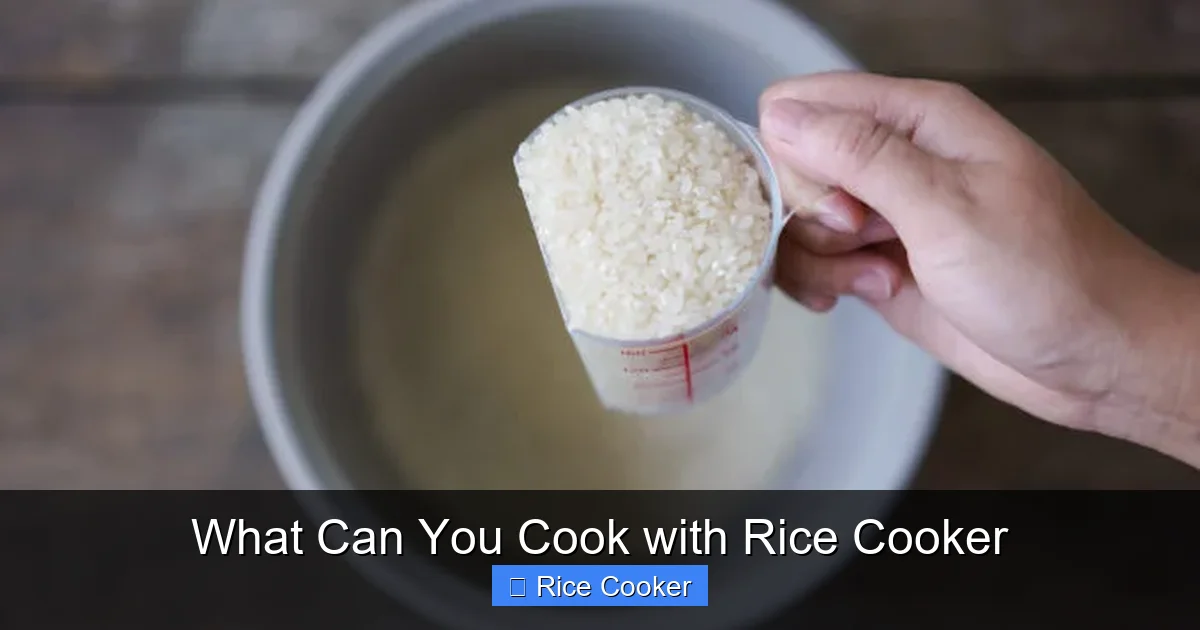
Visual guide about What Can You Cook with Rice Cooker
Image source: hungryhuy.com
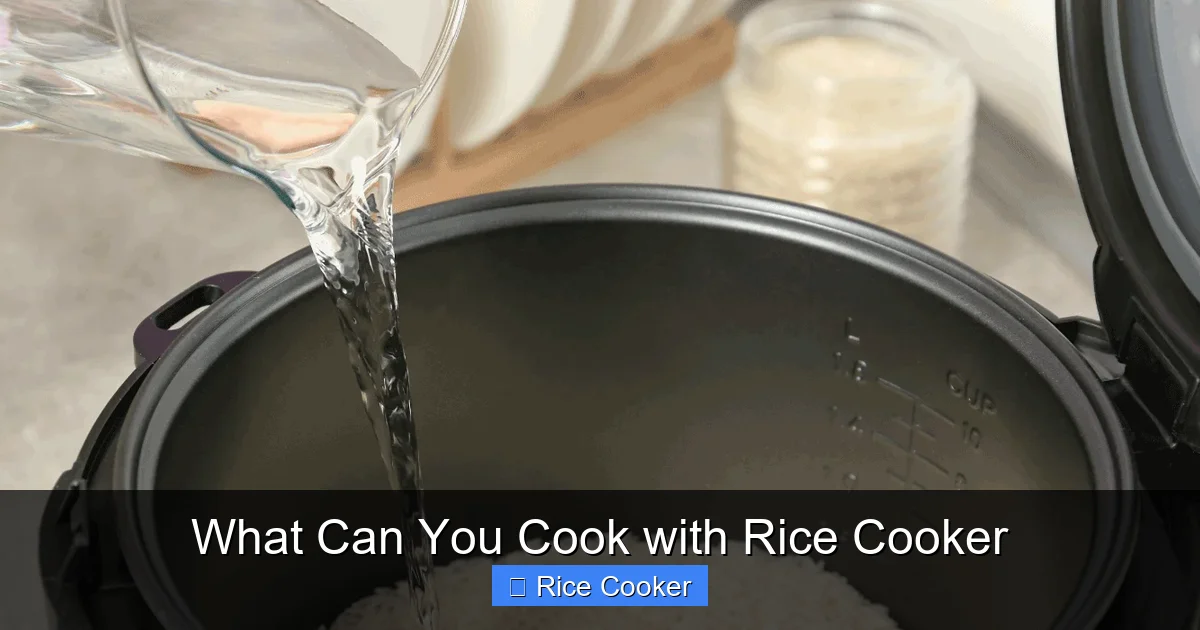
Visual guide about What Can You Cook with Rice Cooker
Image source: expertreviewsbestricecooker.com
Vegetarian and Vegan Delights
Rice cookers shine when cooking plant-based meals too. Lentil soups, bean chili, and vegetable biryani are all possible with a few key ingredients. For a quick lentil curry, sauté onions, garlic, and ginger, then add red lentils, coconut milk, diced tomatoes, and spices like turmeric and cumin. Cook until the lentils are soft and the sauce thickens. Serve over basmati rice or with naan bread.
Veggie-packed risotto is another crowd-pleaser. Sauté mushrooms, peas, and spinach, then add Arborio rice and vegetable broth. Let it simmer in the rice cooker until creamy. The constant stirring isn’t necessary—the appliance does the work for you. Finish with a sprinkle of nutritional yeast or Parmesan for umami flavor.
Easy Vegetable Biryani
Layer cooked basmati rice with sautéed mixed vegetables (like carrots, green beans, and potatoes), onion, and spices (garam masala, turmeric, and chili powder). Pour in a little broth or water, cover, and cook until tender. Garnish with fresh cilantro and a dollop of yogurt before serving.
Soups and Stews Made Simple
While traditional soups require constant stirring and monitoring, rice cookers can handle them with minimal attention. The low-and-slow heat is ideal for breaking down tough cuts of meat or legumes into tender, flavorful stews. For a beef stew, brown chuck roast in the pot, then return it with onions, carrots, celery, potatoes, and beef broth. Season with thyme, bay leaves, and black pepper. Cook on high for 60–90 minutes, or until the meat falls apart.
Chicken noodle soup is another winner. Simmer chicken breasts with celery, carrots, onion, and egg noodles in chicken broth. Add salt, pepper, and a squeeze of lemon juice at the end for brightness. The rice cooker keeps everything warm and tender without burning.
Pro Tip: Thicken Soups Naturally
If your soup is too thin after cooking, transfer the solids to a blender, blend partially, then return them to the pot. This creates a creamy texture without needing flour or cornstarch.
Desserts You Can Actually Make at Home
Yes, you read that right—your rice cooker can make desserts too. Rice pudding is the classic example: combine rice, milk, sugar, cinnamon, and vanilla in the inner pot, then cook until creamy and thick. Stir occasionally if your model allows, or just let it simmer. Serve warm with a sprinkle of nutmeg or a drizzle of caramel.
Steamed puddings are another treat. Mix mashed bananas, eggs, brown sugar, and spices like nutmeg and cinnamon. Pour into a greased bowl, cover tightly with foil, and steam in the rice cooker with 1 inch of water below the bowl. Steam for 45–60 minutes, then let cool before flipping out onto a plate.
Even cake is possible! Layer cake batter and fruit in a greased mold, then steam in the rice cooker with water beneath. This method creates a moist, steamed cake that’s perfect for birthdays or special occasions.
No-Stir Rice Pudding Recipe
In the inner pot, combine ½ cup of Arborio rice, 4 cups of whole milk, ¼ cup of sugar, 1 teaspoon of vanilla extract, and a pinch of salt. Cook on “Porridge” or “Cook” mode until thick and creamy—about 45–60 minutes. Stir once halfway through if needed. Serve warm with toasted almonds and a cinnamon stick.
Tips for Maximum Versatility and Safety
To get the most out of your rice cooker, follow these practical tips:
- Don’t overfill: Never exceed the max water line to prevent overflow and potential electrical issues.
- Use the right liquid ratio: Different grains and dishes need different amounts of liquid. When in doubt, start with more liquid and reduce if needed.
- Preheat for better results: Some recipes benefit from preheating the inner pot with a bit of oil before adding ingredients.
- Clean immediately: Rice cookers are easier to clean when residue is fresh. Rinse the inner pot while it’s still warm.
- Experiment with timers: Use the delay start feature to have meals ready when you are—perfect for busy mornings or late dinners.
Frequently Asked Questions
Can you cook pasta in a rice cooker?
Yes, but it requires a different technique. Add pasta and boiling water (not raw), then cook until al dente. Stir occasionally to prevent sticking. Drain excess water before serving.
How much liquid do I need for brown rice in a rice cooker?
Brown rice needs about 1.5 times its volume in water. So for 1 cup of brown rice, use 1.5 cups of water. It may take longer to cook—up to 50 minutes.
Can I make yogurt in a rice cooker?
Some advanced models have a yogurt setting, but most rice cookers aren’t designed for fermentation. However, you can use the keep-warm function to incubate yogurt if you have a thermometer to control temperature.
What should I do if my rice cooker starts smoking?
Turn it off immediately and unplug it. Check if there’s stuck food in the heating element or if the inner pot is damaged. Allow it to cool completely before cleaning or inspecting.
Can I cook beans from dry in a rice cooker?
Yes! Soak beans overnight, then cook with twice their volume in water. Set the timer for 60–90 minutes on high. Check periodically—they should be tender but not mushy.
Is it okay to cook acidic foods like tomatoes in a non-stick rice cooker?
Most non-stick coatings can handle mild acidity, but prolonged exposure to strong acids (like undiluted vinegar or lemon juice) may damage the surface over time. Limit use for tomato-based dishes.