
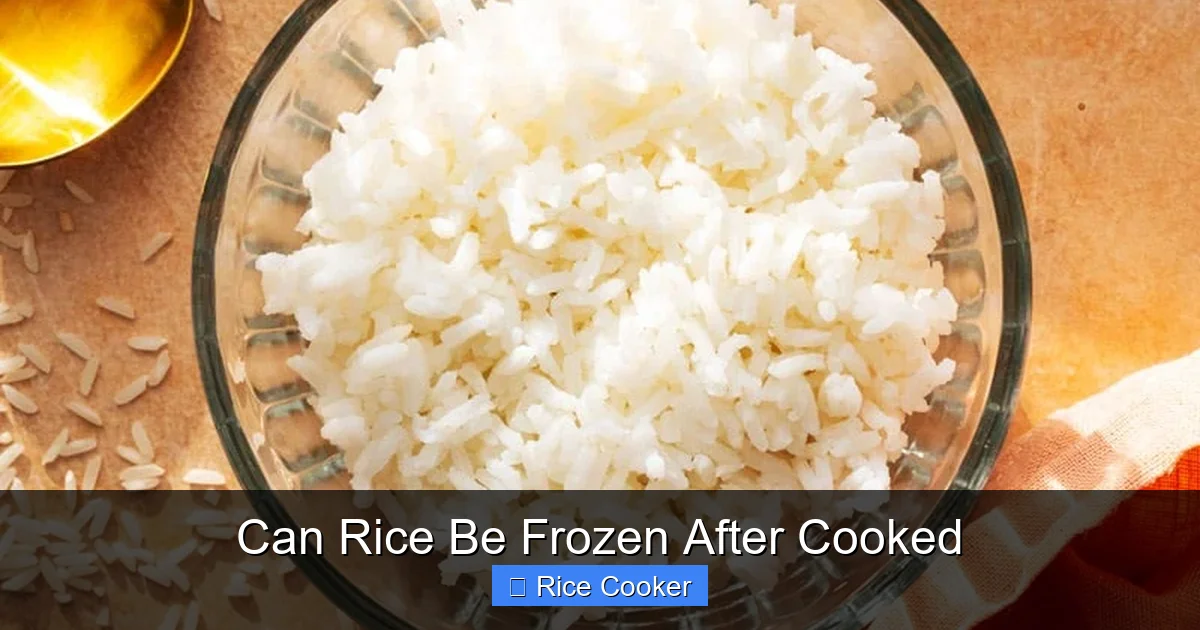
Can rice be frozen after cooked? Absolutely! Properly stored cooked rice freezes well for up to 3 months and can be reheated safely. The key is quick cooling, proper portioning, and using airtight containers—this preserves texture, flavor, and food safety. Whether you’re meal prepping or saving leftovers, freezing rice is a smart, space-saving strategy that keeps your meals convenient and waste-free.
Key Takeaways
- Freezing cooked rice is safe and effective: When done correctly, it preserves quality and extends shelf life up to 3 months.
- Portion control matters: Freeze rice in small, single-serving portions for faster thawing and easier reheating.
- Airtight containers or freezer bags are essential: They prevent freezer burn and keep rice from absorbing unwanted odors.
- Label and date everything: This helps you track freshness and avoid confusion when multiple batches are in the freezer.
- Thaw safely: Always thaw in the refrigerator or use the microwave to avoid bacterial growth in the “danger zone” (40°F–140°F).
- Reheat properly: Steam or add moisture during reheating to restore softness lost during freezing.
- Best types of rice for freezing: White rice freezes better than brown rice due to lower oil content and firmer texture.
Quick Answers to Common Questions
Can I freeze rice immediately after cooking?
No, you shouldn’t freeze rice right away. Let it cool to room temperature first (within 1 hour) to avoid condensation and bacterial growth. Then proceed with portioning and freezing.
Does freezing rice affect its taste?
In most cases, no—especially if stored properly. Some people notice a slight difference, but reheating with added moisture usually restores the original texture and flavor.
Can I refreeze thawed rice?
It’s not recommended. Each freeze-thaw cycle degrades quality. If you’ve thawed more than you need, cook it fully and then freeze again—but only once total.
Is it safe to eat rice that’s been frozen and reheated multiple times?
Yes, as long as it’s always stored and reheated properly. The key is avoiding temperature abuse during handling.
Can I freeze rice in the microwave-safe container?
Only if the container is labeled freezer-to-microwave safe. Otherwise, transfer rice to a suitable container or bag before freezing.
📑 Table of Contents
- Introduction: Why Freeze Cooked Rice?
- Understanding Rice and Its Structure
- How Long Can You Freeze Cooked Rice?
- Step-by-Step Guide: How to Freeze Cooked Rice Safely
- Best Containers for Freezing Rice
- How to Thaw and Reheat Frozen Rice Perfectly
- Common Myths About Freezing Cooked Rice
- Practical Uses for Frozen Rice
- Special Considerations: Rice Types and Dietary Needs
- Environmental and Cost Benefits of Freezing Rice
- Conclusion: Yes, You Should Freeze Cooked Rice!
Introduction: Why Freeze Cooked Rice?
Have you ever found yourself staring at a pot of leftover rice, wondering what to do with it? Or maybe you just cooked too much for one meal and want to save time later? If so, you’re not alone. Cooking rice is simple—boil water, add rice, wait, and done. But what happens when you end up with more than you need?
That’s where freezing comes in. Can rice be frozen after cooked? The short answer is yes—and it’s one of the most practical ways to reduce food waste and keep your kitchen organized. Frozen rice stays fresh for weeks (even months), and when thawed and reheated right, it tastes almost as good as freshly made.
But before you toss that pot into the freezer, there are important steps to follow. Freezing rice incorrectly can lead to sogginess, freezer burn, or even foodborne illness if not handled safely. In this guide, we’ll walk you through everything you need to know—from the science behind freezing rice to practical tips for perfect results every time. Whether you’re a busy parent, a meal prep enthusiast, or someone who loves Indian curries and stir-fries, freezing cooked rice is a game-changer.
Understanding Rice and Its Structure
To understand why freezing works (or doesn’t) for rice, it helps to know a little about what rice actually is. At its core, rice is a starchy grain composed mainly of carbohydrates. When cooked, the starches absorb water and swell, creating that soft, fluffy texture we love. The type of rice—white vs. brown, long-grain vs. short-grain—affects how it behaves when frozen.
Visual guide about Can Rice Be Frozen After Cooked
Image source: projectperfecthome.com
Why Some Rices Freeze Better Than Others
White rice, especially long-grain varieties like jasmine or basmati, freezes particularly well. That’s because it has less fat and oil than brown rice, which can oxidize and become rancid over time in the freezer. Brown rice, while nutritious, tends to go stale faster and can develop off-flavors when frozen repeatedly.
Short-grain rice, like sushi rice, also freezes well due to its higher starch content and sticky texture. However, if you’re planning to use it for sushi or onigiri after thawing, consider whether the texture change might affect your dish.
The Science Behind Freezing Starchy Foods
When rice cools, the starches begin to recrystallize—a process called retrogradation. This means the starch molecules realign and form a denser structure. While this can make rice slightly firmer when reheated, it’s actually beneficial for freezing because it helps maintain shape and prevents mushiness.
However, repeated freeze-thaw cycles can break down cell walls and release moisture, leading to clumping. That’s why portioning and proper sealing are so important.
How Long Can You Freeze Cooked Rice?
If you’re wondering how long rice can stay in the freezer, here’s the general rule: cooked white rice is safe to eat for up to 3 months when properly stored. Brown rice lasts about 2 months. Beyond that, the risk of freezer burn increases, and flavor may degrade.
Visual guide about Can Rice Be Frozen After Cooked
Image source: thienphucorporation.com
Signs Your Frozen Rice Is Still Good
- Texture: It should still feel firm and not slimy or icy.
- Smell: No sour, musty, or off-putting odors.
- Appearance: Avoid rice that looks discolored, has ice crystals forming inside the container, or feels dry and crumbly.
Can You Freeze Rice Too Long?
While rice won’t necessarily spoil if frozen beyond 3 months, quality declines. The longer it stays, the more likely it is to develop freezer burn, lose moisture, or absorb flavors from other foods in the freezer.
Step-by-Step Guide: How to Freeze Cooked Rice Safely
Freezing rice isn’t as simple as throwing it in a bag and popping it in the freezer. Doing it the right way ensures safety, texture, and taste. Follow these steps for best results:
Step 1: Let Rice Cool Quickly
After cooking, let rice sit at room temperature for no more than 1 hour. Then, spread it out in a shallow tray or container to cool faster. This reduces the time it spends in the “danger zone” (40°F–140°F), where bacteria like *Bacillus cereus* can multiply.
Step 2: Portion Into Small Amounts
Divide the rice into single- or double-serving portions. This makes future reheating quicker and prevents you from defrosting more than you need.
Step 3: Use Airtight Containers or Freezer Bags
Place each portion into a freezer-safe container with a tight lid or a heavy-duty freezer bag. Remove as much air as possible from bags to minimize exposure to cold, dry air.
Step 4: Label and Date
Write the contents and date on the container or bag. Trust us—you’ll thank yourself later when you have five unlabeled freezer bags and don’t remember which is rice, pasta, or mystery soup.
Step 5: Freeze Flat
If using bags, lay them flat so they stack neatly and freeze quickly. This also saves freezer space and allows for faster thawing.
Best Containers for Freezing Rice
Not all containers are created equal when it comes to freezing. Here’s what to look for:
Glass vs. Plastic vs. Stainless Steel
- Glass containers: Great for durability and reusability, but heavier and more prone to breaking if dropped.
- Plastic containers with freezer-safe lids: Lightweight and stackable, but some plastics may leach chemicals if exposed to very low temperatures.
- Stainless steel containers: Not commonly used for freezing due to poor insulation and potential warping.
Recommended Options
- Freezer bags (e.g., Ziploc Freezer Quart): Affordable, space-saving, and great for portion control.
- Silicone containers: Flexible, easy to clean, and often come with leak-proof lids.
- BPA-free plastic tubs with tight seals: Ideal for families who freeze rice frequently.
Avoid These Mistakes
- Using regular sandwich bags—they often tear during freezing.
- Leaving rice uncovered—it dries out and picks up odors.
- Filling containers to the brim—rice expands slightly when frozen.
How to Thaw and Reheat Frozen Rice Perfectly
Thawing and reheating are where many people go wrong. Improper methods can leave you with either mushy rice or cold, hard clumps. Here’s how to bring your frozen rice back to life:
Safe Thawing Methods
- Refrigerator method (slowest, safest): Transfer the container to the fridge overnight. This prevents bacterial growth.
- Microwave method (fastest): Place rice in a microwave-safe dish, cover with a damp paper towel, and heat in 30-second intervals, stirring between rounds.
- Cold water method: Submerge the sealed bag in cold water for 10–15 minutes until thawed.
Tips for Reheating
- Add a splash of water or broth to steamed rice to restore moisture.
- Use a steamer basket or cover with a damp cloth while microwaving to trap steam.
- Stir occasionally to ensure even heating.
- Avoid overcooking—rice should be hot throughout but not crunchy or dry.
What NOT to Do
- Don’t thaw rice at room temperature for more than 2 hours.
- Avoid boiling frozen rice—it can become gluey.
- Don’t reuse partially thawed rice—refreeze it only once.
Common Myths About Freezing Cooked Rice
There are plenty of misconceptions floating around about frozen rice. Let’s clear them up:
Myth #1: Frozen Rice Is Unsafe
False. As long as the rice was cooled quickly and stored properly, it’s safe to eat for months. The *Bacillus cereus* bacteria produce spores that survive cooking but are killed during freezing. Once thawed and reheated, any toxins are destroyed.
Myth #2: Rice Loses All Nutrients When Frozen
Not really. While some vitamins (like vitamin C) may degrade over time, the majority of rice’s nutrients remain intact. Freezing actually helps preserve certain antioxidants better than refrigeration.
Myth #3: Rice Becomes Mushy After Freezing
This can happen if not stored or thawed correctly. But with proper technique—especially using airtight containers and adding moisture during reheating—rice stays fluffy and delicious.
Myth #4: You Can’t Freeze Rice With Sauce or Toppings
You can, but sauces may separate or thicken. For best results, freeze plain rice and add sauce, vegetables, or proteins when reheating.
Practical Uses for Frozen Rice
Freezing rice isn’t just about saving leftovers—it’s a powerful tool for streamlining your kitchen. Here are some creative ways to use it:
Meal Prep Staples
Prepare a big batch of rice on Sunday, freeze portions, and grab one for lunch all week. Pair with grilled chicken, roasted veggies, or taco meat for instant meals.
Global Cuisine Boosters
- Use in fried rice, biryani, or arroz con pollo.
- Add to soups or stews for extra body and nutrition.
- Make rice pudding or risotto by reheating with milk and sugar.
Emergency Food Storage
Keep a few bags of rice in your emergency kit. It’s non-perishable, calorie-dense, and versatile.
Kid-Friendly Meals
Reheat with cheese sauce for mac ‘n’ cheese, or mix with peas and ham for kid-approved comfort food.
Special Considerations: Rice Types and Dietary Needs
Different diets and rice varieties require special attention when freezing:
Brown Rice
As mentioned earlier, brown rice has a shorter freezer life due to its oil content. To extend shelf life, store it in the freezer within 2 days of cooking and consume within 2 months.
Gluten-Free and Whole Grain Options
These work well in the freezer too. Just be mindful that whole grains can become harder over time, so adjust reheating time accordingly.
Low-Sodium or Vegan Rice
Perfect for freezing—just ensure any added ingredients (like coconut milk or soy sauce) are compatible with long-term storage.
Rice With Eggs or Dairy
It’s okay to freeze rice with raw eggs, but not with dairy (like cream-based sauces), as it can split or spoil faster. Best to add dairy during reheating.
Environmental and Cost Benefits of Freezing Rice
Beyond convenience, freezing rice has real-world benefits:
- Reduces food waste: Up to 30% of food in households goes uneaten—much of it due to spoilage. Freezing rice cuts that down significantly.
- Saves money: Buying rice in bulk is cheaper. Freezing lets you buy larger quantities without fear of waste.
- Less energy use: Making a full pot of rice uses similar energy whether you cook for one or freeze extras for later.
Conclusion: Yes, You Should Freeze Cooked Rice!
So, can rice be frozen after cooked? Without a doubt—yes. With the right techniques, you can enjoy fresh-tasting rice anytime, reduce waste, and simplify your meal routine. From portioning to labeling to safe thawing, the steps are simple and worth the effort.
Whether you’re stocking your freezer for busy weeks ahead or just trying to use up leftovers, freezing rice is a smart, science-backed strategy. And contrary to old myths, it won’t ruin your rice or your health. Just follow the guidelines, use quality containers, and treat it with care.
Next time you cook a big batch, remember: instead of tossing that extra rice, pop it in the freezer. You’ll thank yourself later—especially on those nights when you’re too tired to cook but still want a hot, satisfying meal.
Frequently Asked Questions
How long does cooked rice last in the freezer?
Properly stored cooked white rice can last up to 3 months in the freezer. Brown rice lasts about 2 months due to its higher oil content.
Should I freeze rice hot or cold?
Never freeze rice while it’s still hot. Let it cool completely to room temperature first. Hot food creates condensation, which leads to ice crystals and potential bacterial contamination.
Can I freeze rice with sauce or toppings?
You can, but sauces may separate or become thick. For best results, freeze plain rice and add sauce, vegetables, or proteins during reheating.
How do I prevent freezer burn on frozen rice?
Use airtight containers or heavy-duty freezer bags, remove as much air as possible, and avoid leaving rice exposed to air. Labeling helps you use it within the recommended timeframe.
Is frozen rice good for making fried rice?
Absolutely! Many chefs prefer using frozen rice for fried rice because it’s drier and less likely to clump, resulting in better texture and browning.
Can babies or young children eat frozen rice?
Yes, as long as it’s fully reheated and cooled to a safe temperature. Always check for signs of spoilage before serving.