
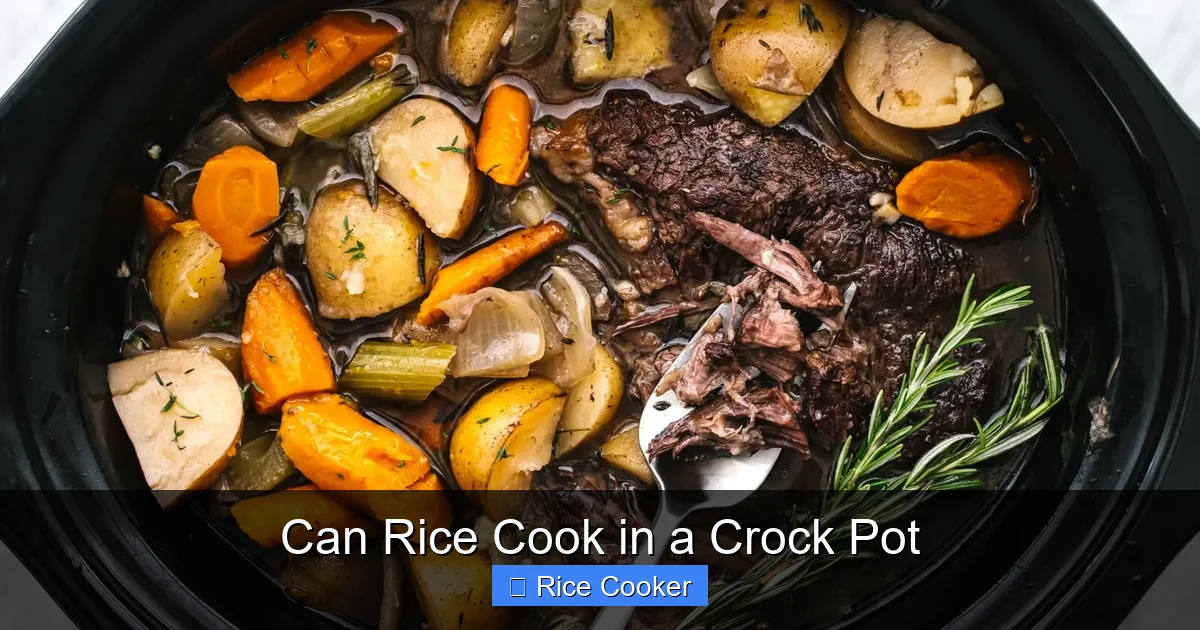
Can rice cook in a crock pot? Absolutely! While not the traditional method, cooking rice in a slow cooker yields tender, flavorful results when done correctly. With the right ratio and timing, your crock pot becomes a versatile tool for meal prep and one-pot dinners.
Key Takeaways
- Understanding can rice cook in a crock pot: Provides essential knowledge
Quick Answers to Common Questions
Can I cook brown rice in a crock pot?
Yes, but it requires longer soaking (up to 2 hours) and extended cooking time (2–3 hours on LOW). Expect softer, chewier results compared to white rice.
Do I need to add oil or butter to crock pot rice?
It’s optional. Oil helps prevent sticking and adds richness, but plain water works fine if you rinse the rice well beforehand.
What happens if I open the lid while cooking?
Steam escapes, slowing down the cooking process and potentially leading to unevenly cooked rice. Try to avoid lifting the lid until the timer goes off.
Can I cook rice overnight in my crock pot?
Absolutely. Just switch to WARM mode after the rice is fully cooked. However, monitor it the first time to ensure it doesn’t dry out or burn.
Will my crock pot last longer if I cook rice in it?
Not necessarily. Most modern crock pots handle moist-heat cooking just fine. Just ensure you clean the insert promptly and store it dry to prevent rust.
📑 Table of Contents
- Can Rice Cook in a Crock Pot?
- How Does Rice Cooking Work in a Slow Cooker?
- Best Types of Rice for Crock Pot Cooking
- Step-by-Step Guide: How to Cook Rice in a Crock Pot
- Tips for Perfect Crock Pot Rice Every Time
- Troubleshooting Common Crock Pot Rice Problems
- Creative Ways to Use Crock Pot Rice Beyond Plain White Rice
- Comparing Crock Pot vs. Traditional Rice Cookers
- Safety Tips When Cooking Rice in a Crock Pot
- Final Thoughts: Is It Worth It?
Can Rice Cook in a Crock Pot?
You might be surprised to learn that your crock pot isn’t just for stews, soups, or pulled pork—it can actually cook rice beautifully too. Whether you’re out of your dedicated rice cooker or simply want to simplify your kitchen routine, using a crock pot to cook rice is not only possible but surprisingly effective when you know the right techniques. In fact, many home cooks swear by this method for its hands-off convenience and ability to infuse flavors into the grains.
But before you start dumping raw rice and water into your slow cooker, it’s important to understand that not all rice is created equal when it comes to crock pot cooking. The key lies in choosing the right type of rice, getting the proportions just right, and respecting the slow cooker’s gentle, steady heat. With these basics down, you’ll be making restaurant-quality rice at home without any special equipment.
How Does Rice Cooking Work in a Slow Cooker?
Unlike boiling rice on the stove—where rapid evaporation and direct flame control the process—a crock pot relies on low, consistent heat over several hours. This method mimics the way rice is traditionally steamed in some Asian cuisines, resulting in moist, evenly cooked grains without scorching or sticking.
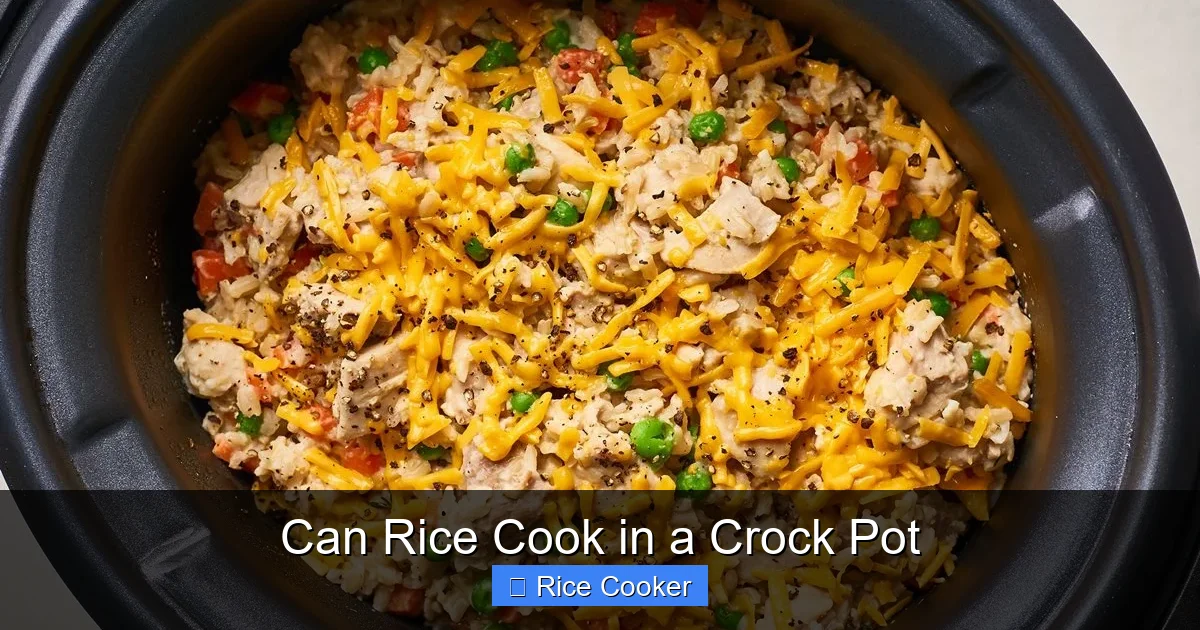
Visual guide about Can Rice Cook in a Crock Pot
Image source: recipes.net
The Science Behind Slow-Cooked Rice
Rice absorbs liquid and swells as it cooks. In a crock pot, steam builds naturally inside the sealed environment, creating a moist atmosphere perfect for grain transformation. Because the temperature stays around 190–205°F (88–96°C), starches gelatinize slowly, producing tender kernels rather than mushy ones.
Why People Use Crock Pots for Rice
There are several reasons why someone might choose a crock pot over a stovetop or electric rice cooker:
- Meal prep efficiency: You can set it and forget it while doing other tasks.
- Flavor infusion: Adding broth, herbs, or spices while cooking enhances taste.
- Energy savings: Uses less electricity than an oven or stovetop.
- Versatility: Great for pilafs, risottos, and even desserts like rice pudding.
Best Types of Rice for Crock Pot Cooking
Not every rice variety will perform well in a slow cooker. Some are too delicate, others too starchy, and a few simply don’t hold up to long, moist heat. Here’s what works best:
Visual guide about Can Rice Cook in a Crock Pot
Image source: tastymeatsrecipe.com
Short-Grain White Rice
This is the top choice for crock pot rice. It has high starch content, which helps bind grains together and creates a creamy texture ideal for dishes like sushi, risotto, or Japanese-style meals. Varieties such as Calrose or medium-grain rice cook evenly and stay intact.
Long-Grain White Rice
While slightly less sticky than short-grain, long-grain rice still absorbs moisture well and remains separate after cooking. Jasmine and Basmati are excellent options if you prefer fluffier results.
Avoid These Rice Types
- Brown rice: Takes much longer to cook and often turns out gummy unless pre-soaked and adjusted for time.
- Wild rice: Expensive and prone to overcooking; better suited for stovetop methods.
- Instant or quick-cooking rice: Designed for microwave use—will become mushy in a crock pot.
Step-by-Step Guide: How to Cook Rice in a Crock Pot
Ready to try it? Follow this simple process for foolproof results every time.
Gather Your Ingredients & Equipment
You’ll need:
- 1 cup uncooked rice (short or long grain)
- 2 cups water or broth (for added flavor)
- 1 tablespoon butter or oil (optional, for richness)
- Pinch of salt
- Crock pot with lid
Step 1: Rinse the Rice
Washing removes excess starch and prevents clumping. Place rice in a fine-mesh strainer and rinse under cold water until it runs clear—about 30 seconds to a minute.
Step 2: Soak (Optional but Recommended)
Soaking softens the outer layer of the grain, reducing cooking time and improving texture. Submerge rinsed rice in water for 20–30 minutes, then drain.
Step 3: Add Ingredients to Crock Pot
Place drained rice in the insert. Pour in 2 cups of liquid (water, chicken broth, or vegetable stock). Add salt and optional butter. Stir gently once.
Step 4: Cook on Low Heat
Cover and cook on LOW for 1 hour and 30 minutes. Do not lift the lid during this time—heat loss slows cooking and risks unevenness.
Step 5: Let It Rest
After turning off the crock pot, leave the lid on and let rice sit undisturbed for 10 minutes. This allows residual steam to finish cooking the grains and makes them easier to fluff.
Step 6: Fluff and Serve
Use a fork to gently separate the grains. Taste and adjust seasoning if needed. Serve immediately with grilled meats, stir-fries, or alongside soups.
Tips for Perfect Crock Pot Rice Every Time
Even with the right recipe, small adjustments can make a big difference. Here are pro tips from experienced slow cookers:
Watch the Water Ratio
The standard ratio is 2:1 (liquid to rice), but this can vary slightly depending on rice type and altitude. If your rice seems dry after resting, add a splash more water next time. If too wet, reduce liquid by ¼ cup.
Prevent Overcooking
Overcooked rice becomes mushy. Stick strictly to the recommended time unless your crock pot runs hotter or cooler than usual.
Add Flavor Infusions
Instead of plain water, use seasoned broth, coconut milk (for Thai-style rice), or even a pinch of turmeric for golden, mildly spiced rice.
Use a Liner or Nonstick Insert
If your crock pot insert scratches easily, line it with parchment paper or use a silicone baking mat to protect the surface.
Avoid Sticking
Never skip the initial stir after adding liquids. A light coating of oil also helps prevent clumping.
Troubleshooting Common Crock Pot Rice Problems
Even with the best intentions, things can go wrong. Here’s how to fix them:
Rice Is Too Dry or Undercooked
This usually means insufficient liquid or too-short cooking time. Next time, increase water by ¼ cup or extend cooking time by 15–20 minutes (check at 90 minutes).
Rice Is Mushy or Sticky
Likely due to overcooking or too much water. Reduce liquid next batch and stick closer to 1 hour 30 minutes on LOW.
Rice Sticks to the Bottom
Your crock pot may be too hot or lacking proper moisture at the base. Try stirring halfway through cooking or adding a bit more liquid initially.
Grains Are Uneven
This happens if rice wasn’t rinsed well or soaked properly. Always rinse thoroughly and soak for at least 20 minutes.
Lid Leaks Steam
Ensure the seal is tight. If condensation drips back into rice, tilt the lid slightly outward during cooking to redirect steam away from the insert.
Creative Ways to Use Crock Pot Rice Beyond Plain White Rice
Once you master basic rice, expand your culinary horizons with these flavorful twists:
Vegetable Rice Pilaf
Add sautéed onions, garlic, carrots, and peas to the crock pot along with rice and broth. Cook as usual for a hearty side dish.
Spanish-Style Arroz con Pollo
Layer rice with diced chicken, bell peppers, tomatoes, and chorizo. Cook on LOW for 2 hours for a complete one-pan meal.
Coconut Rice
Replace half the water with full-fat coconut milk. Add a cinnamon stick and cardamom pods for an exotic dessert or breakfast option.
Rice Pudding (Sweet Version)
Combine rice, milk, sugar, vanilla, and raisins. Cook on LOW for 2–3 hours, stirring occasionally, until thick and creamy.
Fried Rice Leftovers
Use leftover cooked rice from your crock pot to make classic fried rice—just scramble eggs, add veggies, and toss everything together in a pan.
Comparing Crock Pot vs. Traditional Rice Cookers
So when should you reach for your crock pot instead of a dedicated rice cooker? Each has pros and cons:
| Feature | Crock Pot | Electric Rice Cooker |
|---|---|---|
| Speed | 1.5–2 hours | 20–30 minutes |
| Texture Control | Good, but less precise | Highly automated |
| Multifunctionality | Yes (stews, soups, etc.) | Limited to rice/pilaf |
| Energy Use | Low (once heated) | Moderate |
| Cleanup | Easy with removable insert | Varies by model |
In short: use a rice cooker when speed matters, and a crock pot when you value versatility and slow, even cooking.
Safety Tips When Cooking Rice in a Crock Pot
Slow cookers are generally safe, but here’s how to minimize risks:
- Never overfill: Fill the insert no more than two-thirds full to allow steam circulation.
- Use heat-safe tools: Metal spatulas can scratch nonstick surfaces—opt for wood or silicone.
- Avoid cross-contamination: Wash hands and utensils before handling raw rice to prevent foodborne illness.
- Keep children away: The exterior of the crock pot gets hot during operation.
- Unplug when not in use: Especially important if you leave the house while it’s running.
Final Thoughts: Is It Worth It?
Cooking rice in a crock pot won’t replace your favorite rice cooker for daily use—especially if you eat rice multiple times a week—but it’s a fantastic backup plan or a clever trick for meal prep days. It shines when you want to multitask, simmer a flavorful broth while cooking grains, or create one-pot meals that feed a crowd.
With practice, you’ll develop a feel for how your specific crock pot behaves, adjusting times and ratios accordingly. And honestly? There’s something satisfying about knowing you didn’t need another gadget to make perfectly cooked rice.
Frequently Asked Questions
Is it safe to cook rice in a crock pot?
Yes, cooking rice in a crock pot is completely safe when done correctly. As long as you follow proper water ratios and cooking times, the rice will be safe to eat and free from harmful bacteria.
How much water do I use per cup of rice in a crock pot?
Use 2 cups of liquid for every 1 cup of uncooked rice. This 2:1 ratio ensures the rice cooks evenly without being too dry or too wet.
Can I cook jasmine or basmati rice in a crock pot?
Yes, both jasmine and basmati rice work well in a crock pot. They produce fluffy, aromatic results when cooked with the right amount of liquid and on low heat.
Should I stir the rice while it cooks in the crock pot?
No, stirring is not recommended during cooking. It can break apart the grains and disrupt the steaming process. Stir only once at the beginning when adding ingredients.
Can I cook frozen rice in a crock pot?
It’s not advised. Frozen rice is already partially cooked and may become mushy or uneven when reheated in a crock pot. Always use fresh, dry rice.
How do I store leftover crock pot rice?
Store in an airtight container in the refrigerator for up to 5 days. Reheat gently on the stovetop or microwave, adding a splash of water if needed to restore moisture.