
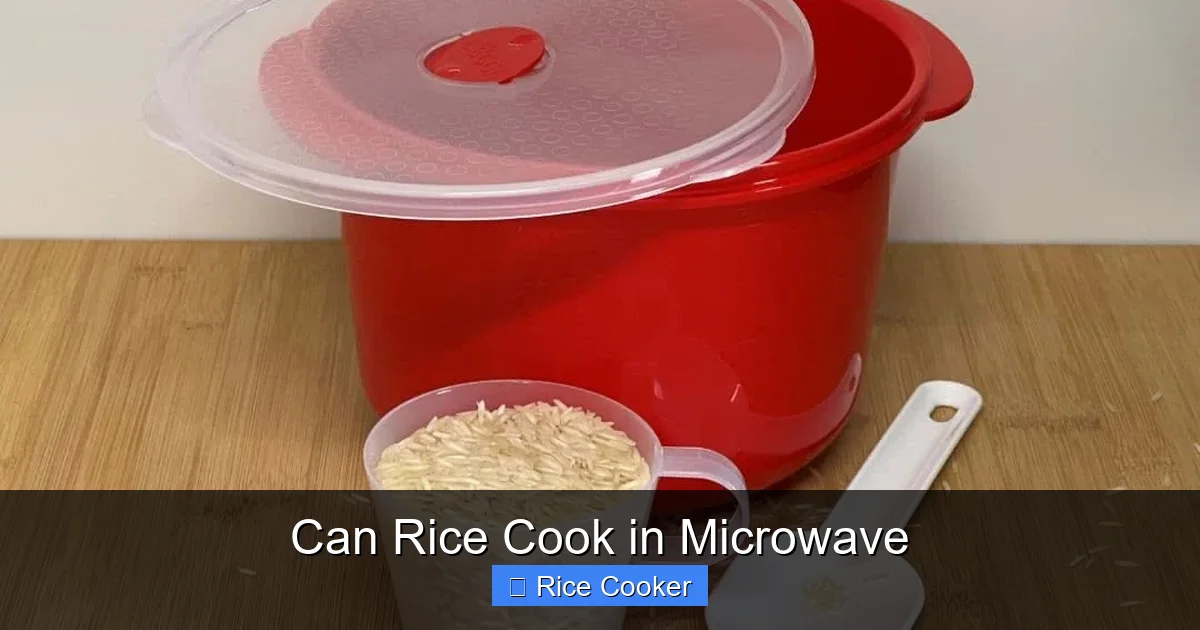
Can rice cook in a microwave? Absolutely! While traditional rice cookers offer convenience, microwaves are a quick and effective alternative for cooking rice—especially when you’re short on time or lack kitchen space. With the right water ratio and technique, you can achieve fluffy, evenly cooked grains every time. Whether you’re making white rice, brown rice, or even savory dishes like biryani, the microwave can handle it all. This guide walks you through everything from basics to advanced tips, so you’ll never struggle with mushy or undercooked rice again.
Key Takeaways
- Yes, rice can be cooked in a microwave: It’s possible using the right water-to-rice ratio and timing.
- Different rice types require different methods: White rice cooks faster than brown or jasmine rice.
- Use microwave-safe containers: Always choose containers labeled safe for high heat and steam release.
- Resting is essential: Let the rice sit after cooking to absorb residual moisture and finish steaming.
- You can customize flavors: Add spices, herbs, or broth for more flavorful rice.
- Troubleshooting is key: Overwatering causes sogginess; undercooking leads to hard grains.
- It saves time and energy: Microwave rice is perfect for busy days or small kitchens.
Quick Answers to Common Questions
Can I cook any type of rice in the microwave?
Yes, most types of rice can be cooked in the microwave—white, brown, jasmine, basmati, and even wild rice. Each type has specific water ratios and cooking times, but the basic method remains the same.
Do I need a special container to cook rice in the microwave?
You need a microwave-safe container with a lid or a microwave-safe cover. Glass or ceramic bowls work well, as long as they’re labeled safe for high heat and steam.
How much water should I use for 1 cup of rice?
For white rice, use 2 cups of water. For brown rice, use 2.5 cups. Jasmine and basmati rice typically need 1.75 cups. Always check the specific type of rice for best results.
Why do I need to let rice rest after microwaving?
Resting allows residual steam to finish cooking the rice evenly and prevents it from becoming soggy. It’s a crucial step for achieving fluffy, separate grains.
Can I add salt or spices while cooking rice in the microwave?
Absolutely. Add salt, garlic, onion powder, or even a bay leaf to the water before cooking for extra flavor. Just make sure not to over-season, as microwave cooking concentrates flavors.
📑 Table of Contents
- Can Rice Cook in Microwave? The Ultimate Guide to Perfect Microwave Rice
- The Science Behind Microwave Rice Cooking
- Types of Rice and Their Microwave Requirements
- Step-by-Step Guide: How to Cook Rice in the Microwave
- Tips for Fluffy, Perfect Microwave Rice Every Time
- Troubleshooting Common Microwave Rice Problems
- Creative Ways to Use Microwave Rice
- Comparing Microwave vs. Traditional Rice Cookers
- Final Thoughts: Is Microwave Rice Worth It?
Can Rice Cook in Microwave? The Ultimate Guide to Perfect Microwave Rice
If you’ve ever stared into your microwave, wondering whether it can do more than just warm leftovers or zap popcorn, you’re not alone. One of the most common kitchen questions is: can rice cook in a microwave? The short answer is yes—absolutely. In fact, many home cooks swear by their microwave for quick, consistent rice meals. But before you grab that bag of jasmine rice and head straight to the microwave, let’s dive deep into how it works, what you need, and how to make it foolproof.
Unlike stovetop cooking, which relies on direct heat and constant stirring, microwaving rice uses electromagnetic waves to agitate water molecules, heating the rice and surrounding liquid rapidly. While it doesn’t offer the same level of control as a rice cooker or pot, with the right method, you can achieve fluffy, separate grains every time. Plus, microwaving is incredibly fast—often taking just 10–15 minutes depending on the type of rice. So, whether you’re cooking for one, prepping for meal prep, or just don’t own a rice cooker, keep reading. We’ll walk you through everything you need to know to turn your microwave into a rice-cooking powerhouse.
The Science Behind Microwave Rice Cooking
How Microwaves Heat Food
Before we get into recipes, it helps to understand how microwaves work. Microwaves emit radiation that causes water molecules in food to vibrate, creating friction and heat. This process heats both the rice and the liquid it’s submerged in quickly and evenly. Unlike conduction (like stovetops), microwaves heat from the inside out, which means you don’t have to worry about scorching the bottom—just make sure your container is microwave-safe.

Visual guide about Can Rice Cook in Microwave
Image source: down-sg.img.susercontent.com
Why Rice Works Well in a Microwave
Rice is mostly starch and water, making it an ideal candidate for microwave cooking. When combined with the right amount of water and heated properly, the starches gelatinize, turning the grains soft but still separate. The key is controlling the moisture and ensuring even distribution of heat. Most importantly, microwaves allow you to cover the dish, trapping steam and mimicking the effect of a covered pot on the stove.
Types of Rice and Their Microwave Requirements
White Rice (Long-Grain)
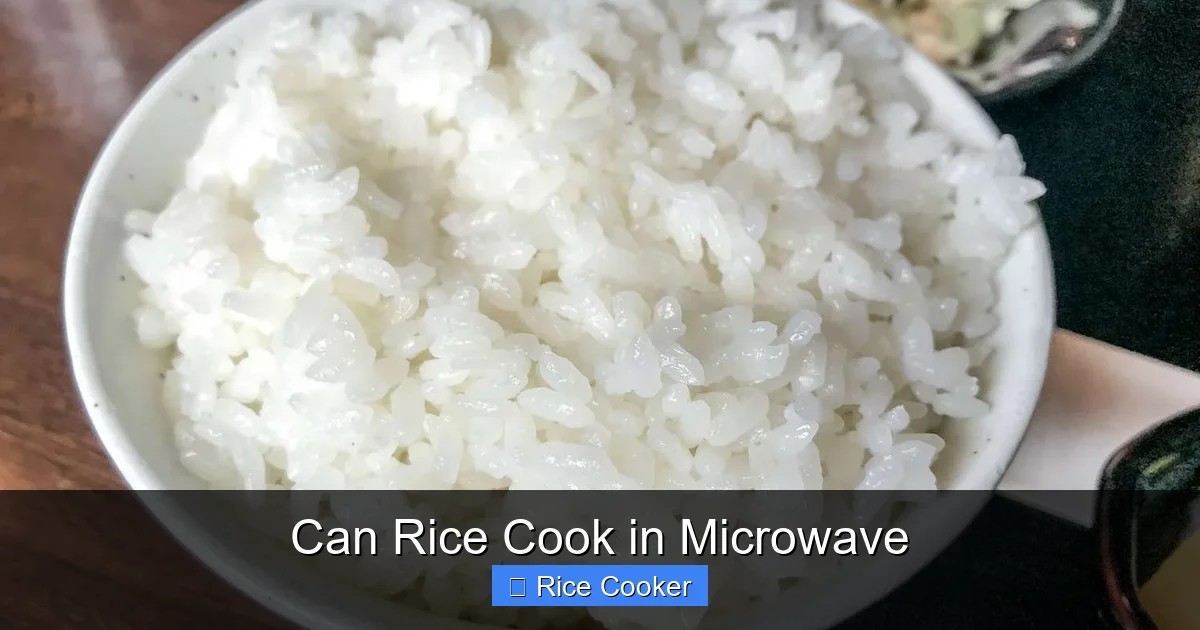
White long-grain rice is the easiest to cook in the microwave. It has a neutral flavor and cooks quickly, usually in 10–12 minutes. Use a 1:2 ratio of rice to water (1 cup rice to 2 cups water). Rinse the rice first to remove excess starch, which helps prevent clumping.
Visual guide about Can Rice Cook in Microwave
Image source: recipes.net
Brown Rice
Brown rice takes longer due to its bran layer, which slows down absorption. You’ll need a 1:2.5 ratio (1 cup rice to 2.5 cups water) and about 18–20 minutes of cooking time. Because it retains more nutrients, it’s also more nutritious—just be patient with the longer cooking time.
Jasmine and Basmati Rice
These aromatic varieties benefit from rinsing and soaking before cooking. Jasmine rice typically needs 1:1.75 water ratio and 12–14 minutes. Basmati rice, known for its fragrance and long grains, requires similar timing but slightly less water. Soaking for 20–30 minutes beforehand can improve texture.
Wild and Black Rice
These specialty rices take the longest—up to 30 minutes—and often need a 1:3 water ratio. Wild rice, in particular, has multiple grains that cook at different rates, so stir occasionally during the last few minutes.
Step-by-Step Guide: How to Cook Rice in the Microwave
Gather Your Supplies
- Microwave-safe bowl or container with a lid (or microwave-safe plate to cover)
- Measuring cups and spoons
- Fine-mesh strainer (for rinsing)
- Fork or rice paddle (for fluffing)
Step 1: Rinse the Rice
Place your rice in a fine-mesh strainer and rinse under cold water until the water runs clear. This removes excess starch and prevents stickiness. For brown rice, rinsing isn’t always necessary, but it can help reduce bitterness.
Step 2: Add Water and Combine
Transfer the rinsed rice to a microwave-safe bowl. Add water according to the ratio above. Stir gently to combine. Cover the bowl with a microwave-safe lid or vented plastic wrap (leave a small corner open to release steam).
Step 3: Microwave on High
Cook on high power. Times vary:
- White rice: 10–12 minutes
- Brown rice: 18–20 minutes
- Jasmine/Basmati: 12–14 minutes
Pause halfway through to stir gently, especially if using wild rice. This ensures even cooking.
Step 4: Let It Rest
This is crucial. After microwaving, let the rice sit, covered, for 5 minutes. This allows steam to redistribute and the rice to finish cooking off-heat. Then fluff with a fork.
Tips for Fluffy, Perfect Microwave Rice Every Time
Use the Right Container
A deep, wide bowl works best. Avoid shallow pans—they won’t hold enough water and may cause overflow. A glass container with a tight-fitting lid is ideal because it traps steam without leaking.
Don’t Skip the Resting Period
Rushing this step leads to unevenly cooked rice—some parts may be dry while others are mushy. Patience pays off!
Adjust Water Based on Altitude
At higher altitudes, water boils at a lower temperature, so rice may take longer to absorb moisture. Increase water slightly (by 1–2 tablespoons per cup) and extend cooking time by 1–2 minutes.
Add Flavor Without Compromising Texture
Instead of plain water, try adding a splash of broth, coconut milk, or even a bay leaf. These infuse flavor without affecting the rice’s structure.
Prevent Overcooking
If the rice starts to look dry or bubbling too aggressively, cover with a paper towel to absorb excess moisture. Alternatively, add a tablespoon of water and continue microwaving in short bursts.
Troubleshooting Common Microwave Rice Problems
Mushy or Sticky Rice
This usually happens from too much water or overcooking. Next time, reduce water by 1–2 tablespoons and avoid opening the microwave mid-cycle.
Undercooked Rice
Grains remain hard? Add 1–2 tablespoons of water, cover, and microwave in 1-minute intervals until tender.
Uneven Cooking
Stirring halfway helps. Also, ensure the rice is spread evenly in the bowl and not piled too high.
Overflow
Use a larger container and don’t fill beyond halfway. Covering tightly prevents splatter, but vent slightly if foaming occurs.
Creative Ways to Use Microwave Rice
One-Pot Meals
Cook rice with diced vegetables, soy sauce, and protein for a complete meal. Try chicken and broccoli rice in 15 minutes!
Risotto-Style Creamy Rice
Replace water with half broth and half heavy cream. Stir frequently in the microwave for a creamy, rich texture.
Sushi Rice
Perfect for making sushi at home. Rinse short-grain rice, use a 1:1.2 water ratio, and let it cool before mixing with vinegar dressing.
Fried Rice Base
Cook rice ahead, let it cool, then fry with eggs, veggies, and sauce. Cold rice fries better—no clumping!
Dessert Rice Pudding
Use whole milk instead of water, add cinnamon, raisins, and sugar. Cook until thickened—a cozy dessert in 10 minutes.
Comparing Microwave vs. Traditional Rice Cookers
| Method | Time | Ease of Use | Consistency | Best For |
|---|---|---|---|---|
| Microwave | 10–20 mins | Easy, minimal cleanup | Good with practice | Small batches, quick meals |
| Rice Cooker | 20–40 mins | Fully automated | Very consistent | Large families, meal prep |
| Stovetop | 15–25 mins | Requires attention | Variable | Traditionalists, flavor infusion |
While rice cookers win in consistency and automation, microwaves offer speed and simplicity—perfect for solo diners or dorm rooms.
Final Thoughts: Is Microwave Rice Worth It?
So, can rice cook in a microwave? Without a doubt. It’s not just possible—it’s practical, efficient, and surprisingly reliable once you master the basics. Whether you’re cooking white rice for tacos, wild rice for a salad, or even rice pudding for dessert, your microwave can handle it. The key lies in understanding the science, choosing the right tools, and being patient during the resting phase.
Don’t let the absence of a rice cooker hold you back. With these tips and techniques, you’ll be whipping up restaurant-quality rice in minutes. And who knows? You might find yourself reaching for your microwave more often than your stovetop. After all, convenience doesn’t mean sacrificing quality—especially when it comes to something as simple and satisfying as a perfectly cooked grain of rice.
Frequently Asked Questions
Is it safe to cook rice in the microwave?
Yes, it’s completely safe as long you use a microwave-safe container and follow proper cooking times. Always cover the rice to retain steam and prevent drying.
How long does it take to cook rice in the microwave?
White rice takes about 10–12 minutes, brown rice 18–20 minutes, and jasmine or basmati rice around 12–14 minutes. Always refer to your rice package for exact instructions.
Can I reheat leftover rice in the microwave?
Yes, but add a splash of water or broth to prevent dryness. Cover and heat in 30-second intervals, stirring in between.
What happens if I use too much water?
Too much water results in mushy, soupy rice. Reduce water next time by 1–2 tablespoons per cup and avoid opening the microwave during cooking.
Can I cook rice with vegetables in the microwave?
Yes! Add diced carrots, peas, or beans along with the rice. Just increase cooking time slightly—about 2–3 minutes longer—to ensure everything is tender.
Do I need to soak rice before microwaving?
Soaking is optional but helpful, especially for jasmine or basmati rice. Soak for 20–30 minutes to improve texture and reduce cooking time.