
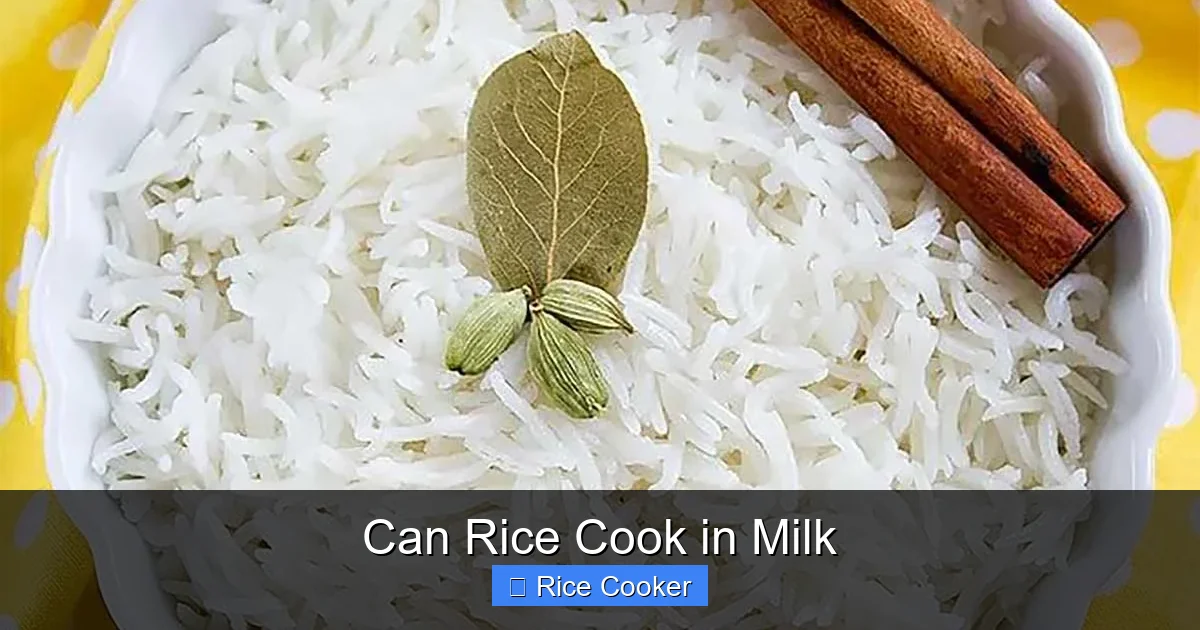
Yes, you can cook rice in milk using your rice cooker—it creates a rich, creamy dish perfect for desserts or unique meals. This method adds natural sweetness and a luscious texture that plain rice lacks. With the right technique, you’ll get perfectly cooked grains every time without overcooking or sticking.
Key Takeaways
- Yes, rice can be cooked in milk: It produces a creamy, rich dish ideal for desserts or savory twists.
- Best rice types for milk cooking: Use short-grain or glutinous rice for optimal creaminess and stickiness.
- Proper ratios matter: A common starting point is 1 cup rice to 2–3 cups milk (plus water if needed).
- Cooking time increases: Expect longer cook times than with water—patience ensures tender grains.
- Add-ins enhance flavor: Try cinnamon, vanilla, honey, or dried fruits for delicious variations.
- Cleaning is essential: Milk residues attract bacteria; clean your rice cooker promptly after use.
- Safety first: Always follow manufacturer guidelines when using non-standard liquids like milk.
📑 Table of Contents
- Can Rice Cook in Milk? Yes—and Here’s How!
- The Science Behind Cooking Rice in Milk
- Which Types of Rice Work Best in Milk?
- Step-by-Step Guide: Cooking Rice in Milk Using a Rice Cooker
- Creative Recipes Using Milk-Cooked Rice
- Dietary Considerations and Substitutions
- Cleaning and Maintenance After Cooking Rice in Milk
- Safety Precautions When Cooking Rice in Milk
- Frequently Asked Questions
- Conclusion: Embrace the Creamy Possibilities
Can Rice Cook in Milk? Yes—and Here’s How!
Imagine waking up to the warm, comforting aroma of sweet, creamy rice gently steaming on your stove. Now picture that same experience powered by your trusty rice cooker. That’s exactly what happens when you cook rice in milk—a surprisingly simple yet transformative technique that turns ordinary grains into something extraordinary. Whether you’re dreaming of a decadent dessert or just craving something richer than plain white rice, cooking rice in milk delivers both flavor and texture in one go.
You might wonder: Is this actually safe? Will my rice turn out mushy? Can any type of rice even handle milk? These are all valid questions—and the good news is, yes, rice can cook in milk using your rice cooker. In fact, it’s a time-honored method used across cultures, from Japanese mochi to Indian kheer and Italian risotto-style preparations. The key lies not just in using the right ingredients but also in understanding how heat, liquid, and starch interact during cooking. Let’s dive into everything you need to know to make perfect milk-cooked rice every single time.
The Science Behind Cooking Rice in Milk
Before we get into recipes or step-by-step instructions, let’s unpack why rice works so well—or poorly—in milk. Unlike boiling water, which primarily hydrates the grain through absorption, milk contains fats, proteins, and sugars that dramatically change how rice behaves during cooking.
Visual guide about Can Rice Cook in Milk
Image source: ricearray.org
Starch Gelatinization
Rice contains starches that absorb liquid and swell when heated—a process called gelatinization. In plain water, this results in fluffy, separate grains. But milk has higher fat content and lower evaporation rate than water, meaning the starch swells more slowly and evenly. This leads to a creamier mouthfeel and a softer, more cohesive texture. Short-grain rice, especially varieties like sushi rice or Arborio (used in risotto), has high amylopectin content, making them ideal for creamy textures.
Lactose Sweetness
Milk naturally contains lactose, a sugar that caramelizes slightly during prolonged heating. This subtle sweetness enhances the overall flavor profile without requiring added sugar—perfect for desserts. However, if you’re sensitive to dairy or avoiding sugar, you may want to reduce cooking time or use alternatives like almond milk.
Fat and Flavor Enhancement
The fat in whole milk coats each grain, creating a luxurious mouthfeel and helping retain moisture even after serving. This also allows you to incorporate spices, nuts, or fruit seamlessly into the mix. Just be mindful that too much fat can sometimes cause sticking or uneven cooking if the mixture isn’t stirred occasionally.
Which Types of Rice Work Best in Milk?
Not all rice is created equal when it comes to cooking in milk. Some types simply don’t hold their shape well, while others become too sticky or gummy. Below are the top contenders and why they shine:

Visual guide about Can Rice Cook in Milk
Image source: ediblenosh.com
Short-Grain White Rice
This is probably the most popular choice for milk-based dishes. Varieties like Calrose or Japonica rice have high starch content and low amylose, resulting in soft, slightly chewy grains that cling together beautifully. They’re commonly used in Asian desserts like mochiko no shiruko or Japanese anpan.
Glutinous (Sticky) Rice
Also known as sweet rice, glutinous rice lacks gluten but is packed with amylopectin. When cooked in milk, it becomes extremely sticky and smooth—ideal for dumplings, rice cakes, or congee-like puddings. Be cautious with portion sizes, though, as overcooking can lead to a gluey consistency.
Around Grain Rice (e.g., Arborio)
Originally designed for risottos, Arborio rice absorbs liquid gradually while releasing starch slowly. While typically cooked with broth, it can work in milk too—especially if you add a splash of water to prevent scorching. The result? A velvety, almost custard-like texture.
Avoid Long-Grain White Rice
Rices like Basmati or Jasmine tend to stay separate and dry when cooked in milk because their low starch content doesn’t respond well to prolonged exposure to dairy. You’ll likely end up with undercooked, chalky grains unless you compensate with extra liquid and stirring.
Step-by-Step Guide: Cooking Rice in Milk Using a Rice Cooker
Ready to try it yourself? Follow these simple steps for foolproof results:
Ingredients You’ll Need
- 1 cup rice (short-grain preferred)
- 2–3 cups milk (whole milk recommended for richness)
- Optional: ½ cup water (if using full-fat milk or low-starch rice)
- Sweetener (honey, sugar, maple syrup)—optional, depending on taste
- Flavorings (vanilla extract, cinnamon sticks, cardamom pods)—optional
Preparation Tips
- Wash the rice thoroughly until the water runs clear to remove excess starch. This prevents clumping.
- Toast the rice lightly in a dry pan for 1–2 minutes before adding milk. This boosts nutty flavor and improves texture.
- If using flavoring agents like cinnamon, add them early so they infuse fully.
Cooking Process
- Rinse and drain your rice under cold water until the rinse water is nearly clear.
- Add rice and milk to the inner pot of your rice cooker. Stir gently to combine.
- Optional add-ins: Mix in sweeteners or flavorings now.
- Close lid and press “Cook”. Most rice cookers will take longer than usual—expect 45–60 minutes depending on settings.
- Wait for natural release: Do not lift the lid during cooking! Resist the urge to peek.
- Let sit 10 minutes after cooking before fluffing with a fork.
Troubleshooting Common Issues
- Mushy rice? Likely due to too much liquid or overcooking. Next time, reduce milk by ¼ cup and check doneness at 40 minutes.
- Grains stuck to pot? Ensure the inner pot is clean and nonstick. Adding a teaspoon of oil can help prevent adhesion.
- Too thin/too thick? Adjust future batches by increasing/decreasing liquid slightly. Remember: milk evaporates less than water, so start conservative.
Creative Recipes Using Milk-Cooked Rice
The possibilities are endless once you master the basics. Here are three delicious ways to elevate your milk-rice creations:
Classic Vanilla Rice Pudding
Combine 1 cup short-grain rice, 2 cups whole milk, ¼ cup sugar, 1 tsp vanilla extract, and a pinch of salt. Cook per above instructions. Serve warm topped with fresh berries or a drizzle of caramel sauce.
Spiced Cardamom Kheer
Use 1 cup basmati rice (soaked 30 mins), 3 cups milk, 2 green cardamom pods crushed, 3 tbsp sugar, and a dash of saffron threads. Simmer gently (if stovetop) or cook in rice cooker. Chill and garnish with chopped almonds before serving.
Chocolate-Milk Congee
Blend 1 cup jasmine rice with 3 cups milk and 2 tbsp cocoa powder. Add 1 tbsp honey and a pinch of sea salt. Cook until creamy. Top with sliced banana and shredded coconut for breakfast perfection.
Dietary Considerations and Substitutions
Whether you’re lactose intolerant, vegan, or simply exploring plant-based options, you can still enjoy creamy rice dishes—just swap out the milk!
Plant-Based Alternatives
- Almond milk: Light and nutty; best with added thickening agent like cornstarch.
- Oat milk: Creamy and naturally sweet; pairs well with cinnamon or vanilla.
- Coconut milk (full-fat)**: Adds tropical flavor and richness; ideal for Thai-inspired versions.
- Soy milk: Protein-rich and neutral-tasting; great for savory applications.
Low-Sugar or Sugar-Free Options
Replace granulated sugar with stevia, erythritol, or monk fruit. Reduce cooking time slightly since artificial sweeteners don’t contribute to browning.
Gluten-Free Confirmation
All rice is naturally gluten-free, so milk-cooked rice is safe for celiac sufferers—as long as cross-contamination is avoided during preparation.
Cleaning and Maintenance After Cooking Rice in Milk
Milk residue dries quickly and can attract bacteria or develop odors if left untreated. Clean your rice cooker immediately after use:
- Unplug and cool completely before handling.
- Remove inner pot and wash with hot, soapy water. Use a soft sponge—no abrasive scrubbers!
- Rinse thoroughly to eliminate all traces of milk protein.
- Check steam vents and wipe away any dried spots with a damp cloth.
- Air-dry completely before storing to prevent mold.
For stubborn stains, soak the pot in warm water mixed with baking soda for 15–20 minutes before scrubbing gently.
Safety Precautions When Cooking Rice in Milk
While generally safe, there are a few precautions to keep in mind:
- Don’t exceed max fill lines—milk expands when heated, potentially overflowing.
- Avoid using aluminum pots with acidic or dairy-heavy mixtures, as they may react over time.
- Monitor temperature settings—some rice cookers have specific modes for porridge or congee; use those when available.
- Never leave unattended, especially on high-heat settings, as milk can scorch easily.
Frequently Asked Questions
Can I substitute water for milk when cooking rice in milk?
Yes, but the texture and flavor will differ significantly. Water produces fluffier, drier rice, while milk adds creaminess and subtle sweetness. For true milk-based dishes, always use dairy or approved plant alternatives.
How do I prevent rice from sticking to the bottom of my rice cooker?
Ensure your inner pot is clean and undamaged. Adding a small amount of oil or butter before cooking helps create a barrier. Also, avoid overcrowding and stir occasionally during the initial heating phase.
Is it okay to cook rice in milk overnight using the “keep warm” function?
Not recommended. Extended exposure to warm temperatures encourages bacterial growth, especially with perishable ingredients like milk. If you need ahead prep, cook it earlier and reheat gently on the stove instead.
Can I freeze milk-cooked rice?
Absolutely! Portion into airtight containers and store for up to 3 months. Thaw overnight in the fridge and reheat with a splash of milk to restore creaminess.
What’s the difference between cooking rice in milk vs. making risotto?
Risotto uses constant stirring and gradual liquid addition over stovetop heat, creating a continuously creamy sauce. Milk-cooked rice in a rice cooker relies on passive absorption, yielding a softer, more uniform consistency—less saucy, more pudding-like.
Do I need a special rice cooker to cook rice in milk?
No. Any standard electric rice cooker works fine. Some advanced models offer “porridge” or “congee” settings, which can help control cooking time and prevent overflow—but they’re not required.
Conclusion: Embrace the Creamy Possibilities
Cooking rice in milk isn’t just a clever trick—it’s a gateway to new culinary adventures. From comforting puddings to exotic spiced desserts, this method transforms humble grains into something indulgent and memorable. With the right rice, proper technique, and a little creativity, your rice cooker becomes a versatile kitchen ally capable of delivering restaurant-quality results.
So go ahead—pour that milk, add your favorite flavors, and let your rice cooker do the rest. Your taste buds (and maybe your guests) will thank you. And who knows? You might just discover your next signature dish right here, in a simple bowl of creamy, dreamy milk rice.
Frequently Asked Questions
What is can rice cook in milk?
can rice cook in milk is an important topic with many practical applications.