
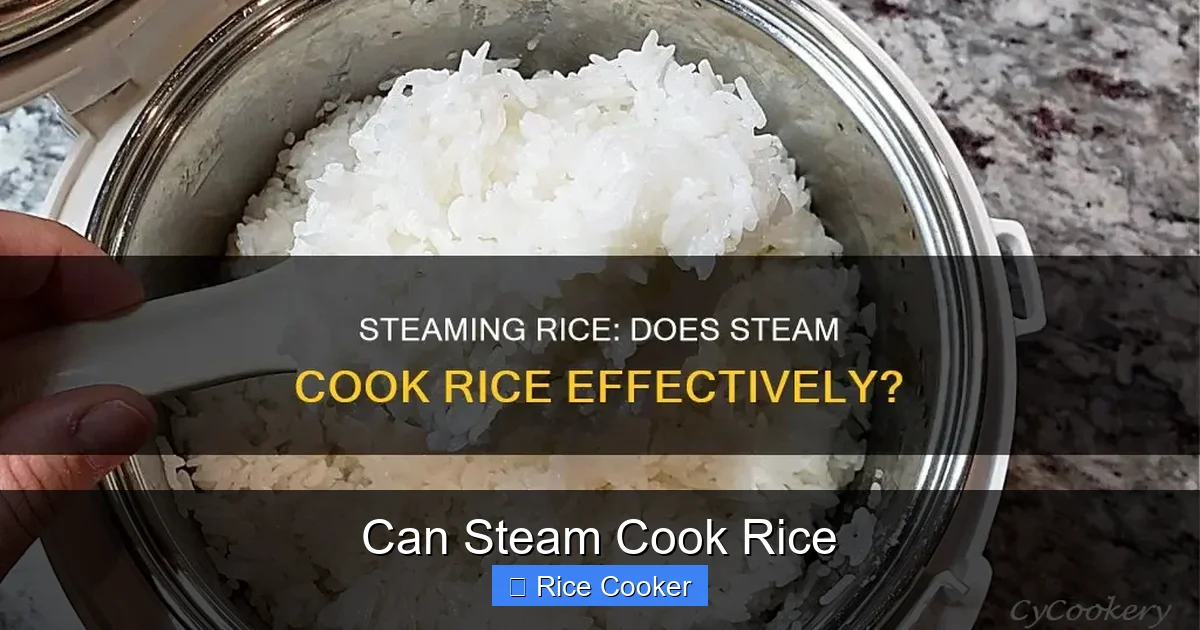
Steaming rice is not only possible—it’s one of the healthiest and most effective cooking methods. Whether you’re using a rice cooker with a steaming function or a traditional bamboo steamer, this technique yields tender, non-sticky grains every time. With minimal effort and no added oil, steamed rice keeps its natural flavor and essential nutrients intact.
Key Takeaways
- Yes, you can steam cook rice: Steaming is a proven method to cook rice evenly, producing light, fluffy grains without sticking or burning.
- Best tools for steaming rice: Use a rice cooker with a steaming tray, a stovetop steamer basket, or a microwave-safe container with a lid.
- Nutrient retention: Steaming preserves vitamins and minerals better than boiling, as less water-soluble content leaches out.
- Texture matters: Steamed rice has a slightly firmer, more distinct grain compared to boiled or fried rice.
- Time and ratio vary by grain: White rice typically steams in 15–20 minutes; brown rice may take 30–40 minutes with proper water levels.
- Flavor enhancement: Add herbs, bay leaves, or a splash of broth during steaming for subtle, aromatic depth.
- Cleanup is easy: Steamed rice rarely sticks to containers, making post-cooking cleanup quick and simple.
📑 Table of Contents
- Can You Steam Cook Rice? Absolutely—And Here’s Why It Works
- Why Choose Steaming Over Boiling?
- What You Need to Steam Cook Rice
- Step-by-Step Guide: How to Steam Cook Rice
- Tips for Perfectly Steamed Rice Every Time
- Common Mistakes to Avoid When Steaming Rice
- Steamed Rice vs. Other Cooking Methods: What Sets It Apart?
- Creative Ways to Serve Steamed Rice
- Conclusion: Yes, You Should Start Steaming Your Rice Today
Can You Steam Cook Rice? Absolutely—And Here’s Why It Works
Rice is a global staple, loved for its versatility, affordability, and ability to pair with almost any dish. But when it comes to cooking it, many people default to boiling—simply rinsing the grains and dropping them into boiling water until the water evaporates. While that method works, it’s not always the best. Enter steaming: a gentler, healthier way to cook rice that delivers superior texture, flavor, and nutrition. So yes—can you steam cook rice? The answer is a confident yes, and it might just change how you prepare your next bowl of jasmine, basmati, or even sushi-grade short-grain rice.
Steaming rice involves exposing the grains to hot, moist air rather than submerging them in water. This method cooks the rice evenly from the inside out, locking in moisture without letting excess liquid escape. The result? Fluffy, separate grains that aren’t mushy or overcooked. And because there’s no direct contact with boiling water, fewer nutrients wash away. In short, steaming isn’t just possible—it’s ideal for anyone looking to elevate their rice game.
Whether you’re using a high-tech electric rice cooker with a dedicated steaming function or a simple bamboo steamer on your stovetop, the principles remain the same. Let’s dive into everything you need to know about steaming rice, from equipment choices to timing tips and flavor hacks.
Why Choose Steaming Over Boiling?

Visual guide about Can Steam Cook Rice
Image source: i.ytimg.com
Many home cooks stick to boiling rice out of habit or convenience. After all, it’s straightforward: add water, bring to a boil, reduce heat, and simmer. But boiling has drawbacks. First, it causes up to 60% of water-soluble vitamins (like B1, B3, and folic acid) to leach into the cooking water. Second, over-boiled rice often turns mushy, especially if you don’t monitor it closely. Third, since the rice sits submerged, flavors can become bland unless you use seasoned water—which still doesn’t compare to the richness of real broth.
Steaming, on the other hand, offers several advantages:
- Better nutrient retention: Because the rice isn’t submerged, fewer vitamins and minerals are lost during cooking.
- Superior texture: Grains stay firm, separate, and visually appealing—perfect for dishes where presentation matters.
- Less mess: No need to drain excess water, and cleanup is faster.
- Healthier profile: Zero added fat or oil required, making it a great option for low-fat diets.
- Even cooking: Heat distributes uniformly, reducing the risk of undercooked centers or scorched bottoms.
For these reasons, steaming is gaining popularity among health-conscious cooks, professional chefs, and even meal-prep enthusiasts who want consistent, restaurant-quality rice every time.
What You Need to Steam Cook Rice

Visual guide about Can Steam Cook Rice
Image source: cycookery.com
You don’t need fancy gadgets to steam rice. In fact, many of the best setups are surprisingly simple. Here are the most effective tools and ingredients:
Essential Equipment
- Rice cooker with steaming function: Modern electric rice cookers often include a steaming tray that fits above the cooking pot. This dual-use appliance saves counter space and simplifies prep—just add water to the inner pot, place the rice in the steamer basket, and press “steam” or “rice + steam.”
- Bamboo steamer: A classic kitchen tool, bamboo steamers come in various sizes and stackable designs. They’re perfect for stovetop use and work well with gas or induction burners. Line the bottom with cheesecloth or cabbage leaves to prevent sticking.
- Microwave-safe container: If you’re short on time, you can steam rice in the microwave. Use a covered dish with small vent holes and about double the usual water amount.
- Steamer basket insert: Many pots have built-in steamer baskets or can accommodate a perforated metal bowl. These are great for multi-tasking—steaming rice while also blanching vegetables.
Basic Ingredients
- White rice (long-grain): Ideal for steaming due to its low starch content and tendency to stay separate.
- Brown rice: Can be steamed but requires longer cooking times and more water. Not all grains respond equally to steam, so adjust accordingly.
- Filtered water or broth: Water works fine, but chicken, vegetable, or kombu broth adds subtle umami depth.
- Salt or seasonings: A pinch of salt enhances flavor, and aromatic additions like bay leaf or ginger can infuse the rice subtly.
Pro Tips Before You Start
Before tossing your rice into the steamer, remember these best practices:
- Don’t rinse brown rice before steaming: Rinsing removes the nutrient-rich outer bran layer. For white rice, a quick rinse helps remove excess starch, which prevents stickiness.
- Use the right water-to-rice ratio: Generally, 1:1.2 (rice to water) works for white rice; 1:1.5 for brown. Too much water leads to sogginess; too little risks dryness.
- Let the rice sit after steaming: Just like with boiled rice, resting for 5–10 minutes allows moisture to redistribute evenly.
Step-by-Step Guide: How to Steam Cook Rice
Ready to try it yourself? Follow this foolproof process for perfectly steamed rice every time.
Method 1: Using a Rice Cooker with Steaming Function
This is the easiest and most reliable method for beginners.
- Add water to the inner pot: Fill the rice cooker’s main compartment with about 1 cup of water per 1 cup of rice. This creates the vapor needed for steaming.
- Place the steamer basket inside: Ensure the basket fits snugly and doesn’t touch the water.
- Measure and add rice: Rinse white rice briefly, then transfer it to the steamer basket. For brown rice, skip rinsing.
- Close the lid and select “Steam” mode: If your model doesn’t have a dedicated steam button, choose “Quick Cook” or “Manual” and set the timer (usually 15–25 minutes for white rice).
- Wait and fluff: Once done, let the rice rest for 5 minutes before gently fluffing with a fork.
Method 2: Stovetop Bamboo Steamer
Perfect for those who enjoy hands-on cooking or already own a steamer.
- Bring water to a boil: In a large pot, add 2–3 inches of water and bring to a rolling boil.
- Prepare the steamer basket: Line the bottom with damp cheesecloth, muslin, or even a cabbage leaf to prevent sticking.
- Add rice directly or in a heatproof bowl: Place the rinsed rice in the lined basket. Alternatively, pour rice into a heatproof bowl placed inside the steamer.
- Cover tightly and steam: Place the lid on the pot and maintain a steady boil. Steam for 15–20 minutes for white rice, 30–40 for brown.
- Check doneness: Insert a fork near the center—if it meets resistance without wet residue, it’s ready.
- Rest and serve: Remove from heat, cover, and let sit for 5 minutes before fluffing.
Method 3: Microwave Steaming
Great for quick meals or when you’re pressed for time.
- Combine rice and water in a microwave-safe dish: Use 1 cup rice to 1.5 cups water.
- Cover with a vented lid or plastic wrap with slits: This traps steam while allowing pressure to escape.
- Microwave on high for 10 minutes: Stir halfway through to ensure even heating.
- Let stand for 5 minutes: Then uncover and fluff gently.
Each method has its strengths. Rice cookers offer consistency, bamboo steamers provide tradition and control, and microwaves deliver speed. Experiment to find your favorite!
Tips for Perfectly Steamed Rice Every Time
Even with the right technique, small details make a big difference. Here are pro-level tips to ensure your steamed rice is always flawless.
Master the Water Ratio
The golden rule: more water equals softer rice. But too much defeats the purpose of steaming—you want just enough moisture to create steam, not drown the grains.
- White long-grain rice: 1 cup rice : 1.2 cups water
- Basmati or jasmine: 1 : 1.1
- Brown rice: 1 : 1.5 (and soak for 30 minutes first if possible)
- Instant or quick-cooking rice: Follow package instructions—usually less water needed.
Don’t Skip the Resting Period
After steaming, resist the urge to dig in immediately. Letting the rice sit allows residual steam to finish cooking it evenly and firms up the texture. Skipping this step can lead to uneven bites—some dry, some mushy.
Fluff Gently, Don’t Mash
Use a wide, flat utensil like a fork or rice paddle to lift and separate grains. Vigorous mashing breaks down the structure and makes rice clumpy.
Season Subtly
Add flavor without overpowering the rice. Try:
- A bay leaf or two cloves of crushed garlic in the steamer basket
- A splash of coconut milk for a tropical twist
- Kosher salt dissolved in the water
Avoid salting the rice directly—it won’t distribute evenly.
Store and Reheat Like a Pro
Leftover steamed rice keeps well in an airtight container for up to 4 days. To reheat, sprinkle a few drops of water over it and microwave for 30 seconds, or steam again briefly in a covered dish.
Common Mistakes to Avoid When Steaming Rice
Even experienced cooks slip up sometimes. Watch out for these pitfalls:
- Using too little water: Insufficient moisture means poor steam generation and undercooked rice.
- Overcrowding the steamer: Packing too much rice blocks airflow, leading to uneven cooking.
- Not covering properly: Steam escapes if the lid isn’t tight, slowing down the process.
- Opening the lid frequently: Each time you lift the lid, you lose heat and moisture—this extends cooking time unpredictably.
- Using cold water in the base pot: Always start with boiling water for stovetop steamers.
If your rice turns out gummy or undercooked, reassess your water ratio, cooking time, and equipment setup next time.
Steamed Rice vs. Other Cooking Methods: What Sets It Apart?
How does steaming compare to boiling, frying, or using a pressure cooker?
Steamed vs. Boiled Rice
Boiling is quicker but wasteful. You discard the cooking water, losing flavor and nutrients. Steamed rice retains both, offering a cleaner, more refined taste. Plus, no draining means less hands-on attention.
Steamed vs. Fried Rice
Fried rice requires oil, heat, and constant stirring—ideal for leftovers but not for cooking fresh grains. Steamed rice serves as the perfect base for stir-fries, curries, or salads without adding extra calories.
Steamed vs. Pressure-Cooked Rice
Pressure cooking is fast and efficient, but the intense heat can make grains slightly tougher. Steaming is gentler, yielding a more delicate texture, especially for premium varieties like arborio or sushi rice.
In short, steaming strikes a balance between speed, nutrition, and taste—making it the Goldilocks option for rice lovers.
Creative Ways to Serve Steamed Rice
Steamed rice is incredibly versatile. Here are delicious ideas to take your meals to the next level:
- Asian-inspired bowls: Pair with teriyaki chicken, miso-glazed tofu, and steamed broccoli.
- Mediterranean mezze: Serve with hummus, olives, grilled eggplant, and a drizzle of olive oil.
- Curry companion: Fluff steamed jasmine rice beside red or green curry for soaking up flavorful sauces.
- Sushi base: For homemade sushi, steam sushi rice with rice vinegar, sugar, and salt for authentic results.
- Dessert variation: Sweeten steamed rice with cinnamon, raisins, and milk for a comforting pulao-style dish.
The beauty of steamed rice is its neutrality—it complements bold spices, rich sauces, and fresh herbs alike.
Conclusion: Yes, You Should Start Steaming Your Rice Today
So, can you steam cook rice? Absolutely. In fact, once you try it, you’ll wonder why you didn’t sooner. Steaming delivers better texture, fewer lost nutrients, and a cleaner flavor profile than boiling—all with minimal effort. Whether you’re using a modern rice cooker, a vintage bamboo steamer, or even your microwave, the results speak for themselves.
From meal prep warriors to busy parents and health-focused individuals, steaming rice is a simple upgrade with big rewards. It’s not just about cooking grains—it’s about elevating your entire culinary experience. Next time you reach for your pot of rice, consider switching to steam. Your body, your taste buds, and your dinner guests will thank you.
Frequently Asked Questions
Can you steam cook rice in a regular pot?
Yes, you can steam rice in a pot using a bamboo or metal steamer basket. Bring 2–3 inches of water to a boil, place the rice in the lined basket above the water, cover tightly, and steam for 15–20 minutes depending on the type of rice.
Is steamed rice healthier than boiled rice?
Steamed rice retains more water-soluble vitamins because it’s not submerged in water. It also requires no added fat, making it a leaner, more nutritious choice compared to boiled or fried versions.
How much water do I use for steamed rice?
For white rice, use 1.2 cups of water per 1 cup of rice. For brown rice, increase to 1.5 cups. Adjust based on desired texture—more water yields softer rice.
Can you overcook steamed rice?
It’s hard to overcook steamed rice if you follow recommended times, but opening the lid too often can introduce excess moisture and extend cooking. Stick to the timer and avoid frequent checks.
Do I need to rinse rice before steaming?
Yes, for white rice—rinse until the water runs clear to remove excess starch. Brown rice should not be rinsed, as it preserves beneficial bran layers.
Can you steam rice in the microwave?
Absolutely. Combine rice and water in a microwave-safe dish, cover with vented plastic wrap, and cook on high for 10 minutes. Let it rest before fluffing.