

Yes, you can cook rice in chicken broth instead of water—it adds incredible flavor and depth to every grain. Using broth not only enhances taste but also keeps the rice moist and aromatic. Whether you’re making a one-pot meal or just want better-tasting plain rice, this swap is a game-changer.
Have you ever wondered if you can cook rice in chicken broth instead of plain water? The short answer is yes, and doing so can transform an ordinary side dish into something extraordinary. Not only does it add depth and aroma, but it also makes your rice more satisfying—especially when paired with soups, stews, or one-pan meals. In fact, many home cooks swear by this simple swap for everything from jasmine rice to risotto-style dishes.
Cooking rice in chicken broth isn’t just about taste—it’s about creating a cohesive flavor profile across your entire meal. When grains absorb seasoned liquid, they take on subtle hints of herbs, garlic, and even bones from simmered broth. This method works especially well with long-grain varieties like basmati or jasmine, which soak up flavors beautifully without becoming mushy.
But how exactly do you do it? And what kind of rice cooker should you use? Let’s break it all down so you can start enjoying richer, tastier rice tonight.
Key Takeaways
- Flavor Boost: Cooking rice in chicken broth imparts rich, savory notes that plain water simply can’t match.
- Moisture Retention: Broth helps keep rice tender and fluffy by maintaining consistent moisture throughout cooking.
- Time-Saving: Using broth eliminates the need to season rice later—perfect for busy weeknights.
- Healthier Option: Homemade or low-sodium broth reduces added salt compared to canned versions.
- Versatility: Swap broth for stock, bone broth, or even vegetable broth depending on your dish.
- Pro Tip: Always use equal parts liquid (broth:rice ratio) unless specified in a recipe.
📑 Table of Contents
Why Cook Rice in Chicken Broth?
Before we dive into the “how,” let’s talk about the “why.” Why would anyone bother swapping water for broth? Well, there are several compelling reasons:
First and foremost, chicken broth adds natural umami. That savory fifth taste comes from collagen-rich bones and slow-cooked ingredients like onions, carrots, and celery. When rice absorbs this during cooking, each bite feels more complex and satisfying than plain white rice.
Second, using broth reduces the need for extra seasoning later. If you’re making fried rice or biryani, skipping the salt at the end saves time and avoids overdoing it. Plus, broth often contains garlic, ginger, and bay leaves—so you’re getting extra flavor without extra effort.
Third, broth keeps rice from drying out. Water can sometimes evaporate too quickly, leaving grains hard or chalky. Broth’s slightly thicker consistency helps maintain moisture, especially important if you’re using a rice cooker with precise temperature control.
Lastly, cooking rice in broth turns it into part of the main course rather than just a side. Think of it like baking bread with beer—the ingredient becomes integral to the final product.
The Science Behind Flavor Absorption
Rice is mostly starch wrapped in protein, which means it loves to soak up liquids. Unlike pasta—which cooks through direct heat transfer—rice relies heavily on gradual absorption. As the liquid heats, starches gelatinize and slowly draw in surrounding flavors.
Chicken broth, being rich in amino acids and minerals from simmered bones, delivers these compounds directly into the grain matrix. This process is similar to how risotto achieves its creamy texture: constant stirring ensures even distribution of fat and flavor molecules.
So whether you’re making a quick dinner or preparing a holiday spread, using broth instead of water is a small change that yields big results.
Choosing the Right Rice Cooker
Visual guide about Can U Cook Rice in Chicken Broth
Image source: wikihow.com
Not all rice cookers are created equal—and some handle broth better than others. Here’s what to look for:
Multi-Function Models Are Best
While basic rice cookers work fine, models with steaming, browning, or soup settings give you more flexibility. For instance, if you plan to brown chicken pieces before adding broth and rice, a pressure cooker or Instant Pot might be ideal.
Look for cookers labeled as “white rice,” “jasmine,” or “porridge”—these typically have precise temperature controls to prevent burning or undercooking.
Non-Stick Inner Pans Matter
Sticky rice tends to cling to rough surfaces. A smooth, non-stick coating prevents residue buildup and makes cleanup easier. Also, avoid models with aluminum cores unless they’re triple-layered—they can react with acidic broths.
Capacity Considerations
If you’re cooking for one, a 1-cup model suffices. But for families or meal prep, go for 2–4 cups. Just remember: broth expands during cooking, so don’t fill past the max line.
Popular brands like Zojirushi, Cuckoo, and Aroma offer excellent options for broth-based cooking. Many even come with measuring cups and timers built right in.
Step-by-Step Guide: How to Cook Rice in Chicken Broth
Visual guide about Can U Cook Rice in Chicken Broth
Image source: wikihow.com
Ready to try it yourself? Follow these easy steps:
Step 1: Measure Your Ingredients
Use a 1:1 ratio of broth to rice by volume. So for 1 cup of uncooked rice, measure 1 cup of broth. Rinse the rice briefly under cold water to remove excess starch—this helps prevent clumping.
Tip: If your broth is salty (like store-bought), reduce added salt in your recipe. You can dilute it with water if needed.
Step 2: Add Everything to the Cooker
Pour rinsed rice into the inner pot, then add broth. No need to stir—just level the surface gently with a spoon. Close the lid securely.
Step 3: Select the Right Setting
On most rice cookers, choose “White Rice” or “Regular.” Avoid “Quick Cook” or “Congee” unless your recipe calls for it. These settings alter texture.
Step 4: Let It Rest
Once done, let the rice sit for 5–10 minutes with the lid closed. This allows residual steam to finish hydrating the grains without overcooking them.
Step 5: Fluff and Serve
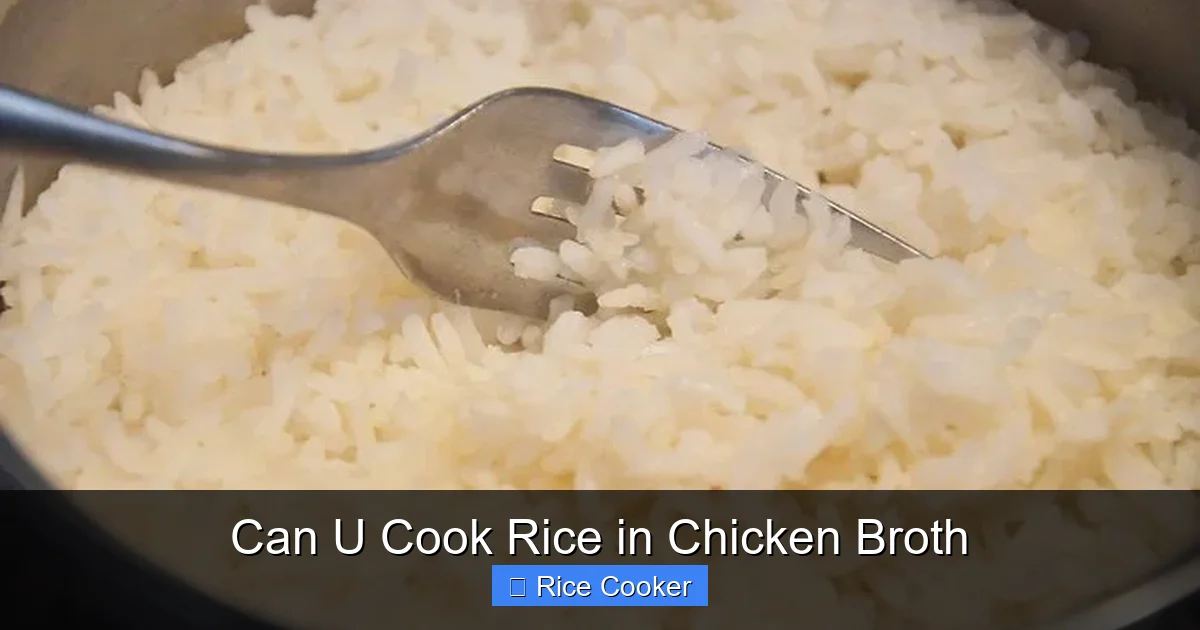
Use a fork to fluff gently. Now enjoy! Pair with grilled chicken, roasted veggies, or a fresh salad.
Recipe Ideas & Creative Uses
The beauty of cooking rice in broth lies in its versatility. Here are a few tried-and-true ideas:
One-Pot Chicken & Rice Skillet
Sauté diced chicken breast with onions and garlic. Add broth, rice, and a pinch of turmeric. Simmer covered for 18–20 minutes until tender. Top with parsley and lemon zest.
Spicy Thai Basil Fried Rice
Fry rice in oil with soy sauce, fish sauce, and chili paste. Stir in scrambled eggs and basil. The leftover broth from poaching chicken works perfectly here.
Herb-Infused Pilaf
Toast rice in butter, then add warm broth slowly while stirring. Fold in thyme, rosemary, and dried cranberries. Great with turkey or ham.
Risotto-Style Mushroom Rice
For creamy results, use a wide-bottomed pot. Sauté mushrooms first, then add broth one ladle at a time, stirring constantly. Finish with Parmesan and black pepper.
Each method highlights different textures and tastes—so experiment based on your mood!
Common Mistakes & How to Avoid Them
Even experienced cooks slip up sometimes. Here’s how to sidestep common pitfalls:
Mistake #1: Using Too Much Salted Broth
Store-bought broths vary wildly in sodium content. Test a spoonful before adding rice. If it’s too salty, rinse the rice again or dilute the broth.
Mistake #2: Not Rinsing the Rice
Unwashed rice can turn gummy or clump together. A quick rinse removes surface starch and improves mouthfeel.
Mistake #3: Overfilling the Cooker
Broth bubbles and splatters during heating. Leave at least ½ inch of space above the liquid level to prevent overflow.
Mistake #4: Skipping the Resting Phase
Jumping straight to serving leads to unevenly cooked grains. Patience pays off!
Mistake #5: Using Cold Broth
Cold liquid delays cooking. Warm it slightly before adding to speed things up.
By avoiding these errors, your rice will always turn out perfect.
Health Benefits & Nutritional Notes
Beyond flavor, cooking rice in homemade chicken broth boosts nutrition. Bone broth contains collagen, glycine, and proline—amino acids that support joint health and digestion. While rice itself isn’t nutrient-dense, combining it with broth creates a balanced meal.
That said, watch portion sizes. One cup of cooked white rice has about 200 calories; pair it wisely with lean proteins and veggies. Brown rice offers more fiber and B vitamins, making it a heartier option.
Also consider dietary restrictions: gluten-free broths work for celiac patients, while low-sodium versions suit those monitoring blood pressure.
Alternatives to Chicken Broth
Don’t have chicken broth? No problem! Try these swaps:
- Vegetable broth: Ideal for plant-based meals or if you’re avoiding meat.
- Beef or turkey broth: Adds deeper richness for hearty dishes.
- Fish stock: Perfect for Asian-inspired recipes like sushi rice.
- Homemade broth: Make your own by simmering bones, aromatics, and herbs for hours.
You can even blend broths—try half chicken, half mushroom for complexity.
Tips for Perfect Every Time
Want consistent results? Follow these pro tips:
- Preheat the broth: Warms faster and cooks rice evenly.
- Use filtered water if diluting: Reduces impurities affecting taste.
- Check doneness mid-way: Lift the lid occasionally to see if more liquid is needed.
- Store leftovers properly: Cool quickly, cover tightly, and refrigerate within 2 hours.
- Reheat with a splash of broth: Prevents dryness when warming up.
These small adjustments make a noticeable difference in quality.
Conclusion
Cooking rice in chicken broth is more than just a kitchen hack—it’s a flavor revolution. With minimal effort, you elevate everyday meals into something special. Whether you’re using a traditional rice cooker or a multi-functional appliance, the key is simple: trust the process, respect the ratios, and enjoy the aroma wafting from your kitchen.
Next time you reach for water, pause and ask yourself: could this rice be better? The answer—and the recipe—are waiting.
Frequently Asked Questions
Can I use any type of rice in chicken broth?
Yes, most rices work—long-grain (like basmati or jasmine), short-grain (sushi rice), and even arborio for creamy textures. Adjust cooking times slightly based on variety.
Do I need to rinse rice before cooking in broth?
Yes, rinsing removes excess starch and prevents clumping. Just swish it in a bowl of water, then drain thoroughly.
Is chicken broth healthier than water?
It adds nutrients like collagen and minerals, but watch sodium levels. Homemade or low-sodium broths are best for daily use.
Can I cook rice in broth on the stovetop?
Absolutely! Bring broth and rice to a boil, then reduce heat and simmer covered for 18–22 minutes. Check doneness before serving.
Will rice absorb all the broth?
Mostly yes—but if there’s leftover liquid, drain it gently or pat the rice dry before storing to avoid sogginess.
How do I make my own chicken broth?
Simmer chicken bones, onion, carrot, celery, garlic, and herbs (like thyme or bay leaf) for 6–12 hours. Strain, cool, and freeze in portions.