
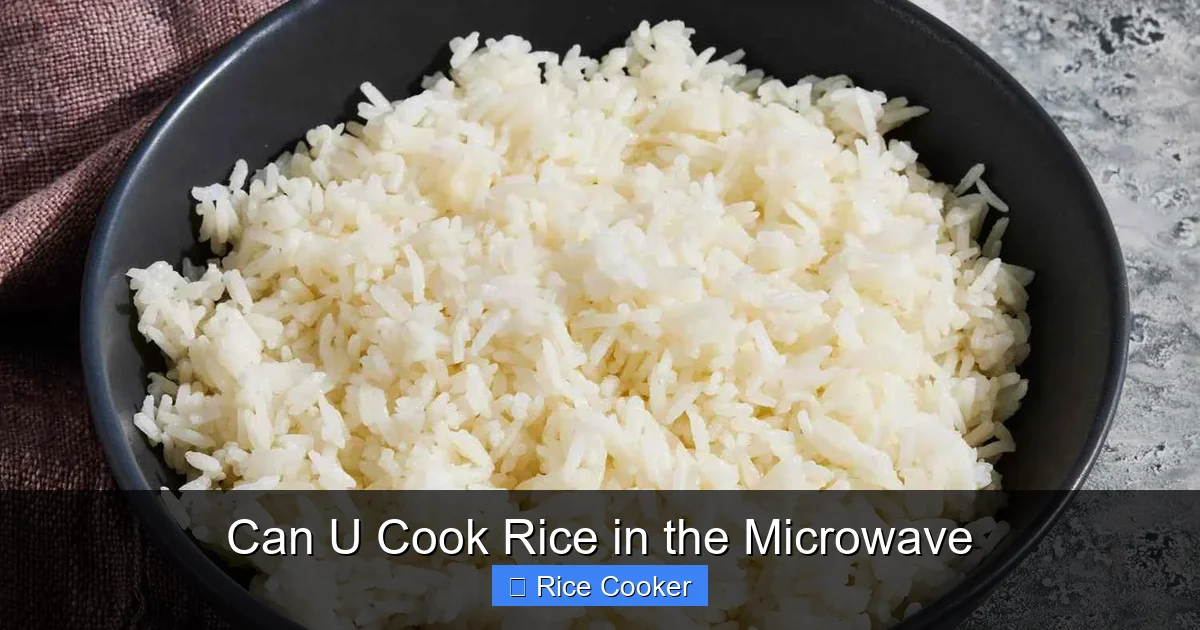
Can u cook rice in the microwave? Absolutely! With the right technique, your microwave can produce fluffy, delicious rice just like a rice cooker. Whether you’re short on time or don’t own a dedicated appliance, microwaving rice is quick, simple, and surprisingly effective.
This guide walks you through step-by-step instructions for various rice types, troubleshooting common issues, and expert tips to elevate your results. From white to brown rice, jasmine to basmati—mastering microwave rice means never ordering takeout when you’re craving homemade comfort.
Key Takeaways
- Microwave-safe containers are essential: Use glass or ceramic bowls with vented lids to prevent pressure buildup and ensure even cooking.
- Water-to-rice ratios vary by type: White rice typically needs 1:1.5 (rice to water), while brown rice requires more liquid—about 1:2 or higher.
- Standing time matters: Let cooked rice sit covered for 3–5 minutes after microwaving to finish steaming and absorb excess moisture.
- Porridge vs. fluffy texture: Adjust cooking power levels and times based on desired consistency—lower power prevents scorching.
- Cleaning is key: Rinse rice before cooking reduces starch, leading to less sticky results and better flavor.
- Batch cooking saves time: Double portions freeze well for future use, making microwave rice ideal for meal prep.
- Safety first: Never cover completely sealed containers; always allow steam release to avoid splatters or container damage.
Quick Answers to Common Questions
How long does it take to cook rice in the microwave?
Most rice takes 10–12 minutes on high, depending on type and quantity. Brown rice may need up to 22 minutes. Always check doneness and adjust as needed.
Do I need to rinse rice before microwaving?
Yes, especially for white rice. Rinsing removes excess starch, preventing stickiness and improving texture. Skip rinsing for instant or pre-cooked rice.
Can I cook rice directly in its packaging?
Never. Microwave-safe packaging isn’t designed for high heat and may melt or release harmful chemicals. Always transfer rice to a proper container.
Is microwave rice as healthy as stovetop rice?
Absolutely. Nutrient content depends on the rice itself, not the cooking method. Both methods retain vitamins and minerals similarly.
Can I reheat leftover microwave rice?
Yes! Add a tablespoon of water, cover, and microwave 1–2 minutes until heated through. Stir well before serving.
📑 Table of Contents
- Can U Cook Rice in the Microwave? Yes—and It Might Be Easier Than You Think!
- The Science Behind Microwave Rice Cooking
- Choosing the Right Container and Setup
- Step-by-Step Guide: How to Cook Rice in the Microwave
- Advanced Tips for Perfect Microwave Rice Every Time
- Safety and Cleanup Tips
- When Not to Use the Microwave (And What to Do Instead)
- Conclusion: Master Microwave Rice with Confidence
Can U Cook Rice in the Microwave? Yes—and It Might Be Easier Than You Think!
If you’ve ever wondered, “Can u cook rice in the microwave?”—the answer is a confident yes. In fact, many home cooks swear by this method for its speed, simplicity, and minimal cleanup. No need for bulky appliances or complicated setups. Just grab your microwave-safe bowl, add rice and water, pop it in, and let the magic happen.
But before you start throwing raw grains into the microwave with a splash of water, it helps to understand the basics. Different rices behave differently, and getting that perfect fluffy bite instead of a mushy mess comes down to ratios, timing, and technique. This guide will walk you through everything—from choosing the right container to mastering different rice varieties. By the end, you’ll feel confident saying, “I know how to make great microwave rice.”
The Science Behind Microwave Rice Cooking
Cooking rice in the microwave works because microwaves heat water molecules rapidly, transferring that heat to the rice grains. As the water inside the grains turns to steam, it softens and expands them until they’re tender. The challenge lies in controlling that process so the rice cooks evenly without turning into paste.
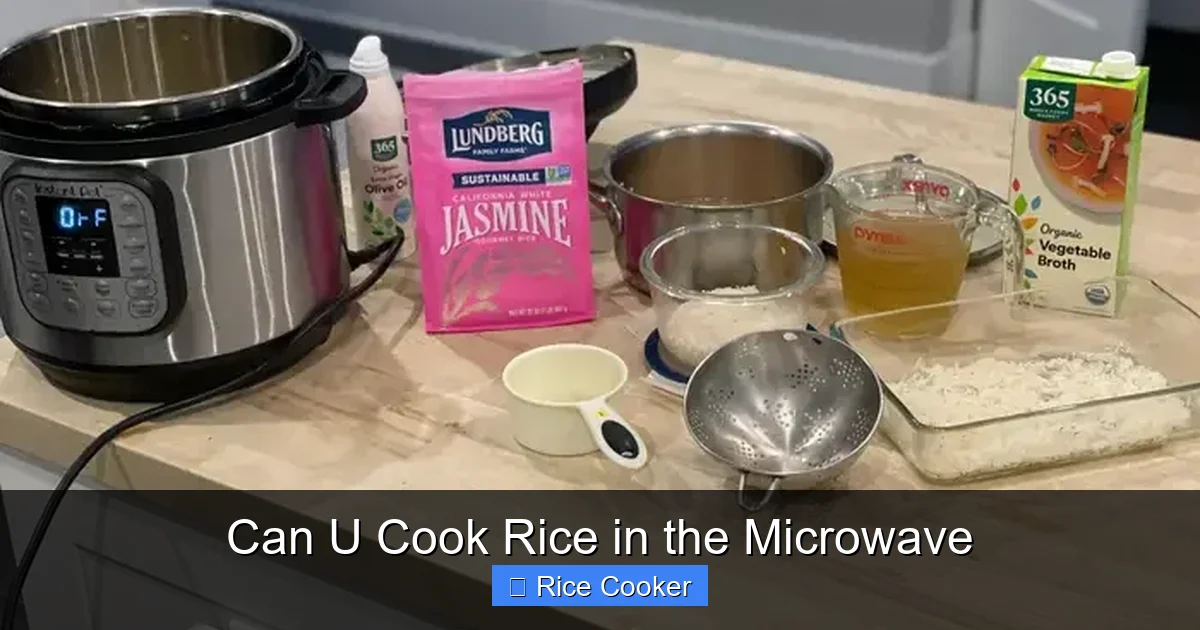
Visual guide about Can U Cook Rice in the Microwave
Image source: i.insider.com
Unlike stovetop cooking, where convection distributes heat more gradually, microwaves create hot spots. That’s why stirring halfway through and using a vented lid help distribute moisture and heat. Also, letting the rice rest after cooking allows residual heat to finish the process—think of it as the final simmer.
Why Choose the Microwave Over Other Methods?
Let’s be honest: life gets busy. Sometimes you want dinner ready in 10 minutes flat. A rice cooker might be convenient, but what if yours is broken? Or maybe you’re camping with no electricity? The microwave fills those gaps perfectly.
- Speed: Most rice cooks in under 15 minutes.
- Energy efficiency: Uses less power than an oven or stovetop.
- Minimal equipment: Only need a bowl, plate, or microwave-safe dish.
- Great for small batches: Perfect for one person or leftovers.
Of course, there are trade-offs. Texture won’t always match a dedicated rice cooker, and brown rice takes longer. But for convenience, microwave rice is hard to beat—especially when you know the tricks.
Choosing the Right Container and Setup
Your container isn’t just a vessel—it plays a big role in how well your rice turns out. Using the wrong kind can lead to uneven cooking, spills, or even damage to your microwave.
What Makes a Good Microwave Rice Bowl?
- Microwave-safe material: Glass, ceramic, or food-grade plastic (check labels). Avoid metal, wood, or non-stick coatings labeled “not for microwave use.”
- Wide, shallow shape: Helps spread heat evenly and prevents overflow.
- Vented lid or plate: Allows steam to escape without sealing tightly. You can cover with a paper towel or microwave-safe plate punctured with holes.
A large plate placed over a deep bowl works wonders. Alternatively, use a microwave-safe lid designed for casseroles—just leave a corner slightly open. Never use a sealed container. Steam builds pressure, and if trapped, it could warp your container or cause a messy explosion.
Prepping Your Rice Before Cooking
Not all rice starts off equal. Rinsing removes excess starch, which leads to stickier results. For fluffy rice, especially white rice, rinsing is a must.
- Place rice in a fine-mesh strainer.
- Rinse under cold running water for 30–60 seconds until the water runs clear.
- Gently shake off excess water—don’t press or rub the grains.
For instant or pre-cooked rice, skip rinsing. And remember: measuring accurately matters. Too little water = dry rice. Too much = soupy.
Step-by-Step Guide: How to Cook Rice in the Microwave
Ready to try it yourself? Follow this foolproof method for basic white rice. Once mastered, apply similar principles to other grains.
Basic White Rice (Jasmine, Basmati, or Long-Grain)
Ingredients:
- 1 cup uncooked long-grain white rice
- 1.5 cups water
- Pinch of salt (optional)
Instructions:
- Measure and rinse: Rinse 1 cup rice in a strainer until water clears.
- Add to bowl: Transfer rice to a microwave-safe bowl.
- Add water and salt: Pour in 1.5 cups water and optional salt.
- Cover loosely: Place a microwave-safe plate or lid over the bowl, leaving a small gap for steam.
- Cook on high: Microwave for 10–12 minutes. (Power levels vary—see note below.)
- Check doneness: Water should be absorbed; rice should be tender but not mushy.
- Rest and fluff: Let stand 3–5 minutes. Remove cover, fluff gently with a fork.
Note: If your rice is still firm, return to microwave in 1-minute intervals until done. Don’t overcook—it dries out quickly.
Adjusting for Different Rice Types
Not all rice cooks the same way. Here’s how to adapt the method:
| Rice Type | Water Ratio | Cooking Time | Notes |
|---|---|---|---|
| White (long-grain) | 1:1.5 | 10–12 min | Rinse well; fluffy result. |
| Brown rice | 1:2.25 | 18–22 min | Soak 30 min first for softer texture. |
| Basmati | 1:1.75 | 12–14 min | Lightly rinsed; aromatic flavor. |
| Jasmine | 1:1.5 | 10–11 min | Sticky when cooked—rinse lightly. |
| Instant rice | 1:1.25 | 5–7 min | Follow package instructions. |
Brown rice takes longer because the bran layer insulates the grain, slowing water absorption. Soaking it beforehand cuts cooking time and improves texture.
Troubleshooting Common Problems
Even experienced cooks run into hiccups. Here’s how to fix them:
- Rice too wet or soggy: Next time, reduce water by ¼ cup or shorten cooking time by 2 minutes.
- Rice too dry or crunchy: Add a splash of water, cover, and microwave 1 minute longer.
- Grains sticking together: Rinse thoroughly before cooking. Fluff immediately after resting.
- Burnt bottom: Stir halfway through. Use lower power (70%) for longer periods.
- Uneven cooking: Ensure water covers rice completely. Use a wide bowl for even heating.
Advanced Tips for Perfect Microwave Rice Every Time
Want to level up your microwave rice game? These pro tips will make a real difference.
Use a Lower Power Setting
Instead of full blast, try 70% power. This mimics slow cooking, reducing the risk of scorching. Cook in 2–3 minute intervals, checking frequently. Ideal for brown rice or delicate grains like basmati.
Add Flavor Infusions
Plain rice tastes good, but why stop there? Try these swaps:
- Vegetable broth: Replace half the water with low-sodium broth for extra flavor.
- Bay leaf or garlic clove: Drop in one while cooking—remove before serving.
- Lemon zest or herbs: Stir in after cooking for freshness.
Double Up for Meal Prep
Cook a double batch, divide into freezer bags, and store flat. Thaw overnight or reheat with a splash of water. Perfect for busy weekdays.
Experiment with Texture
Love risotto? Simmer rice with broth slowly in the microwave for creamy perfection. Want pilaf-style? Toast rice in oil first—microwave 2 minutes, then add hot liquid.
Safety and Cleanup Tips
Microwaving rice is safe when done correctly, but a few precautions keep things clean and hazard-free.
Always Ventilate
Steam escapes—let it go! Never seal tightly. A folded paper towel over the bowl acts as a natural vent.
Clean Residue Quickly
Rice starch hardens fast. Wipe spills immediately with warm, soapy water. For burnt bits, boil water in the microwave, let sit 5 minutes, then wipe.
Avoid Metal or Wood
These materials don’t belong in microwaves. Stick to approved containers only.
Don’t Overfill
Leave at least 2 inches of space above the rice to prevent overflow.
When Not to Use the Microwave (And What to Do Instead)
While microwave rice is versatile, some situations call for alternatives.
- Large quantities: A rice cooker handles 4+ cups more efficiently.
- Consistency matters: Professional chefs prefer stovetop control.
- No microwave-safe bowl: Then use a pot on the stove—it’s actually faster for some types.
But for everyday meals, snacks, or emergencies, the microwave remains your best friend.
Conclusion: Master Microwave Rice with Confidence
So, can u cook rice in the microwave? Without a doubt. With practice, patience, and these tried-and-true methods, you’ll turn out restaurant-quality rice right at home—no fancy equipment needed. Whether you’re whipping up a quick side dish or feeding a hungry crowd, microwave rice delivers.
Remember: rinsing, ratios, and resting time are your secret weapons. Start simple, experiment often, and soon you’ll find yourself reaching for the microwave instead of takeout.
Next time hunger strikes and time is tight, don’t hesitate. Grab that bowl, add rice and water, and let science do the rest. You’ve got this.
Frequently Asked Questions
Can I cook brown rice in the microwave?
Yes, though it requires more water and longer cooking time—typically 1:2.25 ratio and 18–22 minutes. Soaking beforehand helps achieve tenderness.
Why is my microwave rice sticky?
Excess starch causes stickiness. Rinse rice thoroughly before cooking, use correct water ratio, and avoid overcooking. Fluff immediately after resting.
What’s the best container for microwave rice?
Glass or ceramic bowls work best. Ensure they’re microwave-safe and covered loosely with a vented lid or plate to allow steam escape.
Can I add spices or herbs while cooking?
Sure! Add bay leaves, garlic cloves, or saffron threads during cooking. Remove solids before serving for cleaner texture.
How do I store leftover microwave rice?
Store in an airtight container in the fridge for up to 5 days or freeze for 1 month. Reheat with a splash of water to restore moisture.
Does microwave rice taste different from stovetop rice?
Some describe subtle differences in texture, but most people can’t tell the difference once properly prepared. Consistency depends on technique more than method.